House Insulation Cost-Price Ranges and Factors in Lakewood, WA
Melissa Grant
April 27th, 2026
House insulation in Lakewood, WA typically costs between $1.50 and $6.00 per square foot, depending on insulation type, R-value requirements, and accessibility. For a standard 1,500 square foot home, total insulation costs range from $2,250 to $9,000. Spray foam insulation commands premium pricing at $0.50 to $2.00 per board foot, while traditional fiberglass and cellulose options fall between $1.00 and $3.50 per square foot. Washington construction costs run approximately 28% above the national average, which directly impacts installed pricing in the Lakewood and Pierce County area.
ROI on quality insulation installation often exceeds 100%
Accessibility issues like vaulted ceilings or finished spaces increase per-square-foot costs by 30-50%
Understanding Insulation Cost Ranges by Type
The total cost of your insulation project depends heavily on the material you select. Each insulation type offers different performance characteristics, lifespan, and residential installation requirements that influence both upfront investment and long-term value.
Fiberglass batts represent the most budget-friendly option at $1.00 to $1.50 per square foot for materials and labor. While affordable, fiberglass requires precise installation to avoid gaps and compression issues that reduce effectiveness.
Blown-in cellulose typically runs $1.50 to $3.00 per square foot installed. This option works well for attics and wall cavities with existing access, offering good thermal performance and sound dampening.
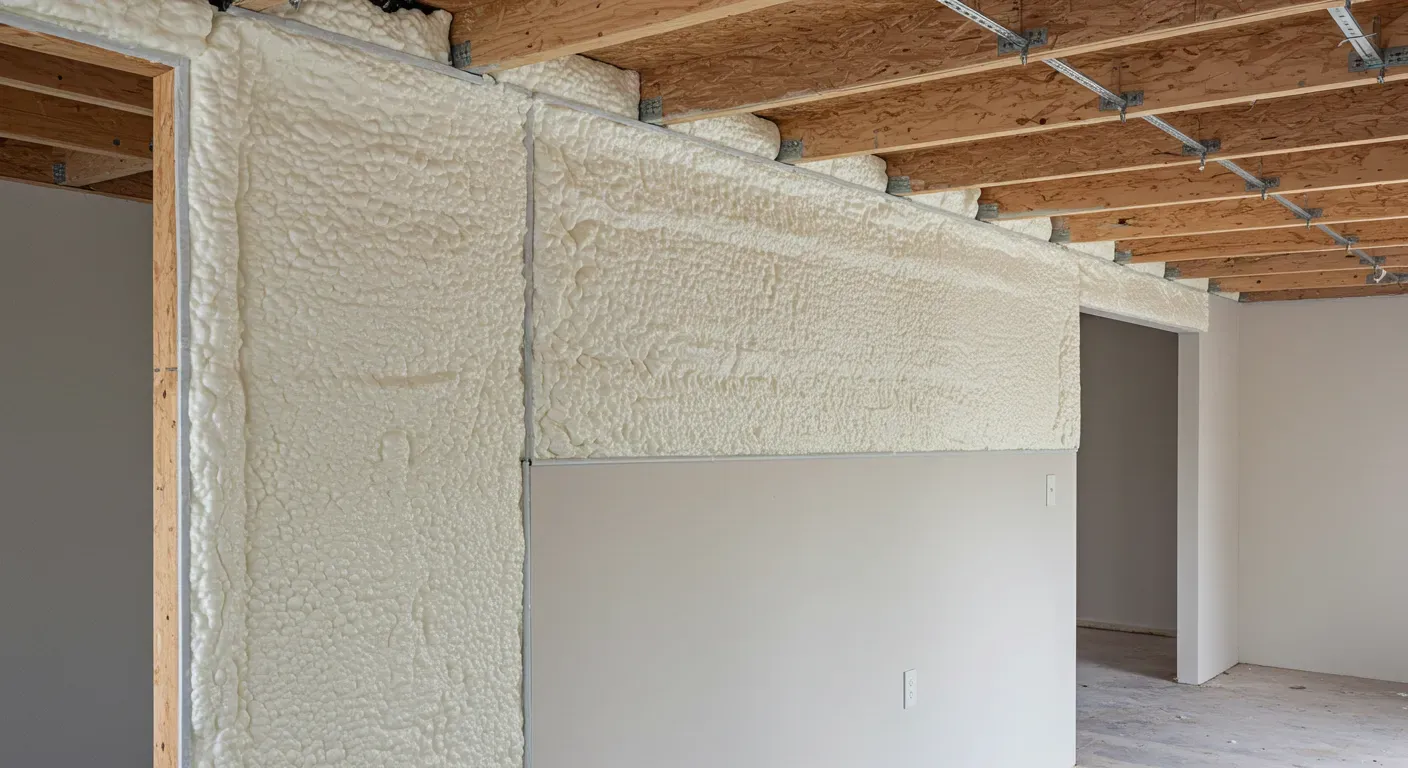
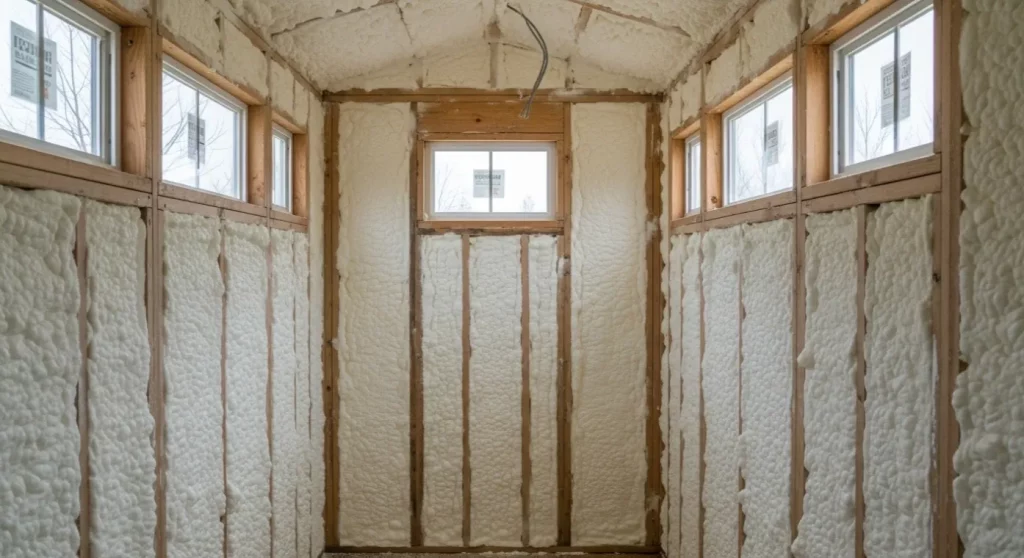
Open-cell spray foam costs $1.75 to $3.50 per square foot at standard thickness. This material expands to fill gaps, providing superior air sealing alongside thermal resistance.
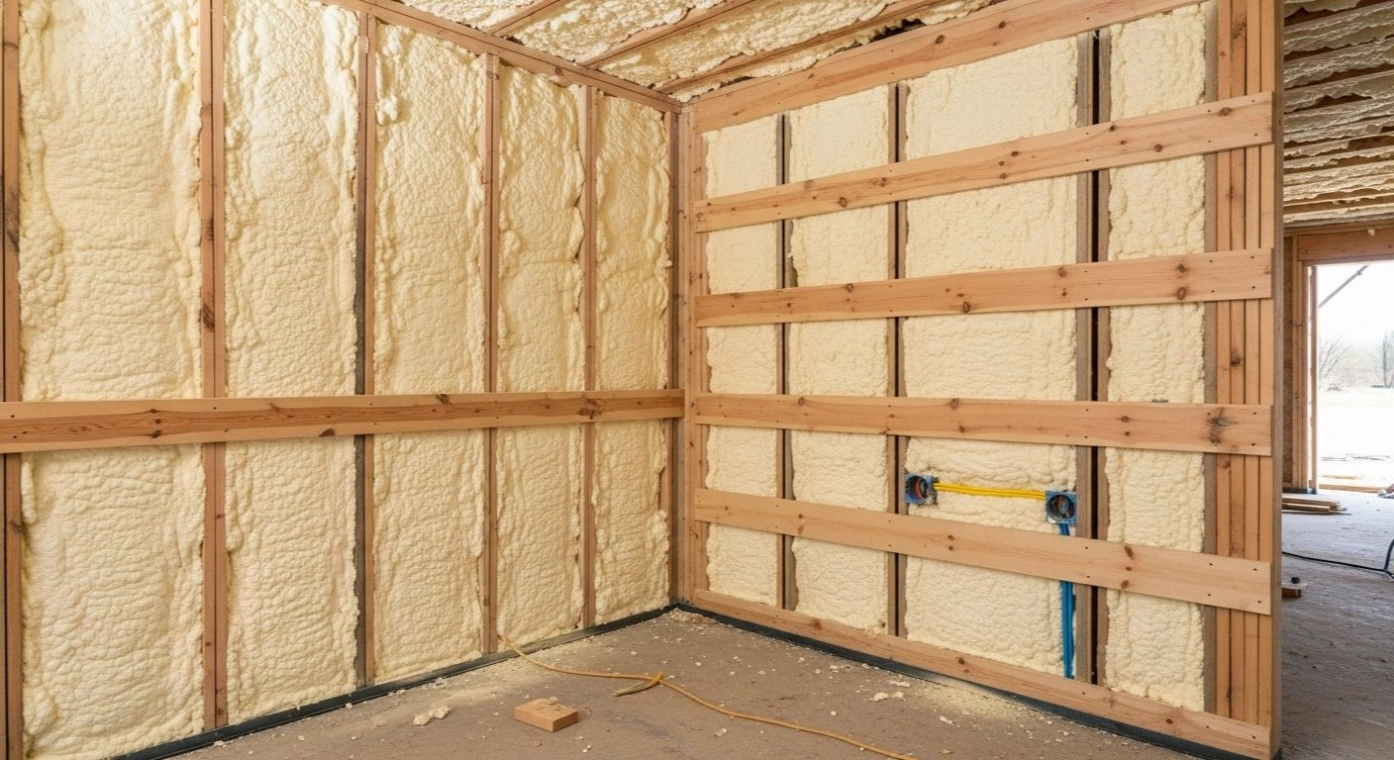
Closed-cell spray foam commands $3.50 to $7.00 per square foot but delivers the highest R-value per inch and acts as a moisture barrier. This makes closed-cell particularly valuable in the damp Pacific Northwest climate.
Insulation Type
Cost Per Sq Ft
R-Value Per Inch
Best Application
Fiberglass batts
$1.00 – $1.50
R-3.2
Walls, floors with standard framing
Blown-in cellulose
$1.50 – $3.00
R-3.2 – R-3.8
Attics, existing wall cavities
Open-cell spray foam
$1.75 – $3.50
R-3.5 – R-3.7
Attics, wall cavities, sound control
Closed-cell spray foam
$3.50 – $7.00
R-6.0 – R-7.0
Foundations, roofs, high-moisture areas
Real-World Cost Examples for Lakewood Homes
Actual project costs vary based on home size, existing insulation conditions, and selected materials. These examples illustrate typical scenarios for homeowners in the Lakewood area.
Home Type
Location
Project Area
Material
Estimated Cost
1960s ranch home
Lakewood neighborhood
1,800 sq ft attic
Blown-in cellulose
$3,200 – $4,500
1990s two-story
Lakewood suburb
Exterior walls
Fiberglass batts
$2,800 – $3,800
New construction
Lakewood area
2,400 sq ft entire home
Open-cell spray foam
$8,500 – $12,000
Mid-century modern
Near Lakewood
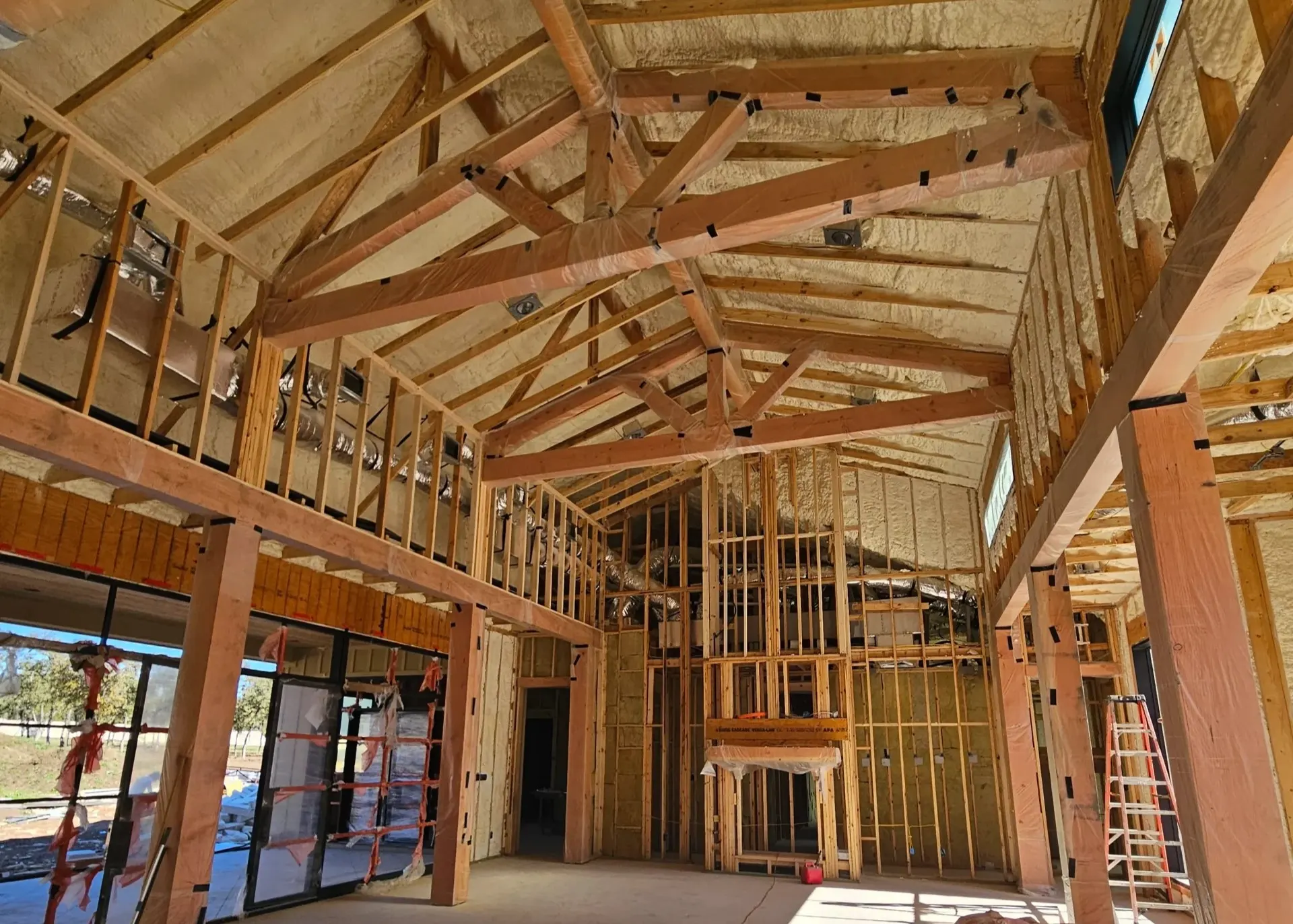
Vaulted ceiling
Closed-cell spray foam
$5,500 – $7,200
Townhome
Lakewood development
1,200 sq ft walls/attic
Fiberglass + air sealing
$2,100 – $2,900
Factors That Influence Your Insulation Cost
R-Value Requirements
Washington State Energy Code sets minimum R-values that affect both material quantity and overall project cost. The 2023 code updates increased ceiling requirements from R-49 to R-60. For exterior walls in Climate Zone 4, the standard calls for R-21 to R-30 depending on construction type.
Washington State Energy Code sets minimum R-values that affect both material quantity and overall project cost. The 2023 code updates increased ceiling requirements from R-49 to R-60. For exterior walls in Climate Zone 4, the standard calls for R-21 to R-30 depending on construction type.
Achieving higher R-values with standard materials requires increased thickness, which directly multiplies material costs. Spray foam’s superior R-value per inch allows you to meet code requirements with less material volume, potentially offsetting higher per-unit costs.
Home Size and Layout
Larger homes require more material and labor hours. However, layout complexity matters equally. Homes with numerous corners, built-ins, or irregular shapes take longer to insulate properly. Vaulted ceilings often require specialized equipment and increase labor time by 40-60%.
Accessibility and Prep Work
Accessible attics with standard pull-down access represent the easiest and most affordable insulation projects. Finished basements, sealed crawl spaces, or homes with limited access points increase costs through additional labor and equipment needs.
Homes with existing damaged or contaminated insulation require removal before new installation. Asbestos or mold remediation can add $500 to $3,000, depending on severity and square footage affected.
Regional Labor Rates
The greater Tacoma and Seattle metropolitan area, including Lakewood, features labor rates between $95 and $175 per hour for professional insulation installation. These rates reflect the skilled labor shortage in the region and the specialized nature of spray foam application.
Moisture Management Considerations
The Pacific Northwest experiences significant rainfall and humidity. Proper house insulation in this climate requires attention to vapor barriers and air sealing to prevent moisture accumulation within wall cavities. Closed-cell spray foam inherently provides moisture resistance, while other materials may require additional vapor barrier installation.
Who This Is For
Ideal candidates for insulation investment include:
Homeowners experiencing high heating or cooling bills despite thermostat adjustments
Residents of homes built before 1990 with original or insufficient insulation
Property owners preparing homes for sale in the competitive Lakewood market
Families concerned about indoor air quality and allergen control
Homeowners planning long-term residence who want to maximize comfort and reduce expenses
Situations where other priorities may take precedence:
Homes with major structural issues requiring resolution before insulation
Rental properties with month-to-month tenants where long-term ROI is uncertain
Newly constructed homes already meet current energy code standards
Properties scheduled for demolition or major renovation within five years
The Real Question: What Happens Without Proper Insulation?
Many Lakewood homeowners discover the cost of inadequate insulation only after receiving unexpectedly high utility bills during Pacific Northwest winters. A home with insufficient attic insulation loses heat rapidly, forcing heating systems to work overtime. This translates to monthly expenses that compound over years of ownership.
Consider a 1,800 square foot home in Lakewood with inadequate insulation. Poor thermal performance might add $150 to $300 annually to heating costs. Over a ten-year period, that represents $1,500 to $3,000 in wasted energy, plus reduced comfort and premature HVAC wear. Quality insulation installation stops this ongoing drain on your household budget.
Beyond financial impact, inadequate insulation affects indoor comfort, creates cold spots and drafts, allows moisture infiltration, and reduces overall air quality. For families with allergies or respiratory concerns, proper insulation and air sealing create healthier living environments.
Why Professional Installation Matters
While DIY insulation kits exist, professional installation ensures proper air sealing, correct R-value achievement, and code compliance. Certified installers understand moisture management, ventilation requirements, and the specific challenges of Pacific Northwest construction methods.
Our team at Cascadia Spray Foam has served the Lakewood area for years, understanding local climate patterns, building styles, and code requirements. We assess each home individually, recommending insulation solutions that match your budget, performance goals, and long-term plans.
Whether you need complete attic insulation, wall cavity upgrades, or spray foam application in a new construction project, our experienced crew delivers quality results. We stand behind our work with warranties covering both materials and craftsmanship.
Ready to stop overpaying on energy bills? Contact our team today to discuss your insulation project. We provide detailed estimates and explain all available options for your Lakewood home.
How long does home insulation last in the Pacific Northwest climate?
Most insulation materials last 20 to 30 years with proper installation and minimal moisture exposure. Spray foam insulation can exceed 30 years when correctly applied. However, settling, moisture damage, or pest intrusion may require earlier replacement in some situations.
Does adding insulation increase my home’s value in Lakewood?
Yes, energy-efficient upgrades typically return 60% to 80% of their cost in increased home value. In competitive Lakewood real estate markets, homes with modern insulation attract buyers seeking lower utility costs and improved comfort.
Can I add insulation over existing material?
In many cases, adding cellulose or fiberglass over existing attic insulation works well. Wall cavities require different approaches depending on current conditions. Spray foam can be applied over most existing materials after inspection and necessary repairs.
What is the payback period for spray foam insulation in Washington?
Payback periods typically range from 5 to 10 years, depending on energy prices, home size, and previous insulation levels. Spray foam often pays for itself through reduced heating and cooling costs, plus extended HVAC equipment lifespan.
Do I need a permit for insulation installation in Lakewood?
Permit requirements vary by project scope and local codes. Replacing existing insulation in accessible areas often does not require permits, while structural changes or new construction typically do. Our team understands local requirements and handles the necessary permits for your project.
I’m Melissa Grant, owner of Cascadia Spray Foam Insulation, with over 10 years of hands-on spray foam experience. I focus on durable insulation solutions, improved comfort and energy efficiency, and excellent customer service.
Spray foam insulation seals building gaps because the foam expands, bonds to the framing, and cures into one airtight layer that follows every angle. Batts and boards can’t hug odd…
Insulation-based temperature control comes down to one job: slowing heat flow so every room gains or loses heat at about the same pace. Fill the weak spots with the right…
Quick answer: Cutting commercial insulation heat loss on a large building means treating the whole envelope as one system. Insulation slows heat moving through walls, roofs, and ceilings. Air sealing…