Why Do Homeowners Choose Modern Wall Insulation for Long-Term Performance?
Melissa Grant
July 16th, 2026
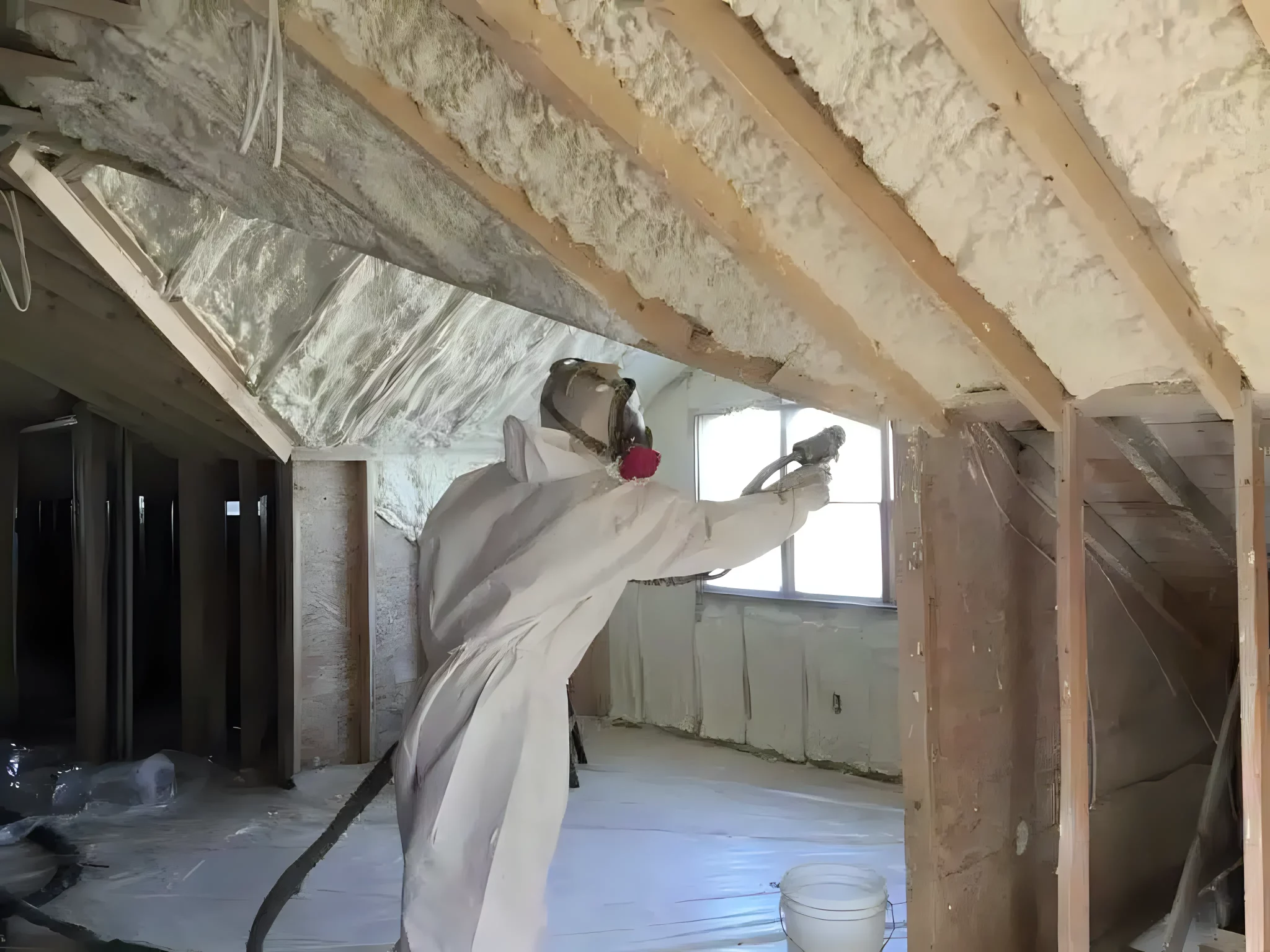
Homeowners choose modern wall insulation to secure a high-performing building envelope that manages temperature, moisture, and sound for the life of the structure. Selecting the right home insulation solutions depends on the local climate in Seattle, the specific age of the home, and the long-term energy goals of the owner. Modern options like spray foam create a superior thermal barrier compared to traditional fiberglass by sealing air gaps that otherwise lead to drafts and high utility bills. By investing in advanced materials, you shift from simply “filling a cavity” to creating a comprehensive performance system that protects your property value and daily comfort.
TL;DR
Superior Air Sealing: Modern wall insulation installation using spray foam acts as both an insulator and an air barrier, stopping up to 40% of energy loss caused by air leakage.
Long-Term Durability: Unlike batts that sag or settle over time, closed-cell foam maintains its R-value and structural integrity for decades.
Moisture Management: Advanced materials prevent condensation within walls, reducing the risk of mold growth and wood rot in damp climates.
Enhanced Soundproofing: High-density soundproof insulation significantly dampens exterior noise from traffic and neighbors, improving indoor tranquility.
Investment Recovery: While initial costs are higher than DIY fiberglass, most homeowners see a return on investment through energy savings within 3 to 7 years.
Property Value: Homes with documented high-performance energy-efficient walls often command higher resale prices and faster closing times.
The Evolution of Wall Insulation Technology
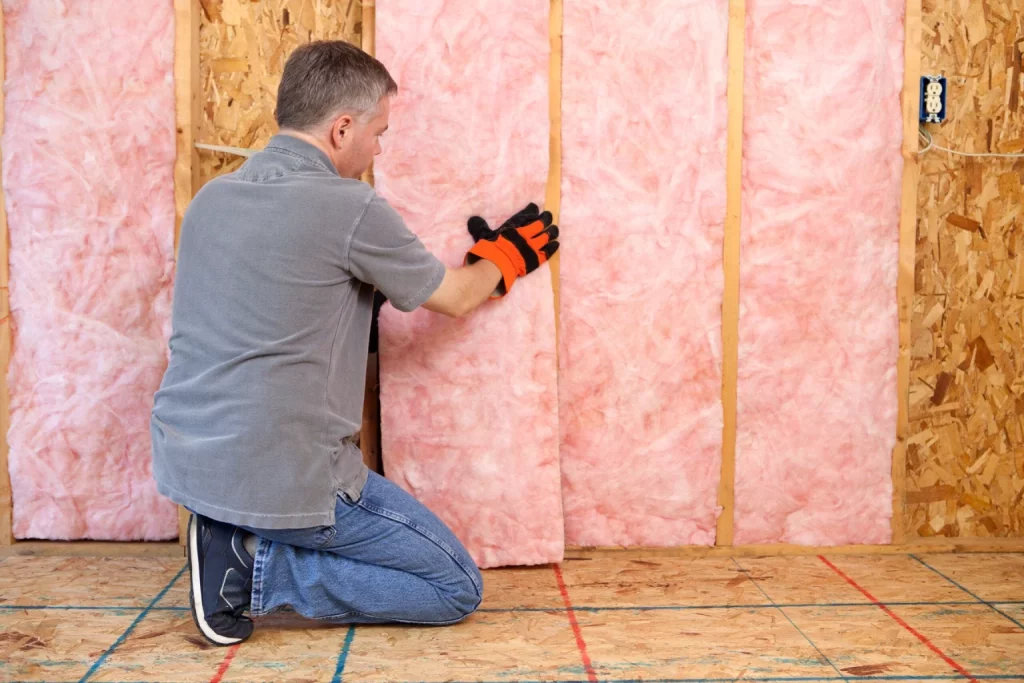
For decades, the standard approach to insulating a home involved stuffing pink fiberglass batts into stud bays. While this provided a basic level of thermal resistance, it did little to stop the movement of air. Modern building science has evolved to view the house as a single, integrated system. Today, wall insulation is designed to address three primary threats to home comfort: heat transfer, air infiltration, and vapor movement.
In Seattle, where humidity and cool temperatures are common, traditional materials can struggle. If air carries moisture into a wall cavity and hits a cold surface, it condenses. This leads to hidden mold. Modern home insulation solutions prevent this by creating a seamless thermal barrier that keeps the interior surfaces of your walls warm and dry. According to the U.S. Department of Energy, properly insulating your home is one of the most cost-effective ways to improve energy efficiency and reduce greenhouse gas emissions.
Comparing Modern vs. Traditional Insulation Strategies
Feature
Traditional Fiberglass Batts
Modern Spray Foam Insulation
Cellulose (Blown-in)
Air Sealing
Poor (requires separate house wrap)
Excellent (self-sealing)
Moderate (dense pack only)
R-Value per Inch
2.2 – 3.8
6.0 – 7.0 (Closed Cell)
3.2 – 3.8
Moisture Resistance
Low (absorbs water)
High (hydrophobic)
Moderate (treated with borates)
Lifespan
15–25 years (can sag)
50+ years (permanent)
20–30 years (may settle)
Installation Speed
Moderate
Fast (professional equipment)
Moderate
Achieving Energy-Efficient Walls with a Comprehensive Thermal Barrier
Creating energy-efficient walls is about more than just the R-value, which measures a material’s resistance to heat flow. It is also about “thermal bridging.” Standard wood studs conduct heat faster than insulation does. Modern wall insulation installation techniques often include a combination of cavity fill and exterior continuous insulation to “break” that thermal bridge.
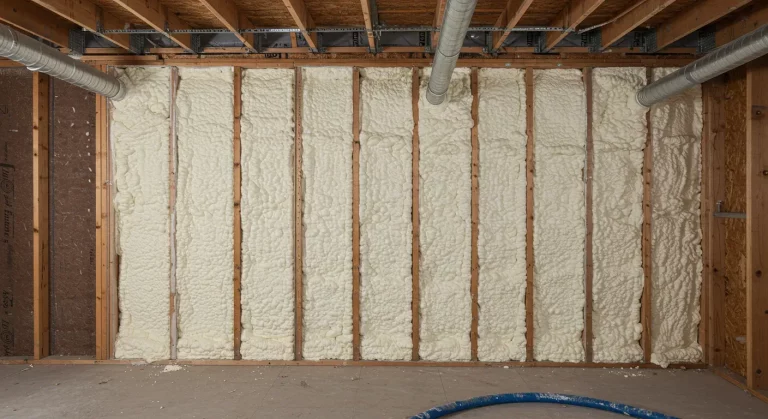
When we apply spray foam, the material expands to fill every nook, cranny, and electrical box penetration. This creates a monolithic seal. This is vital because even a small gap in your insulation can significantly degrade the overall performance of the wall. Research from the International Code Council (ICC) emphasizes that the continuity of the air barrier is just as important as the thickness of the insulation itself for long-term structural health.
Visual Suggestion: Heat Loss Comparison
A cross-section diagram showing two wall types. One wall uses traditional batts with visible blue arrows (cold air) leaking through gaps and electrical outlets. The second wall shows a solid purple fill (spray foam) with no air penetration, illustrating a 90% reduction in air leakage points.
The Role of Soundproof Insulation in Modern Living
As urban density increases in areas like Seattle, acoustic comfort has become a top priority for homeowners. Traditional insulation is often too light to stop low-frequency sounds like rumbling trucks or loud music. Soundproof insulation requires density and the ability to dampen vibrations.
Modern spray foam and mineral wool are excellent at this. By filling the entire wall cavity, these materials eliminate the “drumhead” effect of hollow walls. This results in a quieter home environment, which is essential for home offices and bedrooms. The World Health Organization has published guidelines noting that reducing environmental noise can significantly improve sleep quality and long-term cardiovascular health.
Factors Influencing the Success of Wall Insulation Installation
Selecting the right material is only half the battle. The success of your project depends on several critical variables:
Climate Specificity: In the Pacific Northwest, we deal with high moisture. Insulation must allow the wall to dry or prevent moisture from entering in the first place.
Structural Integrity: Closed-cell spray foam can actually add structural strength to your walls, acting like a glue that bonds the framing and sheathing together.
Proper Ventilation: As you make a home “tighter” with modern wall insulation, you must ensure the HVAC system is balanced to provide fresh air exchange.
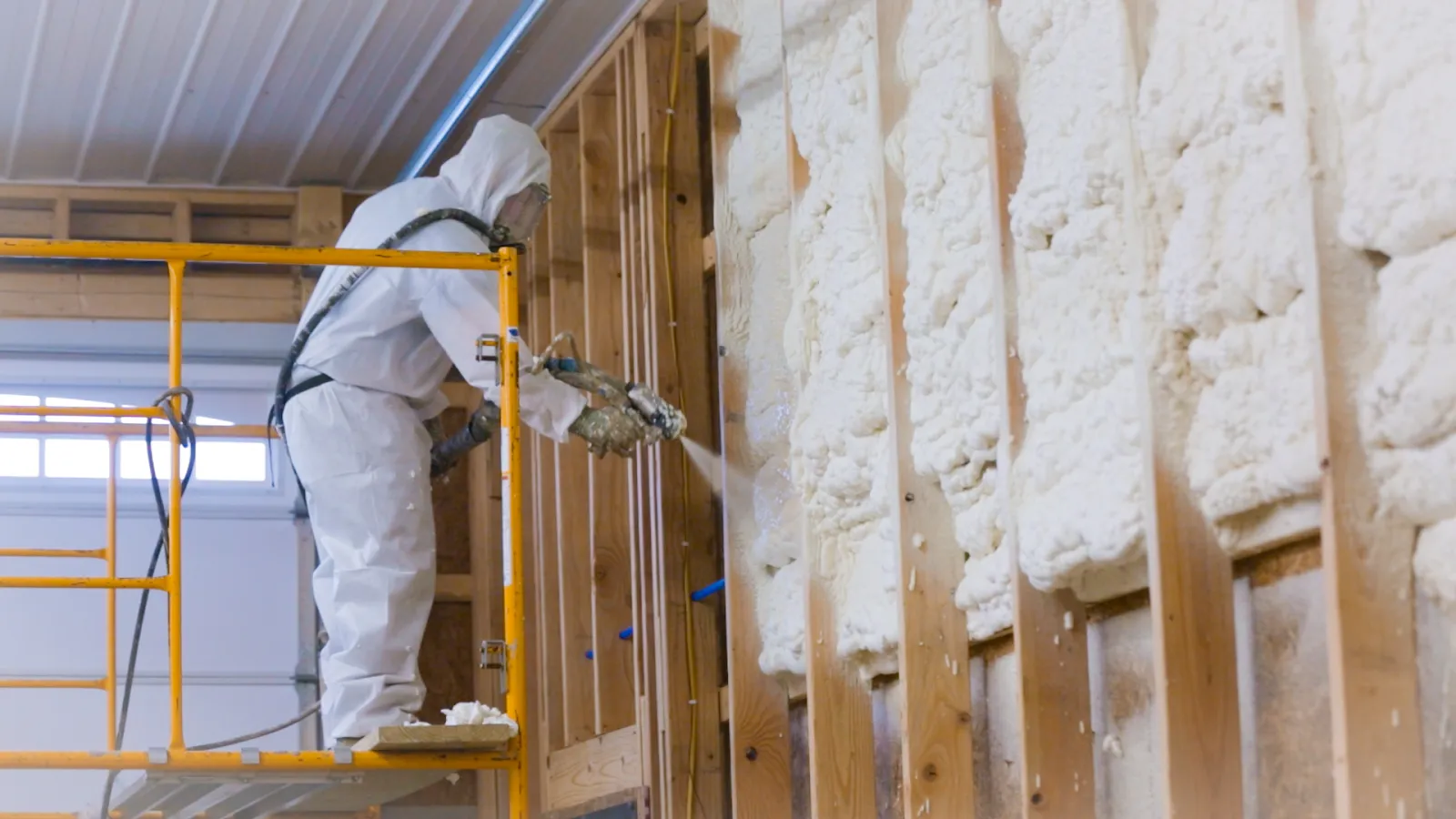
Professional Calibration: Professional equipment ensures the chemical components of spray foam are heated and mixed at the exact ratios required for a safe, stable cure.
Recommendations by Audience
New Construction Homeowners
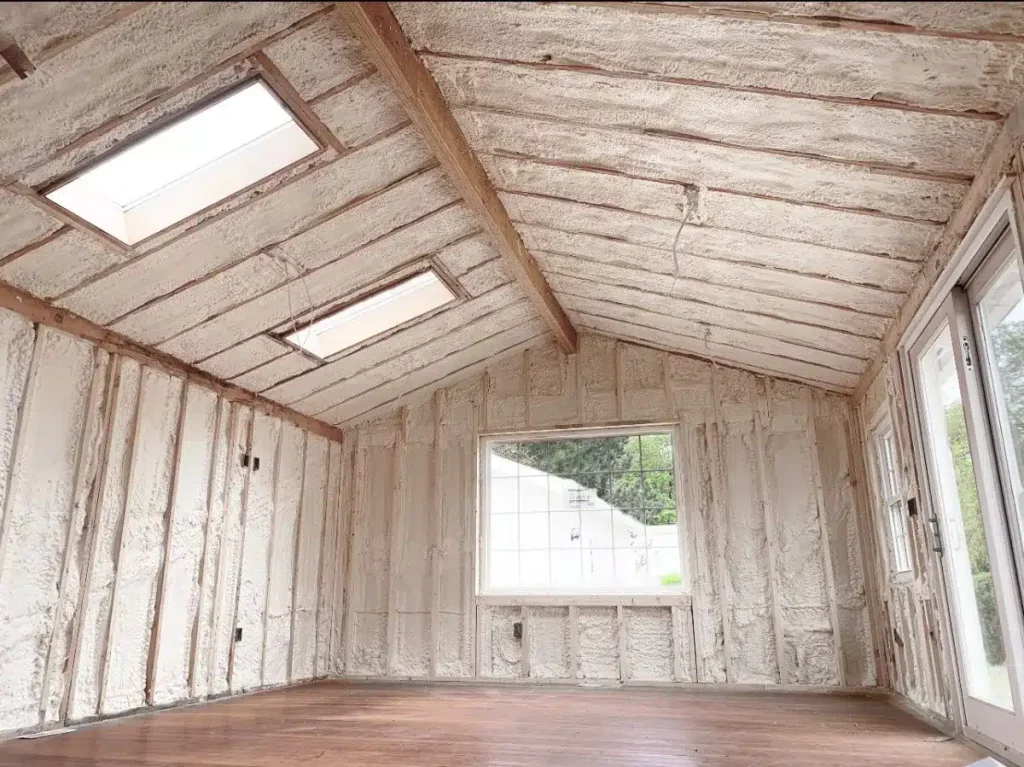
For those building from the ground up, we recommend a “flash and batt” or full spray foam approach. This allows you to integrate the thermal barrier before the drywall goes up, ensuring every structural gap is sealed. This is the best time to invest in high-performance materials because the labor cost is lower when walls are open.
Owners of Historic Seattle Homes
If you live in an older home with lath and plaster walls, “drill and fill” techniques using injection foam or dense-pack cellulose are ideal. These home insulation solutions allow us to improve efficiency without tearing down your beautiful historic interior finishes.
Multi-Family Property Managers
For townhomes or apartments, the focus should be on soundproof insulation between units. Using high-density materials reduces tenant complaints and increases the long-term value of the rental units.
Signs You’ve Found the Right Approach
You will know your insulation strategy is working when you notice these qualitative changes:
Consistent Temperatures: You no longer experience “hot spots” in the summer or “cold corners” in the winter.
Lower Energy Bills: You see a measurable decrease in your monthly heating and cooling costs regardless of the season.
Reduced Dust: A well-sealed home prevents outdoor pollutants and dust from infiltrating through the walls.
Quiet Interiors: Street noise becomes a distant hum rather than a constant distraction.
Transparency: A quality provider will use thermal imaging cameras to show you exactly where the insulation is working and confirm that no gaps remain.
Partner with the Seattle Insulation Experts
Cascadia Spray Foam Insulation of Seattle provides high-performance building envelope solutions tailored to the unique climate of the Pacific Northwest. Our team focuses on precision, longevity, and maximizing your home’s energy efficiency through advanced spray foam technology.
Contact us today to transform your home’s comfort and performance with a custom-engineered insulation plan.
FAQs
How long does modern spray foam wall insulation last?
Spray foam is designed to last the lifetime of the building without sagging or losing its R-value. It remains chemically stable and does not require replacement like traditional fiberglass.
Is spray foam insulation safe for indoor air quality?
Once cured, which typically takes 24 hours, spray foam is inert and does not off-gas. It actually improves air quality by blocking outdoor allergens and pollutants from entering through the walls.
Can I install modern wall insulation myself?
While small kits exist for minor patches, whole-home wall insulation installation requires specialized high-pressure equipment and protective gear. Professional installation ensures the material mixes correctly and adheres permanently.
Will soundproof insulation completely block all noise?
While no insulation can provide 100% silence, high-density home insulation solutions can reduce perceived noise by up to 70%. It is highly effective against traffic, wind, and voices.
Does better insulation help with summer cooling?
Yes, a strong thermal barrier works both ways by keeping expensive air conditioning inside and preventing the sun’s radiant heat from baking your interior rooms.
I’m Melissa Grant, owner of Cascadia Spray Foam Insulation, with over 10 years of hands-on spray foam experience. I focus on durable insulation solutions, improved comfort and energy efficiency, and excellent customer service.
Selecting the right commercial insulation for warehouses comes down to five considerations: thermal performance matched to your climate zone, air sealing, moisture and vapor control, code compliance, and installation quality.…
Residential insulation addresses heat transfer through attic assemblies by slowing all three ways heat moves: conduction through framing and drywall, convection through air leaks, and radiation from a hot roof…
Open-cell spray foam provides useful coverage across irregular areas wherever a cavity is too deep, too uneven, or too cluttered with framing, wiring, and pipes for batts or rigid boards…