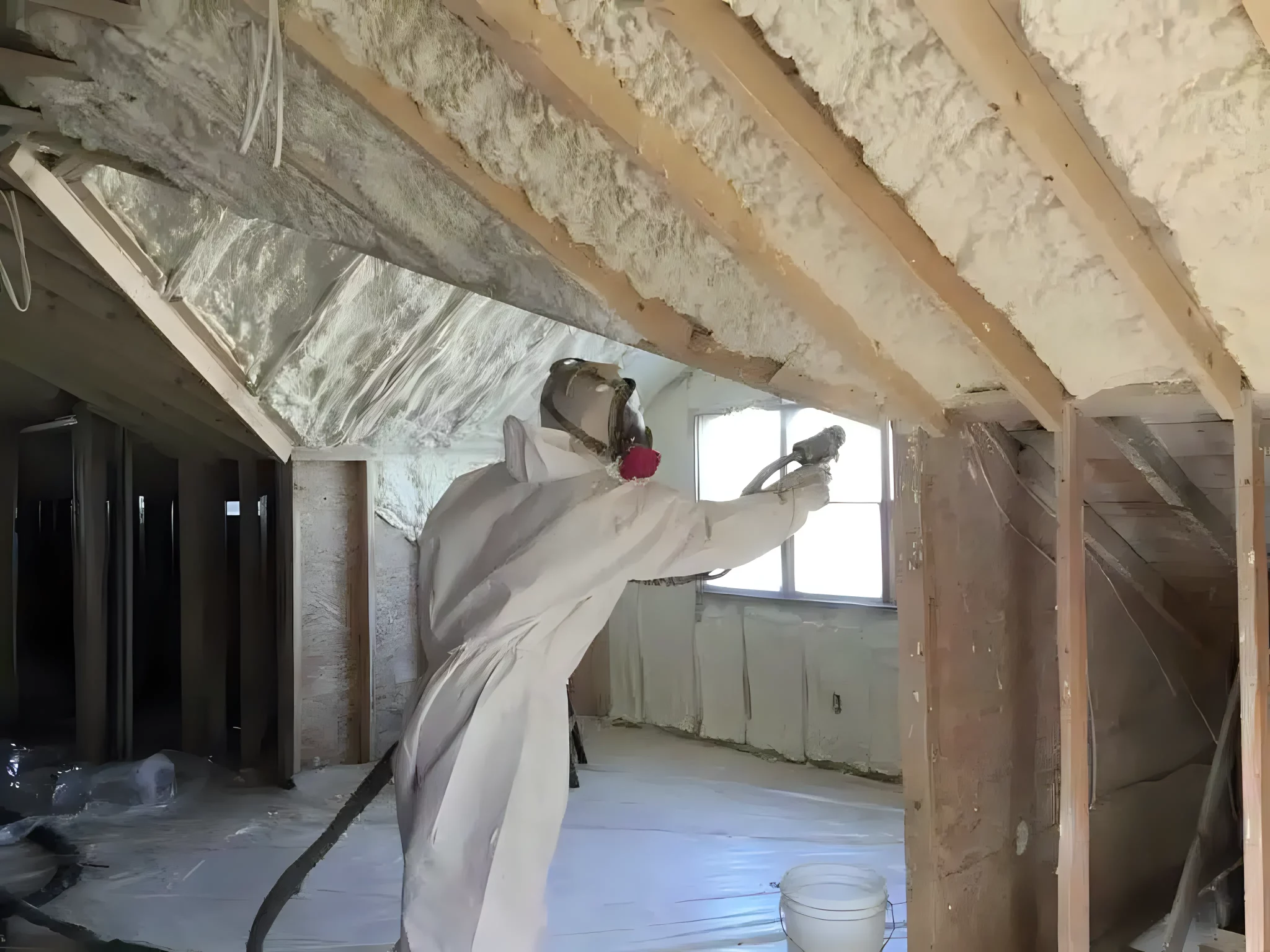
Signs Your Home Needs Attic Insulation Upgrades for Better Energy Savings in Mount Vernon, WA
Melissa Grant
July 15th, 2026
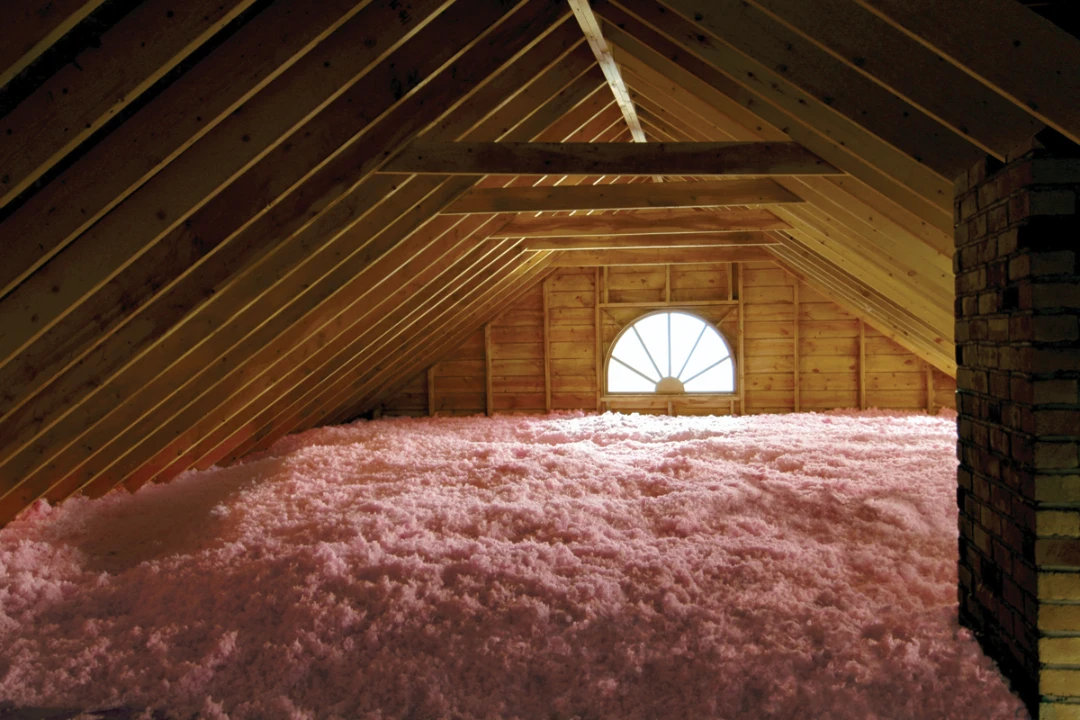
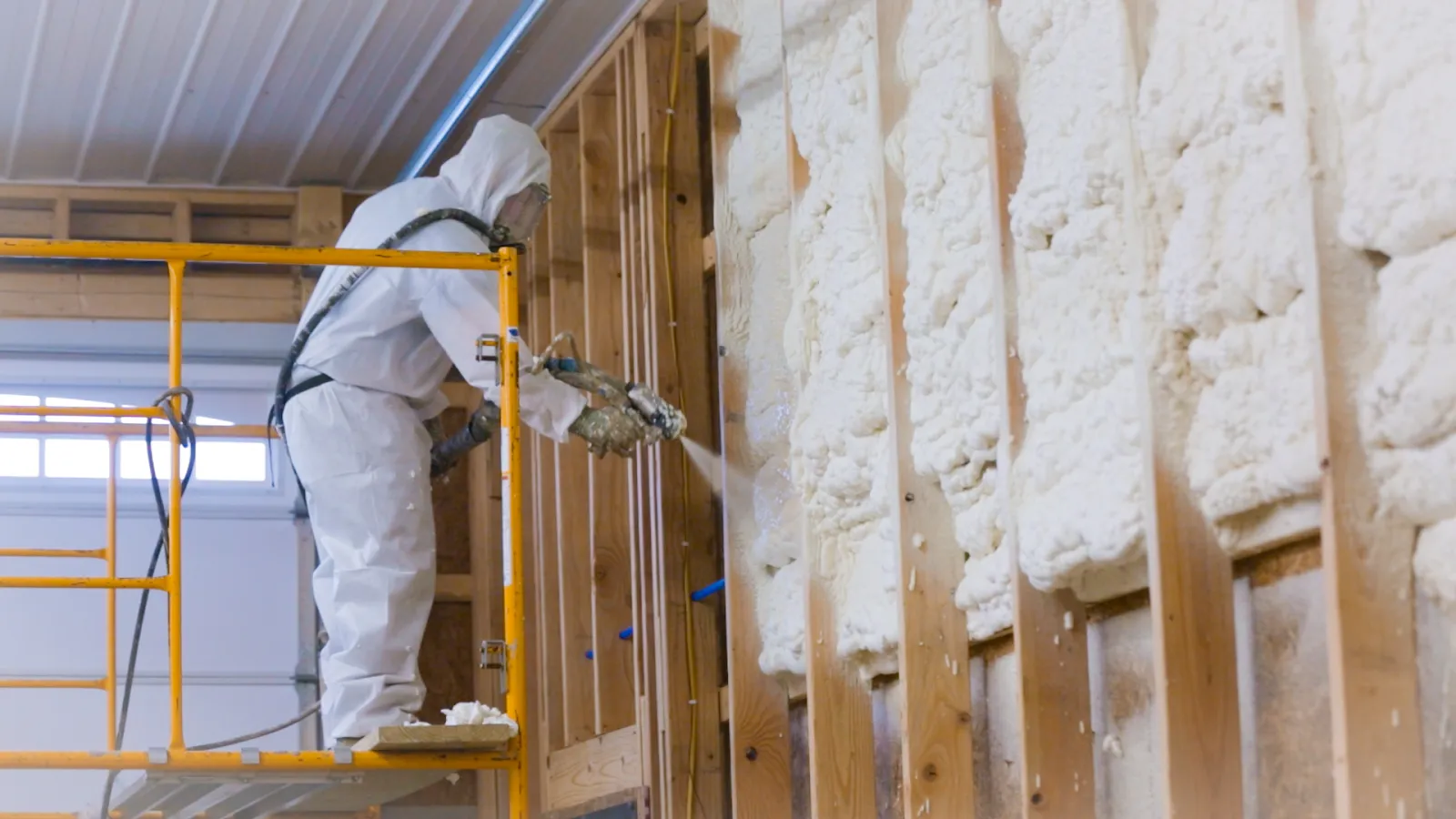
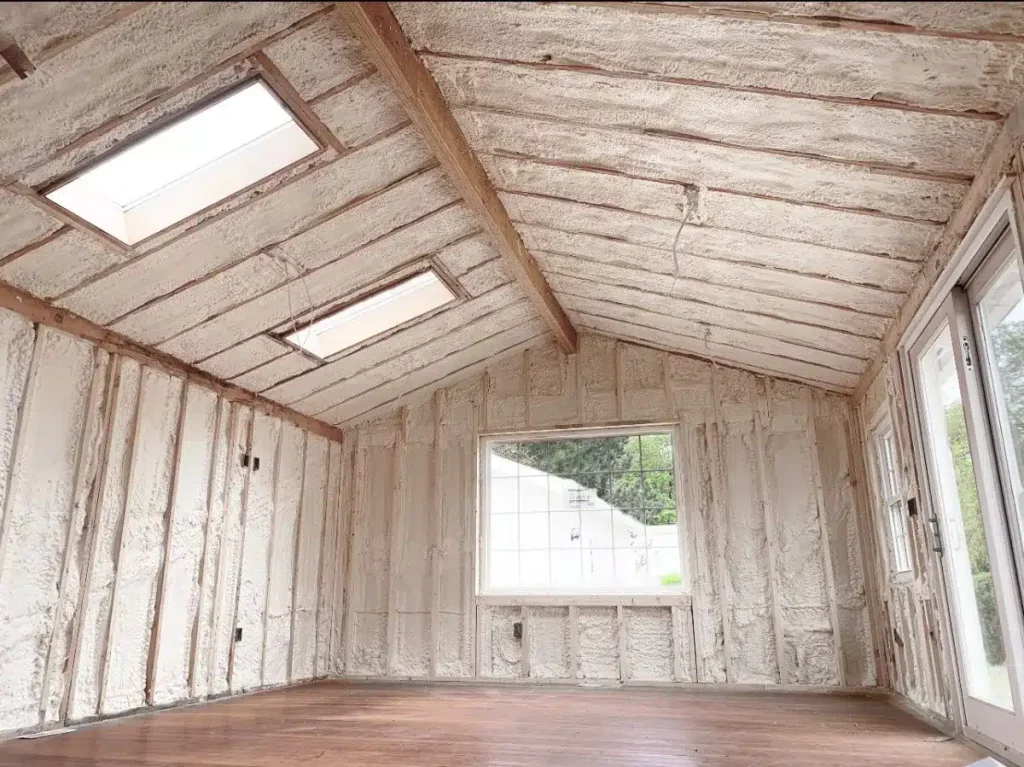
If you notice uneven room temperatures, rising utility bills, or persistent drafts, your home likely requires attic insulation. In the Pacific Northwest climate, attic insulation serves as a thermal barrier that prevents heat from escaping during damp winters and keeps interiors cool during the summer. Upgrading from degraded fiberglass or cellulose to modern spray foam provides a superior R-value and an airtight seal, offering a long-term solution that significantly reduces energy consumption. While the initial costs for professional atticinsulation upgrades are higher than those for basic DIY patches, the strategic placement of high-quality insulation results in lower monthly overhead and increased property value.
TL;DR
Immediate ROI: Professional attic insulation replacement can reduce annual heating and cooling costs by an average of 15%, according to industry data.
Climate Specificity: Mount Vernon’s high humidity requires moisture-resistant materials like closed-cell spray foam to prevent mold growth in attic spaces.
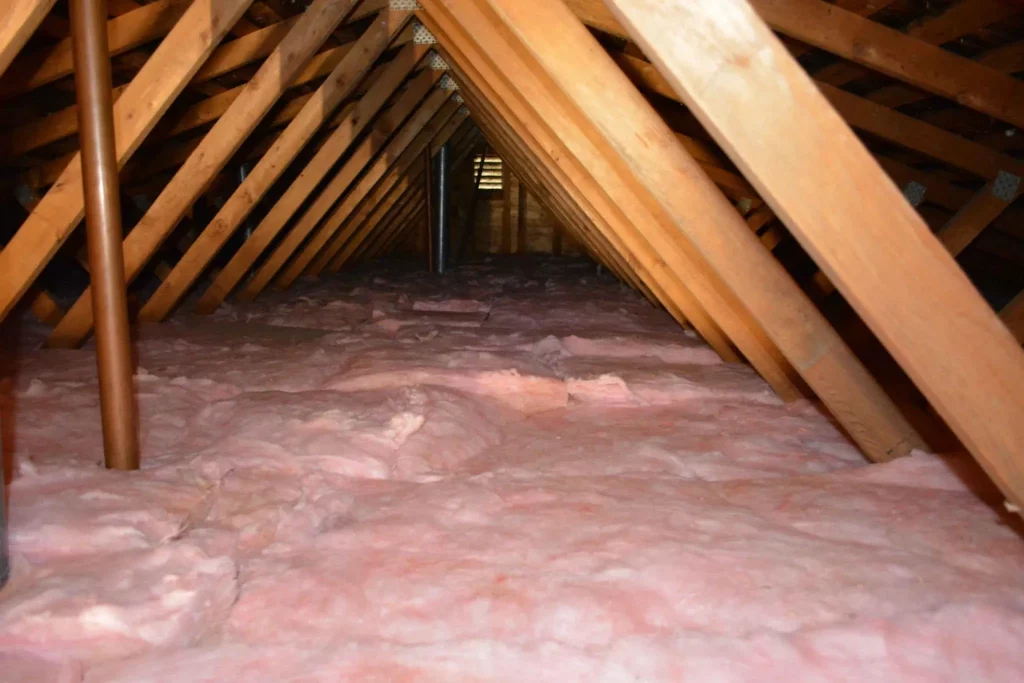
Performance Gap: Traditional batts often sag or gap over time, whereas spray foam maintains its structural integrity and R-value for decades.
Health and Safety: Proper attic sealing prevents outdoor allergens and pests from entering the living envelope through small structural gaps.
Strategic Timing: Upgrading insulation during the shoulder seasons (spring or fall) ensures your home is prepared for peak temperature extremes.
Identifying the Need for Attic Insulation Replacement
Recognizing when your insulation has failed is the first step toward achieving home energy efficiency. Many homeowners in Mount Vernon live in older properties where the original insulation has settled or been damaged by rodents. If you can see the floor joists in your attic, you almost certainly have insufficient coverage.
A common sign of failure is the “ice dam” effect during winter. When heat escapes through the attic, it melts snow on the roof, which then refreezes at the eaves, causing potential structural damage. According to the Department of Energy, heating and cooling account for the largest portion of energy use in a typical US home, making the attic the most critical area for thermal control.
Indicators of Poor Insulation Performance
Fluctuating Indoor Temperatures: If the upstairs is significantly warmer than the downstairs, your attic is failing to block solar heat gain.
High Energy Bills: A sudden or steady increase in heating costs often points to a thinning thermal barrier.
Drafty Rooms: Air bypasses around light fixtures and plumbing stacks indicate that your attic isn’t properly air-sealed.
Frequent HVAC Cycling: When your furnace or AC runs constantly without reaching the thermostat setting, it is working against a leaky attic.
Performance Comparison: Insulation Materials
When considering lower heating costs, the choice of material is the most significant factor affecting your results. In Mount Vernon, where dampness is a constant factor, the ability to resist moisture is just as important as thermal resistance.
Feature
Fiberglass Batts
Blown-In Cellulose
Spray Foam Insulation
R-Value per Inch
2.2 – 3.8
3.2 – 3.8
6.0 – 7.0 (Closed Cell)
Air Sealing
No
Minimal
Excellent / Permanent
Moisture Resistance
Low (can hold water)
Moderate (treated)
High (hydrophobic)
Lifespan
15–20 years
20–30 years
50+ years
Pest Resistance
Low (nesting material)
Moderate
High (not a food source)
Line Graph Suggestion: Create a chart showing the “R-value Degradation Over 20 Years” comparing Spray Foam (steady horizontal line) vs. Fiberglass (downward sloping line due to settling and moisture).
The Role of an Attic Insulation Contractor
Hiring an experienced attic insulation contractor ensures that the project goes beyond just “adding more stuffing.” Professional installation includes a comprehensive assessment of ventilation, existing moisture levels, and air leakage points. Many homeowners make the mistake of adding new insulation over wet or moldy old material, which traps rot against the wooden structure.
Our approach involves a thorough cleaning and removal of old debris before applying new, high-performance seals. As noted by the Environmental Protection Agency (EPA), air sealing and insulating the attic can save homeowners an average of 11% on total energy costs.
Critical Factors Influencing Your Upgrade Decision
Current Attic Condition: If there is evidence of mold or animal infestation, a full attic insulation replacement is mandatory for air quality.
Roof Geometry: Complex rooflines with many valleys and peaks are difficult to seal with batts but are easily handled by the expansive nature of spray foam.
Local Climate: Mount Vernon’s Zone 4C designation requires specific R-values (typically R-49 to R-60) to meet modern building codes.
Budget vs. Longevity: While cellulose is cheaper upfront, spray foam offers a lower total cost of ownership due to its extreme durability and superior sealing capabilities.
Real-World Scenarios in Mount Vernon, WA
The following table illustrates common situations we encounter and the recommended path for insulation upgrades.
Scenario
Property Type
Recommended Option
Estimated Benefit
Historic Home Restoration
1920s Craftsman
Full removal + Closed-cell foam
Stops drafts and stabilizes old framing.
Mid-Century Modern Update
1960s Ranch
Blown-in topping or foam seal
Immediate reduction in summer heat gain.
New Construction/Addition
Modern Residential
Hybrid foam and flash
Meets strict WA state energy codes.
Post-Leaky Roof Repair
Any Residential
Full extraction + New Spray Foam
Prevents mold recurrence and restores R-value.
Bar Chart Suggestion: A cost-benefit analysis showing “Annual Energy Savings in Dollars” across different Mount Vernon neighborhoods based on insulation type.
Is an Insulation Upgrade Right for You?
Who This Is For
Homeowners are experiencing high monthly utility bills during peak winter and summer.
Residents in Mount Vernon with homes older than 15 years that haven’t been re-insulated.
Families concerned about indoor air quality and the intrusion of allergens or pests.
Individuals planning to sell their home who want to increase the official energy rating.
Who This Is NOT For
Renters who do not have the authority to make structural changes to the property.
Homeowners with a brand-new roof and attic system that already meets R-60 standards.
Properties with active, unresolved roof leaks (leaks must be fixed before insulating).
Strategic Advantages of Spray Foam in the Pacific Northwest
The International Association of Certified Home Inspectors (InterNACHI) highlights that attic spaces are often the most neglected part of a home’s thermal envelope. In our region, the high humidity can cause traditional fiberglass to become heavy and compressed, losing its effectiveness. Spray foam acts as a dual-purpose solution: it provides world-class thermal resistance while simultaneously acting as a vapor barrier. This prevents the warm, moist air from your showers and kitchen from hitting the cold underside of your roof deck and condensing into water droplets.
Schedule Your Energy Assessment Today
Maximizing your home’s comfort and efficiency starts with a professional attic insulation evaluation in Mount Vernon, WA, of your current thermal barrier. Cascadia Spray Foam Insulation of Seattle provides expert analysis and high-performance installation services tailored to the unique climate of Mount Vernon. Our team ensures your attic is properly sealed and insulated to protect your investment for decades to come.
Contact us today to schedule an assessment and take the first step toward a more comfortable, energy-efficient home.
Our team is ready to help you lower your energy costs and improve your home’s air quality.
FAQs
How long does attic insulation replacement take?
Most residential projects in Mount Vernon are completed within one to two days, including the removal of old materials and the installation of new spray foam.
Can I install new insulation over my old fiberglass batts?
While possible, it is not recommended if the old insulation is damp, dirty, or compressed, as it can trap moisture and limit the effectiveness of the new layer.
Does spray foam insulation help with noise reduction?
Yes, the dense structure of closed-cell spray foam significantly reduces exterior noise from traffic, rain, and wind, creating a quieter indoor environment.
Are there tax credits for attic insulation upgrades in Washington?
Many homeowners qualify for federal tax credits under the Energy Efficient Home Improvement Credit, which can cover up to 30% of the material costs.
Is spray foam safe for my family and pets?
Once the foam has fully cured, typically within 24 hours, it is completely inert and does not off-gas, providing a safe and healthy environment for everyone.
I’m Melissa Grant, owner of Cascadia Spray Foam Insulation, with over 10 years of hands-on spray foam experience. I focus on durable insulation solutions, improved comfort and energy efficiency, and excellent customer service.
Selecting the right commercial insulation for warehouses comes down to five considerations: thermal performance matched to your climate zone, air sealing, moisture and vapor control, code compliance, and installation quality.…
Residential insulation addresses heat transfer through attic assemblies by slowing all three ways heat moves: conduction through framing and drywall, convection through air leaks, and radiation from a hot roof…
Open-cell spray foam provides useful coverage across irregular areas wherever a cavity is too deep, too uneven, or too cluttered with framing, wiring, and pipes for batts or rigid boards…