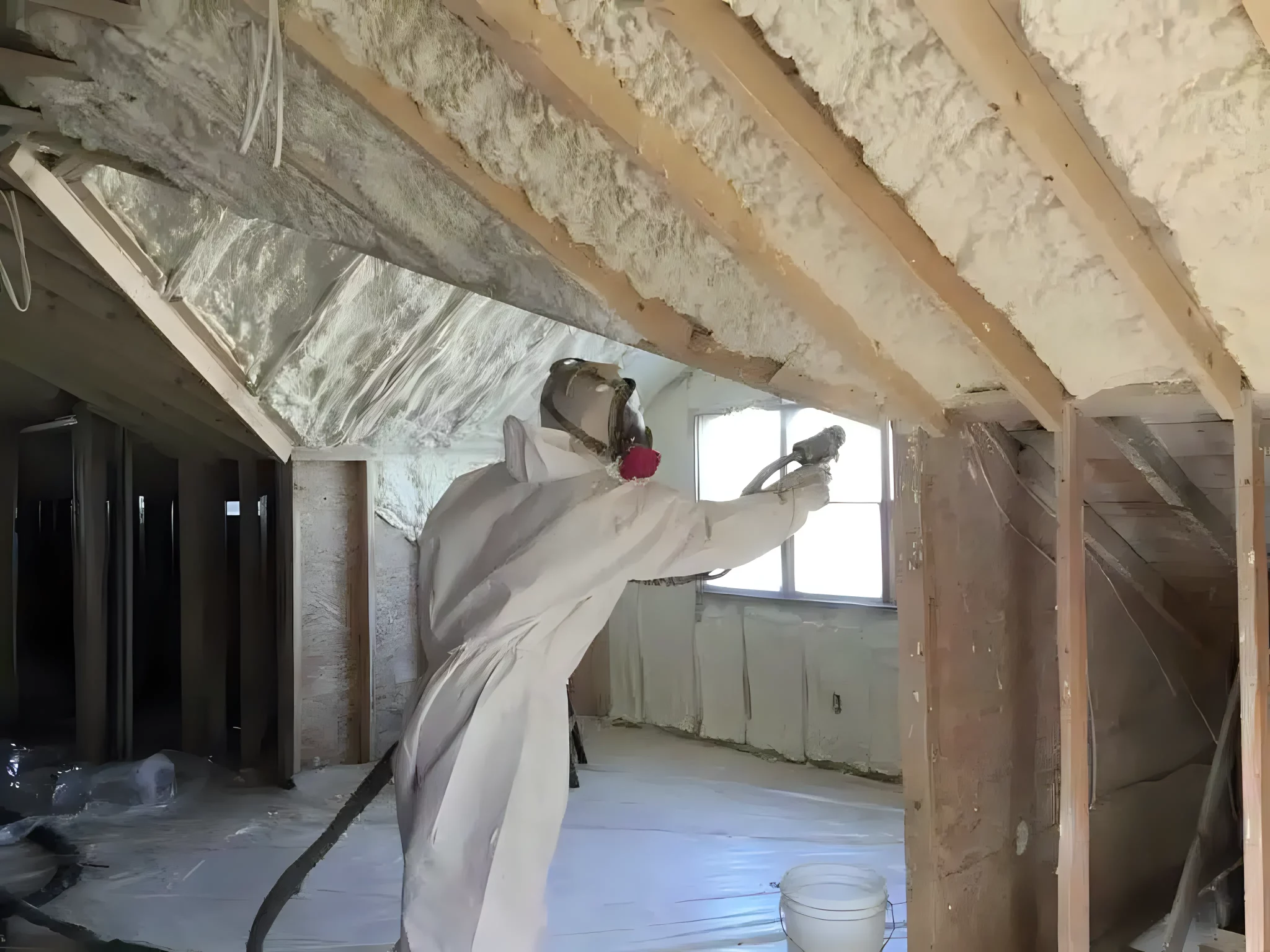
Why Attic Insulation is Needed to Balance Your Home Temperatures in Edmonds, WA
Melissa Grant
June 18th, 2026
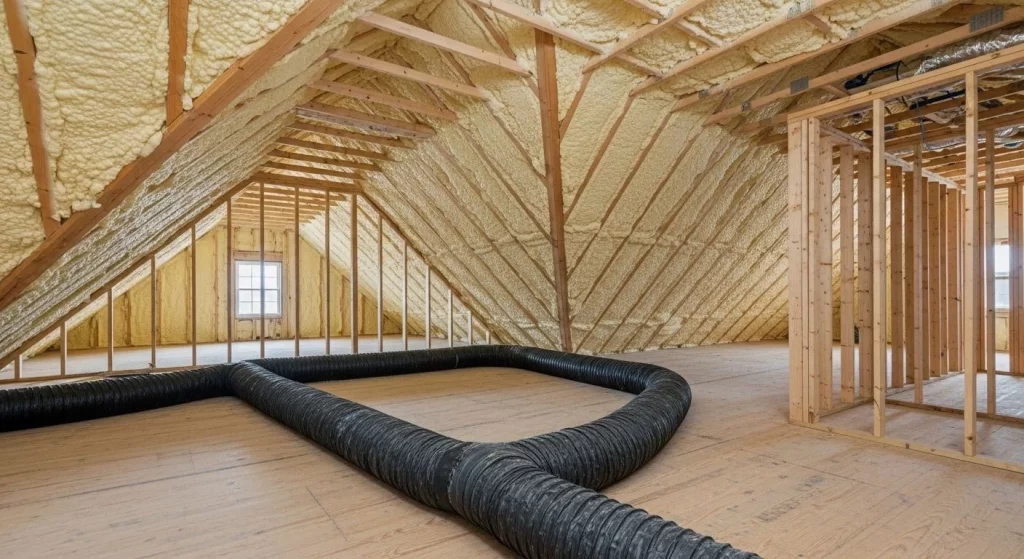
Attic insulation installation are one of the most effective ways to keep indoor temperatures consistent throughout your home, especially in a marine climate like Edmonds, Washington. Without proper insulation in the attic, heat escapes through your roof during cold winter months and enters through it during warm summer days, creating uneven temperatures between rooms and floors. The right insulation approach depends on your home’s age, construction type, current insulation levels, and how you use each floor of the house. Understanding why the attic matters most, how heat actually moves through your home, and what R-value targets apply to our local climate zone will help you make confident decisions about upgrading.
TL;DR
Heat flows from warmer areas to cooler areas through conduction, convection, and radiation. Without resistance, your home loses warmth in winter and gains heat in summer through the attic.
Edmonds sits in IECC Climate Zone 4C (Marine), which means attic insulation should target R-60 for uninsulated attics and R-49 for attics with existing insulation, according to the U.S. Department of Energy.
The EPA estimates homeowners can save an average of 15% on heating and cooling costs by air sealing and adding attic insulation.
Upgrading attic insulation reduces HVAC system strain, extends equipment lifespan, and eliminates the common problem of upstairs rooms being too hot or downstairs rooms being too cold.
R-value measures thermal resistance, meaning how well insulation slows conductive heat flow. The higher the number, the better the performance.
The Puget Sound region’s marine climate demands higher R-values in the floor (R-30) compared to other zone 4 areas due to moisture and temperature patterns.
How Heat Moves Through Your Home
To understand why attic insulation matters, it helps to know how heat transfer works inside a building. According to Wikipedia’s heat transfer overview, thermal energy moves through three primary mechanisms:
Conduction: Direct transfer through solid materials, like warm indoor air passing through drywall and framing into a cold attic space.
Convection: Circulation through air currents. Warm air rises naturally, pushing heated indoor air up into the attic where it escapes through vents and gaps.
Radiation: Heat traveling in a straight line from the sun or other warm surfaces, directly warming your roof and attic space in summer.
The U.S. Department of Energy explains that in winter, heat flows directly from all heated living spaces to adjacent unheated attics, garages, and the outdoors. In summer, that process reverses, with outdoor heat pushing inward through the roof. Your attic is the largest single surface area where this exchange happens, making it the most impactful place to add a thermal barrier.
Why the Attic Matters Most for Temperature Balance
Most homes in the Edmonds area were built with some attic insulation, but decades of settling, moisture damage, and building code changes mean that existing insulation often falls far below current recommendations. When attic insulation is inadequate, several problems become noticeable:
Upstairs rooms feel significantly warmer in summer because radiant heat from the roof transfers directly into upper-floor ceilings.
Downstairs rooms feel drafty and cold in winter because warm air escapes through the attic, pulling cold air in through lower-level windows and doors to replace it.
HVAC systems run longer cycles trying to compensate for temperature swings, which drives up energy bills and wears out equipment faster.
Adding proper attic insulation installation addresses all of these issues by creating a consistent thermal boundary between your living space and the outdoor environment. The result is more even temperatures floor to floor, shorter heating and cooling cycles, and less strain on your mechanical systems.
Edmonds Climate and Insulation Requirements
Edmonds, Washington falls within IECC Climate Zone 4C, the marine designation. This is confirmed by the DOE Building America climate region guide, which classifies Snohomish County as Marine Zone 4C based on its proximity to Puget Sound, moderate but wet winters, and dry summer seasons.
Marine climates present specific insulation challenges. The high humidity in winter means moisture management matters as much as thermal performance. If insulation absorbs moisture, its R-value drops and mold risk increases. Choosing the right insulation material and pairing it with proper air sealing is essential in Zone 4C.
Higher than other Zone 4 areas due to marine moisture
Wood-Frame Wall (Uninsulated)
R-20 + R5 CI
N/A
Requires cavity fill plus exterior continuous insulation
Wood-Frame Wall (Insulated)
Add R10 CI
N/A
Continuous insulation added during re-siding
Common Signs Your Attic Insulation Needs Attention
Not sure whether your current insulation is doing its job? These indicators are common for homes needing Home Insulation in Edmonds:
Visible ice dams along roof edges in winter, which form when indoor heat escapes through the attic and melts snow on the roof surface.
Rooms near the attic that are 5 to 10 degrees different from rooms on lower floors, even when the thermostat is set to one temperature.
High energy bills relative to similar-sized homes in your neighborhood, especially during winter heating months.
Insulation that is visibly compressed, discolored, or damp when you look in the attic. Settled fiberglass batts lose effectiveness over time, and moisture damage destroys R-value.
Drafts near ceiling fixtures, attic hatches, and recessed lighting, which indicate that air is leaking through gaps and bypassing whatever insulation exists.
Insulation Options and What Works in Marine Climates
The right insulation material depends on your attic configuration, budget, and whether you plan to use the attic as living space. Here is a comparison of common approaches for Zone 4C homes:
Insulation Type
How It Works
Best Application
Marine Climate Consideration
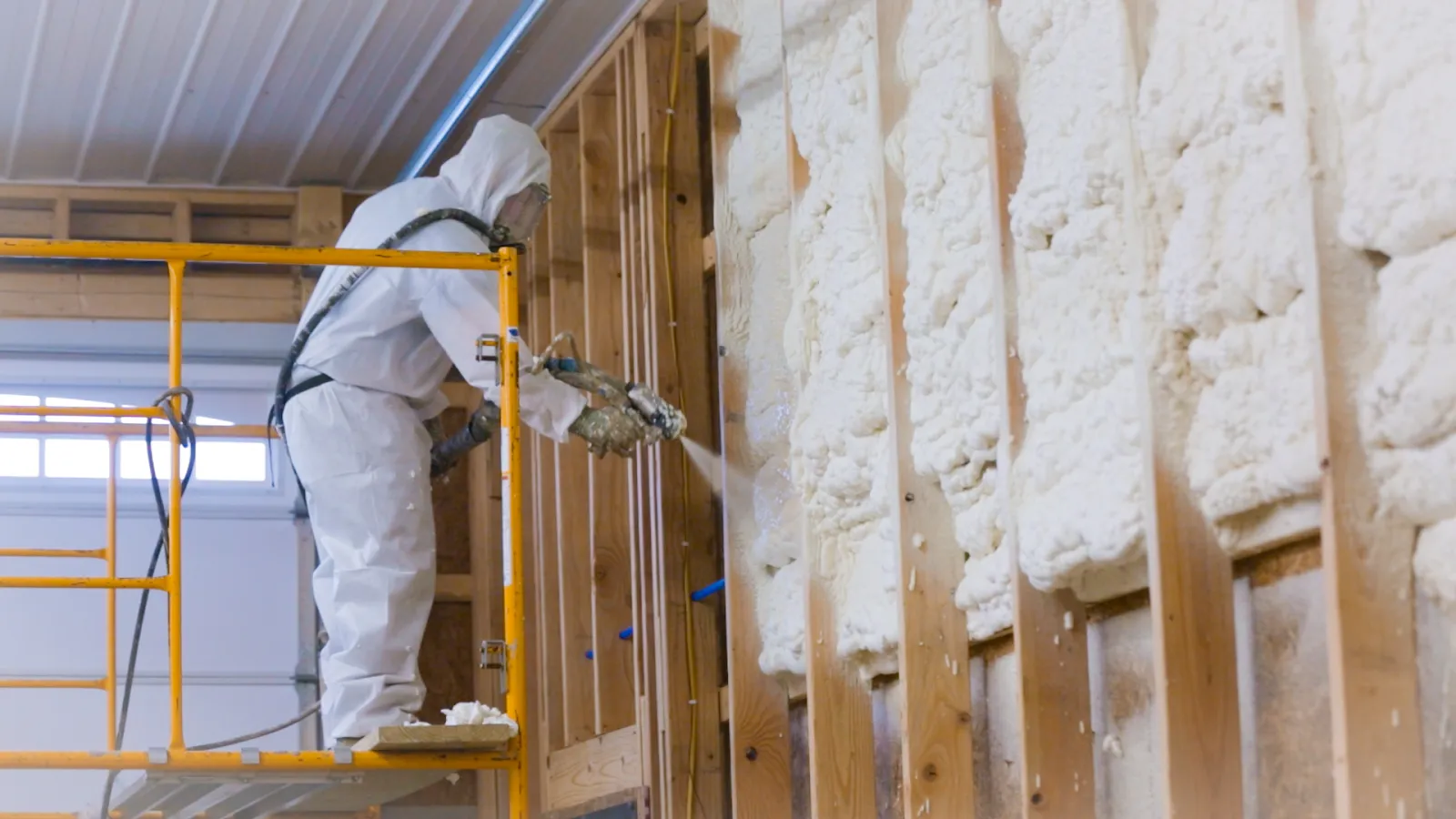
Spray Foam (Open Cell)
Expands to fill cavities and gaps, creates an air seal
Attic floors, rafters, irregular joist cavities
High R-value per inch, excellent air sealing, resists moisture
Spray Foam (Closed Cell)
Dense, rigid foam with higher R-value per inch
Rafters, cathedral ceilings, where space is limited
Very low moisture permeability, adds structural rigidity
Fiberglass Batts
Pre-cut panels fitted between joists
Standard attic floors with regular joist spacing
Can lose R-value if compressed or moist, requires careful installation
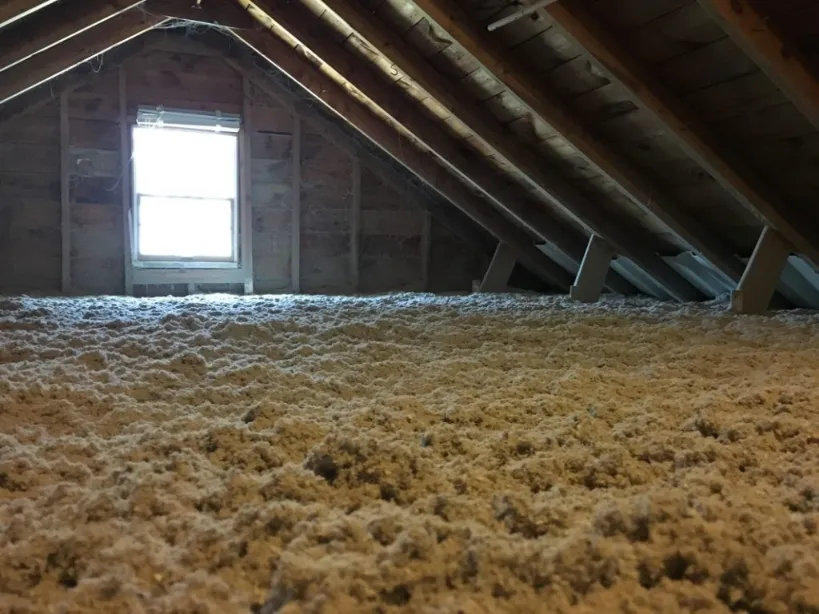
Blown-In Cellulose
Loose material blown over existing insulation
Top-up over old insulation, hard-to-reach areas
Treated for fire and pests, but can settle and absorb moisture in humid conditions
Rigid Foam Board
Dense panels cut to fit
Continuous insulation on attic rafters or walls
Good moisture resistance, used in combination with cavity insulation
Recommendations by Home Type
Different homes in the Edmonds area face different insulation challenges. Here is what we recommend based on common home types:
Older homes (pre-1980): These often have little more than a few inches of settled fiberglass batts in the attic floor. Air sealing around penetrations, followed by adding blown-in insulation or spray foam to reach R-60, typically produces the most noticeable improvement in comfort.
Mid-era homes (1980-2000): These may have R-19 to R-30 fiberglass, which is still below the R-60 target for an uninsulated attic. Adding a supplementary layer on top of existing insulation, combined with air sealing, brings performance up to current standards.
Newer homes (2000-present): Even recently built homes may only meet the minimum code requirements at the time of construction, which can be lower than current ENERGY STAR recommendations. An insulation assessment can determine whether an upgrade makes sense.
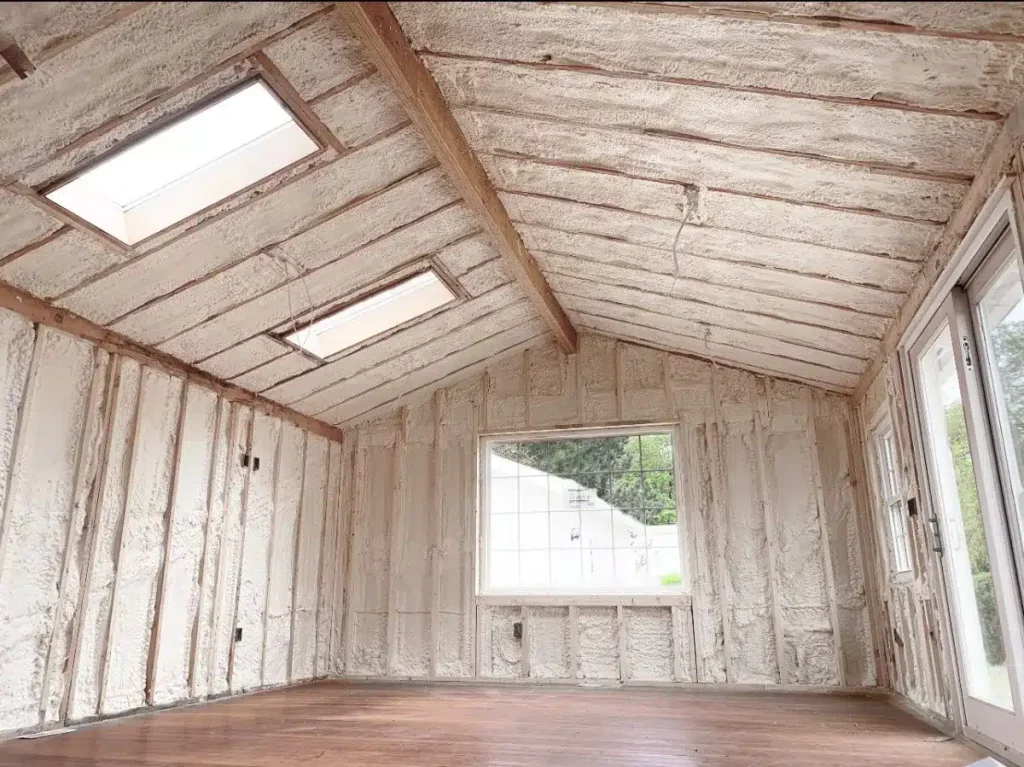
Homes with vaulted or cathedral ceilings: These require insulation at the rafters rather than the attic floor. Spray foam is typically the most effective choice because it insulates and seals in a single application.
Signs You Have Found the Right Insulation Contractor
Choosing who handles your attic insulation matters as much as the material itself. Look for these qualities:
A thorough inspection before quoting, including a physical look inside the attic, not just a guess from outside.
Clear explanation of R-value targets specific to Climate Zone 4C, rather than generic recommendations.
Air sealing included in the proposal, because insulation alone cannot stop air leakage through gaps, penetrations, and bypasses.
Transparent communication about material choices, including why one product is recommended over another for your specific attic conditions.
Warranty or guarantee on both materials and installation, with documentation you can reference later.
Get Your Free Attic Insulation Quote
Cascadia Spray Foam has been helping homeowners across the Edmonds area achieve consistent indoor comfort through professionally installed attic insulation. Our team evaluates your current insulation levels, identifies air leakage points, and recommends the right solution to meet Zone 4C standards for your specific home. Whether you need a full attic insulation installation, an upgrade over existing material, or spray foam for a vaulted ceiling, we handle every project with attention to detail.
Call us at (425) 386-3500 or email [email protected] to get started. Our staff is ready to answer your questions and help you plan the right approach for your home.
Frequently Asked Questions
How do I know if my attic has enough insulation?
Measure the depth of insulation across your attic floor. In Edmonds (Zone 4C), you need approximately 16 to 18 inches of fiberglass batt insulation or an equivalent R-60 value in other materials to meet current Department of Energy recommendations.
Can attic insulation help with summer cooling as well as winter heating?
Yes. Attic insulation blocks heat transfer in both directions, keeping summer heat from radiating through your roof into living spaces and preventing winter warmth from escaping upward.
How long does an attic insulation upgrade take?
Most standard attic insulation projects in the Edmonds area are completed within a single day, depending on attic size and accessibility. More complex jobs involving cathedral ceilings or significant air sealing may take longer.
Does adding insulation require removing old insulation first?
Not always. If existing insulation is dry, intact, and free of mold or pests, new insulation can often be installed on top. Damaged or contaminated insulation should be removed before adding new material.
Will attic insulation reduce my energy bills?
The EPA estimates that air sealing combined with adding insulation in attics, crawl spaces, and basements can save homeowners an average of 15% on heating and cooling costs, according to ENERGY STAR data.
Sources
U.S. Department of Energy – Insulation – Comprehensive guide to how insulation works, R-value recommendations by climate zone, and the relationship between heat flow mechanisms and building performance.
ENERGY STAR – Rule Your Attic – EPA-backed campaign explaining the savings and comfort benefits of attic insulation, including the 15% heating and cooling cost savings estimate.
Wikipedia – Heat Transfer – Scientific reference covering conduction, convection, and radiation mechanisms that govern how thermal energy moves through buildings and materials.
I’m Melissa Grant, owner of Cascadia Spray Foam Insulation, with over 10 years of hands-on spray foam experience. I focus on durable insulation solutions, improved comfort and energy efficiency, and excellent customer service.
Selecting the right commercial insulation for warehouses comes down to five considerations: thermal performance matched to your climate zone, air sealing, moisture and vapor control, code compliance, and installation quality.…
Residential insulation addresses heat transfer through attic assemblies by slowing all three ways heat moves: conduction through framing and drywall, convection through air leaks, and radiation from a hot roof…
Open-cell spray foam provides useful coverage across irregular areas wherever a cavity is too deep, too uneven, or too cluttered with framing, wiring, and pipes for batts or rigid boards…