How Attic Insulation Protects Your Roof Deck From Rotting Away in Olympia, WA?
Melissa Grant
June 18th, 2026
Attic insulation protects your roof deck from rot by controlling the temperature differential between your heated living space and the cold roof surfaces above, stopping warm, moisture-laden air from reaching the underside of the roof sheathing where it condenses and feeds wood decay. In Olympia, WA, where the marine climate delivers cool, wet winters and high ambient humidity for much of the year, this protection matters more than most homeowners realize. Without proper insulation and air sealing, the plywood or OSB that forms your roof deck absorbs repeated cycles of condensation, leading to mold growth, fungal rot, and structural weakening that can go unnoticed for years. The right insulation strategy depends on whether your home uses a ventilated or unvented attic assembly, which insulation material you select, and how effectively air leaks are sealed at the ceiling plane.
TL;DR
Olympia sits in IECC Climate Zone 4C, a marine climate with prolonged cool, damp conditions that make roof deck condensation a persistent threat to untreated attics
Condensation forms when warm indoor air leaks through ceiling penetrations and contacts cold roof sheathing, depositing moisture that feeds fungal decay in plywood and OSB
Spray foam insulation applied to the underside of the roof deck keeps sheathing surfaces warm enough to stay above the dewpoint, eliminating condensation at the source
The Building America Solution Center confirms that spray foam-insulated roofs can dry out sufficiently even when minor rainwater leaks occur, provided wood moisture content stays below 18%
ENERGY STAR estimates that air sealing combined with attic insulation saves an average of 15% on heating and cooling costs, while also reducing the moisture load reaching the attic
A continuous air barrier at the ceiling plane is the single most effective step you can take to prevent moist air from reaching the roof deck
In Climate Zone 4C, the 2018 IRC requires specific R-value ratios of air-impermeable insulation to total insulation to control condensation in unvented assemblies
Maintaining indoor relative humidity between 30% and 50% during the heating season reduces the dewpoint and limits how much moisture can condense in the attic
Why Olympia Homes Face Elevated Roof Deck Rot Risk
Olympia’s climate falls within the Pacific Northwest marine zone, classified as IECC Climate Zone 4C. This zone is characterized by cool winters, moderate summers, and consistently high outdoor humidity. During the heating season, the temperature difference between a heated home interior (often 68 to 72 degrees Fahrenheit) and the cold air above the roof deck can be significant. When warm, humid indoor air from cooking, showering, and breathing rises through gaps in the ceiling and reaches the cold roof sheathing, proper attic insulation help reduce the risk of condensation forming on the underside of the plywood or OSB.
According to research from the Building America Solution Center at PNNL, repeated episodes or long periods of condensation can cause mold growth, rot, swelling, and delamination of wood products used as roof sheathing. The moisture problems compound over time, and because the attic is rarely inspected, damage often goes undetected until it becomes severe enough to cause visible leaks or structural sagging.
How Condensation Destroys Your Roof Deck
The process works in a predictable cycle:
Warm air carries moisture upward. Interior air at 70 degrees Fahrenheit and 40% relative humidity holds significant water vapor.
Air leaks through ceiling penetrations. Recessed lights, duct runs, plumbing stacks, attic hatches, and electrical wiring all create pathways.
Moisture condenses on cold surfaces. Roof sheathing in a vented attic during winter can drop well below the dewpoint of the interior air.
Wood absorbs the moisture. Plywood and OSB are hygroscopic, meaning they readily absorb and release water. When moisture content exceeds roughly 20% for extended periods, fungal decay begins.
Rot progresses silently. Softening, darkening, and delamination of the sheathing occur before any exterior signs appear.
The Building America Solution Center notes that materials like OSB are more susceptible to moisture damage than solid wood or plywood, and recommends using materials with safe moisture storage capacity wherever possible. In Olympia’s climate, where the roof deck can remain cold for five or more months per year, the opportunity for condensation is extensive.
Two Approaches: Vented vs. Unvented Attic Assemblies
The way insulation is installed determines which attic assembly type you have, and each one protects the roof deck differently.
Vented Attics (Insulation at the Ceiling Plane)
In a traditional vented attic, insulation sits on the attic floor, and continuous ridge and soffit vents allow outside air to flow across the underside of the roof deck. This airflow keeps the roof deck cold, which helps prevent ice dams, but it also means the sheathing temperature frequently drops below the dewpoint of any moist air that leaks from below.
How it protects the roof deck: The ventilated attic protects the roof deck primarily through drying, not prevention. The airflow across the back of the sheathing helps evaporate and carry away any condensation that forms. For this to work, insulation baffles must maintain at least 2 inches of clearance between the roof deck and the top of insulation at the soffits, and the vent area must meet or exceed code requirements.
Limitations: If air sealing at the ceiling plane is incomplete, the volume of warm, moist air reaching the attic can overwhelm the ventilation’s drying capacity, especially during Olympia’s damp winter months.
Unvented Conditioned Attics (Insulation at the Roof Line)
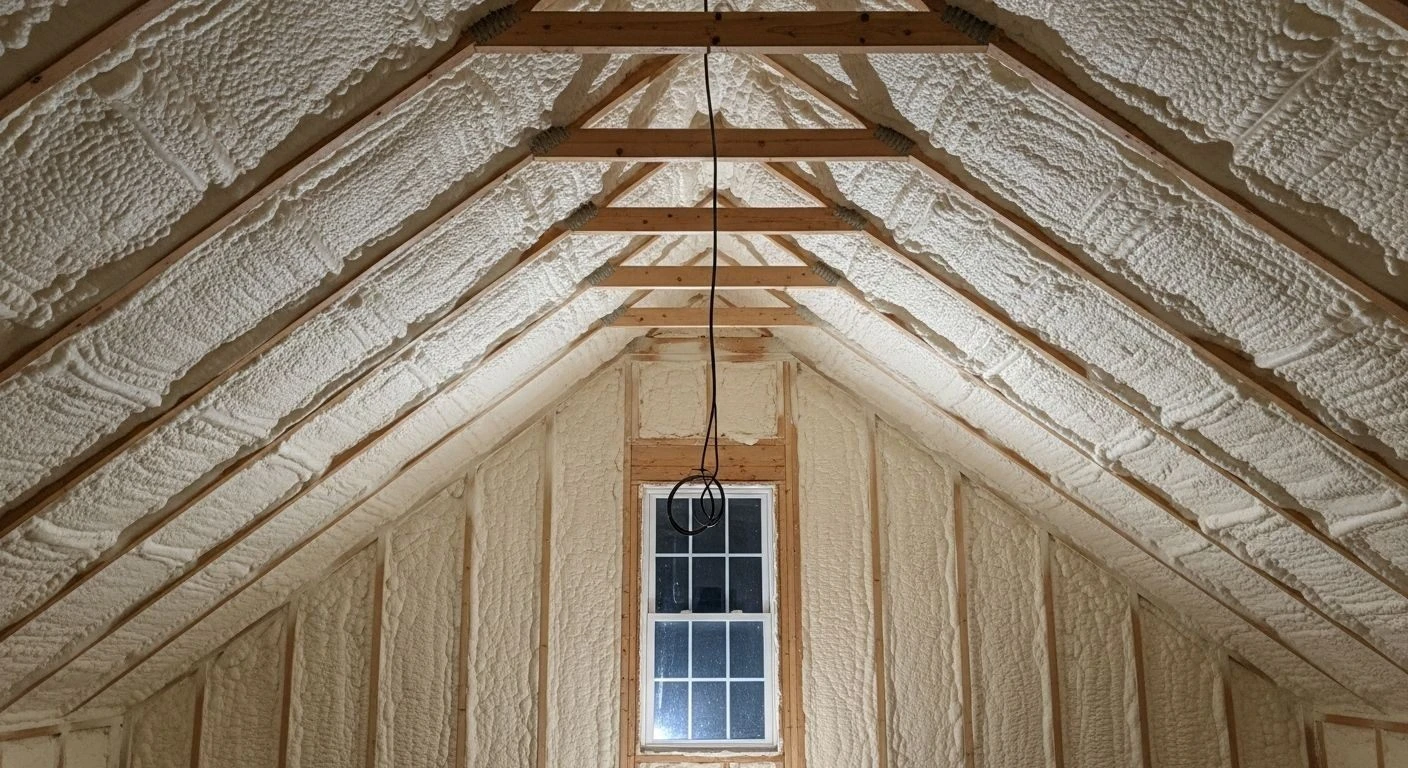
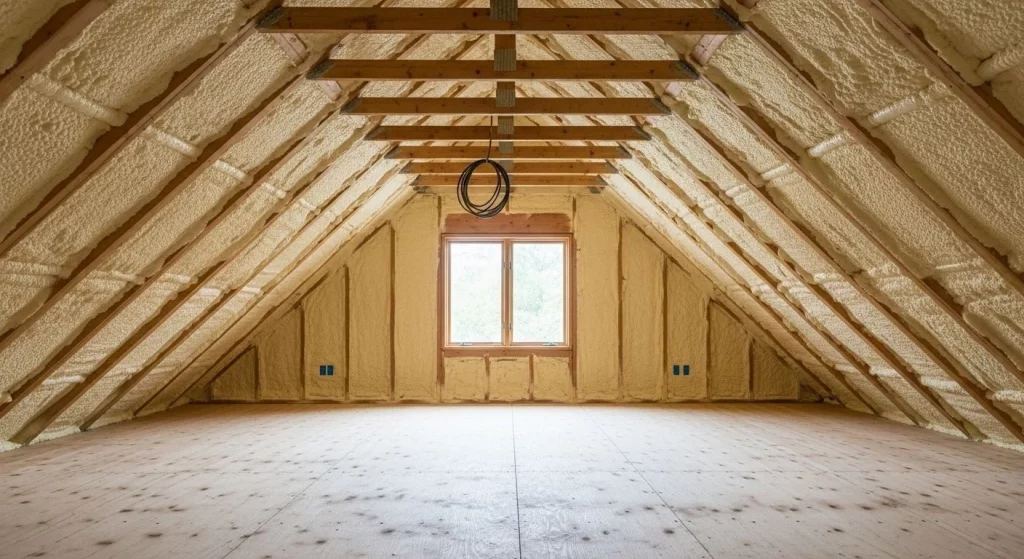
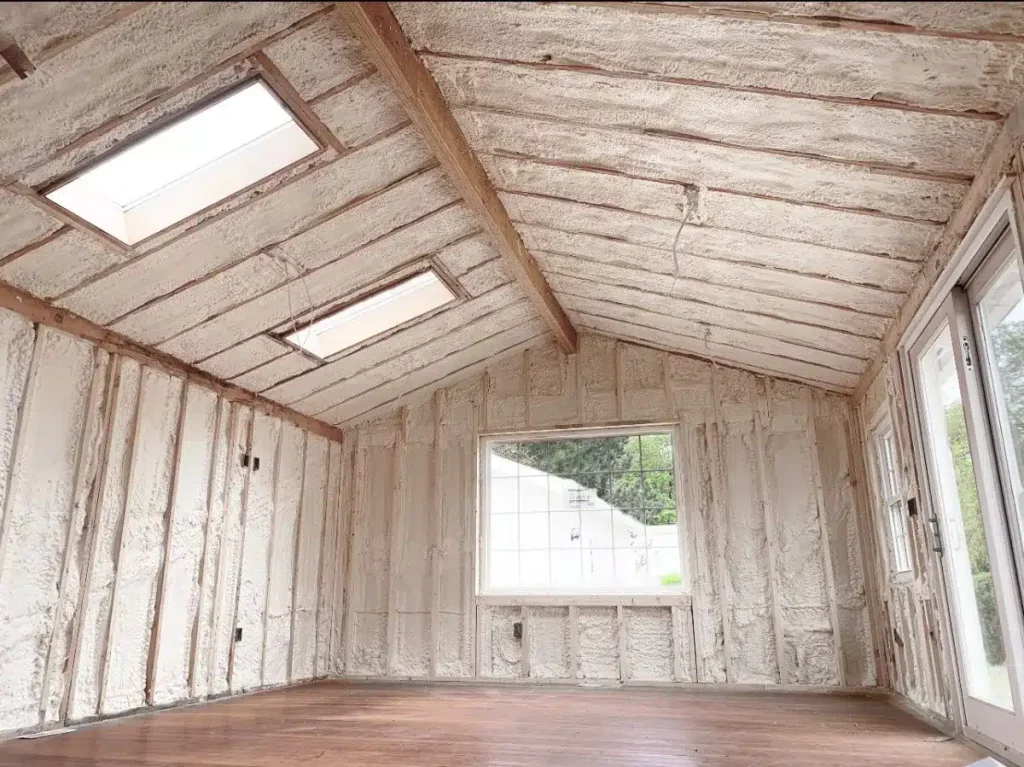
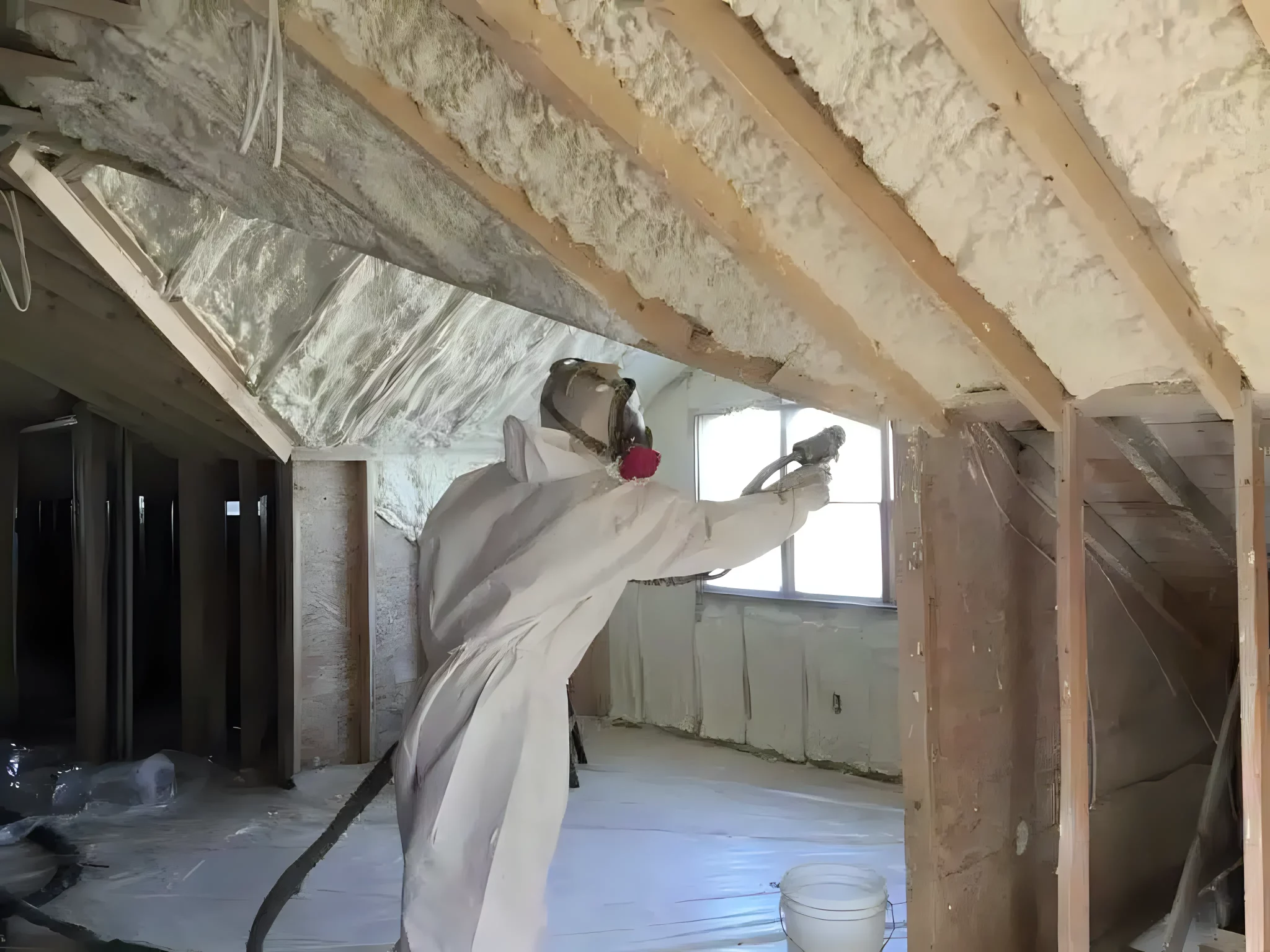
In an unvented attic, spray foam insulation is applied directly to the underside of the roof deck, moving the thermal and air control layers to the roof line. This keeps the roof sheathing warm and within the conditioned space, which prevents condensation from forming in the first place.
How it protects the roof deck: Spray foam applied to the underside of the roof deck warms the interior face of the sheathing, keeping it above the dewpoint of the interior air. It also creates a continuous air barrier that stops moist indoor air from reaching the sheathing at all. The Building America Solution Center confirms that DOE-sponsored hygrothermal modeling showed spray foam-insulated roofs can dry out sufficiently even when exposed to minor rainfall infiltration, as long as wood moisture content starts below 18%.
Factor
Vented Attic
Unvented Conditioned Attic
Insulation Location
Attic floor / ceiling plane
Underside of roof deck
Condensation Control
Relies on ventilation to dry moisture that forms
Prevents condensation by keeping sheathing warm
Air Barrier Location
Ceiling plane (many penetrations to seal)
Roof line (fewer pathways for air to reach sheathing)
Drying Strategy
Back-ventilation from soffit to ridge
Drying to interior through diffusion or mechanical systems
Complex roofs, HVAC in attic, maximum moisture protection
Climate Zone 4C Notes
Requires thorough air sealing and adequate ventilation
Must meet IRC R-value ratios for condensation control
The Role of Air Sealing in Roof Deck Protection
No insulation strategy works without a continuous air barrier. The ENERGY STAR Seal and Insulate program reports that 9 out of 10 American homes are under-insulated, and the combined air leaks in a typical home are equivalent to leaving a window open year-round. In Olympia, those leaks send warm, moist air directly into the attic every time the furnace runs.
Common ceiling-plane air leak locations include:
Recessed can lights (especially non-IC-rated fixtures)
Attic hatches and pull-down stairs
Plumbing vent stacks and electrical wire runs
Duct penetrations where HVAC runs pass through the ceiling
Dropped soffits above kitchen cabinets and bath areas
Top plates of interior partition walls
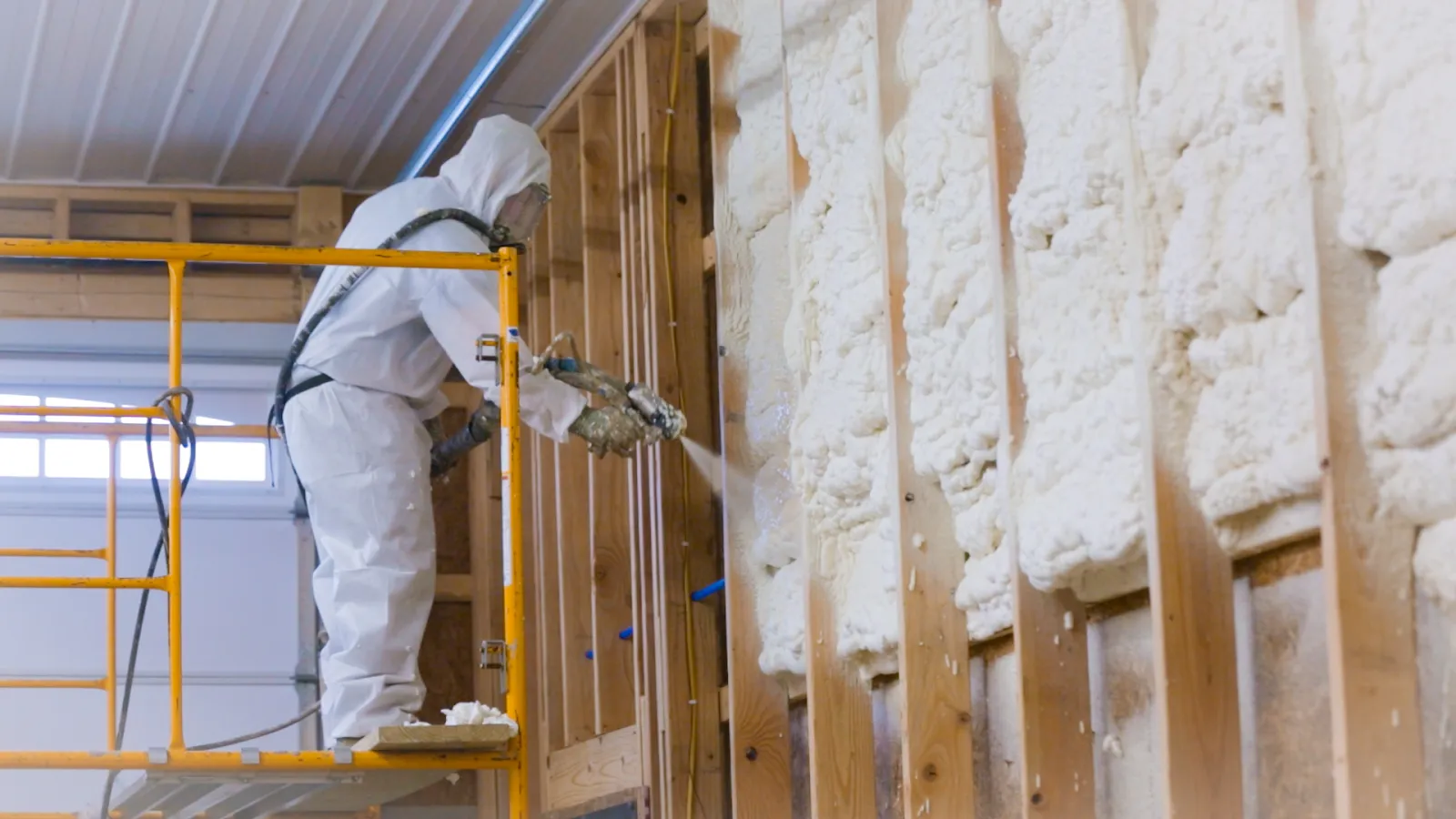
Spray foam insulation excels here because it expands to fill and seal irregular gaps in a single application, creating both the thermal barrier and the air barrier at the same time.
Why Spray Foam Works Best for Olympia’s Climate
Olympia homeowners face a combination of challenges: cool temperatures, high ambient humidity, and older housing stock with numerous air leak pathways. Spray foam insulation addresses all of these simultaneously.
Closed-cell spray foam provides both the thermal control layer and the vapor control layer. In Climate Zone 4C, the 2018 IRC requires that air-impermeable insulation meet specific R-value thresholds to prevent condensation in unvented attic assemblies. Closed-cell spray foam, with its low vapor permeance, serves this function effectively.
Open-cell spray foam is vapor-permeable and cannot act as a vapor retarder on its own. In cooler climate zones, it requires a Class II vapor retarder coating to meet code requirements. Both types create the continuous air barrier needed to stop warm indoor air from reaching the cold roof sheathing.
The Building America Solution Center’s code compliance brief on unvented attics emphasizes that a means of moisture removal is always necessary in an unvented attic, whether through balanced ventilation with heat recovery, mechanical dehumidification, or conditioned air supply from the home’s HVAC system.
Signs Your Roof Deck May Already Have Moisture Damage
Dark stains or water marks visible on the underside of the roof sheathing
Soft, spongy, or punky areas when the sheathing is pressed
Mold growth on rafters, trusses, or the sheathing surface
A musty or damp smell coming from the attic
Damp or compressed insulation on the attic floor
Frost accumulation on nails or roof hardware during cold weather (a sign that condensation is actively occurring)
What to Expect from a Professional Attic Assessment
When you hire an experienced insulation contractor, a thorough assessment for residential attic insulation in Olympia should include moisture testing of the existing roof deck using a pin moisture meter, identification of all air leakage pathways at the ceiling plane, evaluation of current ventilation adequacy, and a clear recommendation for either a vented or unvented assembly based on your home’s specific geometry and HVAC configuration. The assessment should also verify that any existing roof system is intact and free of active leaks before insulation is applied.
A qualified installer will measure the moisture content of the wood framing and sheathing before applying spray foam to ensure it has dried below 19%, as recommended by building science research. They will also clean all surfaces to ensure proper adhesion and inspect the foam installation to confirm consistent depth with no gaps or voids.
Get Your Free Attic Assessment from Cascadia Spray Foam
Protecting your roof deck from rot starts with understanding exactly what is happening above your ceiling. Our team at Cascadia Spray Foam has extensive experience evaluating and insulating attics throughout the Olympia area, and we take a building science-driven approach to every project we assess. Whether your home needs air sealing at the ceiling plane, spray foam at the roof deck, or a complete unvented attic conversion, we will recommend the solution that fits your home’s specific needs.
Request a quote today by calling us at (425) 386-3500 or emailing [email protected]. You can also schedule a thorough attic inspection to identify moisture risks before they turn into costly structural damage.
Frequently Asked Questions
Can attic insulation really prevent my roof deck from rotting?
Yes. Proper insulation paired with air sealing prevents condensation from forming on the underside of the roof sheathing, which is the primary driver of wood rot in attics. Without that moisture source, fungal decay cannot take hold.
Is spray foam better than fiberglass for protecting the roof deck in Olympia?
Spray foam provides both an air barrier and thermal barrier in one application, making it more effective at stopping the warm, moist air that causes condensation. Fiberglass can insulate but does not seal air leaks on its own.
What happens if my roof deck already has some rot?
The affected sheathing needs to be replaced before insulation is installed. Applying spray foam over wood with moisture content above 19% traps moisture and can accelerate decay. A professional assessment will identify any areas that need repair first.
Do I still need attic ventilation if I have spray foam on the roof deck?
In an unvented conditioned attic with spray foam, traditional soffit and ridge vents are blocked and are not needed. However, a means of moisture control, such as balanced ventilation, dehumidification, or conditioned air supply, is still required by code.
How long does spray foam attic insulation last?
Spray foam insulation, when properly installed, is a permanent building material that does not settle, sag, or degrade over time. It continues to provide both thermal protection and air sealing for the life of the home.
ENERGY STAR – Seal and Insulate – EPA program documenting that 9 out of 10 US homes are under-insulated and providing energy savings data for combined air sealing and insulation projects.
I’m Melissa Grant, owner of Cascadia Spray Foam Insulation, with over 10 years of hands-on spray foam experience. I focus on durable insulation solutions, improved comfort and energy efficiency, and excellent customer service.
Selecting the right commercial insulation for warehouses comes down to five considerations: thermal performance matched to your climate zone, air sealing, moisture and vapor control, code compliance, and installation quality.…
Residential insulation addresses heat transfer through attic assemblies by slowing all three ways heat moves: conduction through framing and drywall, convection through air leaks, and radiation from a hot roof…
Open-cell spray foam provides useful coverage across irregular areas wherever a cavity is too deep, too uneven, or too cluttered with framing, wiring, and pipes for batts or rigid boards…