Why is Proper Attic Insulation Essential for Year-Round Temperature Control in 2026?
Melissa Grant
July 15th, 2026
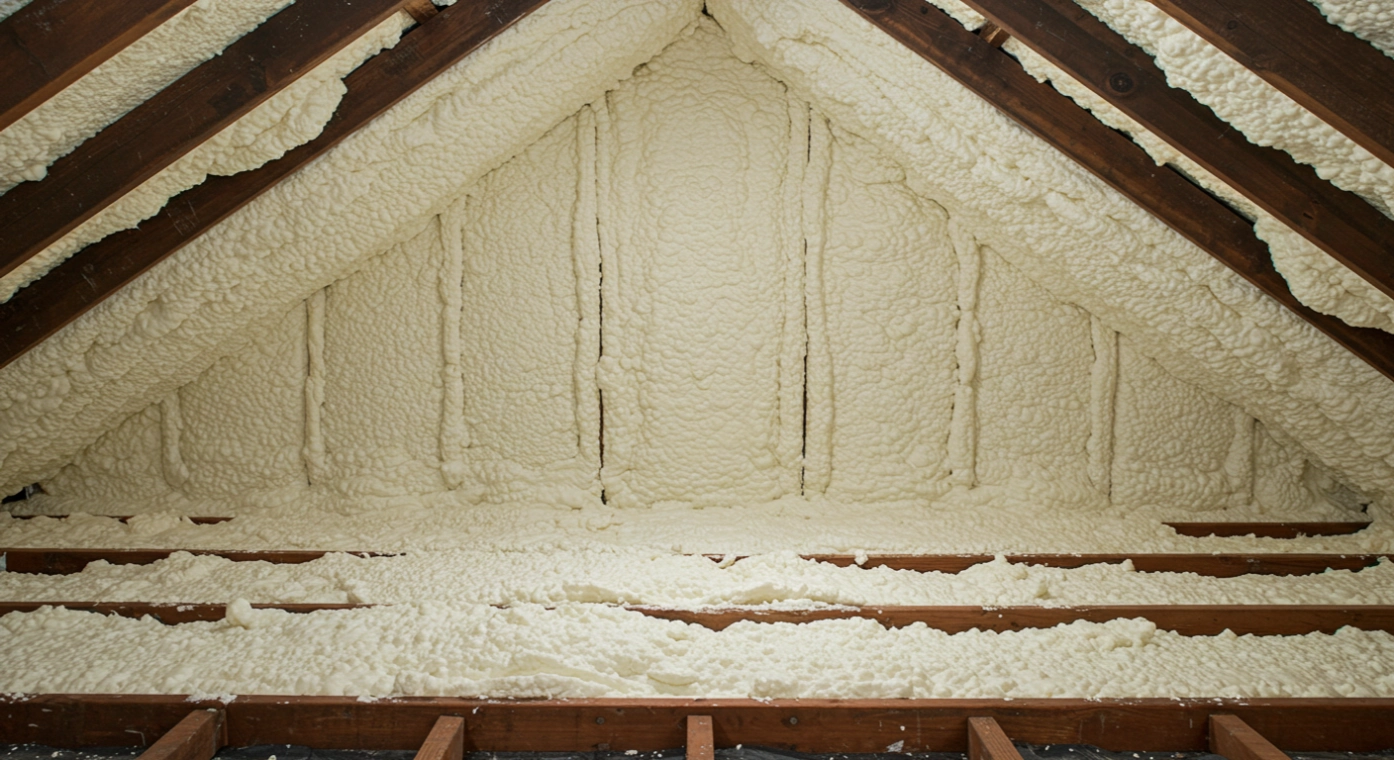
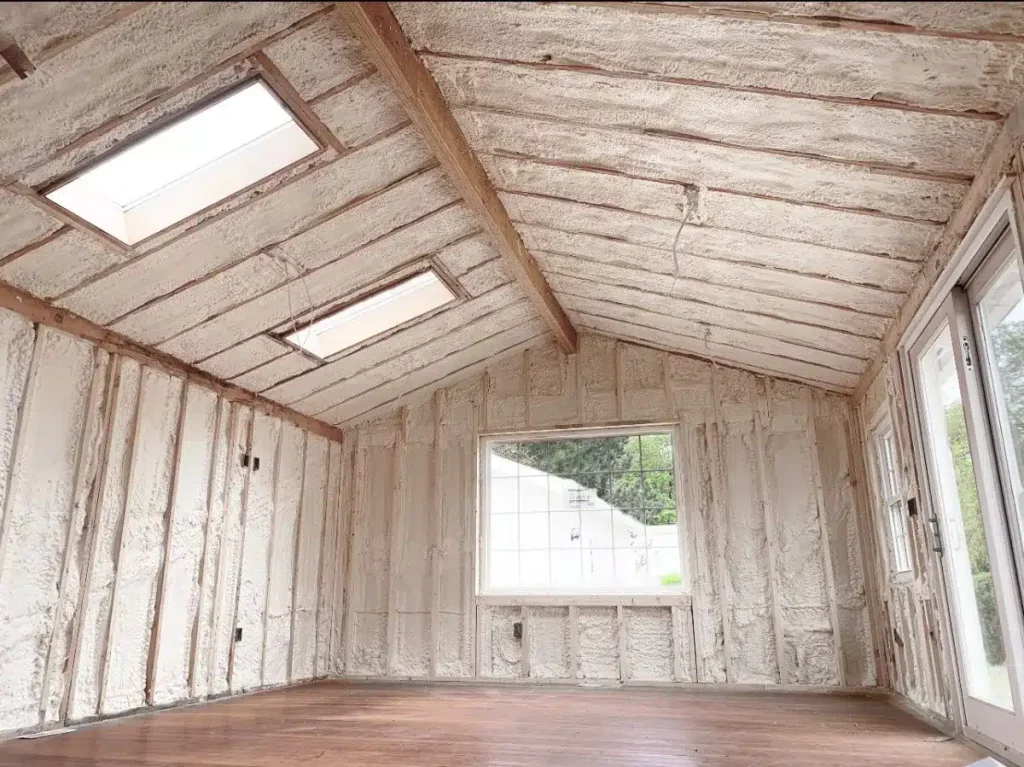
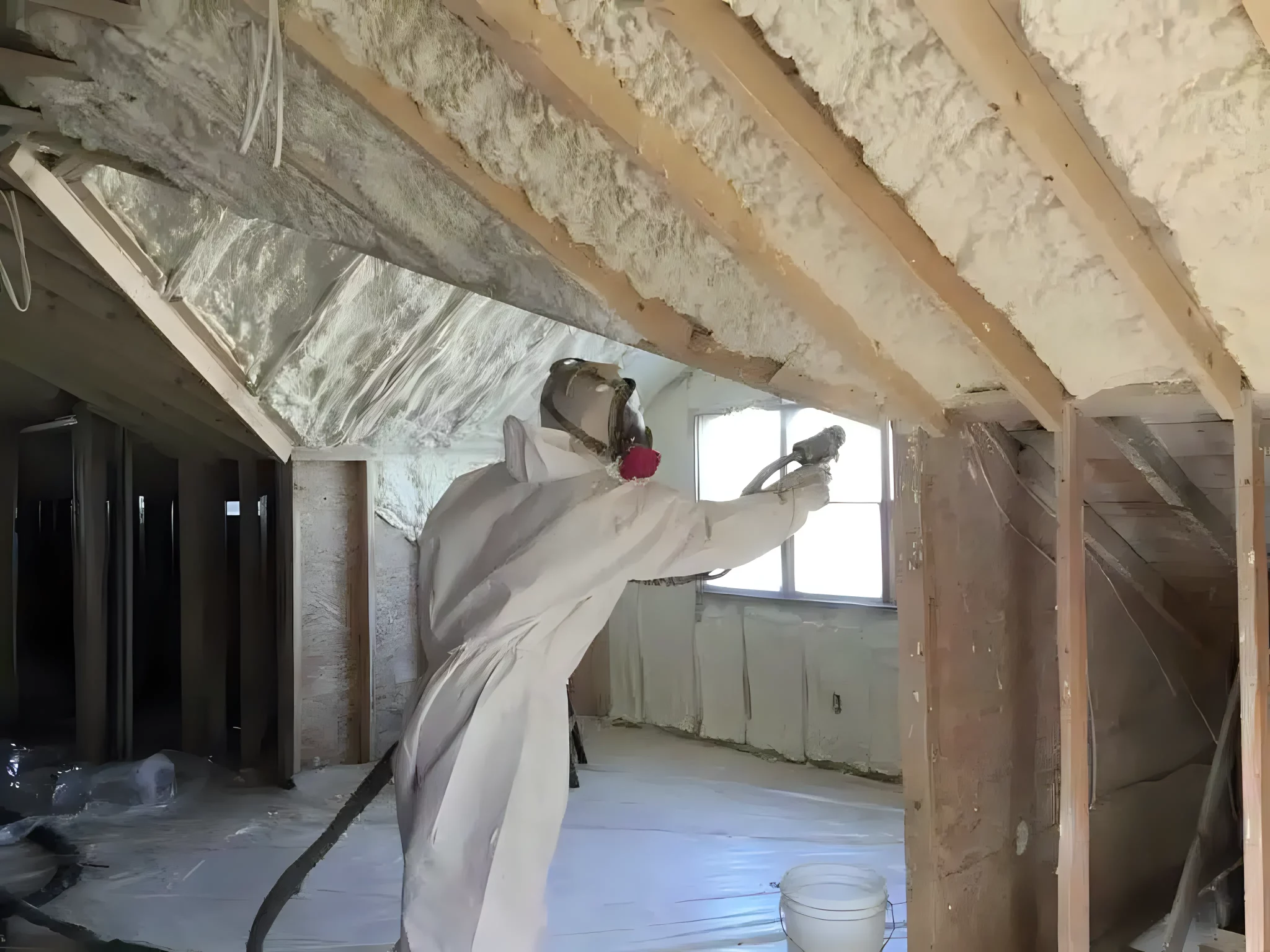
Proper attic insulation serves as the primary thermal barrier between your living space and the extreme temperature fluctuations of the outside world. In 2026, achieving consistent year-round temperature control depends on utilizing advanced materials like spray foam to eliminate air leakage and minimize heat transfer. While traditional methods offer basic resistance, modern attic insulation services focus on creating an airtight seal that manages both conduction and convection. The right approach for your home depends on your local climate, existing ventilation, and long-term energy goals, but the result is always a more stable indoor environment and significantly lower utility costs.
TL;DR
Thermal Regulation: High-quality insulation keeps heat outside during sweltering summers and traps warmth indoors during winter, maintaining a consistent internal temperature.
Energy Savings: Upgrading to modern materials can reduce monthly cooling and heating expenses by 15% to 30%, depending on the current state of your attic.
Moisture Management: Proper sealing prevents humid air from infiltrating the attic, which protects your roof deck from rot and prevents mold growth.
HVAC Longevity: By reducing the workload on your heating and cooling systems, better insulation extends the lifespan of expensive mechanical equipment.
Investment Recovery: Most homeowners see a full return on investment through energy savings within 3 to 5 years, making it one of the most cost-effective home improvements.
Air Quality: Sealing the attic prevents dust, allergens, and outdoor pollutants from entering your home through small gaps and bypasses.
The Role of Attic Insulation in Modern Temperature Regulation
The attic is often the most neglected part of a home, yet it is the most critical for temperature regulation. Heat naturally moves from warmer areas to cooler ones. In the summer, the sun beats down on your roof, heating the attic space to temperatures that can exceed 150 degrees Fahrenheit. Without a robust barrier, that heat radiates downward into your bedrooms and living areas.
In 2026, the focus has shifted toward high-performance materials that do more than just slow down heat. We look at the “whole-house” approach, where the attic acts as a sealed lid. According to the Department of Energy, heating and cooling account for the largest portion of energy use in typical U.S. homes, and a significant amount of that energy is lost through the attic. By investing in attic insulation services, you are directly addressing the root cause of “hot spots” and drafty rooms.
Understanding R-Value and Material Efficiency
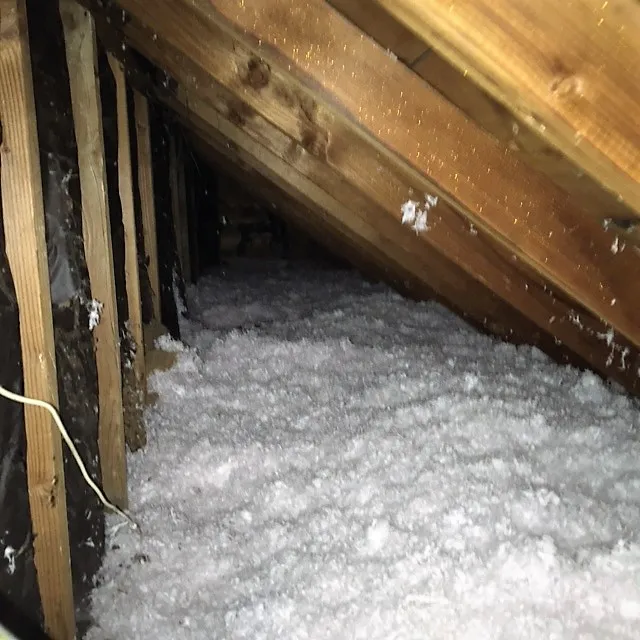
R-value measures a material’s resistance to heat flow. The higher the R-value, the better the insulating power. However, R-value only tells part of the story. Traditional fiberglass batts may have a decent R-value, but they allow air to pass through them. This is why home insulation upgrades often involve spray foam, which provides both high R-value and an integrated air seal.
Insulation Material
Average R-Value per Inch
Air Sealing Capabilities
Lifespan
Fiberglass Batts
2.2 – 2.9
Low (Requires separate sealing)
15 – 25 Years
Blown-in Cellulose
3.2 – 3.8
Moderate
20 – 30 Years
Open-Cell Spray Foam
3.5 – 3.7
High (Excellent air barrier)
50+ Years
Closed-Cell Spray Foam
6.0 – 7.0
Superior (Air and Vapor barrier)
80+ Years
Achieving Maximum Attic Energy Efficiency
To reach peak attic energy efficiency, it is not enough to just add more material. You must address the “stack effect,” where warm air rises and escapes through the top of the house, pulling cold air in through the bottom. Our approach involves identifying bypasses, such as recessed lights, plumbing stacks, and chimney chases, and sealing them permanently.
Eliminating Thermal Bridging
Thermal bridging occurs when heat bypasses insulation through solid materials like wooden ceiling joists. While fiberglass sits between joists, it leaves the wood exposed to transfer heat. Spray foam can be applied over these structures to provide continuous coverage, effectively “wrapping” the attic in a thermal blanket. This level of detail is what separates standard work from professional attic insulation services.
Impact on Indoor Air Quality
When an attic is poorly insulated, it often breathes in “dirty” air from the outdoors or the crawlspace. This air carries pollen, dust, and humidity. By creating a sealed attic environment, we ensure that the air circulating through your HVAC system stays clean. This is a vital component of home health that many people overlook when considering home insulation upgrades.
Comparison of Insulation Strategies for 2026
Choosing the right strategy depends on your home’s architecture and your specific comfort issues. Below is a breakdown of how different approaches perform in real-world scenarios.
Strategy Approach
Best For
Implementation Speed
Long-term Stability
Top-off (Adding Cellulose)
Budget-conscious refreshes
1 Day
Moderate (Settles over time)
Full Removal & Replacement
Older homes with pest/mold issues
2-3 Days
High
Encapsulation (Spray Foam)
Total temperature control
1-2 Days
Permanent
Radiant Barrier Installation
Hot climates with high sun exposure
1 Day
High (Reflective only)
Visual Suggestions for Homeowners
Heat Map Comparison: A visual side-by-side of two houses using infrared imaging. One house shows significant heat loss through the roof (red/yellow), while the insulated house shows a cool, blue roof, indicating heat is staying inside.
Layering Diagram: A cross-section of an attic floor showing the correct order of air sealing, insulation thickness, and baffles for ventilation.
The “Lid” Concept: A simple illustration showing a home as a thermos. When the “lid” (the attic) is tight, the contents stay at the desired temperature for much longer.
Recommendations by Audience
For New Homeowners
If you have recently moved into an older home, your priority should be an attic audit. Many older homes have settled insulation that no longer meets modern R-value standards. We recommend a full assessment to see if a “top-off” is sufficient or if the old material is harboring allergens and needs removal.
For Custom Home Builders
In 2026, energy codes are stricter than ever. Integrating closed-cell spray foam into the initial build is the most efficient way to meet these standards. It adds structural integrity to the roof and allows for smaller, more efficient HVAC units, saving costs during construction.
For Property Managers
Consistent temperature regulation is the number one way to keep tenants happy and reduce maintenance calls for HVAC repairs. Investing in home insulation upgrades across a portfolio of properties provides a predictable reduction in overhead costs and increases property value.
Signs You Have Found the Right Insulation Solution
Recognizing a high-quality insulation strategy involves looking for more than just a thicker layer of fluff. You know you have the right approach when:
Uniform Temperatures: Every room in your house stays within 1 to 2 degrees of the thermostat setting, regardless of the floor level.
Quiet Environment: High-quality insulation, particularly spray foam, acts as a sound dampener, significantly reducing noise from rain, wind, and traffic.
No Ice Dams: In colder months, a well-insulated attic prevents snow from melting unevenly on the roof, which stops the formation of dangerous ice dams.
Dry Surfaces: You don’t see condensation on windows or walls, indicating that the humidity levels are being managed correctly.
Transparent Documentation: Your service provider uses thermal cameras to show you exactly where the gaps were and how they have been filled.
Partner with Cascadia Spray Foam for Lasting Comfort
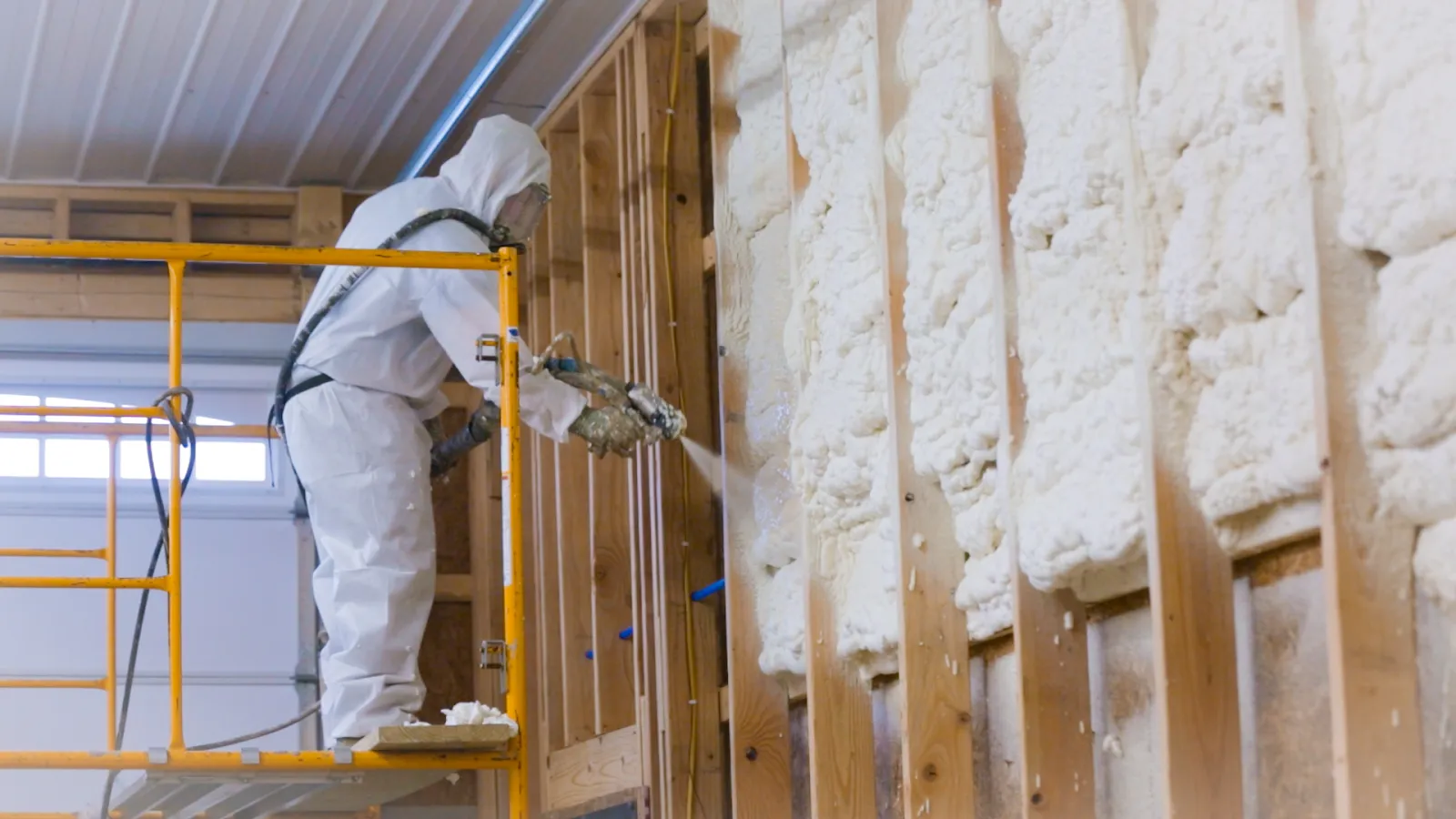
At Cascadia Spray Foam, we specialize in providing high-performance insulation solutions that transform your home’s comfort and efficiency. Our team focuses on precision application and comprehensive air sealing to ensure your attic is a true barrier against the elements. We don’t just add insulation; we engineer a more comfortable living environment for you and your family.
Stop letting your hard-earned money leak out through your roof and start enjoying a perfectly tempered home today.
Frequently Asked Questions
How often should attic insulation be replaced or updated?
Most traditional materials like fiberglass need an update every 15 to 20 years as they settle, while spray foam is a permanent solution that lasts the lifetime of the home.
Can I install new insulation directly over the old material?
You can “nest” new cellulose or fiberglass over old layers if the existing material is dry and free of mold or pests, but for the best results, a clean start is often preferred.
Will better insulation really lower my electric bill?
Yes, properly sealing and insulating the attic is the most effective way to reduce the energy required to cool or heat your home, often leading to immediate savings.
What is the difference between open-cell and closed-cell spray foam?
Open-cell is lighter and excellent for soundproofing, while closed-cell is denser, provides a higher R-value per inch, and acts as a moisture barrier.
How long does the installation process typically take?
Most residential attic projects are completed within one to two days, depending on the size of the attic and whether old material needs to be removed first.
I’m Melissa Grant, owner of Cascadia Spray Foam Insulation, with over 10 years of hands-on spray foam experience. I focus on durable insulation solutions, improved comfort and energy efficiency, and excellent customer service.
Selecting the right commercial insulation for warehouses comes down to five considerations: thermal performance matched to your climate zone, air sealing, moisture and vapor control, code compliance, and installation quality.…
Residential insulation addresses heat transfer through attic assemblies by slowing all three ways heat moves: conduction through framing and drywall, convection through air leaks, and radiation from a hot roof…
Open-cell spray foam provides useful coverage across irregular areas wherever a cavity is too deep, too uneven, or too cluttered with framing, wiring, and pipes for batts or rigid boards…