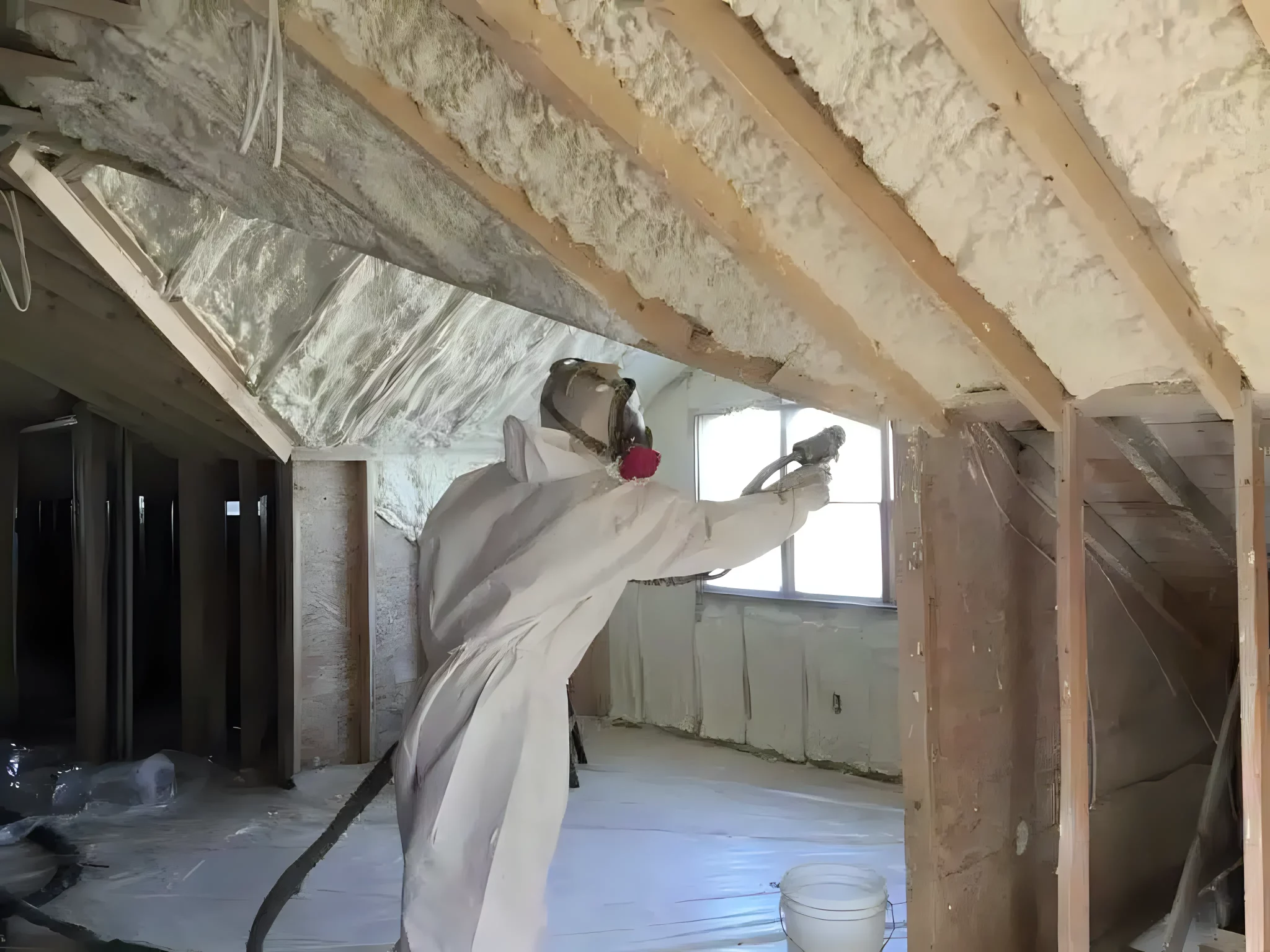
Best Ways Residential Insulation Helps Create a More Comfortable Living Space
Melissa Grant
July 15th, 2026
Improving the quality of your indoor environment starts with managing how heat and air move through your home. Choosing the right residential insulation depends on several factors, including the local climate, your property’s age, and your budget goals. By addressing gaps in your thermal envelope, you can stabilize indoor temperatures, reduce the strain on your HVAC system, and significantly lower monthly utility costs. Modern solutions range from traditional fiberglass batts to high-performance spray foam, each serving different needs such as moisture control, sound dampening, or maximum thermal insulation. Transitioning to a high-efficiency setup ensures that your living space remains a sanctuary regardless of the weather outside.
TL;DR
Immediate Climate Control: Proper installation eliminates hot and cold spots, providing consistent indoor comfort across all floors and rooms.
Significant ROI: High-quality materials can reduce monthly energy bills by 15% to 45%, depending on the home’s current condition.
Longevity and Durability: Advanced materials like closed-cell spray foam act as both an air barrier and a vapor retarder, lasting for decades without settling.
Acoustic Benefits: Robust insulation layers absorb external noise from traffic or neighbors, creating a much quieter interior environment.
Environmental Impact: Improving your energy efficiency reduces your home’s carbon footprint by lowering the demand for heating and cooling.
Structural Integrity: Certain types of spray foam can increase the racking strength of your walls, providing a slight boost to structural rigidity in high-wind areas.
The Science of Thermal Regulation and Comfort
At its core, residential insulation works by resisting the flow of heat. During the winter, heat tries to escape to the colder outdoors, while in the summer, heat pushes its way into your air-conditioned rooms. This process, known as heat transfer, occurs through conduction, convection, and radiation. According to the U.S. Department of Energy, a well-insulated home significantly slows this transfer, which is the foundation of home energy savings.
When your walls and attic lack adequate protection, your furnace or air conditioner must run constantly to compensate for the loss. This not only spikes your bills but also leads to mechanical wear and tear. By investing in a professional insulation installation, you create a thermal bridge that keeps the air you’ve paid to heat or cool exactly where it belongs.
Critical Benefits of Modern Insulation Strategies
Enhanced Indoor Air Quality
Many people overlook the link between residential insulation and the air they breathe. When a home is leaky, it pulls in dust, pollen, and outdoor pollutants through the crawlspace and attic. High-performance materials seal these entry points. Furthermore, by managing moisture and preventing condensation within wall cavities, you reduce the risk of mold and mildew growth, which is essential for a healthy living environment.
Moisture Management and Mold Prevention
In regions with high humidity or frequent rain, moisture is the enemy of any building. Moisture trapped in walls can rot wood studs and ruin drywall. Some materials, particularly closed-cell foam, do not absorb water and provide a seamless barrier that prevents humid air from hitting cold surfaces. This protection is a vital component of long-term thermal insulation success.
Noise Reduction and Privacy
Indoor comfort isn’t just about temperature; it’s also about peace and quiet. Dense insulation materials are excellent at dampening sound vibrations. Whether it’s the sound of a lawnmower outside or a television in the next room, a well-insulated house feels more private and serene. This is particularly beneficial for home offices or nurseries where silence is a priority.
Comparing Insulation Materials and Methods
Choosing the right material is a balance of performance, cost, and application area. Below is a breakdown of common options used in modern insulation installation projects.
Material Type
Best For
R-Value per Inch
Expected Outcomes
Spray Foam (Closed Cell)
Tight spaces, moisture barriers, and maximum efficiency.
6.0 – 7.0
Total air seal, high structural strength, and best energy efficiency.
Spray Foam (Open Cell)
Interior walls, soundproofing, and attic underside.
3.5 – 3.8
Excellent sound dampening and cost-effective air sealing.
Fiberglass Batts
Standard stud walls and accessible attics.
3.1 – 3.4
Low upfront cost and familiar installation process.
Blown-in Cellulose
Attic floors and existing wall cavities.
3.2 – 3.8
Good coverage in irregular spaces and eco-friendly (recycled paper).
Mineral Wool
Fire-prone areas and high-noise environments.
3.0 – 3.3
Superior fire resistance and heavy-duty sound blocking.
The Importance of Professional Installation
While some DIY kits exist, the effectiveness of residential insulation depends heavily on the quality of the work. Small gaps can lead to significant energy loss through a phenomenon called the “chimney effect,” in which warm air rises and escapes through the roof, drawing cold air in through the bottom.
Our team uses specialized equipment to ensure that every nook and cranny is filled. This is especially true for spray foam, which requires precise temperature and pressure settings to cure correctly. A professional approach ensures that the materials reach their full R-value potential, maximizing your home energy savings from day one.
Visual Suggestion: Heat Loss Map
Infographic Description: A cross-section of a residential home showing red arrows (heat) escaping through an uninsulated attic and blue arrows (cold air) entering through a drafty crawlspace. A second image shows a “sealed” home with green barriers indicating new insulation, helping keep the interior temperature stable.
Evaluating Cost vs. Long-Term Value
The initial investment in residential insulation can vary based on the square footage and the complexity of the home’s layout. However, it is one of the few home improvements that pays for itself over time. According to ENERGY STAR, homeowners can save an average of 15% on heating and cooling costs by air sealing and insulating.
When calculating the value, consider:
Reduced Utility Bills: Monthly savings start immediately after the insulation installation.
HVAC Longevity: Your system doesn’t have to work as hard, extending its lifespan by several years.
Property Value: High energy efficiency ratings are a major selling point for modern homebuyers.
Tax Credits: Many federal and local programs offer rebates for weatherization upgrades.
Recommendations Based on Your Home Type
Home Condition
Recommended Approach
Key Notes
New Construction
Full Envelope Spray Foam
The best time to achieve a perfect air seal is before drywall is installed.
Older Historic Home
Blown-in Cellulose or Injection Foam
Allows for upgrades without tearing down original plaster or woodwork.
Unfinished Attic
Blown-in Fiberglass or Open-Cell Foam
The most cost-effective way to stop the “chimney effect” and save money.
Cold Basement/Crawlspace
Closed-Cell Spray Foam
Provides essential moisture protection and floor warming.
Signs You Have Found the Right Insulation Solution
Determining if your residential insulation strategy is working involves looking for specific qualitative indicators. You know you have found the right approach when:
Temperature Consistency: There is no more than a 2-degree difference between different rooms or floors in your home.
Silent HVAC: Your heating or cooling system cycles on and off less frequently, maintaining the set temperature with ease.
Lower Noise Levels: Street traffic and outdoor disturbances are significantly muffled.
No Drafts: You no longer feel “ghost” breezes near outlets, baseboards, or window frames.
Dry Surfaces: Walls and windows remain free of condensation, even during cold winter mornings.
Transparent Metrics: Your energy bills show a clear downward trend compared to the previous year’s data.
Optimizing Your Strategy for Maximum Comfort
To get the most out of your thermal insulation, it is helpful to look at the home as a complete system. While the attic is often the biggest source of heat loss, the crawlspace and rim joists are frequently overlooked. Sealing these areas prevents cold floors and helps keep the entire building envelope intact.
Research from Wikipedia’s guide on Building Insulation notes that the effectiveness of materials is often measured by their R-value, but air leakage is equally important. Even the thickest fiberglass won’t work if air can blow right through it. This is why combined air sealing and residential insulation are the gold standard for indoor comfort.
Work With the Experts at Cascadia Spray Foam Insulation of Seattle
Cascadia Spray Foam Insulation of Seattle provides premier insulation solutions designed to transform your home into an energy-efficient masterpiece. Our team brings years of expertise to every project, ensuring that your property is protected from the elements while maximizing your monthly savings. We pride ourselves on precision, using the highest quality materials to deliver results that last a lifetime.
Ready to enjoy a more comfortable, quiet, and efficient home? Contact our experts today to schedule your consultation and take the first step toward a better living space.
Frequently Asked Questions About Insulation
How long does typical residential insulation last?
Most traditional materials last 15 to 20 years, but high-quality spray foam is designed to last the lifetime of the home. It does not sag or settle like fiberglass, maintaining its R-value indefinitely.
Can I install new insulation over the old material?
It is often possible in attics, but it is generally better to remove old, damp, or pest-infested material first. Removing the old layers allows our team to properly air-seal the attic floor.
Will insulation help keep my house cool in the summer?
Yes, it acts as a barrier against radiant heat from the sun, keeping your air-conditioned air inside. This significantly reduces the workload on your AC unit during heatwaves.
Is spray foam insulation safe for my family and pets?
Once the foam has fully cured, which usually takes about 24 hours, it is completely inert and safe. It can actually improve health by blocking outdoor allergens and preventing mold growth.
How do I know if my home needs an insulation upgrade?
If you notice uneven temperatures, high energy bills, or ice dams on your roof in winter, your home likely needs help. A quick inspection of your attic’s current depth can also reveal if you are below modern standards.
I’m Melissa Grant, owner of Cascadia Spray Foam Insulation, with over 10 years of hands-on spray foam experience. I focus on durable insulation solutions, improved comfort and energy efficiency, and excellent customer service.
Selecting the right commercial insulation for warehouses comes down to five considerations: thermal performance matched to your climate zone, air sealing, moisture and vapor control, code compliance, and installation quality.…
Residential insulation addresses heat transfer through attic assemblies by slowing all three ways heat moves: conduction through framing and drywall, convection through air leaks, and radiation from a hot roof…
Open-cell spray foam provides useful coverage across irregular areas wherever a cavity is too deep, too uneven, or too cluttered with framing, wiring, and pipes for batts or rigid boards…