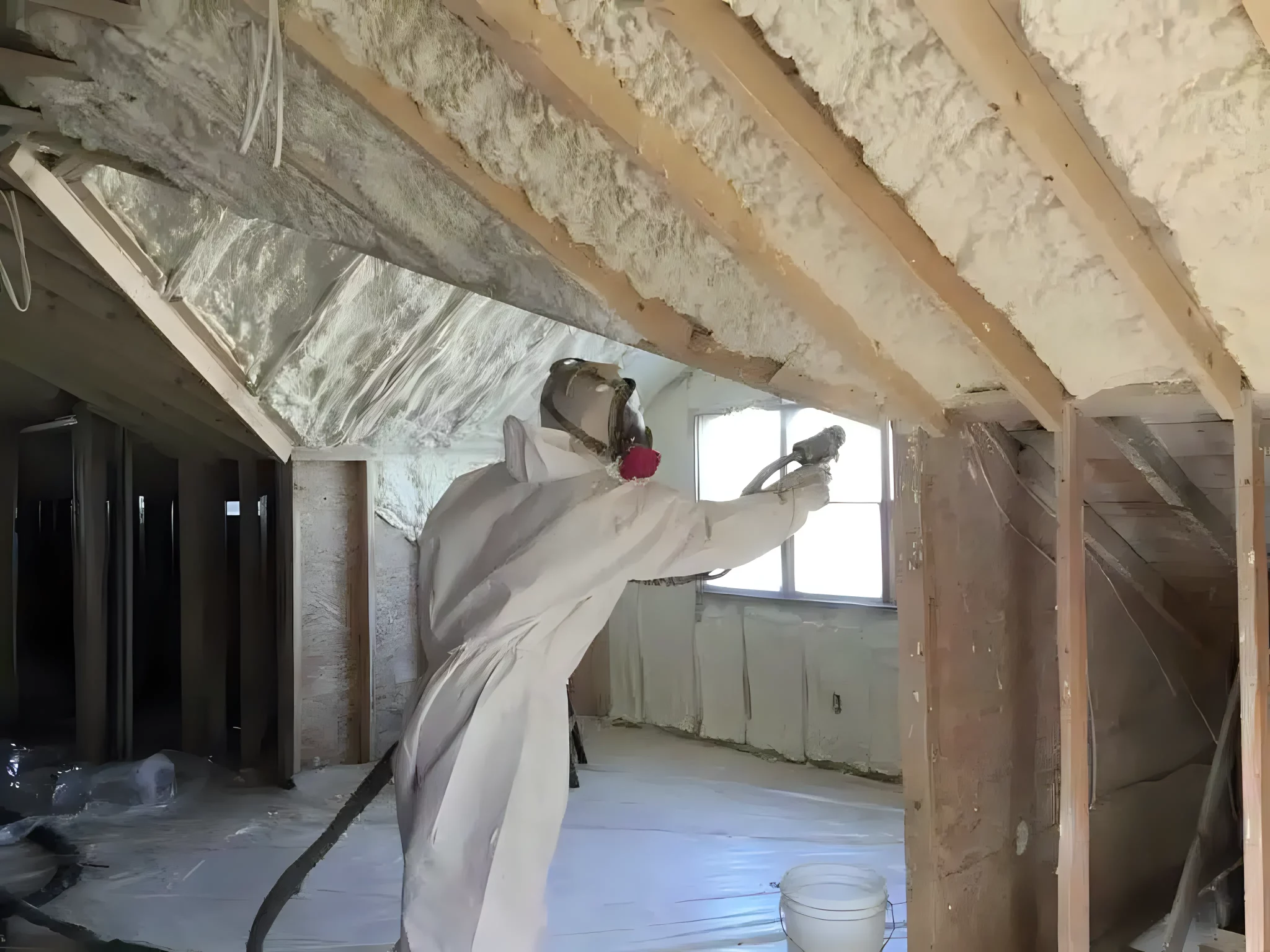
What Factors Affect Wall Insulation Investment in Old Homes in Lynnwood, WA?
Melissa Grant
May 22nd, 2026
The biggest factors shaping your wall insulation investment in an older Lynnwood home include the local climate zone, existing wall construction, current insulation levels, moisture management requirements, and the type of insulation material chosen. Homes built before modern energy codes often have little to no wall insulation, and adding it involves more complexity than a straightforward new construction project. The Pacific Northwest marine climate, combined with the specific construction methods used in older homes, means that a one-size-fits-all approach does not work. Every property requires a careful assessment before any material goes into the walls, as explained in this wall insulation guide for Seattle homes.
TL;DR
Lynnwood sits in IECC Climate Zone 4C (Marine), which calls for R-60 in uninsulated attics and R-30 in floors for retrofit projects.
The EPA estimates homeowners can save an average of 15% on heating and cooling costs by air sealing and adding insulation to key areas of an existing home.
Pre-1960s homes in the Lynnwood area frequently have no wall insulation at all, making wall cavities the single largest source of heat loss in the building envelope.
Moisture management is a defining factor in the Pacific Northwest because improperly installed insulation can trap vapor and cause rot, mold, or structural damage.
Wall construction type, such as balloon framing or solid masonry, directly limits which insulation methods are viable and affects the total project scope.
The 2021 Washington State Energy Code sets prescriptive requirements for insulation in residential projects, including additions and alterations, that apply even when retrofitting older homes.
Air sealing should always precede or accompany insulation to maximize energy savings and prevent moisture-laden air from entering wall cavities.
Lynnwood’s Climate Zone and Why It Matters
Lynnwood falls within IECC Climate Zone 4C, classified as a marine climate with mild temperatures but persistent moisture. Homes in this zone experience moderate heating demands through fall, winter, and spring, with minimal cooling needs in summer. According to ENERGY STAR’s recommended R-values for retrofitting existing wood-framed buildings, Climate Zone 4C requires R-60 in an uninsulated attic and R-49 if you already have three to four inches of existing insulation. For uninsulated wood-frame walls, the recommendation is R-20 plus R-5 of continuous insulation, or R-13 plus R-10 of continuous insulation, or R-0 plus R-15 of continuous insulation on the exterior.
These requirements mean that achieving adequate wall performance in an old Lynnwood home often requires more than just filling the cavity. The continuous insulation layer addresses thermal bridging, which the Department of Energy identifies as a significant source of heat loss where studs and framing members conduct heat more readily than the insulated cavities between them.
Existing Wall Construction and Condition
The way your older home was framed and finished has a direct impact on what insulation methods are even possible. Many homes in the Lynnwood area built between the 1940s and 1960s used balloon framing, where wall studs run continuously from the foundation to the roof plate. Others have plaster-over-lath interior finishes, knob-and-tube wiring routed through wall cavities, or narrow stud bays that limit how much insulation can physically fit.
The Department of Energy recommends inspecting existing insulation before making any upgrade decisions. This means checking behind outlet covers on multiple floors, examining different walls in both original and added-on sections of the home, and confirming what type of material, if any, currently fills the cavities. Finding no insulation in one wall does not mean the rest of the house is the same, and the inspection step can reveal issues like knob-and-tube wiring that must be addressed before any insulation goes in.
Moisture Management in a Marine Climate
In a marine climate like Lynnwood’s, moisture is arguably the most consequential factor in any wall insulation project. The Pacific Northwest receives significant rainfall for much of the year, and older homes often lack the water-resistive barriers, flashing details, and drainage planes that modern construction includes. Adding insulation without accounting for how water vapor moves through the wall assembly can trap moisture inside the cavity, leading to mold growth, wood rot, and degraded structural elements, which is why understanding insulation R-value comparisons like R11 vs R13 matters.
The Department of Energy’s guidance on vapor retarders explains that effective moisture control requires more than just adding a vapor barrier. Air sealing gaps and cracks is equally important because air leakage carries far more moisture into wall cavities than vapor diffusion alone. The type and placement of vapor retarders depend on climate, and in mixed climates like Zone 4C, the vapor drive direction reverses between winter and summer, which means the wall assembly must be able to dry in both directions. Using low-permeability materials on both sides of the cavity is a common mistake that traps moisture and causes long-term damage.
Energy Savings Potential
Understanding what you stand to gain helps justify the investment. The EPA’s energy modeling, published through ENERGY STAR’s methodology for estimated energy savings, shows that homeowners can save an average of 15% on heating and cooling costs, or about 11% on total household energy costs, by air sealing and adding insulation in attics, floors over crawl spaces, and basement rim joists. In northern climate zones, the savings are even more pronounced, with homes in Zones 5 and 6 seeing up to 16-18% total energy bill reductions.
For old Lynnwood homes with uninsulated walls, the potential improvement from going from R-0 to a proper R-13 to R-15 cavity fill is substantial. Walls represent a large portion of the building envelope, and eliminating drafty, uninsulated cavities makes an immediate and noticeable difference in indoor comfort during the heating season, especially when using professional insulation services in Lynnwood, WA.
Insulation Material and Method Selection
Not every insulation type works in every old home. The choice of material and installation method affects both performance and cost, and each option comes with trade-offs.
Insulation Type
Best For
Installation Method
Key Considerations
Dense-pack cellulose
Older homes with standard stud cavities
Blown into drilled holes (interior or exterior)
Good air sealing, fits irregular cavities, requires proper density to prevent settling
Injection foam
Homes with plaster walls where removal is not an option
Injected through small holes into wall cavities
Slow-expanding, conforms to voids, seals air leaks effectively
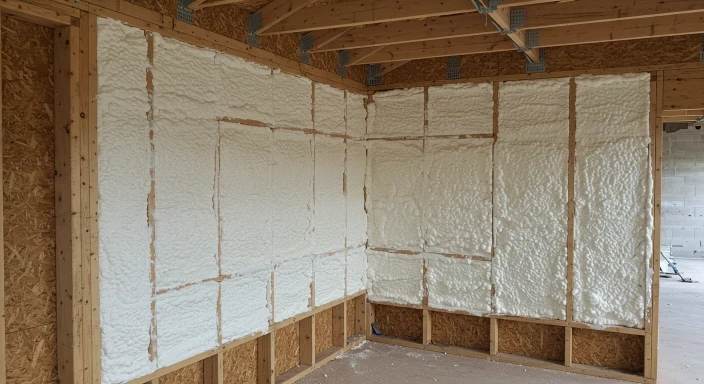
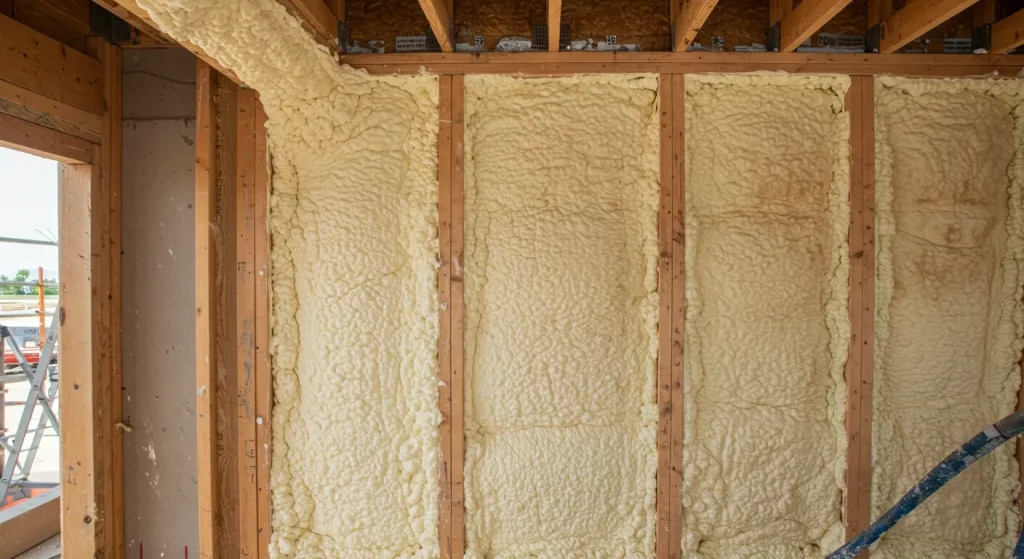
Spray foam (open cell)
Large cavities where sound dampening is also desired
Sprayed into open or accessible cavities
Lower R-value per inch than closed cell, vapor-permeable
vapor-permeable
vapor-permeable
Sprayed into open or accessible cavities
High R-value per inch, acts as a vapor retarder, and has a higher material cost
Rigid foam has a board (continuous)
Exterior retrofits when siding is being replaced
Attached to exterior sheathing under new cladding
Addresses thermal bridging, adds a continuous insulationTheer
The right material depends on wall cavity depth, interior finish condition, whether siding replacement is planned, and how the home’s vapor management strategy has been designed.
Washington State Energy Code Considerations
The Washington State Energy Code, enforced by the State Building Code Council, sets requirements for insulation in residential buildings based on the 2021 IECC. While existing homes are not always required to bring insulation up to current code unless undergoing a substantial renovation or addition, any wall insulation project that requires a building permit will need to meet applicable standards. If your project involves replacing exterior siding, for example, the code may require adding continuous insulation to the wall assembly at that time.
Working with a contractor who understands both the current code requirements and the specific allowances for existing buildings helps avoid compliance issues and ensures your project moves through permitting smoothly.
Recommendations by Homeowner Scenario
Your Situation
Recommended Approach
Key Notes
Planning to reside in the home
Full cavity fill plus continuous insulation on the exterior
Maximizes R-value, addresses thermal bridging, and is the best long-term investment
Keepiand is the new existing interior and exterior finishes
Injection foam or dense-pack cellulose through drilled holes
No finish removal needed, still achieves meaningful cavity R-value
Concerned about moisture risk due to older construction
Start with an energy assessment and moisture evaluation
Identify existing water intrusion before insulating, and ensure the wall can dry
Planning a full kitchen or bath remodel with wall exposure
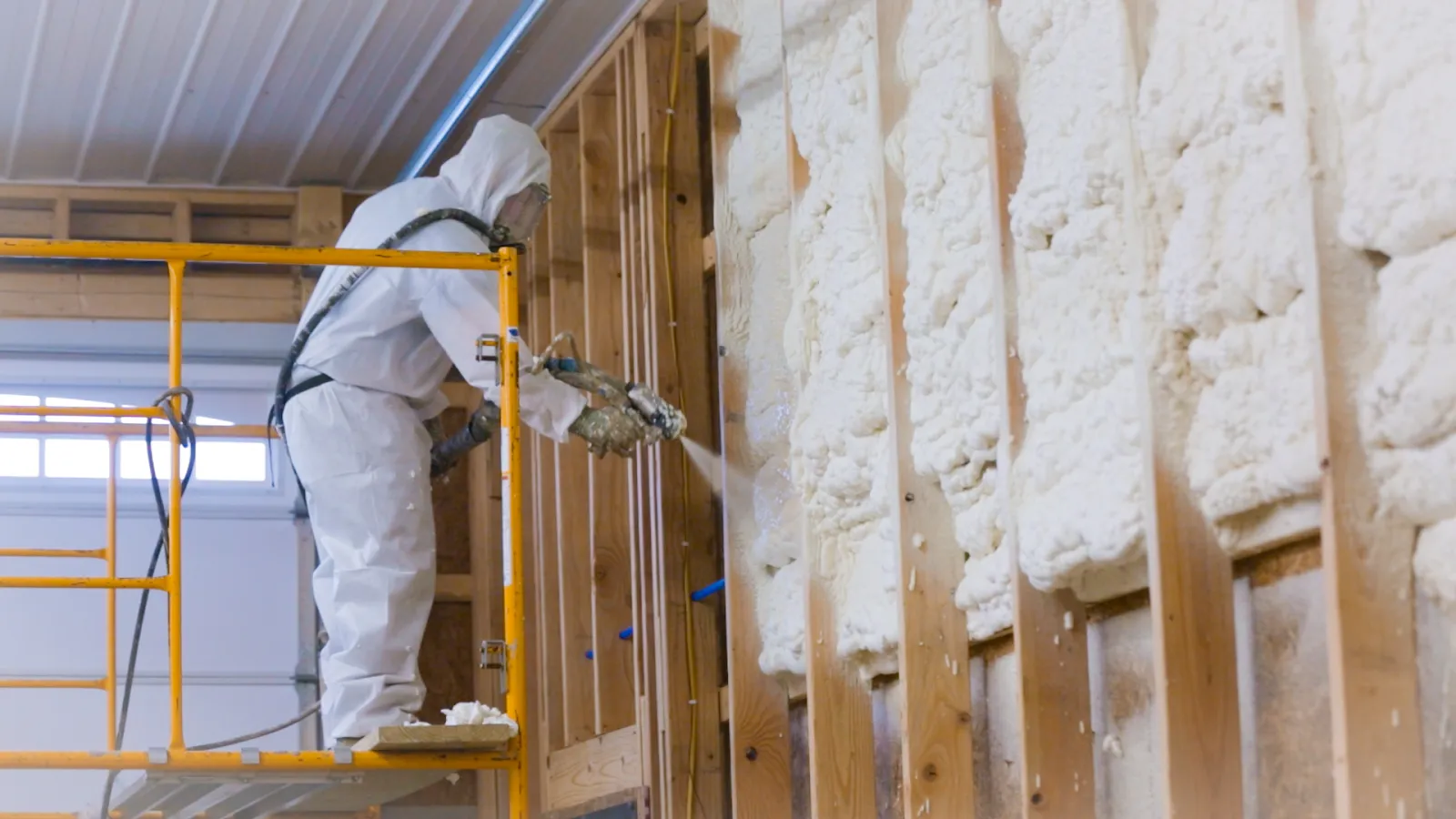
Open-wall spray foam application on exposed walls
Easiest access for proper installation, address wiring, and plumbing at the same time
On a limited budget, but want the biggest impact
Prioritize air sealing first, then cavity fill the most exposed walls
Air sealing alone improves comfort and reduces energy loss significantly
Signs You Have Found the Right Insulation Contractor
Choosing who handles your wall insulation project matters as much as choosing the material. A qualified contractor for old home insulation should demonstrate several clear qualities:
They perform a thorough inspection of your walls before recommending any specific product or method, including checking for knob-and-tube wiring, existing moisture damage, and wall cavity depth.
They explain the moisture management strategy behind their recommendation rather than focusing only on R-value or material brand.
They are familiar with Washington State Energy Code requirements for existing homes and know when a permit is necessary.
They provide a detailed scope of work that includes air sealing, not just cavity filling, because insulation without air sealing delivers reduced performance.
They walk you through what the installation process looks like for your specific home, including how they will access the cavities, what finishes they will need to open, and how they will close everything back up.
Ready to Invest in Wall Insulation for Your Lynnwood Home
Cascadia Spray Foam helps homeowners in Lynnwood navigate the complexities of insulating older walls, from initial assessment through code-compliant installation. Our team evaluates your home’s specific construction, identifies moisture risks, and recommends the approach that delivers the strongest combination of energy savings, comfort, and long-term durability.
Do I need a permit to add insulation to the walls of my old Lynnwood home?
It depends on the scope. If the project involves opening wall assemblies or replacing exterior cladding, a permit is typically required under the Washington State Energy Code. Your contractor can confirm what applies to your specific project.
Can I insulate walls without removing the plaster or drywall?
Yes. Dense-pack cellulose and injection foam can both be installed through small drilled holes in the wall, either from the interior or exterior, without removing existing finishes.
How do I know if my old home already has wall insulation?
The Department of Energy recommends removing outlet covers on multiple floors and shining a flashlight into the gap around the box. If you see insulation, you can pull a small amount out to identify the type. You should check several outlets since insulation may not be consistent throughout the home.
Is moisture really a problem when adding wall insulation in Lynnwood?
Yes. In a marine climate, trapping moisture inside wall cavities is a real risk. Proper air sealing, correct vapor retarder selection, and choosing materials that allow the wall assembly to dry are all necessary to prevent mold and structural damage.
Does insulating old walls actually make a noticeable difference in comfort?
For homes with uninsulated walls, the improvement is immediate and significant. The EPA estimates average savings of 15% on heating and cooling costs when insulation is combined with proper air sealing, and the reduction in drafts and cold spots is often the first thing homeowners notice.
Insulation – U.S. Department of Energy – Comprehensive overview of how insulation works, R-value fundamentals, thermal bridging, and material selection.
I’m Melissa Grant, owner of Cascadia Spray Foam Insulation, with over 10 years of hands-on spray foam experience. I focus on durable insulation solutions, improved comfort and energy efficiency, and excellent customer service.
Selecting the right commercial insulation for warehouses comes down to five considerations: thermal performance matched to your climate zone, air sealing, moisture and vapor control, code compliance, and installation quality.…
Residential insulation addresses heat transfer through attic assemblies by slowing all three ways heat moves: conduction through framing and drywall, convection through air leaks, and radiation from a hot roof…
Open-cell spray foam provides useful coverage across irregular areas wherever a cavity is too deep, too uneven, or too cluttered with framing, wiring, and pipes for batts or rigid boards…