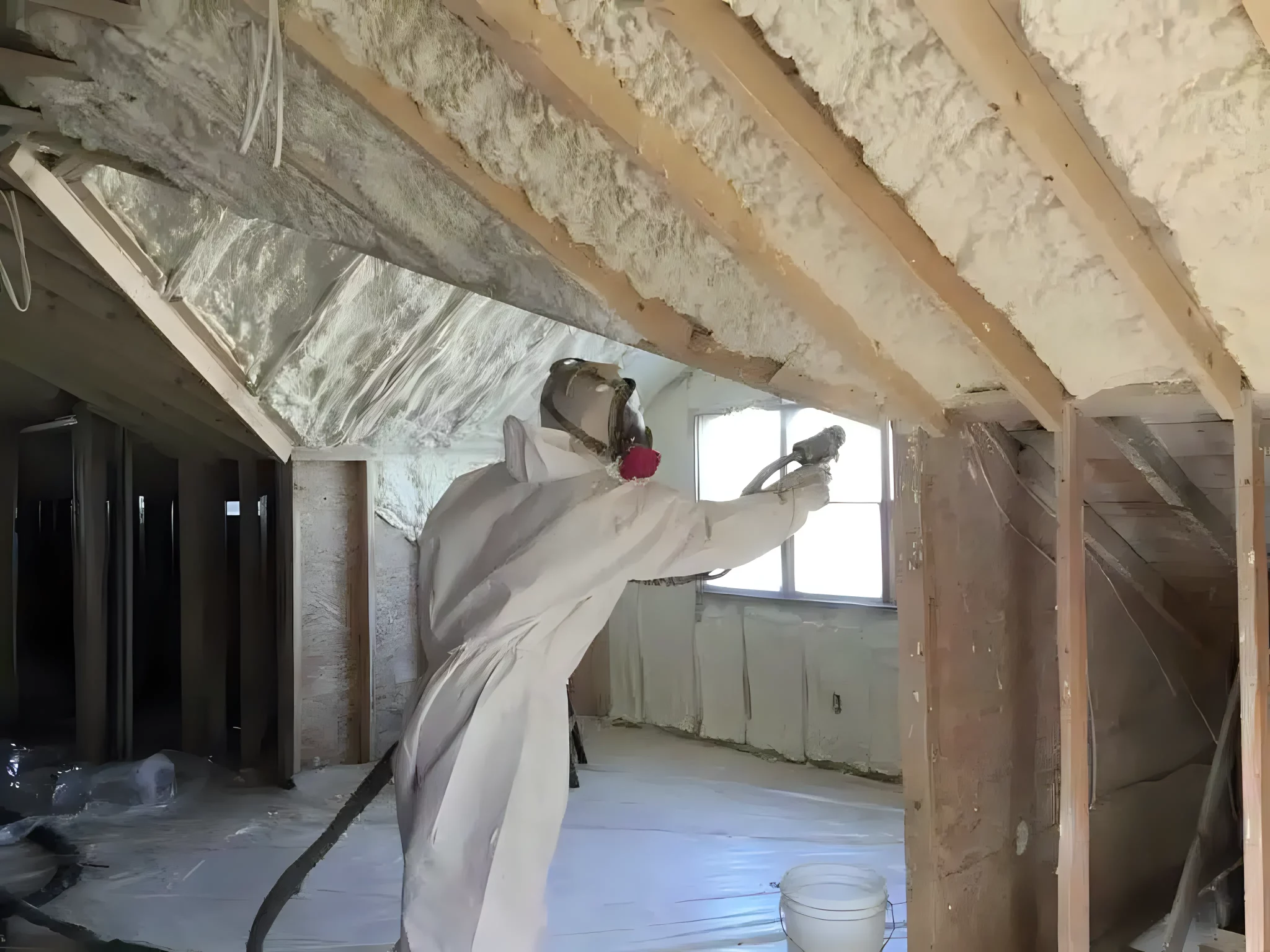
Does Residential Insulation protect home plumbing from cold in Issaquah, WA?
Melissa Grant
May 22nd, 2026
Yes. Residential insulation is one of the most effective defenses against frozen pipes in Issaquah homes, and it works through two mechanisms: thermal resistance and air sealing. Insulation in wall cavities, crawl spaces, basements, and attics slows heat loss from your home’s interior and blocks cold outdoor air from reaching vulnerable plumbing runs. In a climate like Issaquah’s, where winter lows regularly hover near the freezing mark and extended cold snaps can push temperatures well below 32°F, a properly insulated building envelope can mean the difference between flowing water and a burst pipe emergency. The right approach depends on where your pipes run, what type of insulation is already in place, and whether air sealing gaps have been addressed alongside the insulation itself, as explained in this residential insulation guide.
TL;DR
Issaquah sits in IECC Climate Zone 4 Marine, where winter lows routinely dip below freezing, making pipe protection a real concern for local homeowners.
Insulation works by trapping heat inside wall cavities and crawl spaces, keeping the air temperature around pipes above the 32°F threshold.
Air sealing is equally important, since cold air drafts through gaps and penetrations are often the direct cause of frozen pipes.
The most vulnerable pipe locations are exterior walls, unheated crawl spaces, attics, garages, and rim joist areas.
The Building America Solution Center recommends insulating both hot and cold water pipes and sealing all penetrations where pipes pass through walls, floors, and framing.
Adding insulation to attics, basements, and crawl spaces specifically raises ambient temperatures around pipes, reducing freeze risk.
Homeowners in freezing climates should also consider heat tape on pipes in unconditioned spaces as a supplemental safeguard.
According to the American Red Cross, keeping your thermostat set to at least 55°F during cold weather is a baseline protection measure when combined with proper insulation.
Why Issaquah’s Winter Climate Makes Pipe Protection a Priority
Issaquah experiences cold, wet winters with average low temperatures in the mid-30s from December through February, and temperatures can drop well below the freezing point during cold snaps. The area sits within IECC Climate Zone 4 Marine (sometimes overlapping with Zone 5), which carries specific insulation requirements designed to manage heat loss during prolonged cold periods. Per the Washington State Energy Code, Climate Zones 4 Marine and 5 share the same residential energy requirements, calling for substantial R-values in walls, ceilings, and floors.
What makes this climate particularly tricky for plumbing is the combination of temperatures hovering just around freezing and prolonged periods of cold, wet conditions. Pipes in exterior walls, unconditioned crawl spaces, and attics are exposed to outdoor temperatures that can remain below 32°F for days at a time. Even when daytime highs rise above freezing, nighttime lows can easily push vulnerable pipes past the tipping point, which is why effective home heat loss solutions are critical in cold-weather climates.
How Insulation Actually Protects Your Pipes
Insulation protects plumbing by creating a thermal buffer between cold outdoor air and the water inside your pipes. The Department of Energy explains that insulation materials resist heat flow by slowing both conductive and convective transfer. In practice, this means that warm air from your heated living spaces stays in the wall cavity or crawl space rather than escaping, and cold air from outside cannot easily penetrate inward.
There are two distinct layers of protection at work:
Thermal resistance (R-value). The insulation material itself creates a barrier that slows the rate of heat loss. Higher R-values mean more resistance to heat flow. For Climate Zone 4 Marine, the DOE recommends R-60 in uninsulated attics, R-30 in uninsulated floors over crawl spaces, and R-20 or higher in wood-frame walls with continuous insulation.
Air sealing. This is where insulation goes beyond just “being there.” Gaps around plumbing penetrations, rim joists, and framing connections allow cold air to bypass insulation entirely. Spray foam and caulking seal these leaks, preventing drafts from reaching pipes. The Building America Solution Center specifically calls out sealing all penetrations through rim joists and walls with closed-cell foam, insulating piping runs, and applying heat trace where needed in crawl spaces.
Where Your Pipes Are Most Vulnerable
Not every pipe in your home faces the same level of risk. Understanding which locations are most exposed helps prioritize insulation upgrades.
Pipe Location
Freeze Risk Level
Recommended Protection
Exterior walls
High
Cavity insulation behind pipes, air sealing, pipe sleeves
Unheated crawl spaces
High
Rim joist insulation, crawl space encapsulation, pipe insulation
Attics (unconditioned)
High
Attic floor insulation, air sealing at penetrations, heat tape
Garages
Moderate
Wall insulation, pipe sleeves on exposed runs
Basements (unheated)
Moderate
Rim joist insulation, wall cavity insulation, pipe sleeves
Interior walls
Low
Generally not needed unless on an exterior-facing wall
The American Red Cross identifies the most frequent trouble spots as outdoor hose bibs, supply lines in unheated areas like crawl spaces and attics, and pipes running against exterior walls with little or no insulation.
Insulation Types and Their Effectiveness for Pipe Protection
Different insulation materials offer varying levels of protection. The right choice depends on the application area, existing construction, and whether air sealing is also needed.
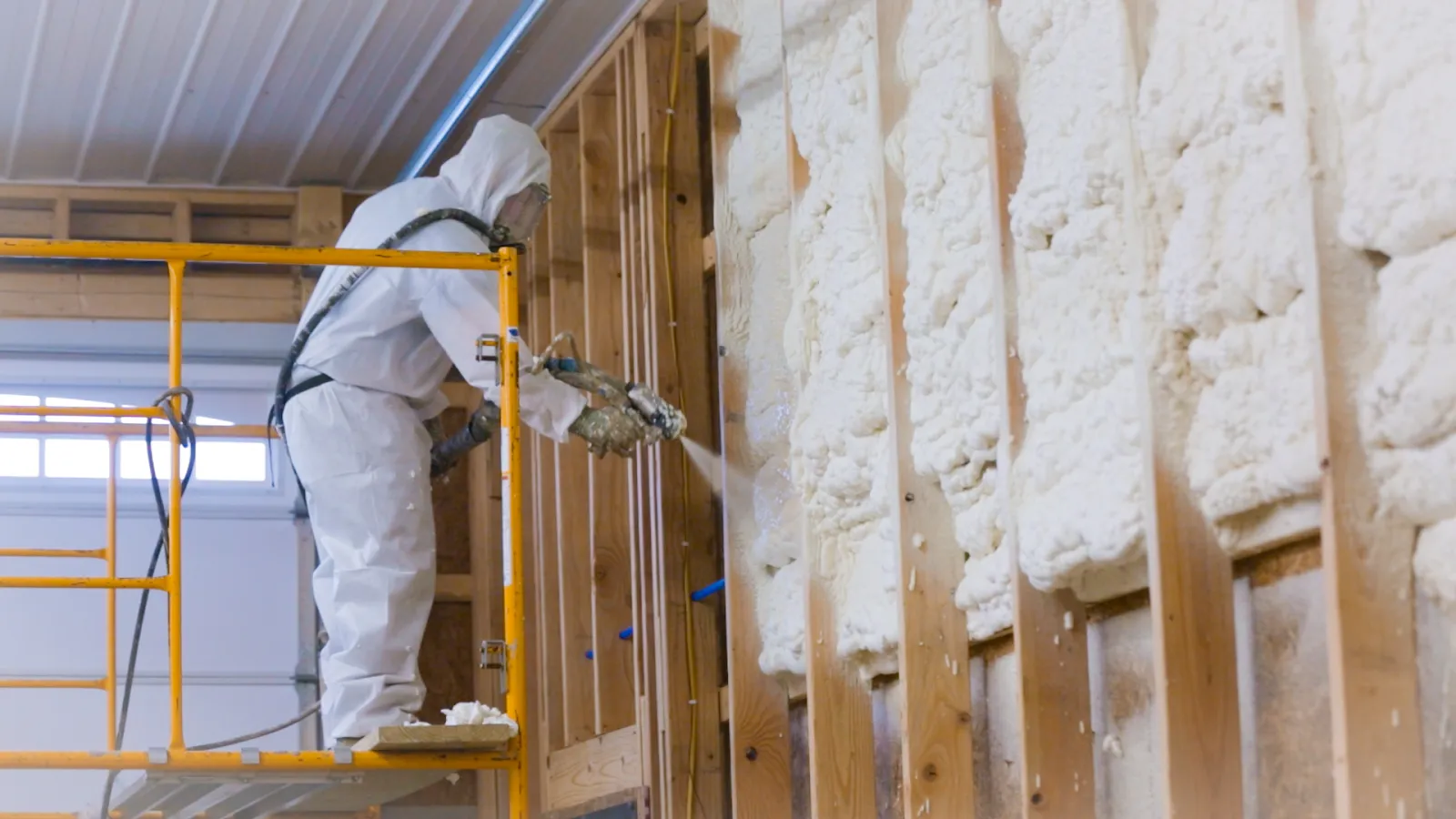
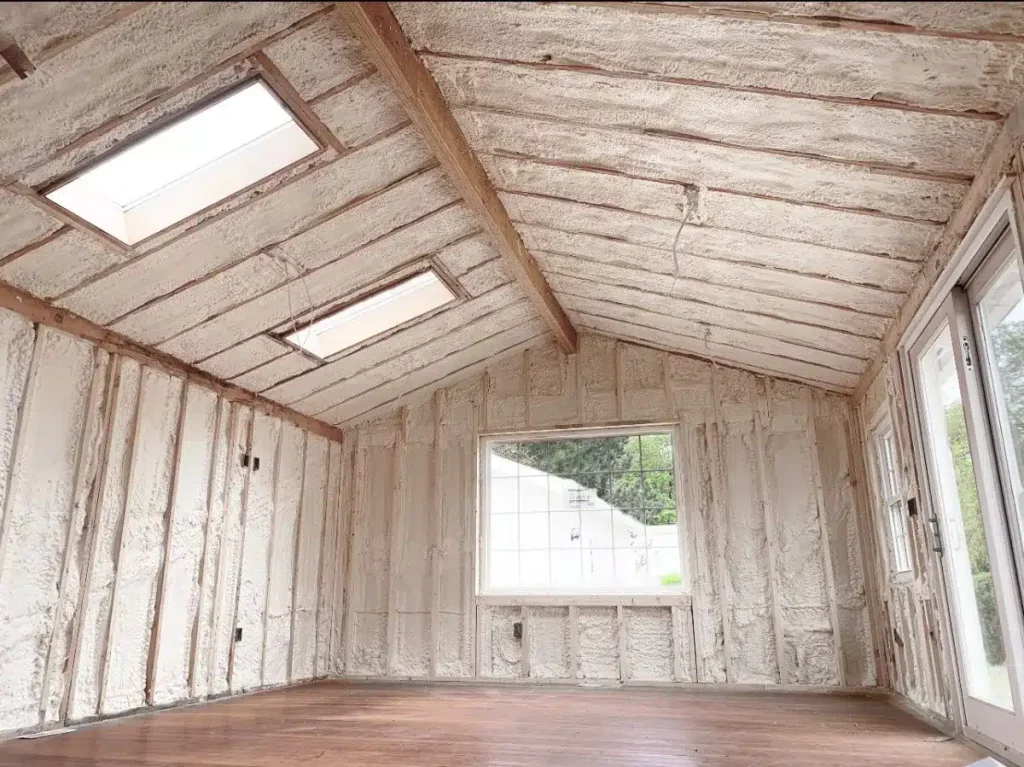
Spray foam insulation provides both thermal resistance and air sealing in a single application. It expands to fill gaps, cracks, and penetrations, making it particularly effective for rim joists, crawl spaces, and around plumbing penetrations. Because it adheres directly to surfaces, it eliminates the air gaps that allow cold drafts to bypass other insulation types.
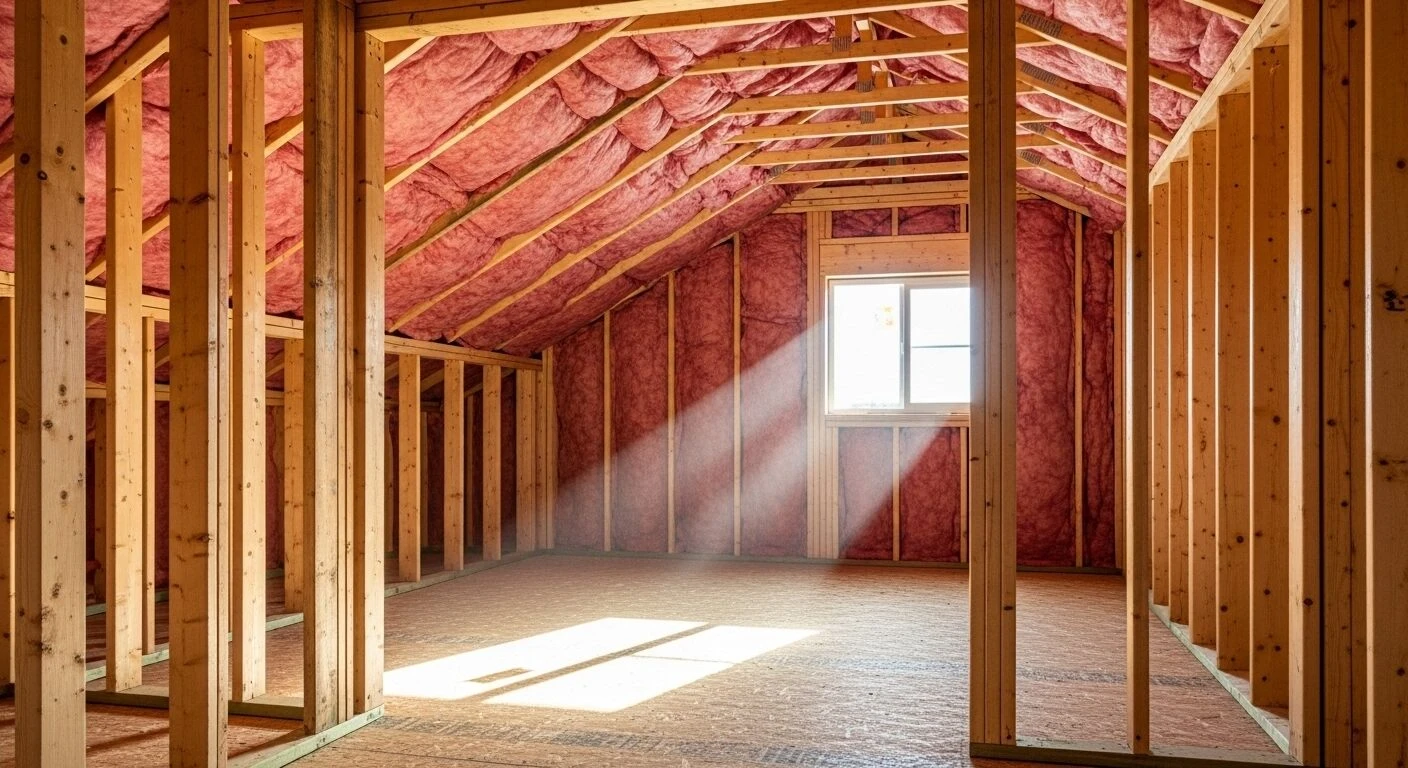
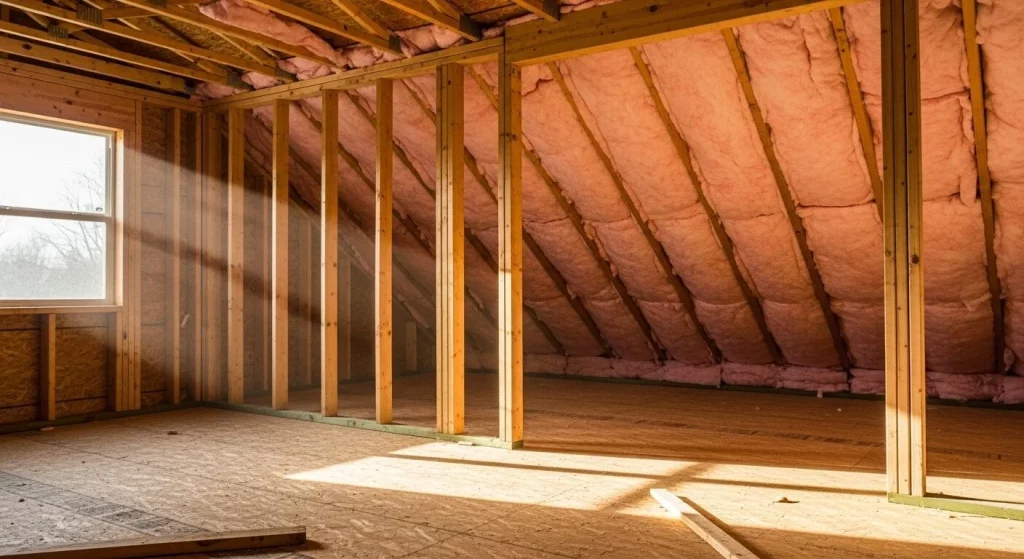
Fiberglass batts are a common choice for wall cavities and attic floors. They provide solid thermal resistance when properly installed, but they do not air seal on their own. For pipe protection in exterior walls, the Building America Solution Center recommends splitting batts lengthwise and placing half behind the pipe with the other half in front to fully surround the plumbing run.
Rigid foam boards offer high R-values per inch and can be cut to fit wall cavities or crawl space walls. They work well as continuous insulation on exterior walls or as a backer behind pipes in exterior wall cavities.
Pipe sleeves are tubular foam wraps that fit directly around individual pipes. They are a supplemental measure for exposed pipe runs in crawl spaces, basements, and garages. While helpful, they do not replace cavity insulation and air sealing.
Insulation Type
Air Sealing
Best Application
Pipe Protection Strength
Spray foam (open-cell)
Yes
Wall cavities, attics, crawl spaces
Strong
Spray foam (closed-cell)
Yes
Rim joists, crawl space walls, exteriors
Very strong
Fiberglass batts
No
Wall cavities, attic floors
Moderate (needs separate air sealing)
Rigid foam boards
Limited
Continuous wall insulation, cavity backer
Strong
Pipe sleeves
No
Exposed pipe runs
Supplementary only
Common Mistakes That Leave Pipes Exposed
Even homes with some insulation can still experience frozen pipes. Here are the gaps we see most often in Issaquah-area homes:
Missing air sealing around penetrations. A wall cavity can be packed with R-19 fiberglass, but if cold air is blowing through a gap where the pipe enters the wall, that insulation does almost nothing. Seal every penetration with caulk or spray foam.
Insulation installed in front of pipes but not behind them. In exterior wall cavities, insulation needs to fill the space between the pipe and the exterior sheathing. If the pipe sits against the exterior side of the cavity with insulation only on the interior side, cold air still reaches the pipe directly.
Uninsulated rim joists. The rim joist area where the floor framing meets the foundation is one of the leakiest parts of any home. Cold air pours through these areas and into crawl spaces and basements, dropping temperatures around any pipes running nearby.
Vented crawl spaces. Open crawl space vents were once standard building practice, but they allow cold winter air to flood the space. Sealing these vents and insulating the crawl space walls is a far more effective approach for pipe protection.
Relying only on pipe sleeves. Wrapping an exposed pipe in foam helps, but it cannot compensate for an unconditioned space sitting at 20°F. The surrounding air temperature matters as much as the pipe wrap itself.
How to Know Your Insulation Is Working for Your Pipes
Beyond preventing frozen pipes, proper insulation and air sealing produce several visible and measurable results:
Stable indoor temperatures near exterior walls. Rooms along outside walls feel consistently warm, not drafty or cold to the touch.
No condensation or frost on pipes visible in basements or crawl spaces during cold weather.
Reduced drafts noticeable around baseboards, electrical outlets on exterior walls, and floors above crawl spaces.
Consistent water pressure throughout winter, with no slow trickles from faucets on cold mornings.
Signs You Have the Right Insulation Strategy
When evaluating whether your home’s insulation setup is adequate for pipe protection, look for these indicators of a thorough, professional approach:
Your insulation provider assessed every pipe location, not just the obvious ones, including rim joists, plumbing penetrations, and exterior wall cavities.
Air sealing was performed alongside insulation installation, not treated as a separate or optional step.
The recommended R-values match or exceed DOE guidelines for Climate Zone 4 Marine.
Your provider explained the difference between insulating the pipe itself versus insulating the cavity or space around it.
Supplemental measures like heat tape or pipe sleeves were recommended where cavity insulation alone may not be sufficient.
Protect Your Issaquah Home’s Plumbing This Winter
Cascadia Spray Foam helps Issaquah homeowners safeguard their plumbing against freezing temperatures with professional insulation and air sealing services. Our team evaluates every vulnerable area of your home, from crawl spaces and rim joists to exterior wall cavities and attic penetrations, and applies the right insulation solutions to keep cold air out and your pipes flowing all winter long.
Pipes can begin freezing when the surrounding air temperature reaches 20°F or below for several consecutive hours. However, pipes in uninsulated or drafty spaces can freeze at higher temperatures if cold air is directly contacting them.
Can insulation alone prevent frozen pipes, or do I need additional measures?
Insulation combined with air sealing addresses the majority of freeze risk for most Issaquah homes. Pipes in extremely exposed locations like vented crawl spaces or unheated attics may also benefit from heat tape as a supplemental safeguard.
Does pipe insulation on the pipe itself matter if the wall cavity is already insulated?
Yes. Direct pipe insulation adds an extra layer of thermal resistance right at the pipe surface, which helps in borderline conditions. The Building America Solution Center recommends both cavity insulation and pipe insulation for maximum protection.
Is spray foam better than fiberglass for preventing frozen pipes?
Spray foam provides both thermal resistance and air sealing in one step, which gives it an advantage over fiberglass in drafty areas like rim joists and crawl spaces. Fiberglass can still be effective when paired with thorough air sealing.
How quickly can insulation problems lead to frozen pipes during a cold snap?
Pipes in uninsulated, drafty cavities can freeze within hours when outdoor temperatures drop significantly. The risk increases the longer temperatures remain below freezing, especially overnight when heating systems may cycle down.
ENERGY STAR – Why Seal and Insulate? – EPA data on energy savings from air sealing and insulation, including the 15% average heating and cooling cost reduction estimate.
Department of Energy – Insulation – Federal guidance on how insulation works, R-value requirements by climate zone, and insulation material types for residential applications.
I’m Melissa Grant, owner of Cascadia Spray Foam Insulation, with over 10 years of hands-on spray foam experience. I focus on durable insulation solutions, improved comfort and energy efficiency, and excellent customer service.
Selecting the right commercial insulation for warehouses comes down to five considerations: thermal performance matched to your climate zone, air sealing, moisture and vapor control, code compliance, and installation quality.…
Residential insulation addresses heat transfer through attic assemblies by slowing all three ways heat moves: conduction through framing and drywall, convection through air leaks, and radiation from a hot roof…
Open-cell spray foam provides useful coverage across irregular areas wherever a cavity is too deep, too uneven, or too cluttered with framing, wiring, and pipes for batts or rigid boards…