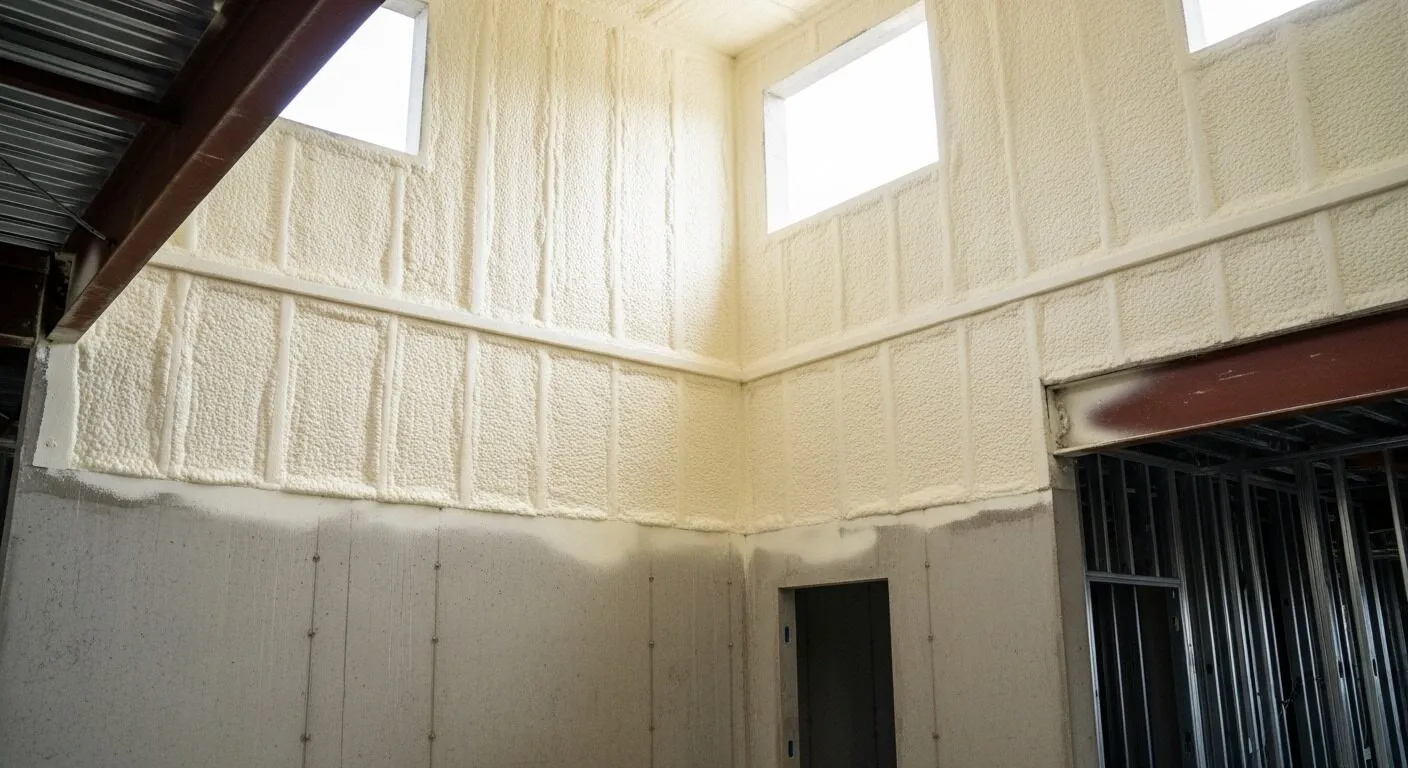
Step-by-Step Wall Insulation Guide for Lower Energy Bills in Seattle, WA
admin_cascadiaspray
March 5th, 2026
Living in Seattle means dealing with our famously damp climate and those long, chilly winter months. If you’ve ever opened your utility bill and wondered why your heating costs keep climbing, the answer might be hiding inside your walls. Proper wall insulation isn’t just about staying comfortable; it’s one of the most effective ways to reduce your energy bills and increase your home’s efficiency. This comprehensive guide will walk you through everything you need to know about insulating your walls in Seattle’s unique climate.
Drawing from years of experience working with Pacific Northwest homes, this guide covers the complete process from understanding your current insulation situation to selecting the right materials and installing them properly. You’ll learn about Seattle-specific building requirements, how to choose between different insulation types, and the step-by-step process for achieving maximum energy savings. By the end, you’ll have the knowledge to make informed decisions about your home’s insulation and potentially cut your energy bills significantly each year.
Understanding Seattle’s Climate and Insulation Needs
Seattle’s climate presents unique challenges for home insulation that differ significantly from other regions. The Pacific Northwest experiences mild but wet winters with average temperatures ranging from 35-45°F, combined with high humidity levels that can affect insulation performance. According to the U.S. Department of Energy, Seattle falls in a specific climate zone that requires targeted R-values for optimal energy efficiency.
The combination of cool, damp conditions means that moisture management is just as important as thermal resistance. Poor insulation can lead to condensation problems within wall cavities, potentially causing mold growth and structural damage over time. Seattle homeowners face significant annual heating costs, with uninsulated walls accounting for up to 35% of heat loss in many homes.
Local building codes in Seattle and King County have evolved to address these climate-specific challenges. The Seattle Residential Code requires minimum wall insulation values for new construction, but achieving optimal energy efficiency often requires going beyond these minimums. Many homes in the area were built before these standards were implemented, meaning countless Seattleites are living with inadequate insulation that’s costing them money every month.
How Wall Insulation Works: The Fundamentals
Understanding the science behind insulation helps you make better decisions about your home. Insulation works by slowing down the transfer of heat between your home’s interior and the outside environment. During Seattle’s winter months, heat naturally moves from warmer areas inside your house to the colder outdoors. In summer, the reverse happens. Effective insulation reduces this heat transfer, keeping your home’s temperature more stable without requiring as much energy for heating and cooling.
Heat moves through three primary mechanisms: conduction, convection, and radiation. Conduction occurs when heat travels through materials, like the wooden studs in your walls. Convection happens when heat moves through air currents, including those within wall cavities. Radiation involves heat transfer through electromagnetic waves, similar to how the sun warms your skin. Quality insulation addresses all three types of heat transfer simultaneously.
The effectiveness of insulation is measured by its R-value, which indicates resistance to heat flow. Higher R-values mean better insulating power. For Seattle’s climate, the International Energy Conservation Code recommends specific wall cavity insulation levels combined with continuous exterior insulation for optimal performance. However, achieving these values requires proper installation technique; even the best insulation material won’t perform well if installed incorrectly.
Key Takeaways
Seattle’s damp, cool climate requires insulation that handles both thermal and moisture challenges
Heat transfer occurs through conduction, convection, and radiation—good insulation addresses all three
Recommended R-values for Seattle walls exceed minimum building code requirements
Proper installation technique is as important as the insulation material itself
Types of Wall Insulation: Pros and Cons for Seattle Homes
Several insulation options work well in Seattle’s climate, each with distinct advantages and considerations. Choosing the right type depends on your home’s construction, your budget, and whether you’re installing in new construction or retrofitting existing walls.
Fiberglass Batts and Rolls
Fiberglass remains the most common insulation material due to its affordability and widespread availability. It consists of fine glass fibers spun into batts or rolls that fit between wall studs. It is generally considered one of the most budget-friendly options.
However, fiberglass has some limitations for Seattle homes. It can lose insulating value when exposed to moisture, which is a significant concern in our damp climate. It also requires careful installation to avoid gaps and compression that reduce its effectiveness. When properly installed with a vapor barrier, fiberglass can provide reliable insulation in Seattle, but it demands attention to detail during installation.
Spray Foam Insulation
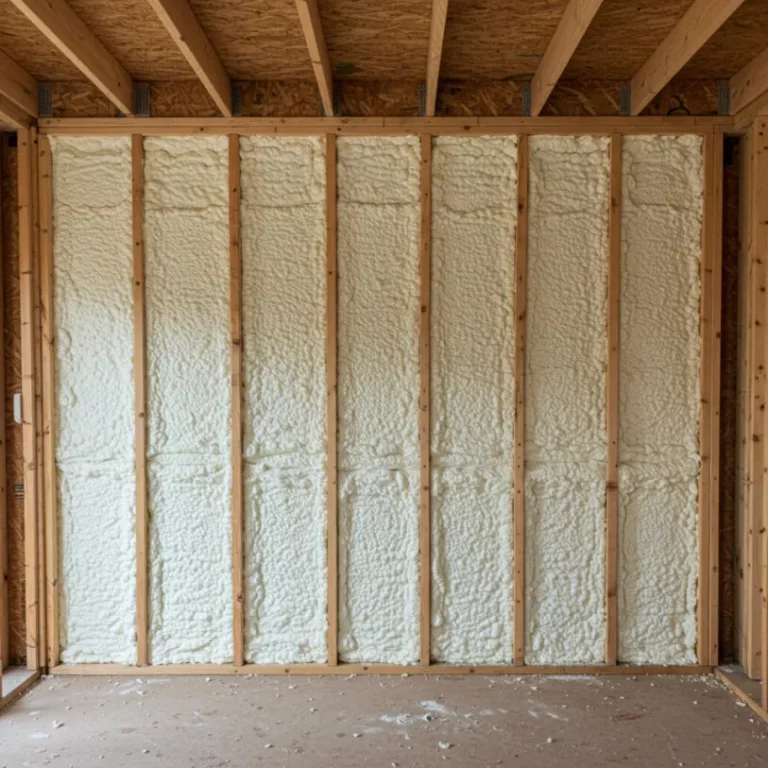
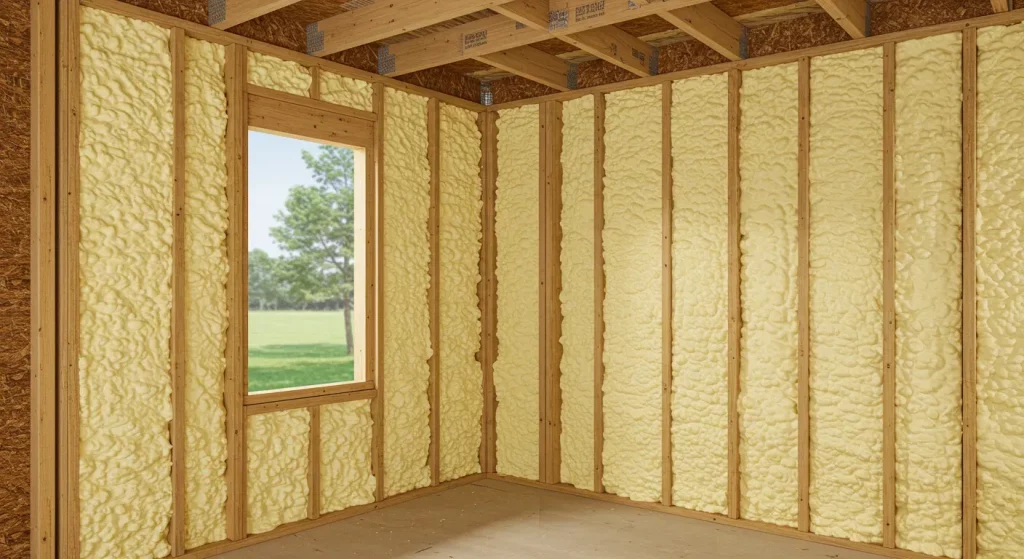
Spray foam insulation has gained popularity in Seattle for its superior air sealing properties and moisture resistance. It comes in two types: open-cell and closed-cell. Open-cell spray foam is less expensive but provides a lower R-value (around 3.5 per inch). Closed-cell spray foam offers a higher R-value (about 6.5 per inch) and acts as a vapor barrier, but represents a larger investment.
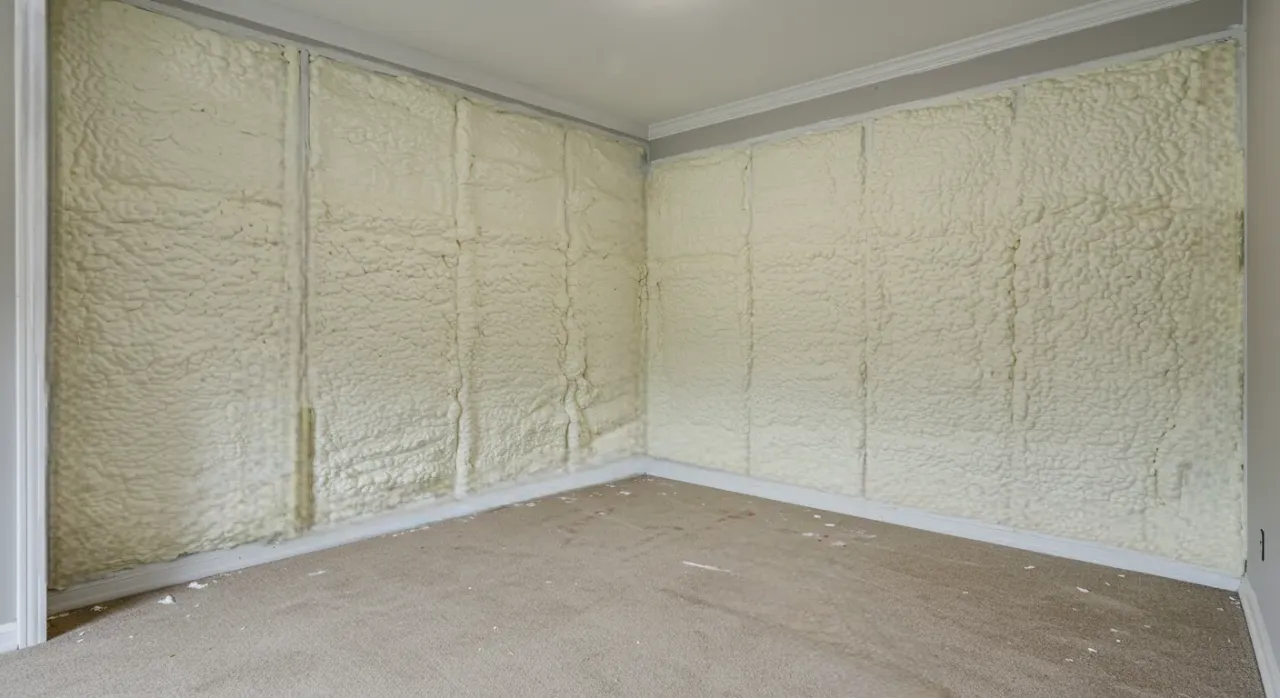
Spray foam’s biggest advantage is its ability to create an airtight seal, which is particularly valuable in Seattle’s drafty older homes. It also resists moisture penetration, reducing the risk of mold growth within wall cavities. The higher upfront cost can be offset by long-term energy savings, making it an excellent choice for homeowners planning to stay in their homes for many years.
Cellulose Insulation
Cellulose insulation consists of recycled paper treated with fire retardants. It’s an eco-friendly option that performs well in Seattle’s climate. Loose-fill cellulose is generally mid-range in terms of investment and provides good thermal performance at around R-3.5 per inch.
Cellulose’s dense composition makes it more resistant to air flow than fiberglass, and its ability to absorb and slowly release moisture helps manage humidity levels within wall assemblies. This characteristic makes it particularly well-suited for Seattle’s damp conditions. However, like fiberglass, it requires careful installation and proper vapor barriers to prevent moisture accumulation.
Rigid Foam Boards
Rigid foam insulation includes materials like expanded polystyrene (EPS), extruded polystyrene (XPS), and polyisocyanurate. These boards provide high R-values per inch (EPS: R-4, XPS: R-5, Polyiso: R-6.5) and excellent moisture resistance. They’re typically used as continuous exterior insulation but can also be installed on interior walls.
Rigid foam boards offer excellent performance in Seattle’s climate. Their moisture resistance makes them ideal for our wet conditions, and their high R-values allow for thinner wall assemblies. However, they require careful detailing around openings and penetrations to maintain the continuous insulation layer.
Insulation Comparison Table
Insulation Type
R-Value per Inch
Relative Cost
Moisture Resistance
Best for Seattle Homes
Fiberglass Batts
2.9-3.8
Low
Poor (requires vapor barrier)
Budget-conscious projects
Open-Cell Spray Foam
3.5-3.6
Moderate
Good
Retrofitting irregular spaces
Closed-Cell Spray Foam
6.0-6.5
High
Excellent
High-performance homes
Cellulose
3.2-3.8
Moderate
Moderate
Eco-conscious homeowners
Rigid Foam Boards
4.0-6.5
Moderate to High
Excellent
New construction and major renovations
Step-by-Step Wall Insulation Installation Guide
Proper installation is critical for achieving optimal insulation performance. This section covers the complete process from preparation through final inspection.
Step 1: Assess Your Current Insulation
Before installing new insulation, you need to understand what’s already in your walls. Start by carefully removing a small section of drywall in an inconspicuous area, such as behind a closet or furniture. Use a flashlight and an inspection mirror to examine the wall cavity. Take photos of what you find, including the type and depth of any existing insulation.
Check for signs of moisture problems like water stains, mold growth, or deteriorated materials. Also look for air leakage points around electrical boxes, plumbing penetrations, and at the top and bottom of wall cavities. Document everything you find. This assessment will guide your insulation strategy and help determine whether you need to address any issues before proceeding.
Expert Tip: Create a simple map of your walls, marking locations of insulation gaps, moisture problems, or air leakage points. This visual reference will prove invaluable during installation and help ensure you don’t miss any critical areas.
Step 2: Gather Tools and Materials
The specific tools you’ll need depend on your chosen insulation type, but most projects require some basic equipment:
For all insulation projects:
Utility knife and spare blades
Tape measure
Safety glasses and gloves
Dust mask or respirator
Caulk gun and caulk for air sealing
Expanding foam sealant for larger gaps
For fiberglass or cellulose installation:
Insulation knife or straightedge
Staple gun
Vapor barrier material and tape
For spray foam installation:
Spray foam gun (if not renting equipment)
Protective clothing and a full-face respirator
For rigid foam installation:
Foam board adhesive
Tape measure and straightedge
Saws or cutting tools suitable for foam
Always purchase slightly more material than your calculated needs to account for waste and mistakes. It’s frustrating to run short midway through a project.
Step 3: Prepare the Wall Cavities
Proper preparation ensures your insulation performs as intended. Start by addressing any moisture issues you discovered during your assessment. Repair leaks, replace damaged materials, and allow any wet areas to dry completely. This step is especially important in Seattle’s climate, where trapped moisture can lead to serious problems later.
Next, seal all air leakage points before installing insulation. Use caulk for small gaps and expanding foam for larger openings around pipes, wires, and electrical boxes. Pay special attention to the top and bottom of wall cavities (the top and bottom plates), as these are common leakage points. Air sealing is actually more important than the insulation itself for energy efficiency. Stopping air movement prevents drafts and reduces heat loss.
Finally, install any required vapor barriers according to Seattle building code requirements. In our climate, vapor barriers typically go on the warm-in-winter side of the insulation (the interior side of exterior walls). Use special tape to seal all seams and penetrations in the barrier material.
Step 4: Install the Insulation
The installation technique varies significantly by insulation type:
For fiberglass batts: Cut batts to fit snugly between studs without compression. Split batts around electrical boxes and wires to maintain full coverage. Avoid leaving gaps or compressing the material, as both reduce R-value. Use staples to hold batts in place, but don’t over-staple.
For spray foam: This typically requires professional equipment and expertise. The foam expands significantly, so apply it in thin layers rather than trying to fill cavities in one pass. Work systematically from bottom to top, allowing foam to cure between passes. Professional installation is recommended for best results.
For cellulose: Use a blower machine to fill wall cavities evenly. Density is key; too little and the material settles; too much, and it can cause wall damage. For retrofits, drill holes in the drywall (usually every stud cavity) and fill from there, patching holes afterward.
For rigid foam: Cut boards to fit snugly between studs or as continuous exterior insulation. Seal all seams with tape compatible with your foam type. Use special fasteners designed for foam boards to prevent compression.
Step 5: Verify Coverage and Performance
After installation, verify that all cavities are completely filled with insulation. Use a flashlight to check for gaps, especially in corners and around obstructions. For retrofit installations, consider thermal imaging to identify any missed spots or gaps in coverage.
If you’ve done everything correctly, you should notice an immediate improvement in home comfort. Rooms should feel more evenly heated, and you might even notice reduced outside noise. The real test comes with your next energy bill; many homeowners see savings of 10-20% after properly insulating their walls.
Key Takeaways
Thoroughly assess existing insulation before beginning your project
Air sealing is just as important as the insulation itself
Different insulation types require specific installation techniques
Proper installation is critical; poorly installed insulation performs badly regardless of material quality
Verify coverage before finishing walls to catch any gaps or problems
Moisture Management in Seattle’s Climate
Seattle’s high rainfall and humidity levels make moisture management a critical aspect of any insulation project. Without proper moisture control, even the best insulation can lead to problems like mold growth, wood rot, and reduced thermal performance.
The key to effective moisture management is understanding how water moves through building assemblies. In our climate, the primary moisture concern is water vapor migrating from warm interior spaces to colder exterior surfaces during the winter months. When this vapor reaches a surface below its dew point temperature, it condenses into liquid water, potentially causing damage.
Proper wall assembly design includes several components working together:
Interior vapor retarder: Controls moisture movement from inside your home
Air barrier: Stops moist air from flowing through the assembly
Insulation: Keeps wall surfaces above the dew point temperature
Drainage plane: Provides a path for any water that does penetrate
For Seattle homes, the building code generally requires a Class I or II vapor retarder on the warm-in-winter side of insulation. This could be polyethylene sheeting, foil-faced insulation, or specialized vapor-retarding paints. However, modern wall assemblies with exterior insulation may perform better without an interior vapor barrier in some cases. Consult with a local expert for your specific situation.
Expert Tip: Pay special attention to wall areas with higher moisture risk, such as bathrooms, kitchens, and laundry rooms. These spaces benefit from either higher-performing vapor barriers or additional ventilation to manage moisture loads effectively.
Common Seattle Insulation Challenges and Solutions
Every Seattle home presents unique challenges when it comes to wall insulation. Understanding these common issues helps you plan more effectively and avoid costly mistakes.
Dealing with Older Homes
Many Seattle homes were built before modern energy standards, creating specific insulation challenges. These older homes often have balloon framing that creates continuous air channels from the basement to the attic, allowing significant heat loss and air movement.
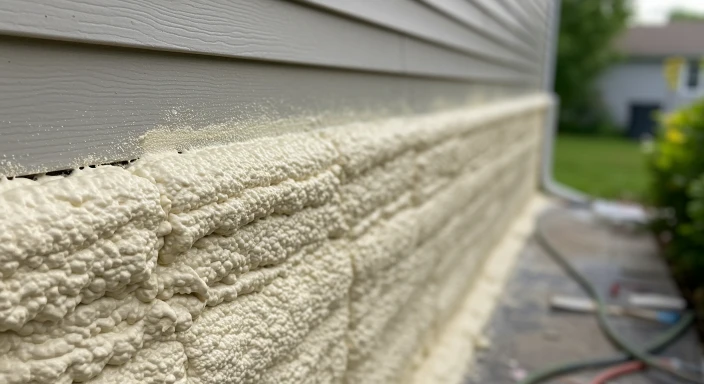
The solution typically involves air sealing these channels first, then adding insulation. This might mean drilling access holes in each stud cavity for blown-in insulation, or removing interior or exterior siding to add insulation from the outside. While more disruptive than new construction insulation, retrofitting older homes can yield dramatic energy savings and comfort improvements.
Insulating Hard-to-Reach Areas
Areas like cathedral ceilings, knee walls, and cantilevered floors present special challenges. These spaces often have limited access and complex framing that makes insulation difficult.
For cathedral ceilings, consider spray foam insulation or dense-pack cellulose, which can fill irregular spaces effectively. Knee walls benefit from insulation on both the attic side and living space side, with special attention to air sealing at the attic floor connection. Cantilevered floors typically need both insulation and air sealing to prevent cold drafts and heat loss.
Managing Vapor Barriers in Existing Walls
Adding insulation to existing walls creates vapor management challenges. Adding insulation without addressing vapor barriers can trap moisture between old and new materials.
The approach depends on your home’s construction and climate zone. In Seattle’s relatively mild climate, careful air sealing combined with the right insulation type often provides adequate moisture control without adding new vapor barriers. However, each situation is different; consider consulting with a building science professional for major renovation projects.
Measuring Your Insulation Success
How do you know if your insulation project is working? Several methods can help you measure the effectiveness of your wall insulation improvements.
Energy Bill Analysis
The most straightforward measurement is tracking your energy usage before and after insulation. Compare your heating bills from similar periods (for example, December-January before and after the project). Remember to account for weather differences; colder winters naturally require more heating energy.
Most homeowners see significant reductions in heating costs after properly insulating walls, with the higher end of that range typical for homes with little or no previous insulation. The actual savings depend on your home’s size, previous insulation levels, and heating system efficiency.
Comfort Improvements
Energy savings are important, but comfort improvements often matter more to homeowners. Well-insulated homes feel more comfortable throughout, with fewer cold spots and drafts. Temperature differences between rooms decrease, and your heating system runs less frequently while maintaining better comfort levels.
These comfort improvements are subjective, but real; you might notice your family spending more time in previously chilly rooms, or feeling more comfortable at lower thermostat settings. Many homeowners find they can reduce their thermostat setting by 2-3 degrees after insulation without sacrificing comfort.
Professional Energy Audits
For the most thorough measurement, consider a professional energy audit before and after your insulation project. These audits typically include blower door tests to measure air leakage and infrared thermography to identify thermal bridging and insulation gaps.
Professional auditors can provide detailed reports showing exactly how much your home’s performance improved. While these audits require an investment, they offer definitive proof of improvement and can identify any remaining issues that need attention.
Seattle-Specific Building Codes and Permits
Seattle has specific building code requirements for insulation that differ from national standards. Understanding these local requirements ensures your project meets legal standards and qualifies for any available rebates or incentives.
The Seattle Department of Construction and Inspections requires building permits for most insulation projects, especially when removing interior or exterior finishes. Permit requirements vary based on project scope:
Minor insulation additions without finish removal typically don’t require permits
Projects removing drywall or siding require permits
Major renovations involving insulation always need permits
Permit applications generally require insulation plans showing material types, R-values, and installation details. The process usually takes a few weeks, and final inspections verify proper installation according to approved plans.
Seattle’s energy code exceeds Washington state requirements in many areas. For walls, the code requires:
Minimum R-21 cavity insulation for new construction
Continuous exterior insulation for many wall assemblies
Air barrier requirements throughout the building envelope
Specific detailing requirements for thermal bridging
These requirements change periodically as codes are updated. Always check current requirements before starting your project, or work with a contractor familiar with local standards.
Financial Incentives and Rebates for Seattle Homeowners
Several programs help Seattle homeowners offset insulation costs through rebates, tax credits, and low-interest financing. These incentives can significantly improve the return on investment for your insulation project.
The Seattle City Light energy efficiency program offers rebates for insulation improvements depending on project type and existing insulation levels. These programs change periodically, so check current offerings before starting your project.
The federal government also provides tax credits for energy efficiency improvements. The Residential Energy Efficiency Tax Credit covers a percentage of insulation costs in most cases. This credit applies to materials costs but not labor for professional installation.
For comprehensive projects, Seattle homeowners can access low-interest financing through programs like the HomeWise Loan Program. These loans offer favorable terms for energy efficiency improvements, allowing you to finance insulation projects with monthly payments that are often lower than the resulting energy savings.
Expert Tip: Document all your insulation expenses thoroughly, including materials, labor, and related costs. Good documentation helps you maximize available rebates and tax credits while providing clear records of your investment in home efficiency.
Future-Proofing Your Insulation Investment
Building science continues evolving, and today’s insulation choices can affect your home’s future performance. Consider these long-term factors when planning your insulation project.
Smart Home Integration
Modern insulation works best when integrated with smart home technology. Programmable thermostats, smart vents, and zoning systems optimize the performance of well-insulated homes. These systems can detect when rooms reach desired temperatures and adjust heating accordingly, maximizing the benefits of your insulation investment.
Consider installing these systems during or immediately after your insulation project. The combination creates a more efficient home system rather than isolated improvements that work at cross-purposes.
Adaptability for Future Technologies
Your insulation choices today affect future retrofit possibilities. For example, exterior insulation makes future siding replacement more complex but provides better thermal performance. Interior insulation preserves existing finishes but reduces interior space.
Think about likely future improvements when making insulation decisions. If you plan to replace siding soon, that’s the perfect time to add exterior insulation. If electrical system upgrades are on your horizon, interior insulation projects might wait until after that work is completed.
Climate Resilience
Seattle’s climate is gradually changing, with warmer, wetter winters becoming more common. Your insulation choices today should prepare your home for these changing conditions.
This might mean choosing moisture-resistant insulation like spray foam or rigid foam over materials that perform poorly when wet. It also means excellent air sealing to handle increased wind loads and careful vapor management for changing temperature differentials.
Putting Your Wall Insulation Strategy into Action
Proper wall insulation represents one of the most effective investments you can make in your Seattle home. By following this comprehensive guide, you now have the knowledge to assess your current situation, choose appropriate materials, and oversee proper installation for maximum energy savings and comfort.
Remember that successful insulation projects require attention to detail—from thorough assessment and air sealing to careful installation and verification. Each step builds on the previous one, creating a comprehensive thermal envelope that keeps your home comfortable while reducing energy waste.
Use this guide as a reference throughout your project, and don’t hesitate to consult local professionals for complex situations or when specialized expertise is needed. The most successful insulation projects often combine homeowner knowledge with professional execution, ensuring the best possible results for your specific home and situation.
Need Expert Guidance?
While this guide provides comprehensive information for tackling wall insulation projects, sometimes professional expertise makes the difference between good results and exceptional ones. Cascadia Spray Foam specializes in Seattle-area insulation solutions, bringing years of experience with our unique climate and building conditions. Whether you need help with material selection, complex installations, or just want professional verification of your DIY work, expert guidance is available. Contact Cascadia Spray Foam at [email protected] or (425) 386-3500 to discuss your specific insulation needs and explore how professional services might enhance your energy efficiency results.
Frequently Asked Questions About Wall Insulation
How much insulation do Seattle walls need?
Seattle falls in Climate Zone 4, which requires minimum R-13 cavity insulation for existing walls and R-15 for new construction according to current codes. However, optimal performance typically requires R-21 cavity insulation or R-13 cavity insulation with R-5 continuous exterior insulation. These higher values provide better energy efficiency and comfort in Seattle’s damp climate.
Can I install wall insulation myself?
DIY installation is possible for certain insulation types, particularly fiberglass batts in accessible wall cavities. However, other types like spray foam require specialized equipment and expertise. Even for DIY-friendly materials, proper installation technique is critical for performance. Consider professional installation for best results, especially in complex situations or when working with spray foam.
How much does wall insulation cost in Seattle?
Costs vary significantly by insulation type, project complexity, and home size. Fiberglass is generally the most affordable option, while spray foam represents a higher investment due to its superior performance properties. Labor adds additional costs for professional installation. It is best to get multiple quotes to understand the investment required for your specific home.
Will adding insulation damage my home’s character?
For historic Seattle homes, insulation can be added without compromising character. Exterior insulation preserves interior spaces and original finishes, while interior insulation maintains exterior appearance. Modern materials like thin-profile insulation and careful detailing allow improvements while preserving architectural character. Consult with a historic preservation specialist for important buildings.
How long does wall insulation last?
Most insulation materials last for the life of the building when properly installed. Fiberglass, cellulose, and spray foam typically don’t degrade significantly over time. However, insulation performance can decrease if damaged by moisture or pests. Regular inspections ensure your insulation continues performing effectively throughout your home’s life.
Is spray foam insulation worth the extra cost in Seattle?
Spray foam insulation provides superior air sealing and moisture resistance, making it particularly valuable in Seattle’s climate. While it costs more upfront than other options, the higher energy savings and reduced risk of moisture problems often justify the expense. For homeowners planning to stay in their homes long-term, spray foam’s performance advantages typically offset the initial cost difference.
Sources
U.S. Department of Energy – Climate zone recommendations and insulation guidelines for different regions of the United States
Seattle Residential Code – Local building code requirements specific to Seattle, including insulation standards and permit requirements
Seattle City Light – Current energy efficiency rebate programs and incentives for Seattle homeowners making insulation improvements
Open cell spray foam stands out for these applications because it expands aggressively to fill cavities, seals air leaks on contact, and remains vapor-permeable so building assemblies can dry. According…
The most effective residential insulation methods in Bremerton for reducing energy waste include spray foam insulation, blown-in cellulose, fiberglass batts, and rigid foam board, each suited to different areas of…
Closed-cell spray foam stands apart from other insulation materials because it handles water, air, vapor, and heat control simultaneously in a single application. According to the Building Science Corporation, spray…