How Does Residential Insulation in Seattle, WA Help Lower Energy Bills and Improve Home Comfort?
Melissa Grant
October 21st, 2026
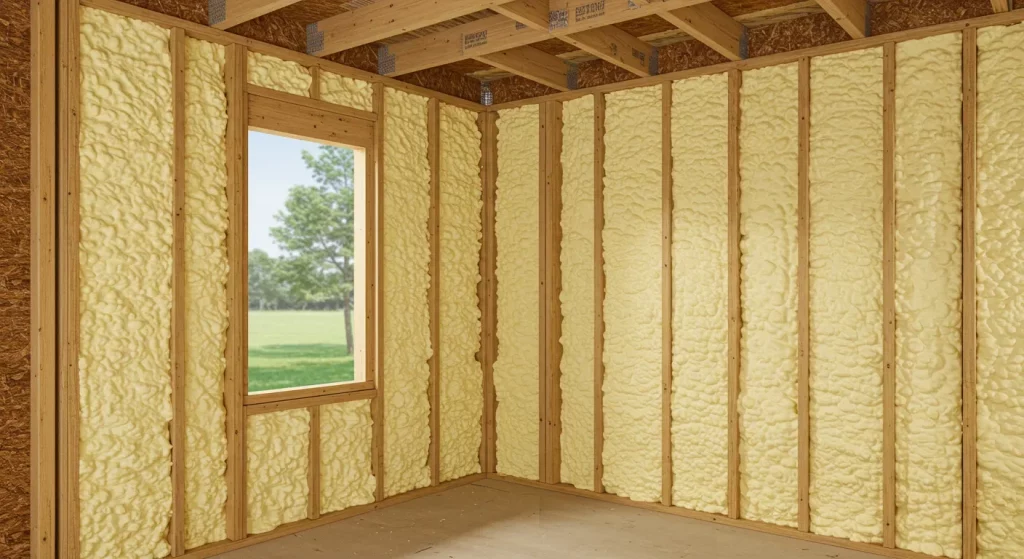
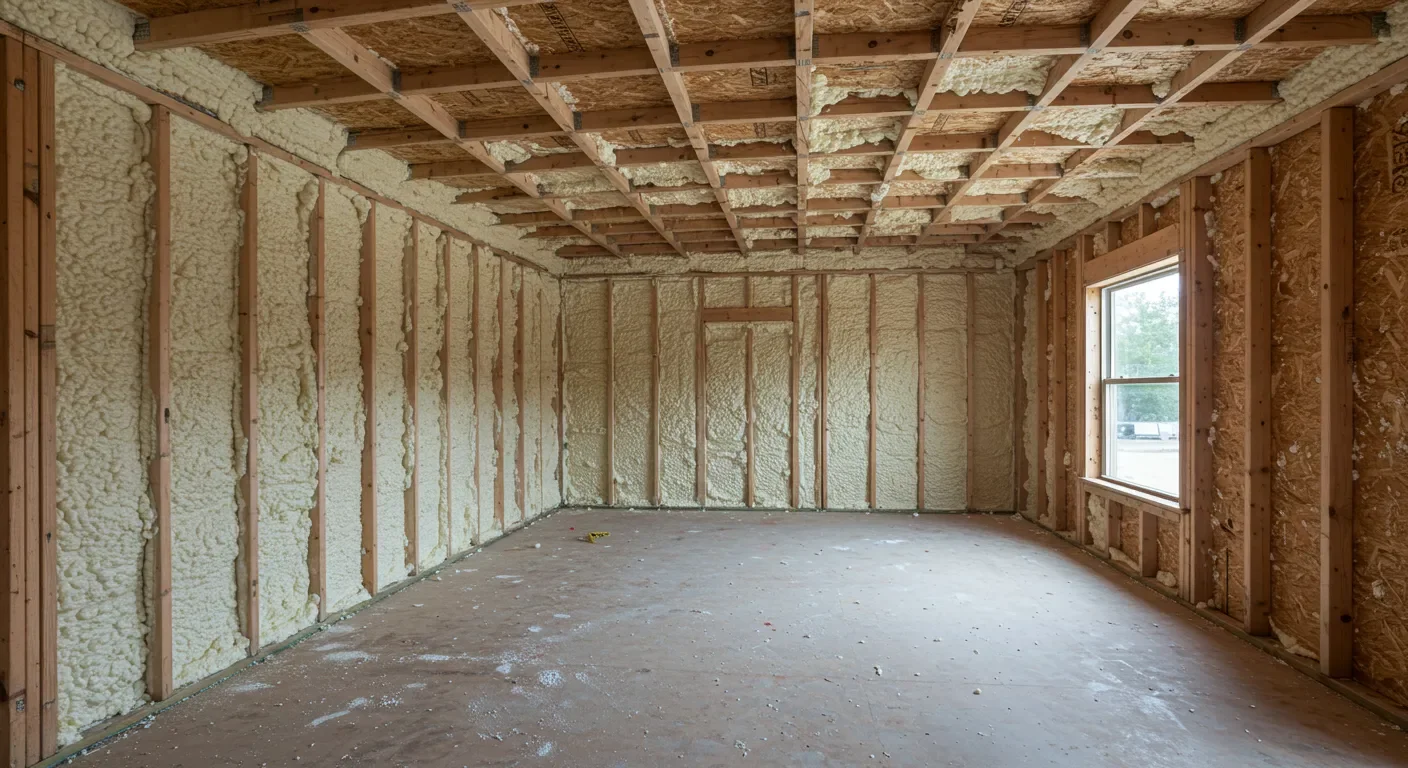
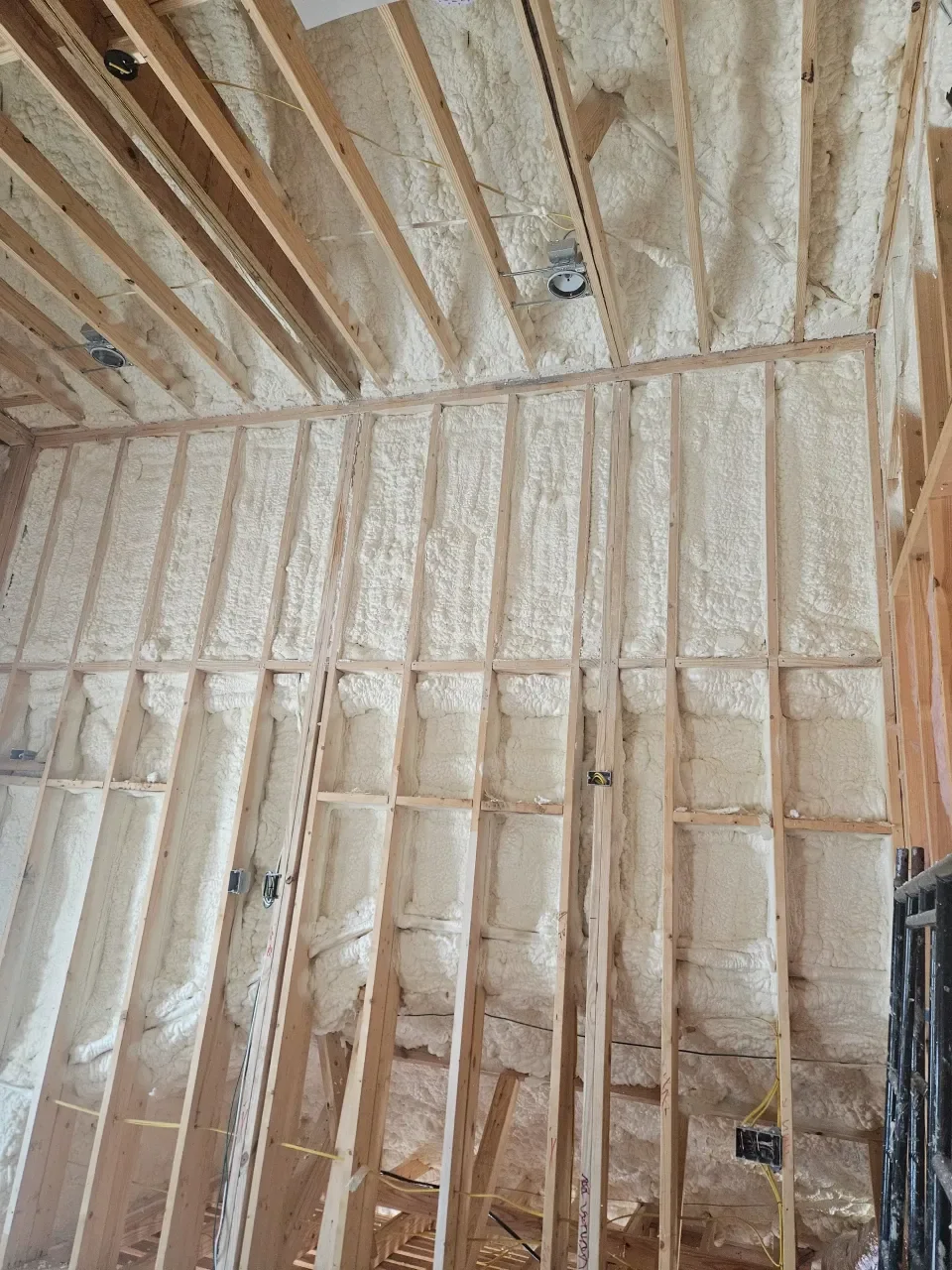
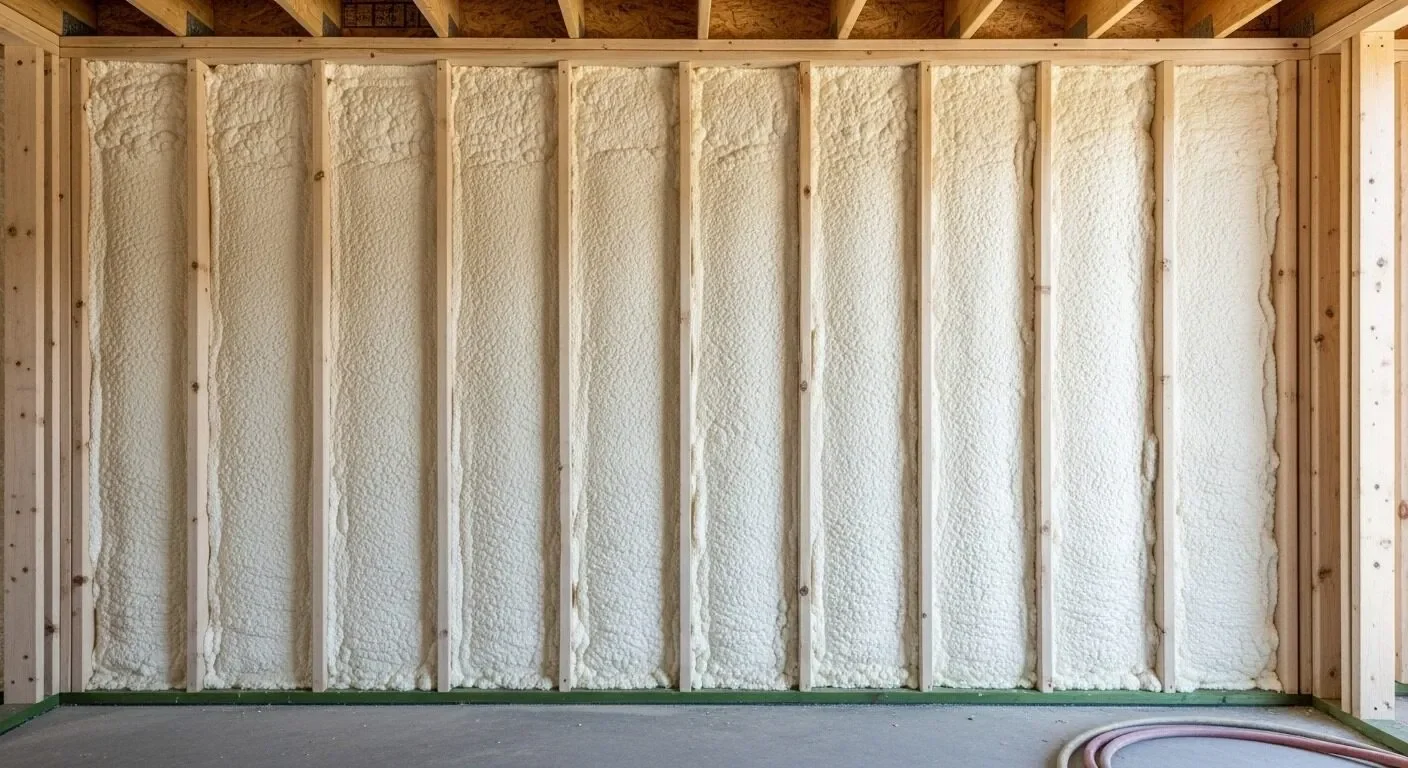
Insulation slows the heat your furnace or heat pump makes from leaking out through the attic, walls and floors. Your system runs less, your bills drop, and the house stays warmer with fewer drafts. Pair it with air sealing and you get the kind of residential insulation comfort Seattle WA homeowners notice all through our long, damp heating season. Explore our residential insulation guide to learn how insulation and air sealing can improve indoor comfort.
TL;DR:
Heat always moves from warm spaces to cold ones. Insulation slows that movement.
The EPA puts average savings at 15% on heating and cooling, or 11% on total energy costs, for homes that air seal and add insulation in attics, floors over crawl spaces and basements.
Seattle sits in the DOE’s Marine 4 zone, which calls for R60 in an uninsulated attic.
Air leaks matter as much as R-value. Seal first, then insulate.
Moisture, compressed batts and gaps quietly cut performance in older Seattle homes.
Why Seattle Homes Lose So Much Heat
Seattle doesn’t get brutal cold, but it gets a long, gray stretch of chilly, wet months. That means your heating system runs for a big part of the year. Small losses add up over that much run time.
How Heat Escapes Your House
According to the U.S. Department of Energy, heat in winter moves from your heated rooms into colder attics, garages, basements and the outdoors, and your heating system has to replace every bit of it. Good residential heat loss control simply slows that flow. Less heat lost means less heat your furnace or heat pump has to make, and you pay for less fuel or electricity. To make your home more energy efficient, explore insulation services for residential properties that help address unwanted heat loss.
What Seattle’s Climate Adds
Our damp air matters too. The DOE notes that most insulation’s R-value can drop with moisture buildup, aging and temperature. A crawl space with wet, sagging batts or an attic with old, flattened fill may look insulated but won’t perform like it.
How Insulation Lowers Your Energy Bills
Savings come from two things working together: slowing heat through solid surfaces and stopping air from slipping through gaps. Most homes need both.
R-Value and Residential Thermal Insulation
R-value measures how well a material resists heat flow. Higher numbers insulate better, and the rating depends on the material type, thickness and density. Residential thermal insulation only delivers its rated R-value when it’s installed right. Compressed insulation won’t reach its full rating, and wood studs and joists let heat bypass the insulation through thermal bridging. To learn more about our insulation services, view our business profile on Google Maps.
Air Sealing Does Half the Work
Warm air escaping through gaps around light fixtures, plumbing holes and attic hatches pulls heat out fast. Insulation alone doesn’t stop that. That’s why the EPA savings estimate covers sealing and insulating together, not insulation by itself.
Example: if your heating and cooling cost $1,000 a year, a 15% cut would save about $150 a year. Your real number depends on your home, your system and your energy rates.
How Insulation Makes Your Home More Comfortable
Lower bills are the number most people track, but comfort is often what they notice first. A well-insulated house holds steady temperatures instead of swinging between too warm and too cold.
Beyond savings, the ENERGY STAR program lists comfort gains from sealing and insulating: less outside noise, less pollen, dust and pests getting in, and better humidity control. You’ll also see fewer cold floors over crawl spaces and fewer drafty rooms near exterior walls.
Insulation helps in summer, too. During Seattle heat waves, an under-insulated attic lets heat pour into upstairs bedrooms. Better attic insulation performance keeps those rooms closer to the rest of the house.
Can Insulation Alone Fix High Energy Bills?
Not always. Insulation does a lot, but it’s one part of a bigger home energy conservation picture. An aging furnace, leaky ducts or old single-pane windows can still drain money after the attic is done.
Savings also vary from house to house. A home with almost no attic insulation will see a bigger change than one that only needs a top-up. That’s why an inspection before any work makes sense.
If money is tight, check local help. Seattle City Light points income-qualified households to the HomeWise Weatherization Program, which covers insulation, duct sealing, heat pump installation and appliance upgrades at no cost, with eligibility based on income and home location.
Get a Warmer Home and Lower Bills With Cascadia Spray Foam
If your Seattle home has cold rooms, drafty floors or heating bills that keep climbing, we can help. At Cascadia Spray Foam, we inspect your attic, walls and crawl space, find where heat and air are escaping, and recommend the insulation that fits your home and budget.
Does residential insulation increase home comfort during Seattle’s rainy season?
Yes. Properly installed insulation helps maintain indoor temperatures during Seattle’s cool, damp weather. Addressing moisture issues alongside insulation also helps protect its performance.
Why do some rooms in Seattle homes stay colder even when the heat is on?
Uneven temperatures can result from missing insulation, air leaks, poorly sealed ducts, or inadequate heating distribution. An energy assessment can help identify the cause.
Is upgrading insulation worthwhile if my Seattle home already has some insulation?
Yes, if the existing insulation is insufficient, unevenly installed, or deteriorated. Adding insulation where needed can improve energy efficiency and reduce temperature differences between rooms.
Can residential insulation help reduce energy waste in Seattle homes with heat pumps?
Yes. Insulation reduces heat transfer through the building envelope, helping a heat pump maintain the desired indoor temperature with less heating demand.
What should Seattle homeowners consider before investing in insulation upgrades?
Consider the home’s current insulation levels, air leakage, crawl-space or attic moisture, and heating costs. Prioritizing the areas with the greatest energy loss can help make the upgrade more effective.
Sources
U.S. Department of Energy – How heat flow and R-value work, moisture and compression effects, and Marine 4 R-value recommendations.
ENERGY STAR – EPA’s 15% average savings estimate and comfort benefits of sealing and insulating.
Seattle City Light – HomeWise Weatherization Program for income-qualified Seattle households.
I’m Melissa Grant, owner of Cascadia Spray Foam Insulation, with over 10 years of hands-on spray foam experience. I focus on durable insulation solutions, improved comfort and energy efficiency, and excellent customer service.
Insulation slows the heat your furnace or heat pump makes from leaking out through the attic, walls and floors. Your system runs less, your bills drop, and the house stays…
Open-cell spray foam reduces noise in Bellevue homes in two ways. Using open-cell spray foam noise Bellevue, WA solutions seals the cracks and gaps that let sound leak in, while…
In Tacoma, closed-cell spray foam bonds to studs and sheathing. Choosing a Closed-Cell Spray Foam Structure in Tacoma, WA helps make walls stiffer when wind pushes on them. Its dense,…