How Does Closed-Cell Spray Foam in Tacoma, WA Help Strengthen Structures and Resist Moisture Damage?
Melissa Grant
October 15th, 2026
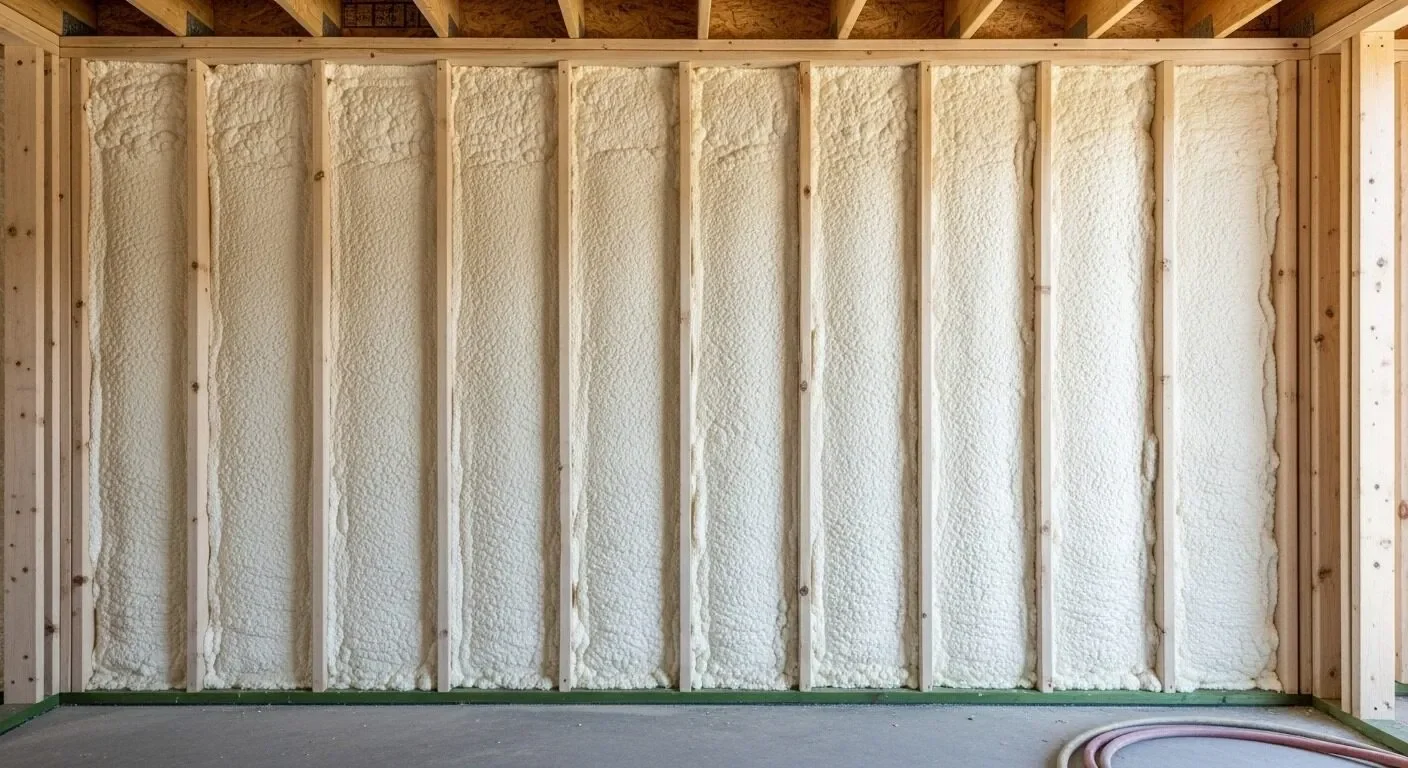
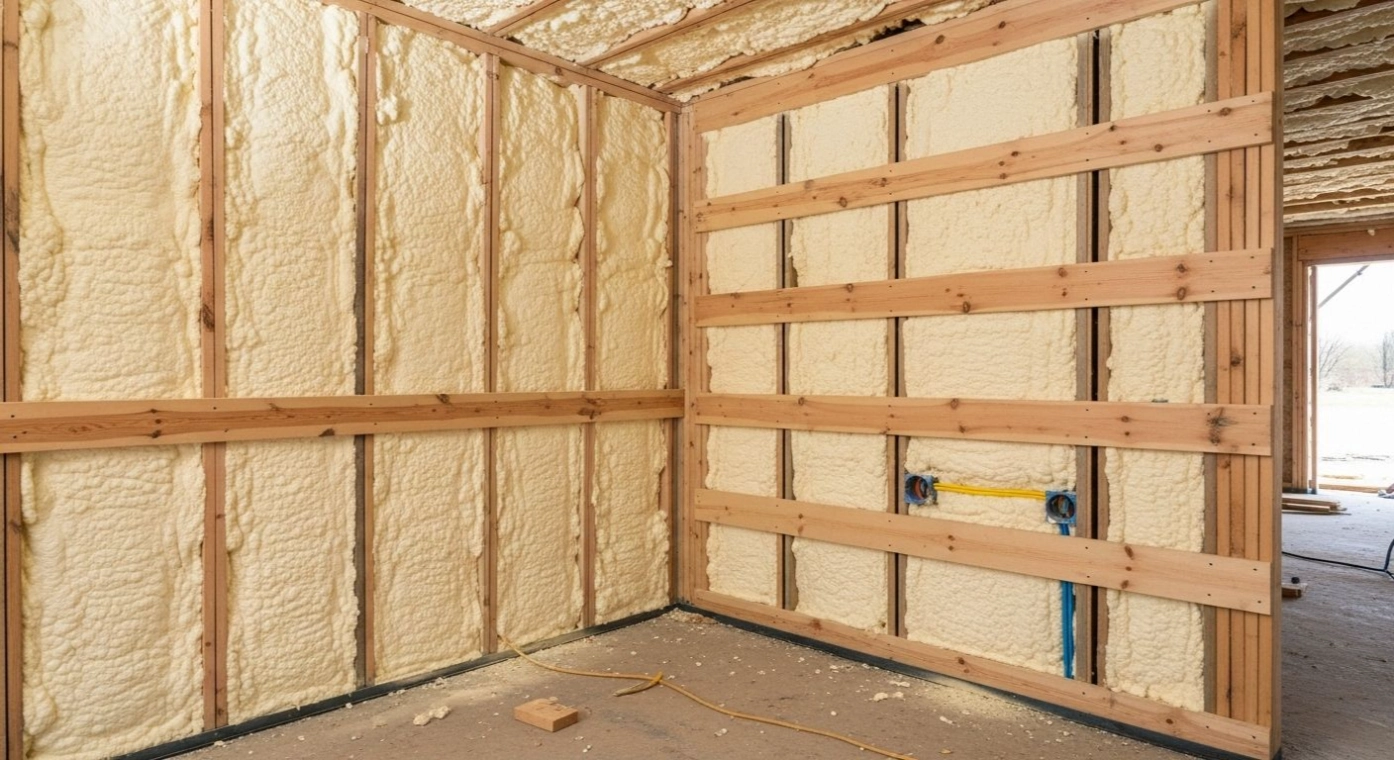
In Tacoma, closed-cell spray foam bonds to studs and sheathing. Choosing a Closed-Cell Spray Foam Structure in Tacoma, WA helps make walls stiffer when wind pushes on them. Its dense, closed cells also block air, water vapor and liquid water, so framing stays drier through the long wet season. It works best as one part of a full moisture plan. It doesn’t replace flashing, house wrap or the bracing your plans call for.
TL;DR
Closed-cell foam weighs about 2 lb per cubic foot and gives roughly R-6 per inch.
At about 2 inches thick, it works as a vapor retarder.
In tests, foam-filled walls resisted racking much better than empty or batt-filled walls.
FEMA rates closed-cell foam as acceptable flood damage-resistant insulation. Fiberglass and open-cell foam are rated unacceptable.
It costs more per R-value than open-cell foam, and sealed walls dry slowly, so the details matter.
Why Tacoma’s Climate Puts Moisture First
Before talking about strength, it helps to know what Tacoma buildings face every year. Most of the damage we see starts with water, not wind.
Tacoma-area permit forms use the Washington State Energy Code requirements for Climate Zone Marine 4. The city averages about 41 inches of rain a year, and November is usually the wettest month. Framing, sheathing and rim joists spend months surrounded by damp air. Wood that stays wet can rot, grow mold and lose its grip on nails. Insulation that soaks up water also loses R-value in the cold months, when you need it most.
How Closed-Cell Foam Structural Support Works
One of the notable benefits of closed-cell foam insulation is its ability to bond with nearby building materials. Closed-cell foam cures hard and sticks firmly to whatever it touches. In a stud wall, it glues the sheathing to the framing in every bay. The wall then moves as one panel instead of flexing at each nail.
What the Racking Tests Show
Racking is the sideways push a wall takes from wind or ground shaking. The U.S. Department of Energy’s Building America guide says closed-cell foam is about ten times stronger than open-cell foam under compression and seven times stronger under tension, and studies found it substantially raises the racking strength of framed walls.
Reported gains vary by source. Tests by the Spray Polyurethane Foam Alliance showed racking strength increases of 70 to 200 percent across walls sheathed with OSB, plywood, drywall and other materials. Some industry articles cite NAHB research showing gains of up to 300 percent. Both figures come from foam-industry sources, and results depend on sheathing, foam density and thickness. We treat the added stiffness as a bonus, not a stand-in for shear walls or hold-downs. To learn more about our services and explore customer feedback, Find Us on Google.
Roofs and Rim Joists
The same gluing effect helps at the roof deck. University of Florida researchers found that thicker foam applied under the roof deck gave much more uplift strength than nails alone. At rim joists, closed-cell foam seals one of the leakiest spots in most houses. Batts are hard to fit well there.
Closed-Cell Foam Moisture Resistance in a Wet Climate
Strength only lasts if the wood stays dry. Here closed-cell foam differs sharply from open-cell foam and fiberglass.
Vapor and Air Control
More than 90% of the cells stay closed. At 2 inches, the foam rates under 1 perm, which makes it a vapor retarder. It also repels water and won’t soak it up. By contrast, open-cell foam can hold a lot of water, up to about a third of its volume. Less air leakage also means less warm, wet indoor air reaching cold sheathing, where it would condense.
Flood and Crawl Space Protection
FEMA Technical Bulletin 2 rates spray polyurethane foam and closed-cell plastic foams as acceptable flood damage-resistant insulation. Fiberglass, mineral wool, cellulose and open-cell foams are rated unacceptable. To pass, a material has to survive at least 72 hours of contact with floodwater and need nothing more than cosmetic repair afterward. That matters for crawl spaces and foundation walls in low-lying parts of Pierce County.
Closed-Cell Foam Thermal Performance and Building Durability
R-value per inch affects both comfort and how much cavity space you have to work with. The table below compares the two spray foam types, using the DOE guide’s figures.
Property
Closed-cell
Open-cell
Density
~2.0 lb/cu ft
~0.5 lb/cu ft
R-value per inch
~R-6.1
~R-3.6
Vapor at thickness
<1 perm at 2″
~10 perms at 5″
Absorbs water
No
Yes
FEMA flood rating
Acceptable
Unacceptable
Dry framing lasts longer. Stiffer walls also mean less movement from wind, vibration and everyday use. Over time, that can mean fewer drywall cracks and fewer loose fasteners.
Where Does Closed-Cell Foam Wall Protection Pay Off Most?
Not every cavity needs closed-cell foam. In Tacoma, these spots usually give the best return:
Rim joists and mudsills: small areas, big air leaks.
Crawl space and foundation walls: the DOE guide lists closed-cell foam as the preferred choice below grade.
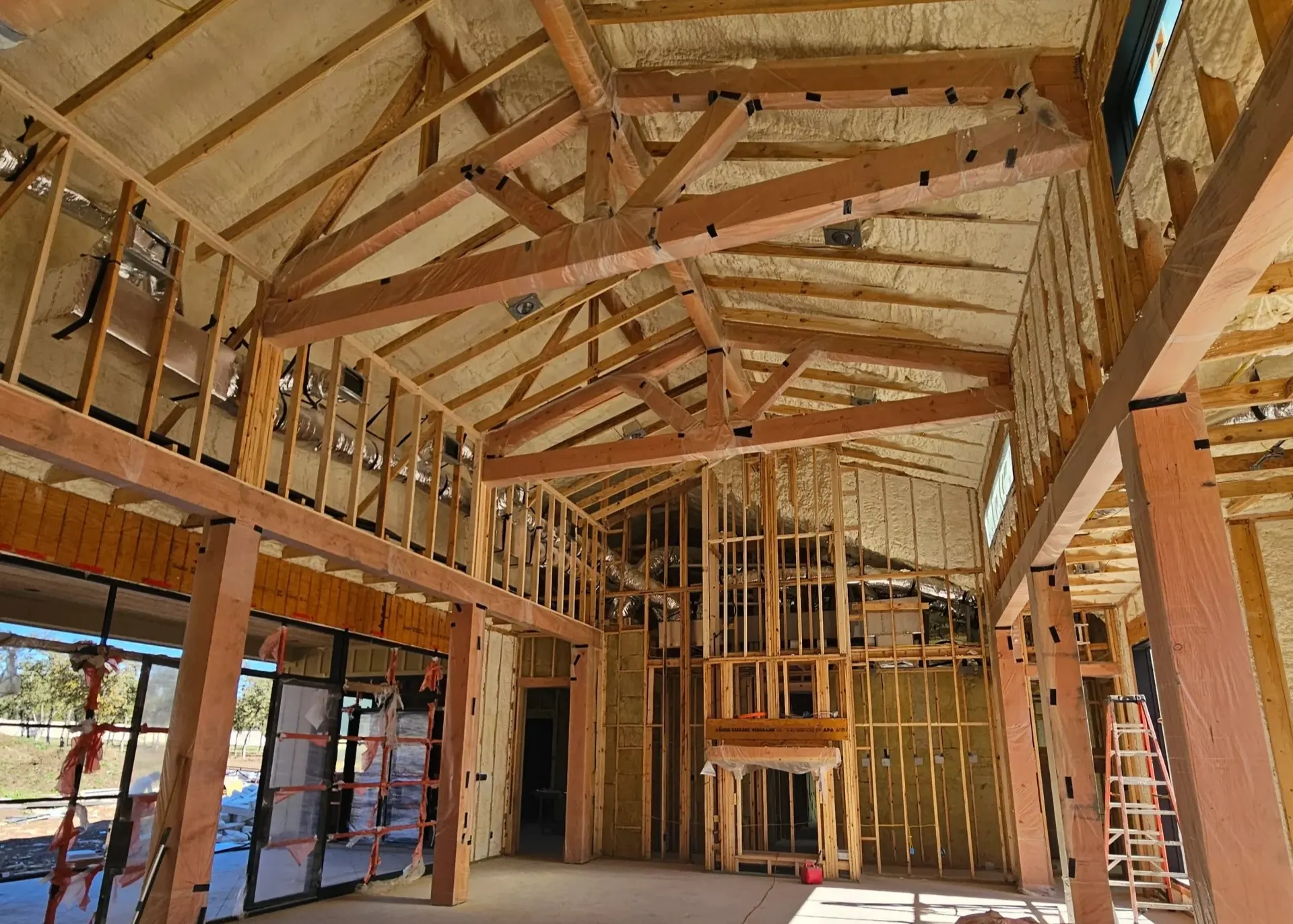
Exterior walls during remodels or new builds: full-fill, or a “flash” layer with batts behind it.
Unvented roof decks: building-science forum contributors in western Washington have warned that open-cell foam can hold moisture under roof sheathing.
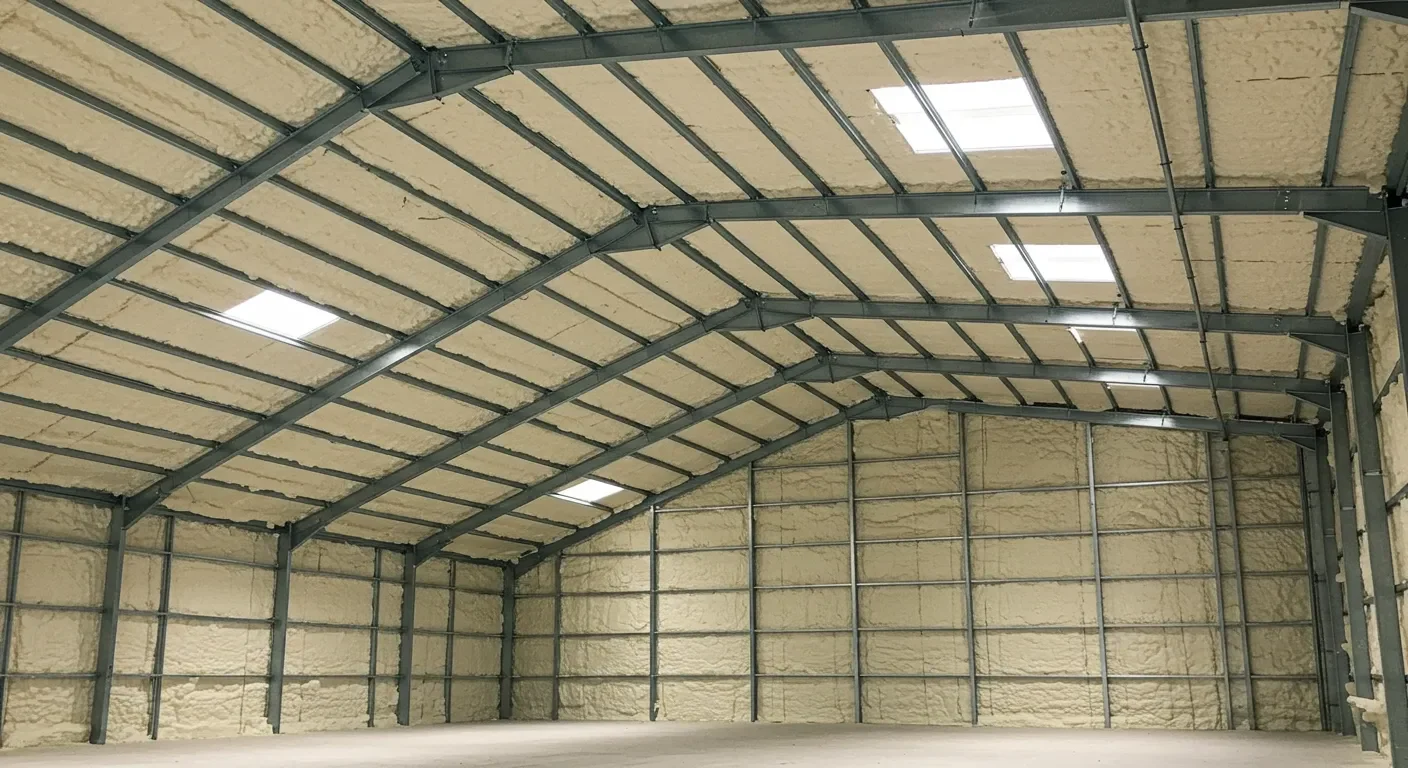
Metal shops and post-frame buildings: thin metal panels on post frames can gain more racking strength from foam than heavier panels do.
Trade-Offs to Weigh Before You Spray
Closed-cell foam isn’t the right fit for every job. Here are the downsides to know up front.
Cost: One Tacoma cost estimate puts closed-cell foam at about $1.20 to $1.70 per board foot, versus $0.70 to $1.00 for open-cell. Get written quotes for your own project.
Slow drying: once sheathing gets wet from a bulk leak, it has to dry toward the outside, so the drainage plane and siding have to allow for that.
Hidden roof leaks: water won’t pass through the foam, so a worn roof can leak for a while before anyone notices.
Fire code: foam in living spaces usually needs a 15-minute thermal barrier, such as ½-inch drywall.
Blowing agents: some builders limit closed-cell foam because many products use blowing agents with high global warming potential. Ask which formulation will be used.
Quick Checklist Before Hiring an Installer
Fix roof, gutter and flashing leaks first.
For hybrid walls, confirm the foam is thick enough. The DOE guide calls for at least 1½ inches so the inner face of the foam stays above the dew point.
Skip interior plastic vapor barriers over hybrid foam walls.
Ask for the product data sheet and its re-occupancy time.
Plan how long you’ll be out of the house. The U.S. EPA advises getting re-entry guidance from your contractor before installation, since cure times depend on the product.
Talk to Cascadia Spray Foam About Your Tacoma Project
If you’re dealing with a damp crawl space, drafty rim joists or a wall you want stiffer and drier, we can walk through the options with you. Cascadia Spray Foam serves Tacoma, WA. Call (425) 386-3500 or email [email protected] to set up an assessment.
FAQs
Is closed-cell spray foam waterproof?
It’s water-resistant, not a full waterproofing system. You still need a proper drainage plane and good flashing.
Do you need a vapor barrier with spray foam insulation?
Usually not with about 2 inches or more of closed-cell foam. Adding plastic sheeting on the inside can trap moisture.
What is the R-value of 2 inch closed-cell spray foam?
About R-12, at roughly R-6 per inch. Exact values vary by product.
Is closed-cell spray foam worth the money?
It pays off most in wet spots, tight cavities and places that need extra stiffness. For simple attic floors, cheaper insulation often makes more sense.
Can you sleep in the house after spray foam insulation?
Only after the manufacturer’s re-occupancy time has passed. Your installer should give you that time in writing.
I’m Melissa Grant, owner of Cascadia Spray Foam Insulation, with over 10 years of hands-on spray foam experience. I focus on durable insulation solutions, improved comfort and energy efficiency, and excellent customer service.
Spray foam insulation seals building gaps because the foam expands, bonds to the framing, and cures into one airtight layer that follows every angle. Batts and boards can’t hug odd…
Insulation-based temperature control comes down to one job: slowing heat flow so every room gains or loses heat at about the same pace. Fill the weak spots with the right…
Quick answer: Cutting commercial insulation heat loss on a large building means treating the whole envelope as one system. Insulation slows heat moving through walls, roofs, and ceilings. Air sealing…