How Can Open-Cell Spray Foam in Bellevue, WA Improve Indoor Acoustics and Reduce Outside Noise?
Melissa Grant
October 15th, 2026
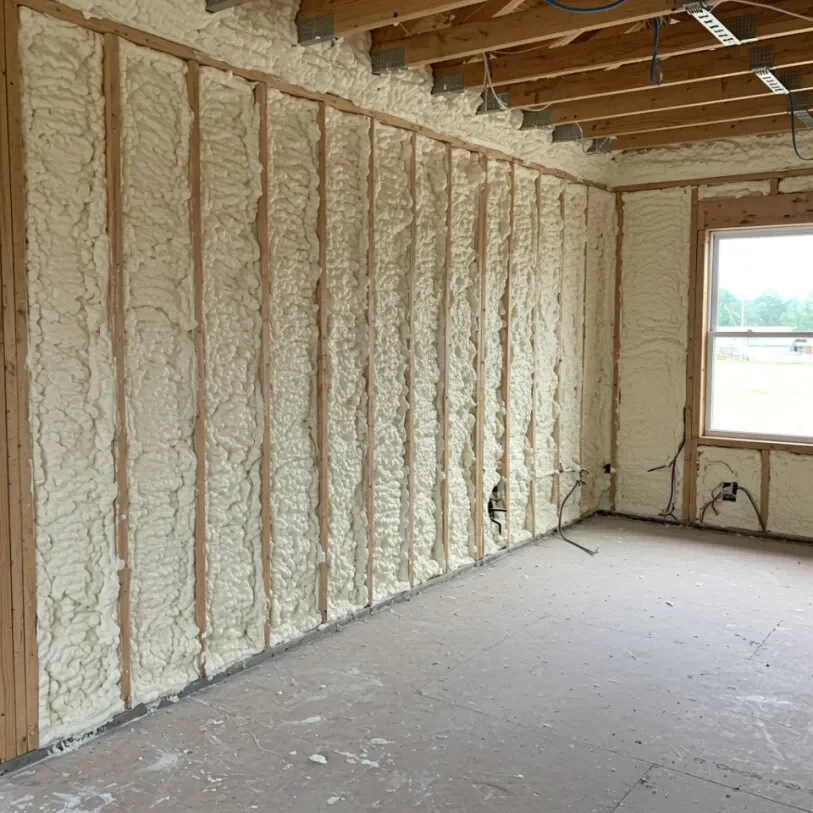
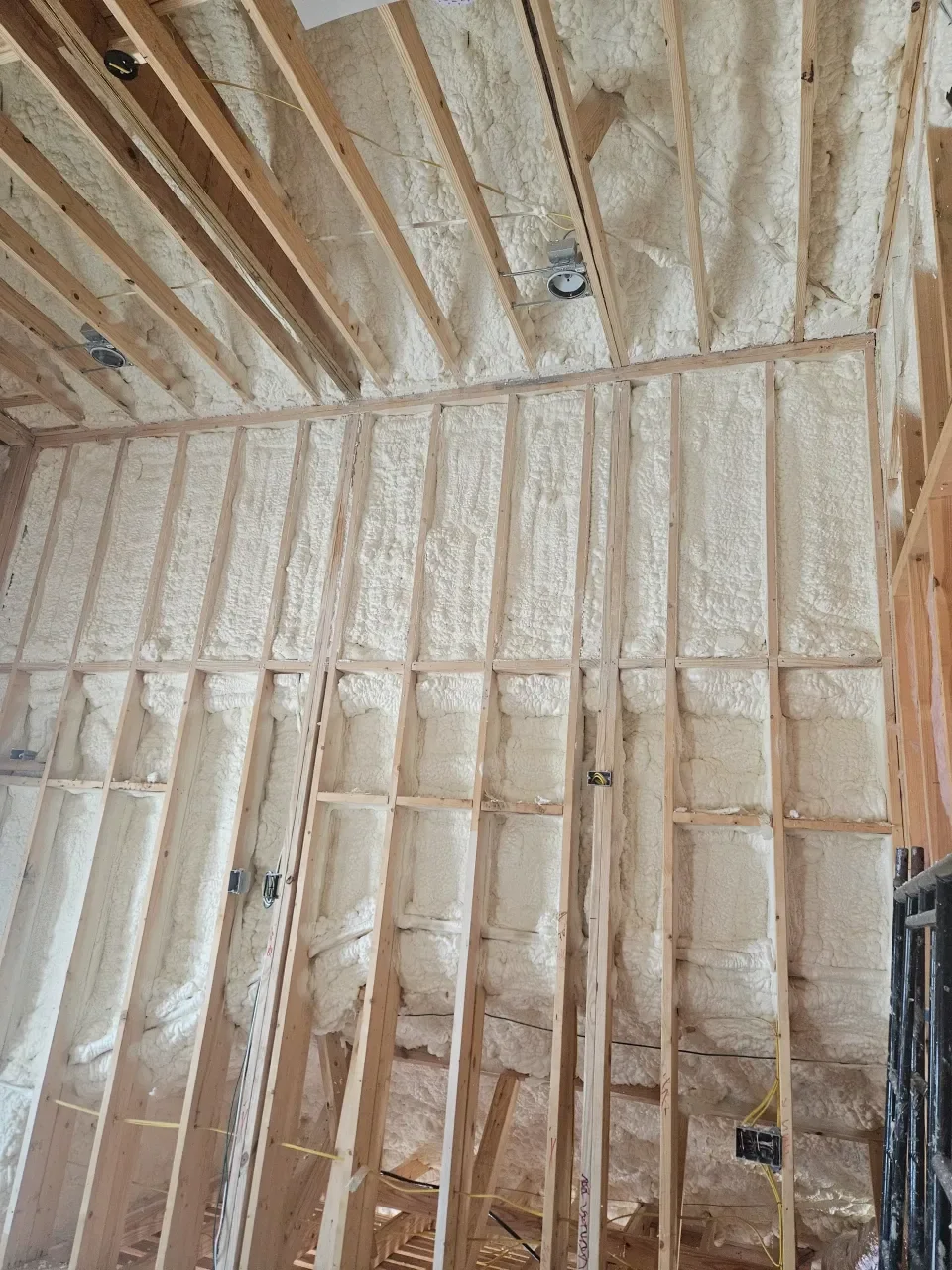
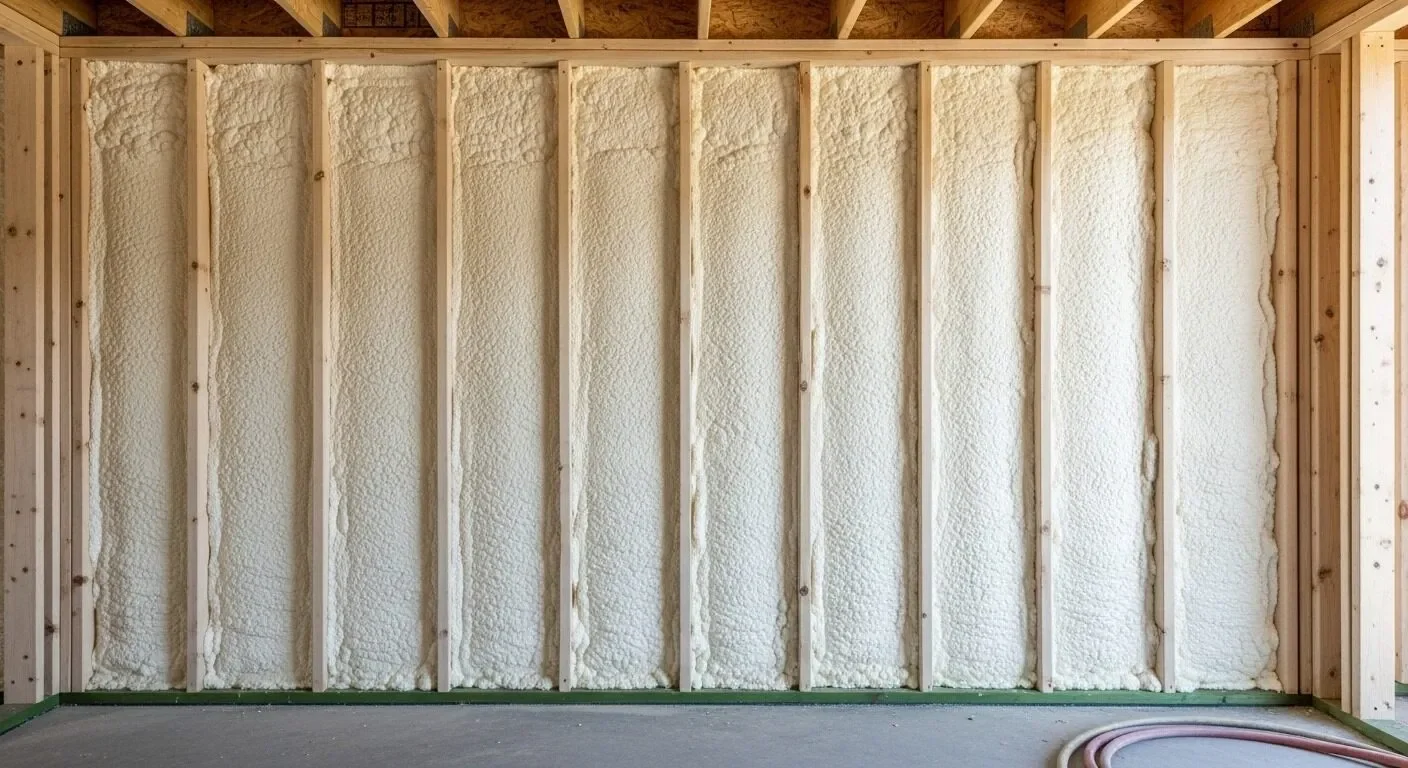
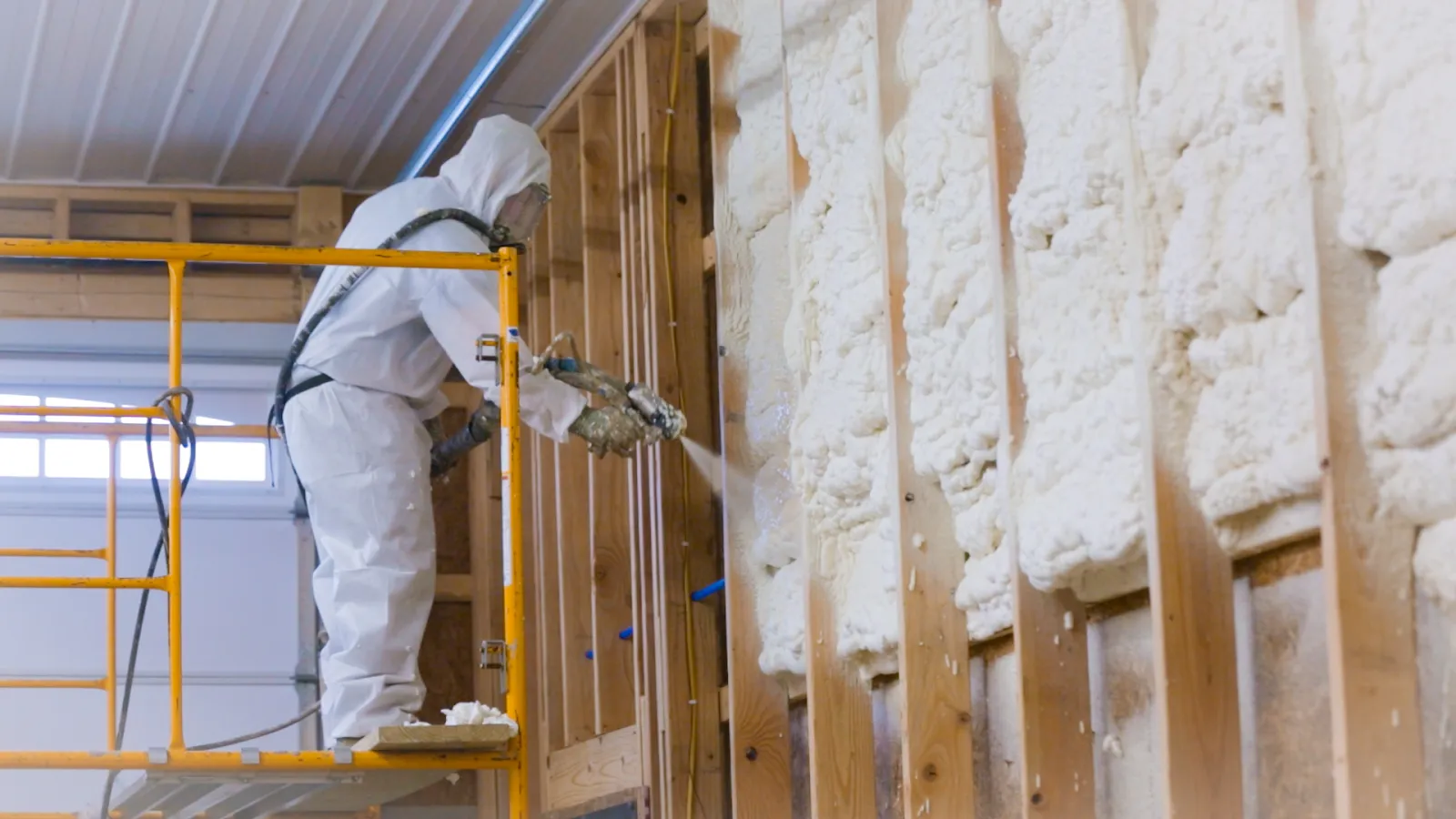
Open-cell spray foam reduces noise in Bellevue homes in two ways. Using open-cell spray foam noise Bellevue, WA solutions seals the cracks and gaps that let sound leak in, while its soft, air-filled cells absorb echo and mid- to high-pitched sound inside walls and ceilings. It works well on voices, TV and road hiss, but it won’t erase deep freeway rumble on its own. Pair it with tight windows and doors for the best result.
TL;DR
Open-cell foam is a sound absorber, not a heavy sound blocker. It’s strongest on mid and high frequencies.
Open-Cell Foam Air Sealing closes the leaks where outside noise sneaks in, which is often half the battle.
Homes near I-405, SR 520 and I-90 get the most from it on road-facing walls and ceilings.
Windows and doors are usually the weakest link. Foam can’t fix a single-pane window.
Bellevue’s damp marine climate means open-cell foam needs proper vapor control and inspection before drywall goes on.
How Open-Cell Foam Sound Reduction Works
Sound reaches your rooms through gaps in the building shell and by shaking the wall itself. Open-cell spray foam fights both, but in different ways, so it helps to know what each one does.
It Absorbs Sound Inside the Cavity
Open-cell foam is light, soft and full of connected air pockets. Sound waves lose energy as they push through that maze. The U.S. Department of Energy’s Building America guide lists typical open-cell foam at about half a pound per cubic foot, with a Noise Reduction Coefficient of 0.70 and an STC of 37 in a standard 2×4 wood stud wall. Other industry sources report STC figures in the high 30s, so treat any single number as assembly-specific, not a promise. For more information about our business and services, Explore Our Google Business Profile.
Open-Cell Foam Air Sealing Stops the Leaks
Sound travels anywhere air can. Gaps around outlets, rim joists, top plates and pipe holes act like open windows for noise. The same DOE guide notes that open-cell spray foam insulation can help seal gaps and voids that cause air leakage when installed at an appropriate thickness. That’s why many homeowners notice a quieter house even before they notice lower heating bills.
Why Bellevue Homes Pick Up So Much Outside Noise
Bellevue sits between three major highways, and many neighborhoods also deal with arterial traffic, leaf blowers and construction. If your bedroom faces a busy road, you’re hearing it through every weak spot in the wall.
According to WSDOT, areas predicted to reach 66 dBA or more qualify as noise-impacted, and above that level normal conversation three feet apart becomes difficult. The agency also says noise walls help little for homes on a hillside or more than 500 feet away, and it has no funds to modify private homes. Its own advice to residents includes reinsulating walls and ceilings, sealing cracks, and upgrading single-pane windows. In short, Open-Cell Foam Noise Control is one of the few upgrades you control yourself.
Open-Cell vs. Closed-Cell for Noise
Both foams seal air, but they behave very differently with sound. Here’s a quick side-by-side.
Feature
Open-Cell
Closed-Cell
Feel
Soft, spongy
Rigid, hard
Sound absorption
High (NRC ~0.70)
Low
Air sealing
Yes
Yes
Vapor retarder alone
No
Yes, at ~2 in.
Best for
Interior quiet, wall cavities
Moisture zones, structure
For most Open-Cell Foam Acoustic Insulation jobs, open-cell wins because it absorbs instead of reflecting. Closed-cell makes more sense in crawl spaces and spots that can get wet.
Where Open-Cell Foam Interior Insulation Helps Most
Open-cell foam does its best work where you can reach open framing. These are the spots we usually look at first in Bellevue homes.
Road-facing exterior walls during a remodel or siding replacement.
Bedroom and home office walls shared with a living room or TV area.
Bathroom and laundry walls, where foam can cut sounds from flushing toilets and clanging pipes.
Ceilings under bonus rooms to soften voices and TV sound between floors.
Rim joists and attic floors, where air leaks carry street noise inside.
Open-Cell Foam Interior Insulation between rooms also keeps your heating zones more even, which is a nice side benefit.
What Open-Cell Foam Can’t Do
Honest limits matter here, because foam sometimes gets oversold as “soundproofing.” It’s a strong part of the fix, not the whole fix.
Deep bass and engine rumble: Porous open-cell foams absorb well across medium and high frequencies, but performance drops at lower frequencies. Truck rumble and bass need mass, like extra drywall layers.
Windows and doors: A foam-filled wall next to a leaky single-pane window still lets noise pour in.
Footsteps and impact: Foam alone does little for footfall noise from upstairs.
Finished walls: Spray foam needs open framing. Closed walls usually mean opening drywall or using a different injected product.
For serious noise, the highest-tested wall assemblies decouple materials, such as staggered studs, and only partly fill the cavity with open-cell foam.
Does Open-Cell Foam Need a Vapor Retarder in Bellevue?
Yes, in most wall applications. Bellevue’s mild, damp winters push indoor moisture outward, and open-cell foam lets vapor pass through.
King County, which includes Bellevue, falls in climate zone 4C (Marine 4). The DOE guide rates open-cell foam at about 10 perms at 5 inches thick, while a vapor retarder must be 1 perm or less. It also warns that open-cell foam can hold up to one-third of its volume in water if moisture gets in. The Insulation Institute explains that the IRC calls for a Class I or II vapor retarder on the interior side of frame walls in Marine 4, with Class III allowed only under certain conditions. Your plan reviewer has the final say on which class fits your wall.
The foam also needs a fire-rated cover. In living spaces, code typically requires a 15-minute thermal barrier, the equivalent of half-inch gypsum board. The City of Bellevue requires an inspection before any framing or insulation is covered, and its remodel guidance says exterior walls and ceilings of heated spaces must meet the state energy code.
Quick Checklist Before Your Noise Upgrade
A little planning keeps you from paying for foam that can’t reach the real problem. Run through this list first.
Walk the house at rush hour and note which rooms and walls are loudest.
Check windows and doors. Single-pane glass or worn seals may need attention first.
Decide which walls will be open: remodel, siding job or new addition.
Ask how vapor control and the drywall thermal barrier will be handled.
Confirm the permit and the pre-cover inspection with the City of Bellevue.
Ask whether extra drywall mass or resilient channels make sense for low rumble.
Talk to Cascadia Spray Foam About a Quieter Home
If road noise or loud rooms are wearing on you, we can look at your walls, ceilings and attic and tell you where Open-Cell Foam Sound Reduction will actually pay off, and where something else will do more. Contact Cascadia Spray Foam in Bellevue, WA at (425) 386-3500 or [email protected] to set up a visit.
FAQs
These are common questions homeowners ask about foam and noise.
Does open-cell spray foam reduce noise?
Yes. It absorbs mid- and high-frequency sound and seals air leaks. It’s less effective on deep bass and engine rumble.
Is open-cell or closed-cell better for soundproofing?
Open-cell is usually better for sound because it absorbs instead of reflecting. Closed-cell is the pick where moisture or structure matters more.
Can spray foam be added to existing walls?
Standard open-cell spray foam needs open framing. For finished walls, you’d either open the drywall or look at injection-type products designed for closed cavities.
Will spray foam stop highway traffic noise?
It will cut a noticeable share, especially hiss and voices. Full relief usually also takes better windows, sealed doors and added wall mass.
I’m Melissa Grant, owner of Cascadia Spray Foam Insulation, with over 10 years of hands-on spray foam experience. I focus on durable insulation solutions, improved comfort and energy efficiency, and excellent customer service.
Open-cell spray foam reduces noise in Bellevue homes in two ways. Using open-cell spray foam noise Bellevue, WA solutions seals the cracks and gaps that let sound leak in, while…
In Tacoma, closed-cell spray foam bonds to studs and sheathing. Choosing a Closed-Cell Spray Foam Structure in Tacoma, WA helps make walls stiffer when wind pushes on them. Its dense,…
Selecting the right commercial insulation for warehouses comes down to five considerations: thermal performance matched to your climate zone, air sealing, moisture and vapor control, code compliance, and installation quality.…