What Makes Open Cell Spray Foam Suitable for Attics, Walls, and Irregularly Shaped Spaces?
Melissa Grant
August 31st, 2026
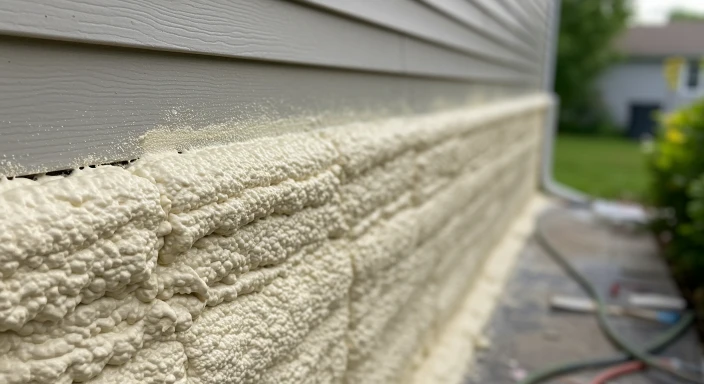
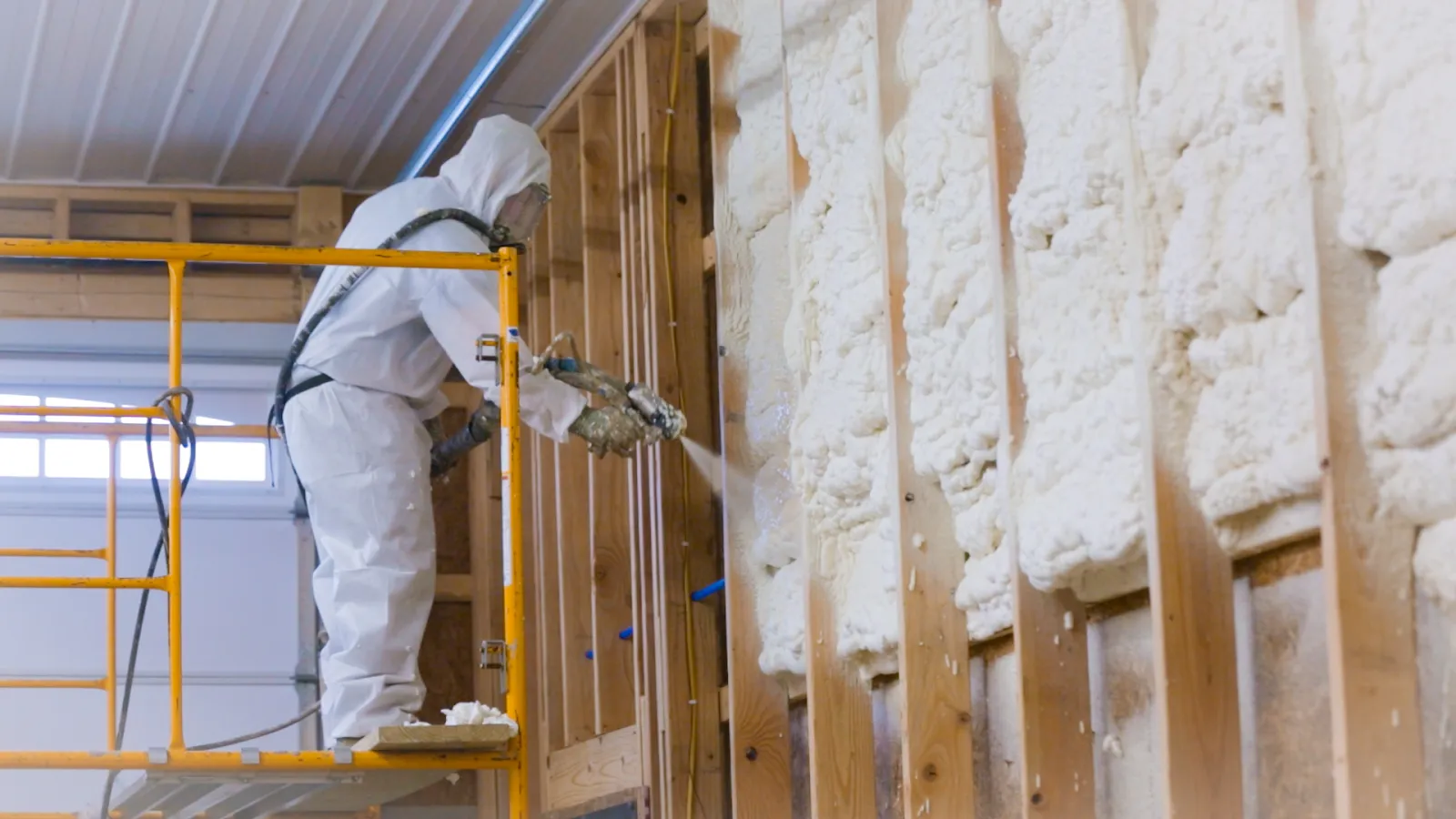
Open cell spray foam stands out for these applications because it expands aggressively to fill cavities, seals air leaks on contact, and remains vapor-permeable so building assemblies can dry. According to the EPA, open cell spray polyurethane foam is a low-density product that expands far more vigorously than closed cell alternatives, reaching up to 120 times its original volume. That expansion makes it particularly effective in attics, wall cavities, and spaces with odd geometries where traditional batts or blown-in insulation leave gaps. Open Cell Spray Foam: Versatility, Comfort, and Cost-Effective Solutions. The right choice between open cell and closed cell depends on climate zone, cavity depth, moisture management priorities, and whether the assembly needs a vapor barrier or a vapor-open material. We will walk through what makes open cell foam work well in these specific areas, when to choose it, and what to watch for during installation.
TL;DR
Open cell spray foam delivers an R-value of approximately 3.5 per inch and expands up to 120 times its original volume, allowing it to fill deep cavities and irregular voids that rigid boards and batts cannot reach.
It bonds directly to framing, sealing air leaks at penetration points, top plates, and electrical runs where conventional insulation types miss.
Its vapor-permeable structure (class III vapor retarder) allows moisture to escape wall and attic assemblies, reducing the risk of trapped condensation, mold growth, and wood rot.
Sound dampening is a practical benefit, with open cell foam absorbing airborne noise significantly better than closed cell or fiberglass alternatives.
Sealing and insulating with spray foam can contribute up to roughly 10% in annual energy savings on heating and cooling bills, according to ENERGY STAR.
Open cell foam is best suited for climate zones 1 through 4 without additional vapor retarder coating, though local building codes and specific project conditions always dictate the final decision.
Professional installation is required for high-pressure two-component spray foam systems, with appropriate protective equipment and ventilation controls, as noted by the CPSC.
Occupants should vacate the premises during and for at least 24 hours after application, following manufacturer and EPA guidance on re-entry times.
How Open Cell Spray Foam Works
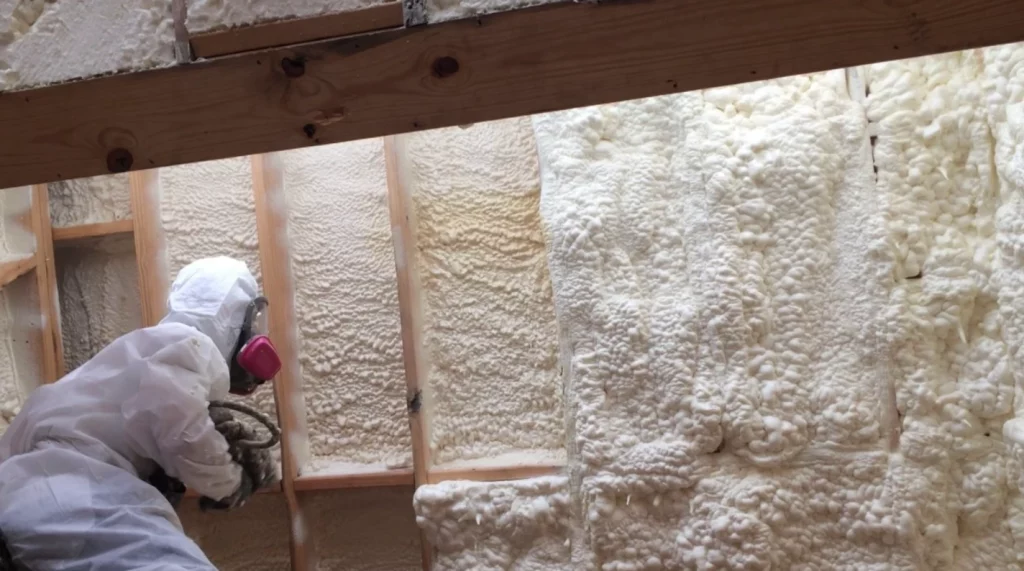
Open cell spray foam is a two-component polyurethane product mixed at the nozzle and sprayed into place. Side A contains isocyanates and Side B contains polyols, catalysts, blowing agents, and surfactants. When these components meet, an exothermic chemical reaction creates a foam matrix of broken cell walls, leaving a porous, sponge-like material. This is what distinguishes it from closed cell foam, which forms intact gas-filled bubbles and cures into a rigid board.
The broken cell structure is what gives open cell foam its defining characteristics: lower density, aggressive expansion, a soft cured texture, and vapor permeability. The blowing agents used in open cell formulations are carbon dioxide or water, contributing to its lighter weight and open structure. These properties combine to make it an effective choice for filling large volumes quickly and reaching into corners, crevices, and spaces with complex framing geometry.
Why Open Cell Foam Fits Attics So Well
Attics present a unique set of challenges for insulation. Rafters create irregular bays, mechanical penetrations like vent stacks and electrical conduit create air pathways, and the assembly may be vented or unvented depending on the design. Open cell spray foam addresses these issues directly.
Air sealing at the envelope plane
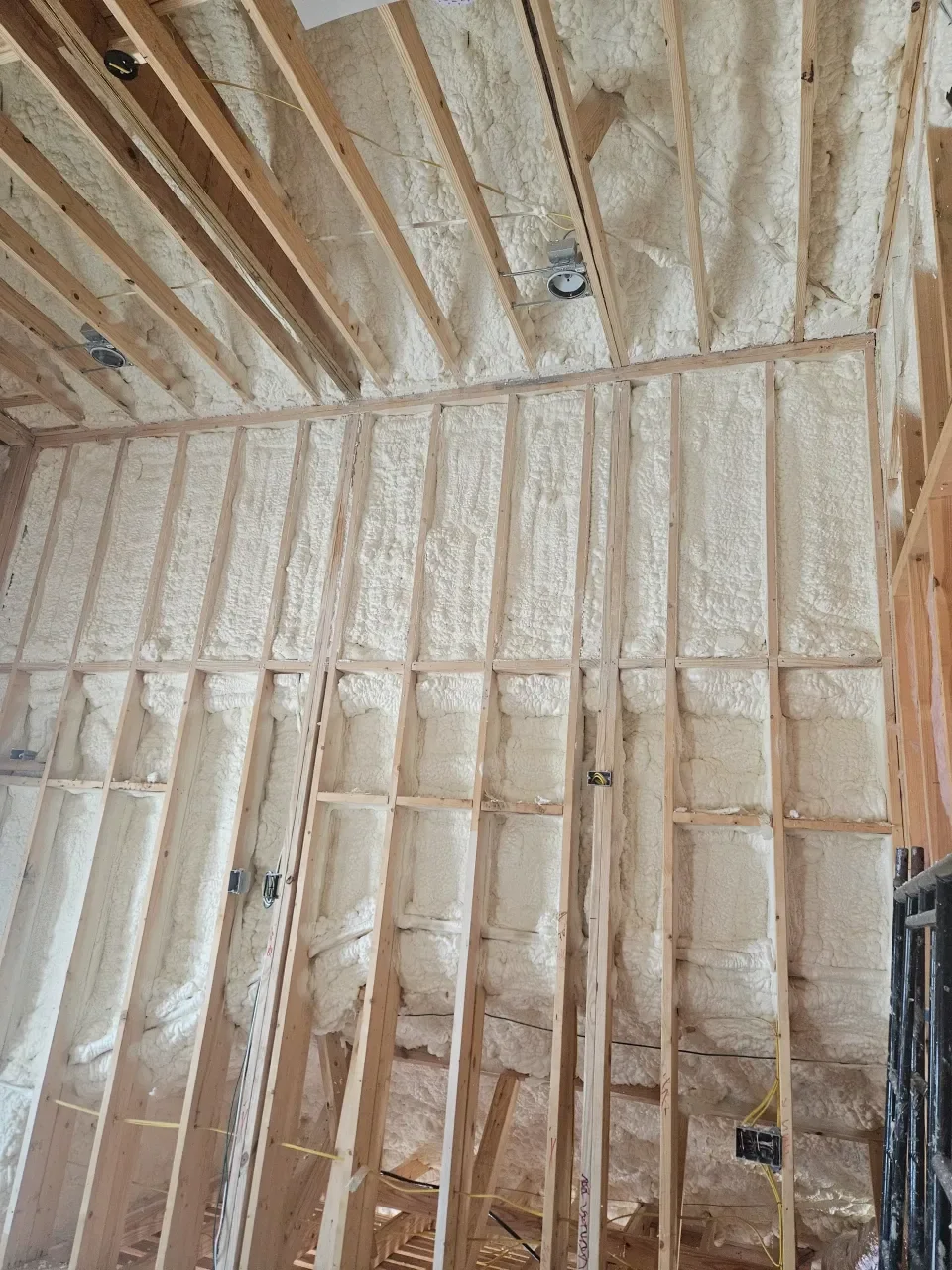
In both vented and unvented attic designs, the primary goal is to stop conditioned air from escaping through gaps around framing, recessed lights, and mechanical chases. Open cell foam expands into and seals these penetrations as it is sprayed, creating a continuous air barrier on the roof deck or attic floor. This eliminates the need for separate caulking and sealing steps that other insulation methods require.
Expansion into irregular rafter bays
Rafters are rarely uniform in spacing or depth. Open cell foam expands to fill the full bay regardless of variations, conforming to angled roof pitches, clipped corners, and uneven framing without gaps. This is difficult to achieve with fiberglass batts, which require precise cutting and fitting, and even blown-in products can settle and leave voids over time.
Vapor permeability in unvented attics
In unvented attic assemblies, moisture control is a central concern. Open cell foam allows water vapor to pass through at a permeance rating that qualifies it as a class III vapor retarder. This means any moisture that enters the assembly from interior humidity or minor leaks can dry outward, reducing the risk of condensation forming against cold roof sheathing.
Sound control for bonus rooms and living spaces
When attics are finished into living space, noise transmission through the roof assembly becomes noticeable. The porous, open cell structure absorbs sound energy, making it a practical choice for bonus rooms, home offices, and media spaces built into attic areas.
Wall Cavities: Where Open Cell Foam Adds Value
Wall cavities benefit from the same air-sealing and expansion properties that make open cell foam effective in attics, but the wall application comes with its own specific considerations.
Complete cavity fill with no voids
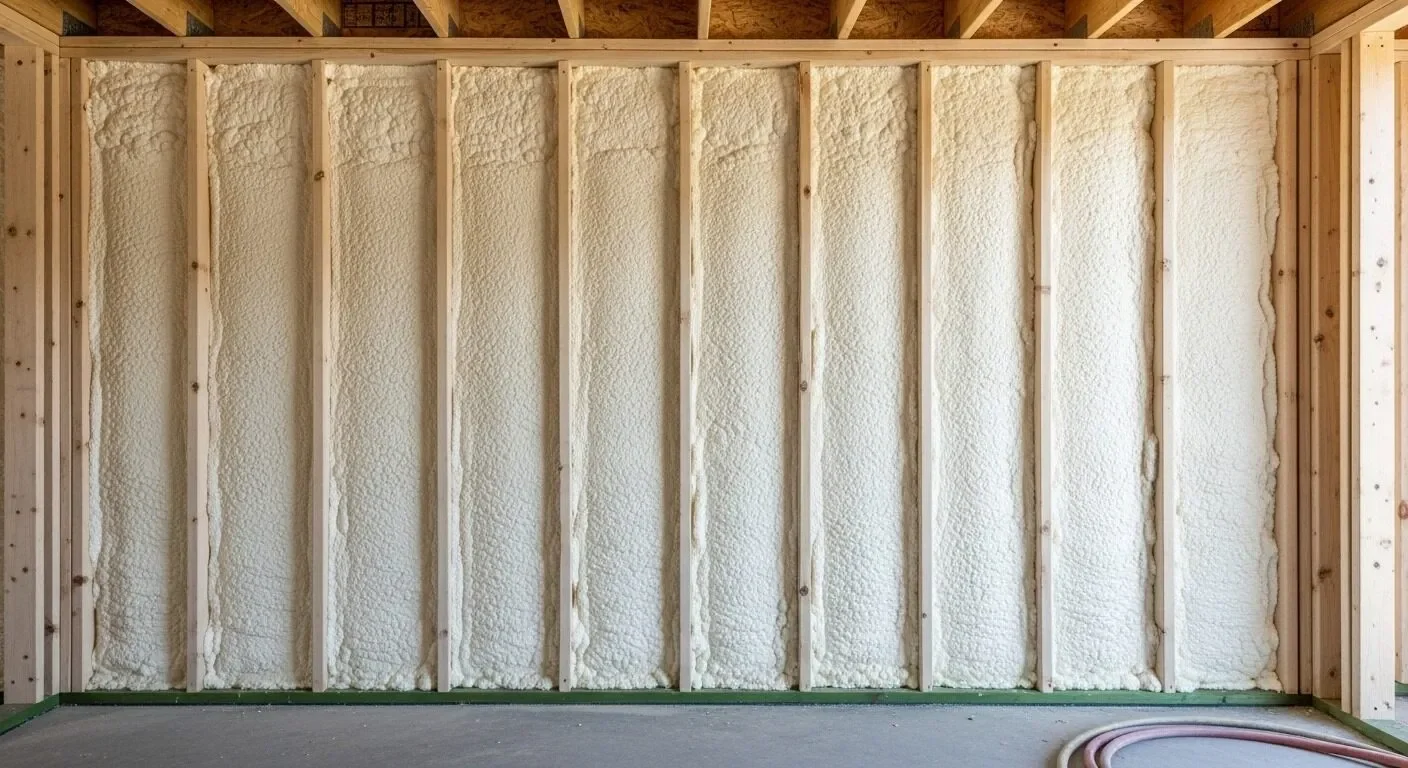
Stud cavities are straightforward in new construction but often filled with blocking, plumbing runs, and electrical boxes in renovations. Open cell foam flows around these obstructions and fills the full depth of the cavity. Because it cures soft and does not bow studs or push against drywall with significant force, it works well in standard 2×4 and 2×6 framing.
Vapor-open assemblies for moisture management
In many wall assemblies, especially those with brick veneer, stucco, or other exterior claddings that may allow some moisture inward, using a vapor-open insulation is a deliberate design choice. Open cell foam permits drying toward the interior, complementing exterior drainage planes. This approach differs from closed cell foam, which can trap moisture on the warm side of the assembly if a vapor-retarder strategy is not carefully planned.
Hybrid installation for budget-conscious projects
The EPA notes that open cell SPF works well as an air sealant in hybrid insulation installations, paired with fiberglass, mineral wool, or cellulose. In this approach, a thin layer of open cell foam is sprayed against the exterior sheathing to seal air leaks, then a cavity-fill insulation is installed over it. This reduces material usage while maintaining a continuous air barrier.
Irregularly Shaped Spaces and Hard-to-Reach Areas
This is where open cell spray foam solutions delivers its most visible advantage over rigid insulation products. Consider cathedral ceilings with varying rafter depths, knee walls with angled transitions, crawl space rims, floor joist bays above cantilevers, and areas around duct chases and chimney framing.
Application Challenge
Why Open Cell Foam Works
What Alternatives Struggle With
Angled cathedral ceiling bays
Expands into variable-depth cavities and conforms to pitch
Rigid boards require custom cutting; batts leave voids at angles
Knee wall transitions
Flows around framing changes and fills behind blocking
Blown-in products settle at transitions; batts cannot follow angles
Rim joist areas
Seals both air leaks and insulates in a single pass
Fiberglass batts need separate air sealing and often leave gaps
Around duct and plumbing runs
Expands into and around obstructions without leaving gaps
Rigid foam cannot contour around pipes; batts compress around obstructions
Cantilevered floor assemblies
Fills the full bay depth including around structural connections
Blown cellulose settles over time and may not reach all voids
Open Cell vs Closed Cell: When Each Makes Sense
Understanding the tradeoffs helps homeowners and builders choose the right material for each part of the building envelope.
Property
Open Cell Foam
Closed Cell Foam
Density
Low (approximately 0.5 lb/ft3)
Medium to high (2 to 3 lb/ft3)
R-value per inch
Approximately 3.5
Approximately 6.0 to 6.5
Expansion ratio
Up to 100 to 120 times original volume
Significantly less aggressive
Cured texture
Soft, flexible
Rigid, board-like
Vapor permeability
Vapor-permeable (class III retarder)
Acts as vapor barrier (class II)
Sound dampening
Good absorption of airborne noise
Less effective, transmits more sound
Structural contribution
None
Can add shear strength
Best use
Deep cavities, sound control, vapor-open assemblies
Neither product is universally better. The decision depends on the assembly, climate zone, and performance priorities.
Choosing the Right Approach by Project Type
New construction with standard framing
Open cell foam is an efficient choice for full wall cavity fills and attic floor insulation in new homes with adequate cavity depth. Its fast application speed and ability to fill cavities completely reduces labor time compared to other methods.
Renovations and retrofits
When adding insulation to existing structures, open cell foam excels because it can be sprayed into closed cavities through small access holes. This is particularly useful for older homes with balloon framing, irregular stud spacing, or existing knob-and-tube wiring that requires careful material selection.
Sound-critical spaces
Home theaters, bedrooms near mechanical rooms, and shared walls in duplexes benefit from open cell foam’s sound-absorbing structure. The porous cell walls break up sound waves better than dense, rigid materials.
Moisture-sensitive assemblies
Buildings with exterior claddings that may allow moisture inward, or assemblies where condensation risk is a known concern, are good candidates for open cell foam’s vapor-open drying capability. This is a deliberate design decision that should align with the overall building envelope strategy.
Signs You Have Found the Right Installer
Working with the right professional makes the difference between a well-performing insulation job and one that causes problems. Here is what to look for:
Clear explanation of product selection: The installer explains why open cell or closed cell foam is recommended for each specific area, rather than applying a single product everywhere.
Transparent re-occupancy guidance: The contractor provides written instructions on vacating the premises during and after installation, consistent with CPSC recommendations of at least 24 hours.
Safety communication before the job starts: The contractor discusses ventilation measures, protective equipment, and what occupants should expect at each stage, following the EPA’s safer workplace practices framework.
Attention to building science: The installer evaluates the full assembly, including vapor management, ventilation, and existing conditions, rather than simply spraying foam into cavities.
References and credentials: The installer can demonstrate training, insurance, and project history in similar building types.
Get Your Insulation Assessment from Cascadia Spray Foam
Choosing between open cell and closed cell spray foam requires an understanding of your building’s specific assembly, climate zone, and performance goals. Our team at Cascadia Spray Foam evaluates every project individually, recommending the right product and application method for each area of your home or building. We follow strict safety protocols aligned with EPA and CPSC guidelines, and we communicate clearly about what to expect before, during, and after installation. Whether you need attic insulation, wall cavity fills, or a solution for irregularly shaped spaces, we are ready to help.
Is open cell spray foam a good choice for a vented attic?
Yes, open cell foam applied to the attic floor creates a strong air seal on top of the ceiling plane, and its vapor permeability allows the attic above to breathe as intended in a vented design.
Can open cell foam be used in all climate zones?
It works well in warmer zones without additional coatings, but colder climate zones may require a class II vapor retarder coating over the foam to prevent condensation risks. Local building codes and a qualified assessment should guide the final decision.
How does open cell foam compare to fiberglass or blown-in insulation for sound control?
Open cell foam provides noticeably better sound absorption due to its porous, open cell structure that breaks up airborne sound waves, making it a stronger performer in noise-critical applications.
How long does it take for open cell spray foam to cure?
Most manufacturers recommend that occupants and unprotected workers remain vacated for at least 24 hours after application. Re-entry times vary based on product type, building conditions, and temperature.
Will open cell foam work in walls with existing insulation that needs to be topped off?
Open cell foam can be sprayed over certain existing insulation materials in hybrid configurations, but a professional assessment is needed to ensure compatibility and proper air sealing strategy.
Sources
EPA – Spray Polyurethane Foam Product Types – Detailed comparison of open cell and closed cell SPF products including density, R-value, expansion ratios, blowing agents, and application processes.
CPSC – Spray Polyurethane Foam Health and Safety Recommendations for Consumers – Consumer-facing fact sheet covering re-occupancy times, contractor selection, and safety protocols compiled from EPA, OSHA, NIOSH, and ASTM sources.
ENERGY STAR – Seal and Insulate – Program guidance on sealing air leaks and adding insulation, including attic and wall projects, with up to 10% estimated energy savings.
I’m Melissa Grant, owner of Cascadia Spray Foam Insulation, with over 10 years of hands-on spray foam experience. I focus on durable insulation solutions, improved comfort and energy efficiency, and excellent customer service.
Open-cell spray foam reduces noise in Bellevue homes in two ways. Using open-cell spray foam noise Bellevue, WA solutions seals the cracks and gaps that let sound leak in, while…
In Tacoma, closed-cell spray foam bonds to studs and sheathing. Choosing a Closed-Cell Spray Foam Structure in Tacoma, WA helps make walls stiffer when wind pushes on them. Its dense,…
Selecting the right commercial insulation for warehouses comes down to five considerations: thermal performance matched to your climate zone, air sealing, moisture and vapor control, code compliance, and installation quality.…