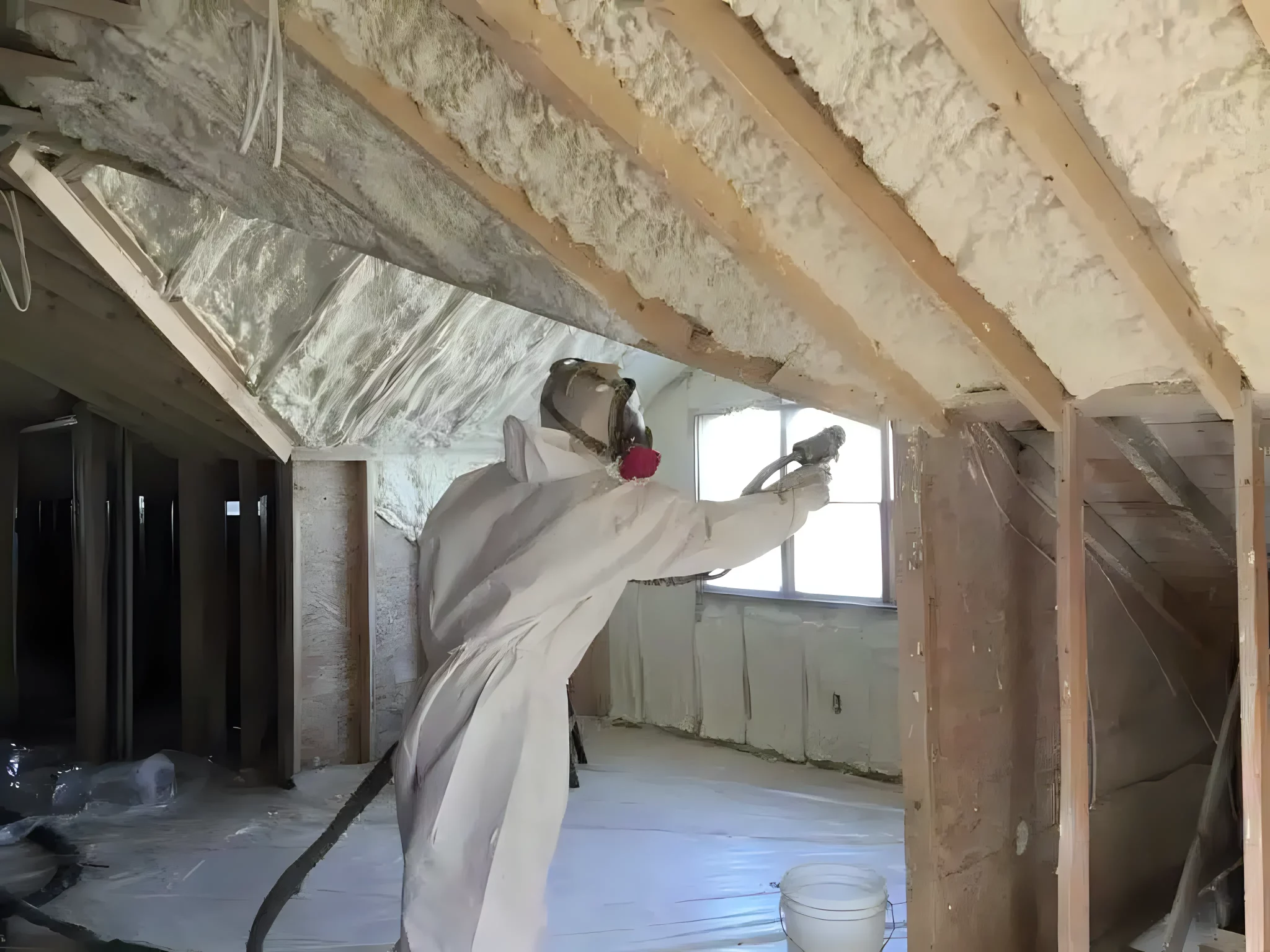
How Does Residential Insulation Improve Home Comfort and Reduce Energy Bills in Seattle, WA?
Melissa Grant
July 15th, 2026
Homeowners in Seattle, WA, rely on high-quality residential insulation to create a thermal envelope that prevents heat transfer and air leakage. In the Pacific Northwest, where damp winters and humid summers are common, professional insulation prevents heated air from escaping in winter and blocks outdoor heat in summer. This thermal resistance, measured in R-value, significantly reduces the workload on HVAC systems, leading to lower monthly utility costs, more consistent indoor temperatures, and better moisture control throughout the home.
TL;DR
Energy Savings: Upgrading to high-performance insulation can reduce heating and cooling costs by up to 15% to 20% on average.
Moisture Control: Closed-cell spray foam acts as a vapor barrier, preventing mold growth in the high-humidity Seattle climate.
Air Sealing: Modern spray foam solutions fill gaps and cracks that traditional fiberglass batts miss, eliminating drafts.
Property Value: Energy-efficient homes often command higher resale prices and appeal to environmentally conscious buyers.
Noise Reduction: Enhanced insulation density provides a significant acoustic barrier against street noise and rain.
The Science of Home Comfort in the Pacific Northwest
Seattle falls into Climate Zone 4C, characterized by cool, damp winters and mild but increasingly warm summers. Traditional insulation often struggles with the moisture levels inherent to this region. When you install advanced Residential Insulation, you are not just adding a layer of padding; you are implementing a sophisticated air-to-heat management system.
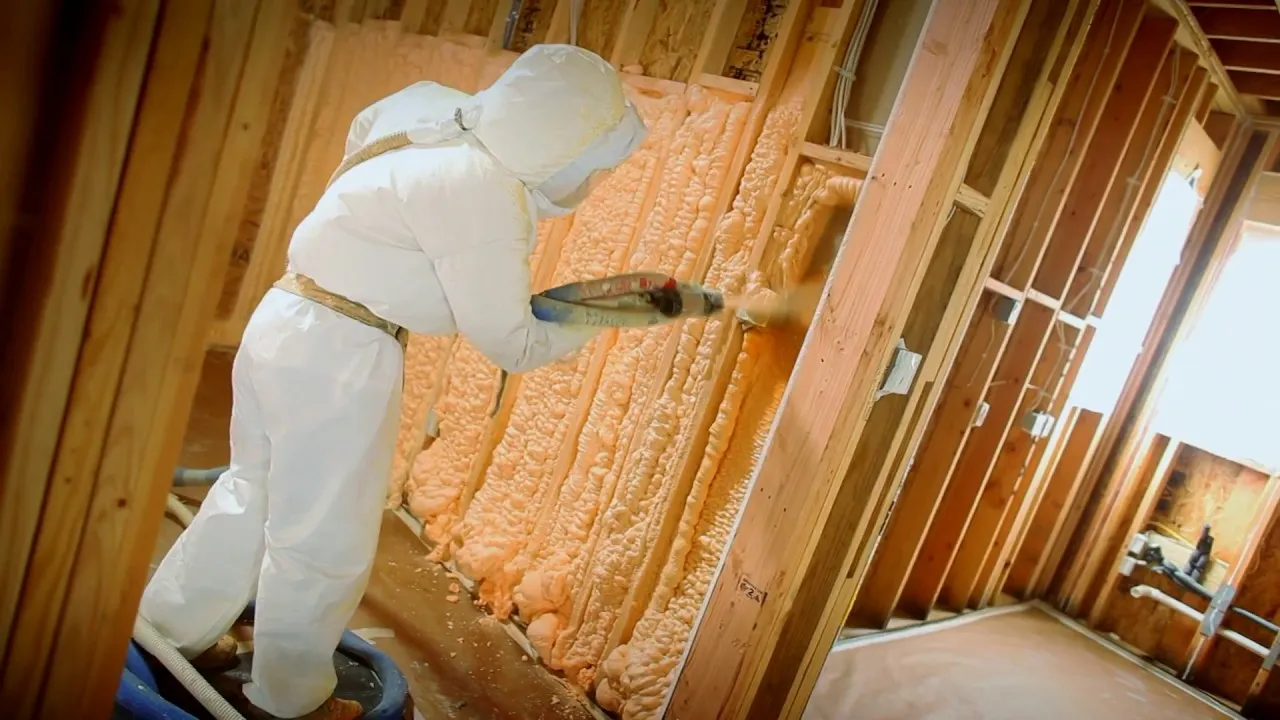
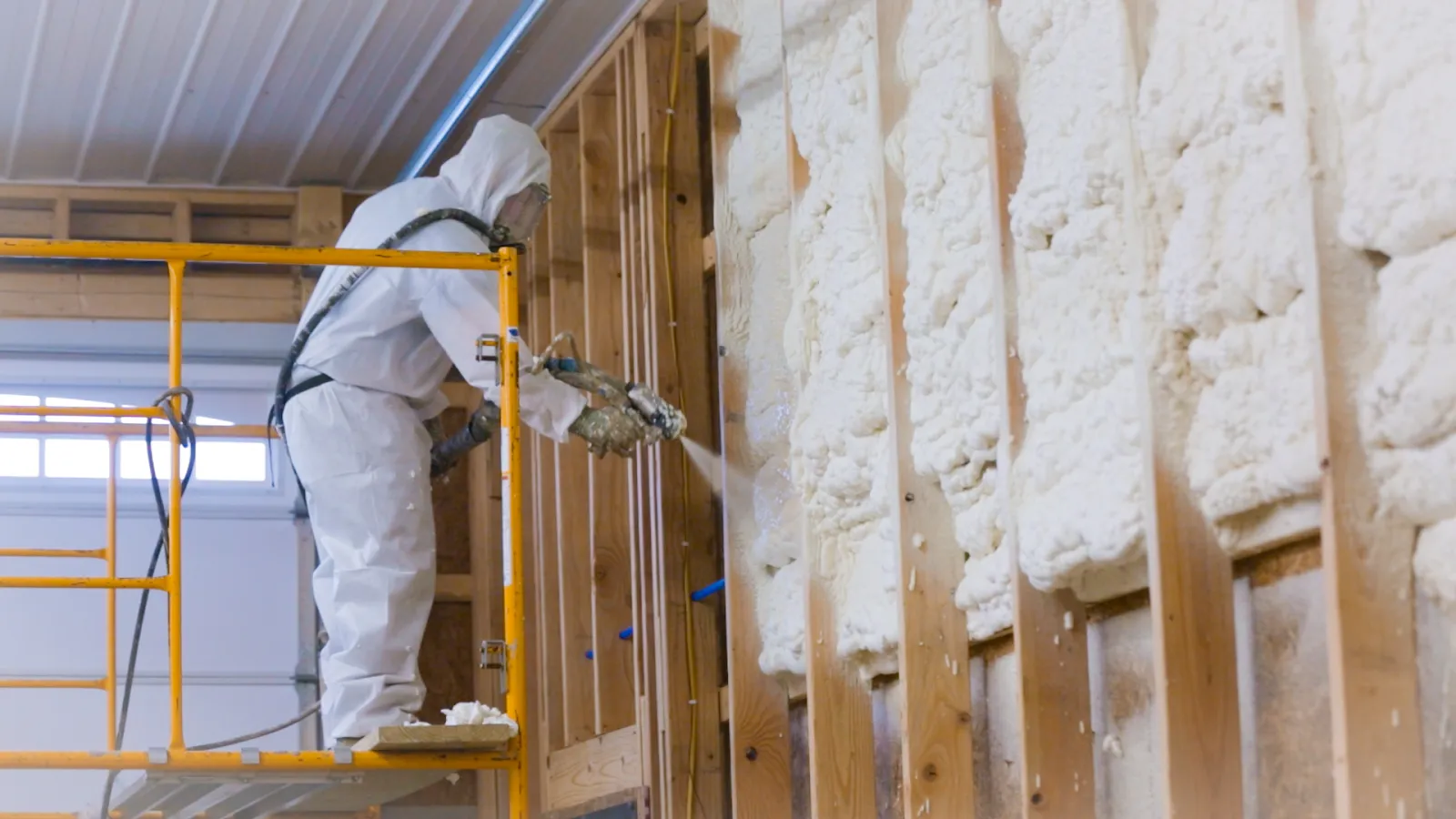
According to the U.S. Department of Energy, air sealing is one of the most cost-effective ways to improve energy efficiency. Traditional materials like fiberglass allow air to move through them, which means they lose effectiveness when the wind blows or when there is a significant temperature difference between the inside and outside of your home. Spray foam insulation addresses this by expanding to fill every nook and cranny, creating a custom-fit seal that stops air movement entirely.
Comparing Insulation Performance
Insulation Type
R-Value per Inch
Air Sealing Capability
Moisture Resistance
Lifespan
Closed-Cell Spray Foam
6.0 – 7.0
Excellent
High (Vapor Barrier)
80+ Years
Open-Cell Spray Foam
3.5 – 3.8
Good
Moderate
80+ Years
Fiberglass Batts
2.2 – 2.9
Poor
Low
15–25 Years
Cellulose (Blown-in)
3.2 – 3.8
Moderate
Low
20–30 Years
Visual Suggestion: A bar chart comparing the R-value per inch of different materials would clearly show the superior thermal resistance of closed-cell spray foam compared to traditional fiberglass.
Why Seattle Homes Specifically Benefit from Spray Foam
The unique weather patterns in Seattle require more than just thermal resistance. Because we experience high levels of rainfall and humidity, the ability of an insulation material to manage moisture is paramount.
Attic and Roof Performance
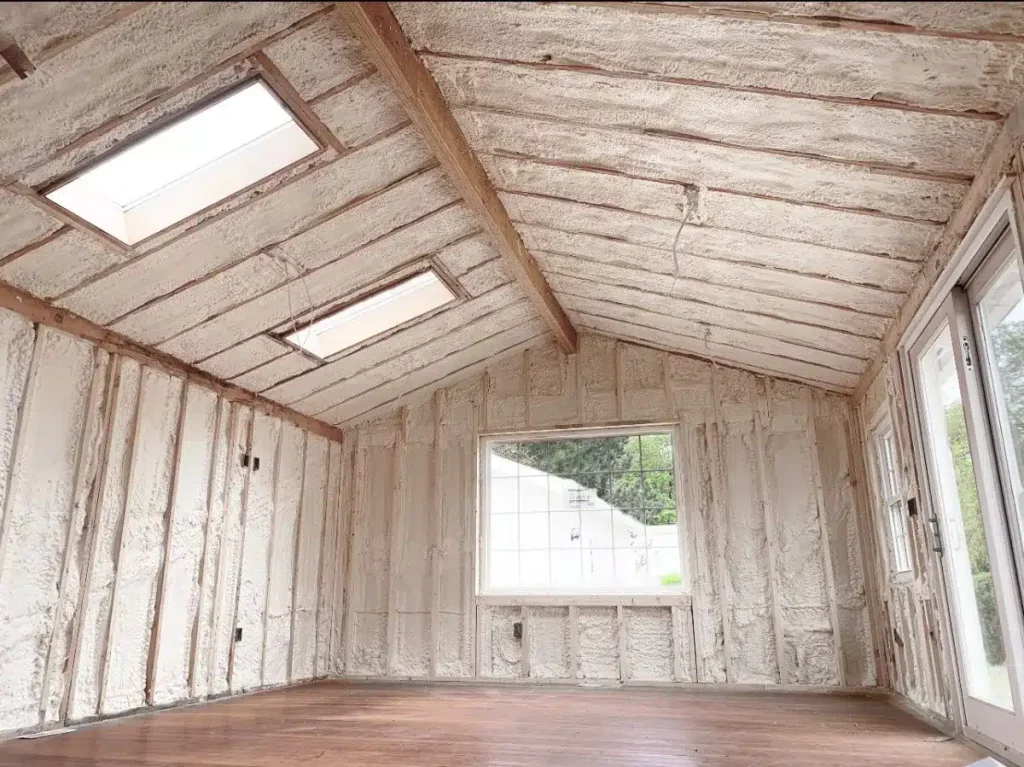
Heat naturally rises, making Attic Insulation the most critical area for preventing energy loss. In many older Seattle homes, heat escapes through the ceiling and into the attic, where it can melt snow on the roof and refreeze at the eaves, leading to ice dams. By using Roofing Insulation or spray foam on the underside of the roof deck, our team creates a conditioned attic space that keeps your HVAC ducts in a temperature-controlled environment.
Wall and Foundation Protection
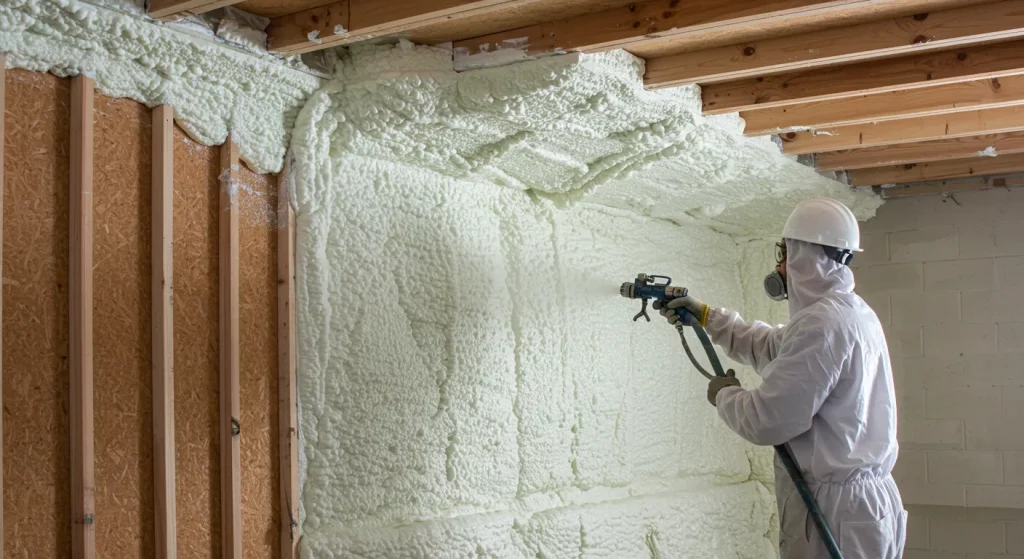
Wall Insulation and Foundation Insulation are often overlooked but are essential for total home comfort. Basement walls and crawlspaces in the Northwest are notorious for dampness. Applying Closed-Cell Spray Foam to these areas provides a durable moisture barrier that prevents damp soil from entering your living space.
Real-World Scenarios and Outcomes
Implementing professional home insulation services results in measurable improvements. Below are common scenarios we encounter in the Seattle area and how we resolve them.
Scenario
Home Type
Problem
Solution
Outcome
Drafty Craftsman
1920s Residential
High heating bills and cold floors in winter.
Open-Cell Spray Foam in walls and crawlspace.
35% reduction in energy bills and eliminated drafts.
Modern Loft
New Construction
Excessive street noise and summer overheating.
Closed-Cell Spray Foam in exterior walls.
Superior soundproofing and stable indoor temperatures.
Flat Roof Leakage
Commercial/Residential
Moisture intrusion and poor thermal bridge.
Spray Foam Roofing application.
Waterproof seal with added R-value for the whole building.
Practical Strategies for Improving Efficiency
For those looking to maximize energy efficiency in their insulation, we recommend a systematic approach to the building envelope.
Prioritize the Attic: Start where heat is lost most. Removing old, dusty fiberglass and replacing it with modern foam can change the entire feel of a home in one day.
Seal the Crawlspace: Many Seattle homes have vented crawlspaces that draw in cold, damp air. Encapsulating this area with Foundation Insulation prevents “cold feet” syndrome.
Address Thermal Bridging: In timber-framed homes, heat can bypass insulation through the wooden studs. Exterior Insulation helps break this bridge, preventing the wood from acting as a conduit for heat loss.
Audit the Rim Joists: The area where the house frame sits on the foundation is a major source of air leaks. A quick application of spray foam here can stop a surprising amount of cold air infiltration.
The Environmental Protection Agency (EPA) notes that sealing leaks and adding insulation can save homeowners an average of 15% on heating and cooling costs. These small, strategic moves add up to massive long-term savings.
Factors That Influence Insulation Performance
Not all insulation jobs are created equal. Several variables dictate how well your Residential Insulation Service will perform over the decades.
Installation Precision: Spray foam requires a specific chemical balance and temperature during application. Our team ensures the mixture is perfect so the foam adheres correctly and doesn’t shrink.
Building Age: Older homes often have “balloon framing,” which allows air to travel vertically through walls. We identify these hidden pathways to ensure the seal is complete.
Thickness and Density: While more isn’t always better, achieving the correct thickness for the desired R-value is essential. In Seattle, meeting or exceeding local energy codes is our standard.
Vapor Diffusion: In our climate, it is vital to understand where moisture wants to go. We use Closed-Cell Spray Foam specifically when a vapor retarder is required by code or building science best practices.
Long-Term ROI and Home Value
Investing in home comfort solutions like high-end insulation is one of the few home improvements that pays for itself. Beyond the monthly utility savings, the reduction in wear and tear on your furnace and air conditioner extends the life of those expensive systems.
Furthermore, data from the National Association of Realtors suggests that energy efficiency is a top priority for modern homebuyers. A home that is documented to be well-insulated and cheap to climate-control is a much more attractive asset on the competitive Seattle market.
Our Comprehensive Services
We provide a full range of solutions tailored to both residential and commercial needs. Whether you are building from the ground up or retrofitting a historic property, our expertise ensures the job is done right.
Residential Insulation: Full-home solutions including attics, walls, and crawlspaces.
Commercial Insulation: Large-scale applications for warehouses, offices, and retail spaces.
Open-Cell Spray Foam: Cost-effective air sealing and thermal protection for interior cavities.
Closed-Cell Spray Foam: High-strength, moisture-resistant insulation for exterior and heavy-duty use.
Spray Foam Roofing: A seamless, waterproof, and insulating layer for flat or low-slope roofs.
Choose Cascadia Spray Foam Insulation of Seattle
Selecting the right Residentialinsulation contractor in Seattle is the most important decision in your home improvement journey. We bring local expertise and a commitment to quality, ensuring your home remains a sanctuary regardless of the weather outside. Our team focuses on precision, safety, and long-term performance for every project we undertake.
Contact us today to see how we can transform your living environment and lower your energy costs for years to come.
Frequently Asked Questions
How long does spray foam insulation last in a home?
When applied correctly, spray foam insulation is designed to last the lifetime of the structure. It does not sag, settle, or lose its R-value over time like fiberglass or cellulose.
Is spray foam insulation safe for my family and pets?
Yes, once the foam has fully cured, which usually takes 24 hours, it is completely inert and safe. It can actually improve indoor air quality by blocking outdoor pollutants and allergens.
Can I stay in my home during the installation process?
We generally recommend that residents and pets vacate the home for 24 hours during and after the spraying process. This ensures everyone stays clear of the workspace and allows the foam to off-gas safely during the curing phase.
Does spray foam help with pest control in the attic?
Spray foam does not provide a food source for rodents or insects, and because it seals entry points, it is much more effective at deterring pests than traditional materials.
Will spray foam make my house too airtight?
While we aim for a tight seal, modern homes use mechanical ventilation to ensure fresh air exchange. We work to create a controlled environment where you decide how air moves, rather than relying on accidental leaks.
I’m Melissa Grant, owner of Cascadia Spray Foam Insulation, with over 10 years of hands-on spray foam experience. I focus on durable insulation solutions, improved comfort and energy efficiency, and excellent customer service.
Selecting the right commercial insulation for warehouses comes down to five considerations: thermal performance matched to your climate zone, air sealing, moisture and vapor control, code compliance, and installation quality.…
Residential insulation addresses heat transfer through attic assemblies by slowing all three ways heat moves: conduction through framing and drywall, convection through air leaks, and radiation from a hot roof…
Open-cell spray foam provides useful coverage across irregular areas wherever a cavity is too deep, too uneven, or too cluttered with framing, wiring, and pipes for batts or rigid boards…