Is Attic Insulation the best energy upgrade for home ROI in Lynnwood, WA?
Melissa Grant
May 22nd, 2026
For most homeowners in Lynnwood, WA, attic insulation is one of the highest-returning energy upgrades available, though whether it is the single best choice depends on your home’s current condition, your budget, and your goals. Lynnwood sits in IECC Climate Zone 4C (Marine), a region with moderate heating demands and cool, damp winters where heat loss through an under-insulated attic is a persistent drain on energy bills. The combination of measurable utility savings, strong resale value recovery, available tax incentives, and improved indoor comfort makes attic insulation a serious contender for the top energy ROI spot, especially when paired with air sealing, as covered in this attic insulation guide.
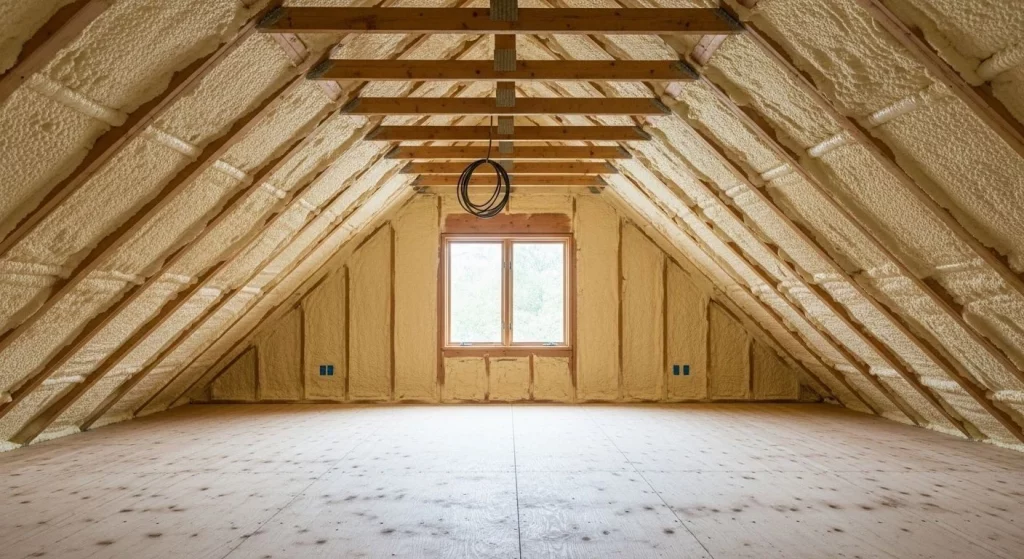
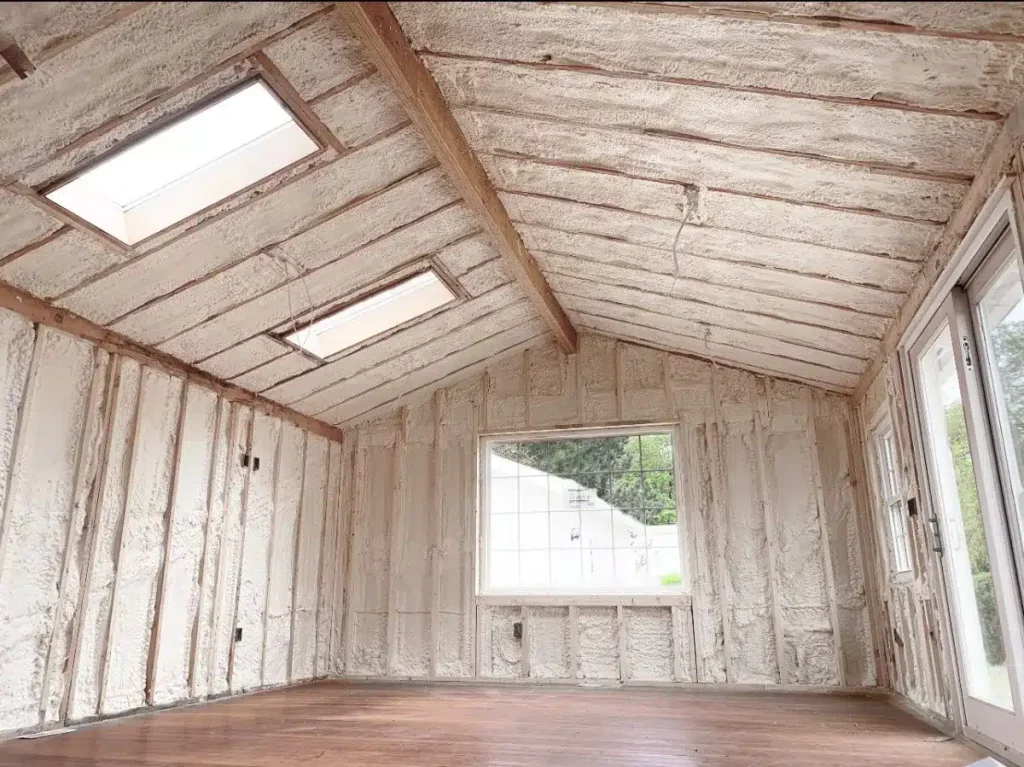
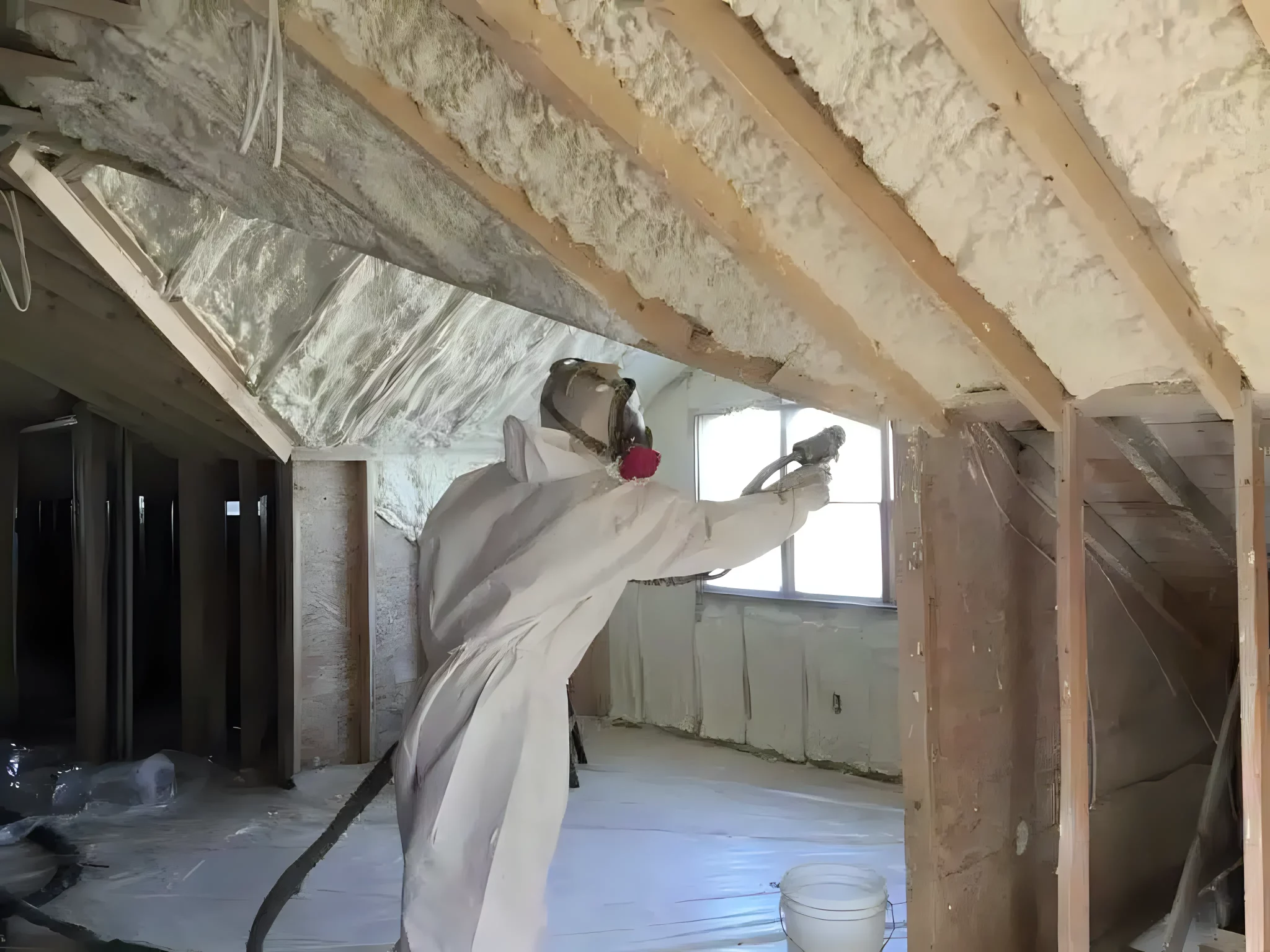
Spray foam insulation delivers both thermal resistance and air sealing in a single application, which is particularly effective in marine climates prone to moisture infiltration
Compared to window replacement (typically 60-75% cost recovery), new roofing, or HVAC upgrades, attic insulation generally offers faster payback and stronger per-dollar ROI
Homes with inadequate insulation often see savings of 10-50% on energy bills depending on the starting condition and installation quality
Why Attic Insulation Leads ROI Comparisons in Lynnwood
Lynnwood’s marine climate means homes deal with prolonged heating seasons and consistent moisture exposure. Heat rises, and an under-insulated attic becomes the primary escape route for warm air during winter months. The U.S. Department of Energy recommends R-60 for uninsulated attics and R-49 for attics with existing insulation in Zone 4 Marine, yet many homes in the Lynnwood area were built with far less, especially those constructed before 1990.
When we evaluate energy upgrades by return on investment, attic insulation consistently outperforms visible renovations. A Rocky Mountain Institute analysis of Remodeling Magazine’s Cost vs. Value data found that attic insulation was the only project among 30 examined to return more than 100% of its cost at resale, averaging 166% nationally. By comparison, most remodeling projects recover only about 64 cents per dollar spent, making proper insulation a smart long-term strategy when trying to get rid of mice in the attic while improving energy performance.
Beyond resale, attic insulation produces ongoing utility savings. In Climate Zone 4C, the EPA’s modeling projects a 20% reduction in heating and cooling costs for a typical home that air seals and insulates to code. For a Lynnwood homeowner spending a few hundred dollars per month on heating during winter, those savings compound year after year.
How Attic Insulation Stacks Up Against Other Energy Upgrades
Energy Upgrade
Typical Cost Recovery at Resale
Annual Energy Savings Potential
Payback Period
Attic insulation
100-166%
10-20% on heating and cooling
3-6 years
New windows
60-75%
5-15% on heating and cooling
15-25 years
HVAC replacement
60-75%
15-30% on heating and cooling
8-15 years
New exterior door
65-85%
1-5% on heating and cooling
15-30 years
Roof replacement
55-65%
Minimal direct energy savings
N/A
The table above shows why attic insulation earns consistent attention from energy auditors and building science professionals. It delivers a rare combination: strong resale value, measurable monthly savings, and a relatively short payback window.
What Makes Spray Foam Insulation a Strong Choice for Marine Climates
Not all insulation delivers the same performance in Lynnwood’s climate. The marine influence means outdoor air carries significant moisture for much of the year. When warm indoor air escapes through attic penetrations, it can condense on cooler surfaces, creating conditions favorable to mold growth and wood rot.
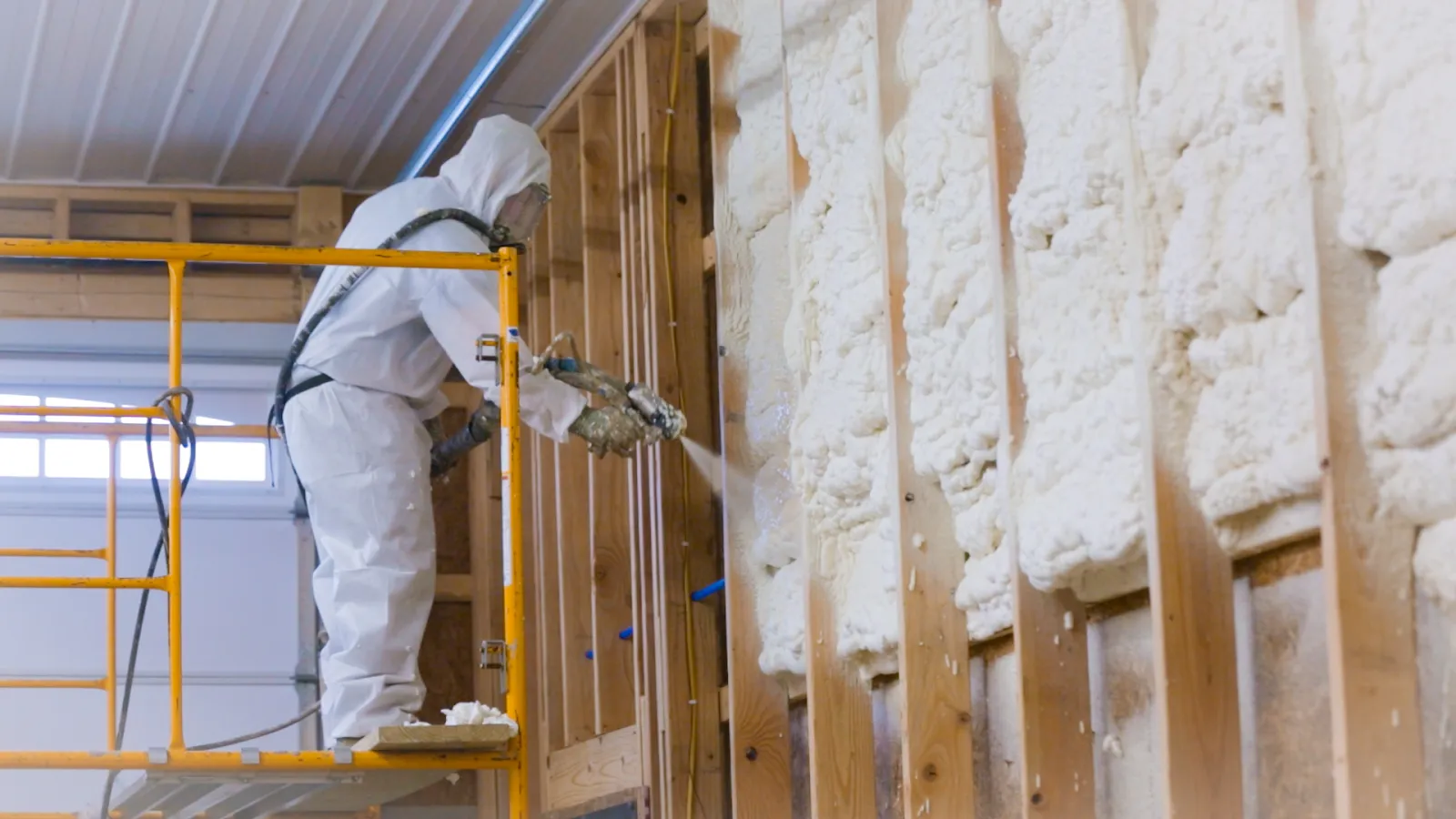
Spray foam insulation addresses this problem directly because it performs two functions at once. As it expands and cures, it fills gaps and cracks that traditional batt insulation cannot reach, creating an air seal that blocks both heat loss and moisture infiltration. Closed-cell spray foam also acts as a vapor retarder at the proper thickness, adding a layer of moisture management that fiberglass and cellulose alone cannot provide.
For homeowners weighing insulation types, the choice often comes down to the condition of the existing attic and whether air sealing is needed alongside thermal resistance. In many Lynnwood homes, the biggest energy losses come from air leakage rather than conductive heat flow through the insulation material itself. A material that seals and insulates simultaneously can address both problems in one step.
Lynnwood’s Climate Zone and What It Means for Your Attic
Snohomish County falls within IECC Climate Zone 4C, which the DOE classifies as a mixed-marine zone with mild temperatures but persistent humidity. The DOE’s insulation recommendations specify that uninsulated attics in this zone should reach R-60, while attics with existing insulation should achieve at least R-49.
To put that in context, many older Lynnwood homes have attic insulation levels between R-11 and R-19, which is roughly one-third to one-half of what current standards recommend. That gap represents a significant amount of wasted energy every heating season. The EPA’s methodology for estimating savings assumes an upgrade from typical 1970s-1980s construction standards to 2012 IECC code levels, which is a realistic comparison for a large portion of Lynnwood’s housing stock.
Real-World Scenarios for Lynnwood Homeowners
Home Scenario
Starting Condition
Upgrade Applied
Outcome
1970s rambler in Lynnwood
R-11 attic insulation, significant air leaks
Spray foam air seal + blown-in insulation to R-49
20%+ reduction in heating costs, eliminated ice dams
1990s two-story
R-30 attic insulation, some recessed light leaks
Air sealing around penetrations + insulation top-up to R-60
10-15% heating savings, more even temperatures upstairs
2005 constructed home
R-38 attic, minimal air sealing
Spray foam at rim joists and attic floor penetrations
Full attic insulation to R-49 + crawlspace encapsulation
Combined 25%+ energy savings across heating and cooling
Each scenario demonstrates that the return depends heavily on the starting point. Homes with the least insulation stand to gain the most, both in comfort improvement and dollar savings.
How to Evaluate an Attic Insulation Investment
Before committing to an attic insulation project, consider these evaluation criteria:
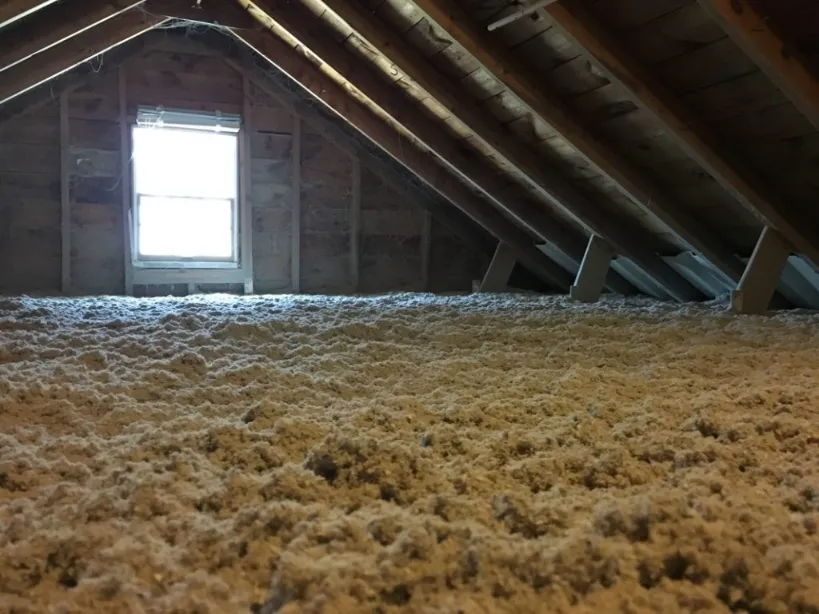
Current R-value: Measure existing insulation depth and type. If your attic has fewer than 10-12 inches of modern insulation, you are likely well below the R-49 minimum for our climate zone
Air sealing needs: Look for visible gaps around recessed lights, plumbing vents, chimney chases, and the attic hatch. Air leakage can account for 25-40% of a home’s total energy loss
Moisture history: Check for water stains, mold, or mildew on attic sheathing. In a marine climate, condensation problems often accompany under-insulated attics
Ventilation compatibility: Any insulation upgrade must work with your attic’s ventilation system. Improperly insulated attics can trap moisture and cause damage
Tax credit eligibility: Insulation materials meeting current IECC standards qualify for the federal Energy Efficient Home Improvement Credit, which covers 30% of material costs up to $1,200 annually
Common Mistakes That Reduce Your ROI
Adding insulation without air sealing first: Stacking fiberglass on top of an air-leaky attic floor reduces the effectiveness of the new insulation and leaves money on the table
Ignoring ventilation requirements: Blocking soffit vents with insulation restricts airflow, raises the risk of moisture damage, and can void manufacturer warranties
Choosing the cheapest material without considering the application: Different insulation types perform differently in various parts of the home. What works in a wall cavity may not be the right choice for an attic floor
Skipping the home energy audit: An audit identifies exactly where your home loses energy, so you invest where it matters most rather than guessing
Not claiming available tax credits: Many homeowners leave money on the table by failing to file IRS Form 5695 for qualifying insulation improvements
Recommendations by Homeowner Profile
Homeowner Type
Best Approach
Why
Planning to sell within 2-3 years
Air seal + blown-in fiberglass to R-49
Lowest upfront cost, strong resale return, visible improvement for appraisers
Long-term homeowner focused on comfort
Spray foam insulation for air seal + R-60 target
Maximum comfort, moisture protection, and long-term energy savings
Budget-conscious homeowner
Prioritize air sealing first, then add insulation over time
Air sealing alone delivers a meaningful portion of total savings at a lower cost
Homeowner with moisture issues
Closed-cell spray foam with vapor retarder
Addresses thermal, air, and moisture control in a single installation
Signs You’ve Found the Right Insulation Approach
The proposal addresses both insulation level and air sealing, not just one or the other
Your contractor has evaluated your specific attic conditions rather than offering a one-size-fits-all price
The recommended R-value target aligns with DOE guidelines for Climate Zone 4C (R-49 to R-60)
The contractor explains how ventilation will be maintained after installation
You receive clear documentation for tax credit eligibility, including manufacturer specifications and IECC compliance
The scope of work accounts for your home’s unique features, such as recessed lights, ductwork, and attic access points
You feel confident the installation will hold up over decades, not just look good on day one
Ready to Improve Your Home’s Energy Performance
Cascadia Spray Foam helps Lynnwood homeowners get the most out of their attic insulation investment by combining expert air sealing with high-performance spray foam insulation tailored to our marine climate. Our team evaluates your attic’s specific conditions, recommends the right approach for your goals and budget, and handles the full installation from start to finish through professional insulation services in Lynnwood, WA.
Call us at (425) 386-3500 or email [email protected] to get started. The right insulation upgrade pays for itself, and our team is here to make sure you get every bit of that return.
Frequently Asked Questions
How much attic insulation do I need in Lynnwood, WA?
Lynnwood is in IECC Climate Zone 4C (Marine), where the DOE recommends R-49 for attics with existing insulation and R-60 for uninsulated attics. Most older homes in the area have far less than this, making an upgrade worthwhile.
Does attic insulation qualify for federal tax credits?
Yes. Insulation and air sealing materials that meet current IECC standards qualify for a 30% tax credit on material costs, up to $1,200 per year, through the Energy Efficient Home Improvement Credit. Labor costs are not included in the credit.
How does spray foam compare to blown-in fiberglass for attics?
Spray foam provides both insulation and air sealing in one application, which is especially valuable in marine climates where moisture control matters. Blown-in fiberglass costs less upfront but does not seal air leaks on its own, so it should always be paired with separate air sealing work.
Will adding attic insulation help with summer cooling in Lynnwood?
Yes. While heating is the primary energy concern in our climate, a well-insulated attic also reduces heat gain during warmer months, keeping upper floors cooler and reducing the load on your cooling system.
How long does attic insulation last?
Quality insulation materials are designed to perform for 40 years or more when installed correctly. Spray foam insulation maintains its R-value and air sealing properties over time without settling, which is one of its advantages over loose-fill products.
U.S. Department of Energy – Insulation – Federal recommendations for R-values by climate zone, insulation types, and how heat flow affects home energy performance
I’m Melissa Grant, owner of Cascadia Spray Foam Insulation, with over 10 years of hands-on spray foam experience. I focus on durable insulation solutions, improved comfort and energy efficiency, and excellent customer service.
Selecting the right commercial insulation for warehouses comes down to five considerations: thermal performance matched to your climate zone, air sealing, moisture and vapor control, code compliance, and installation quality.…
Residential insulation addresses heat transfer through attic assemblies by slowing all three ways heat moves: conduction through framing and drywall, convection through air leaks, and radiation from a hot roof…
Open-cell spray foam provides useful coverage across irregular areas wherever a cavity is too deep, too uneven, or too cluttered with framing, wiring, and pipes for batts or rigid boards…