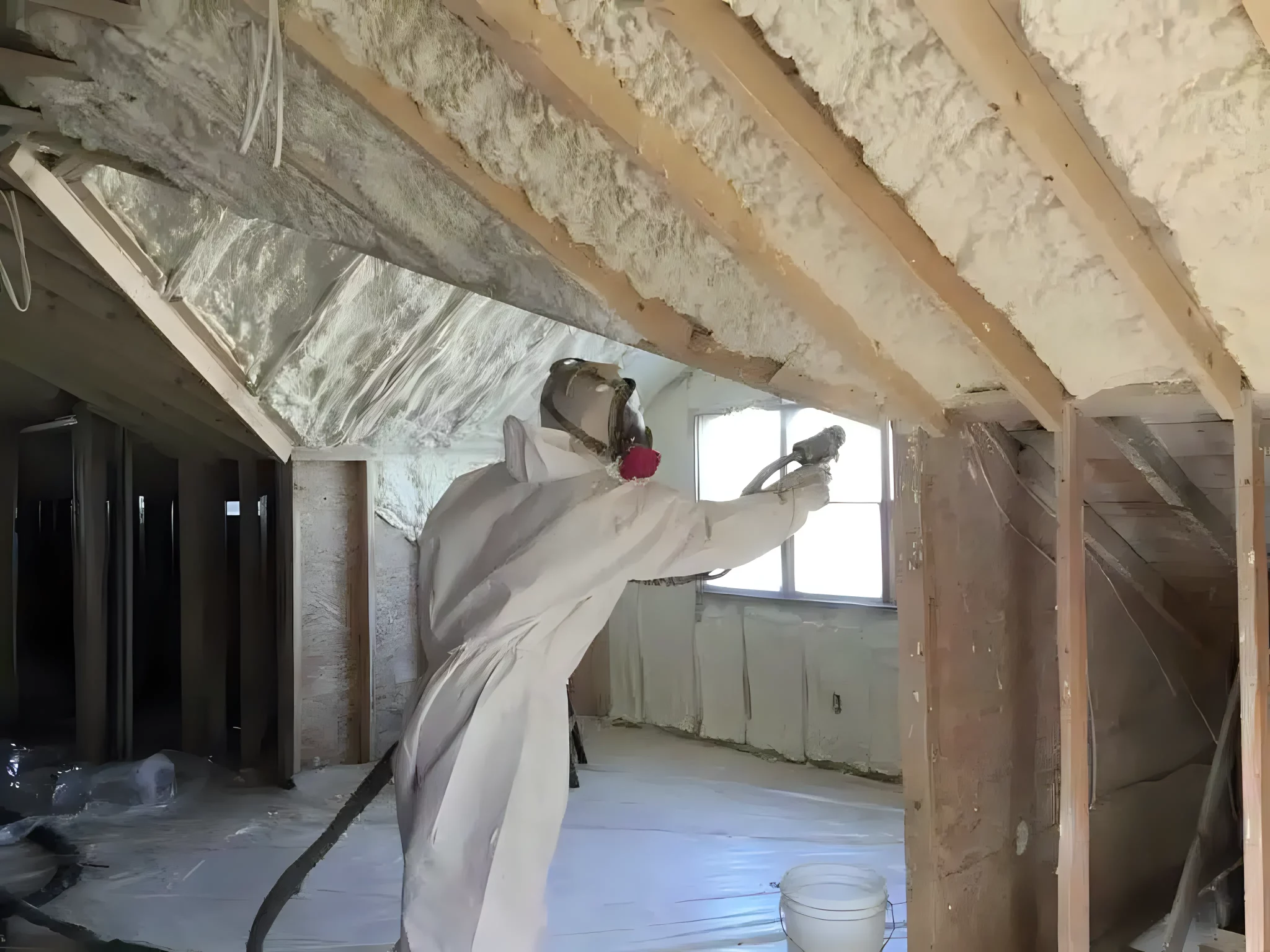
Why Old Houses Feel Like New Builds Using Spray Foam Insulation?
Melissa Grant
June 18th, 2026
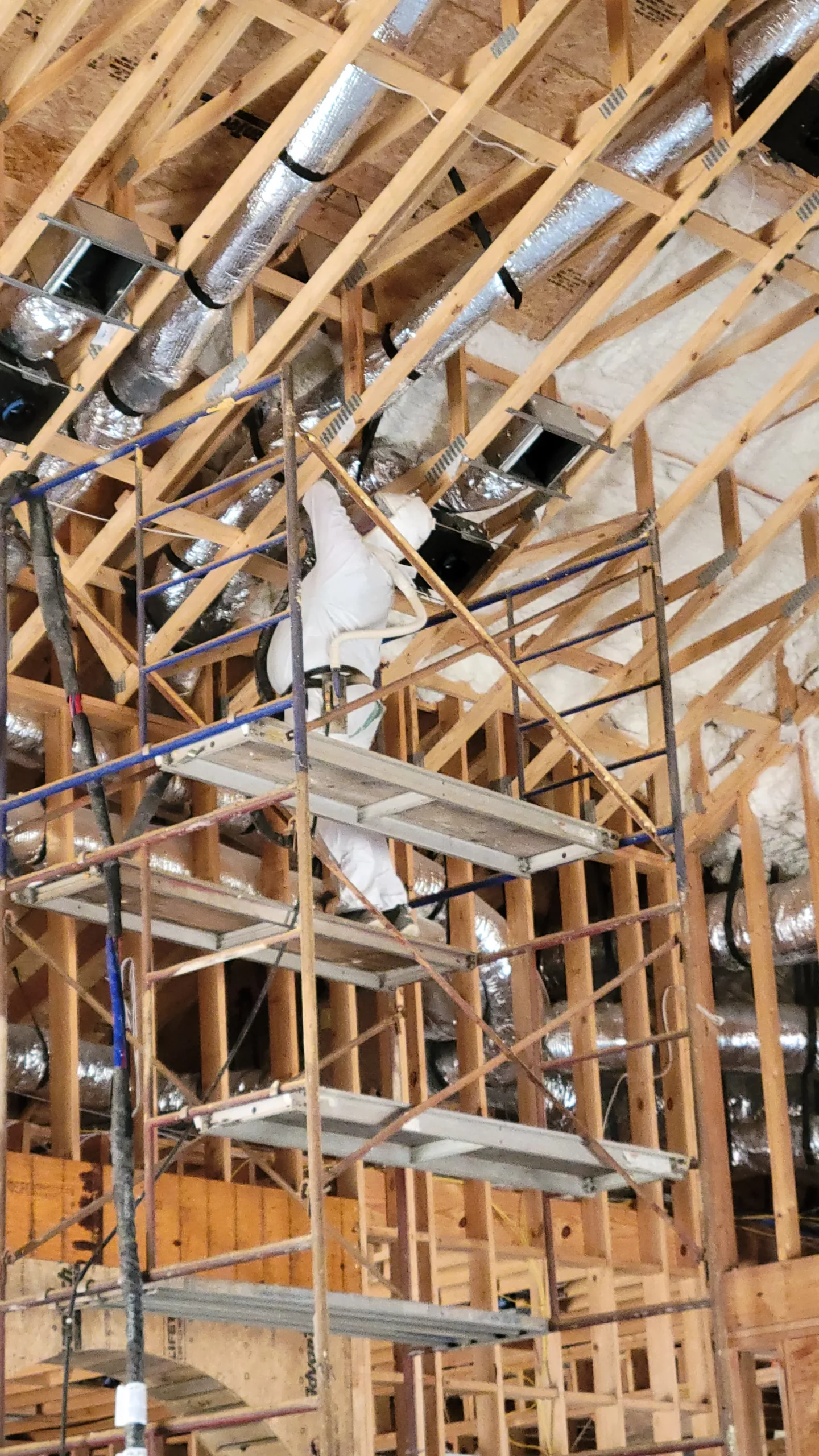
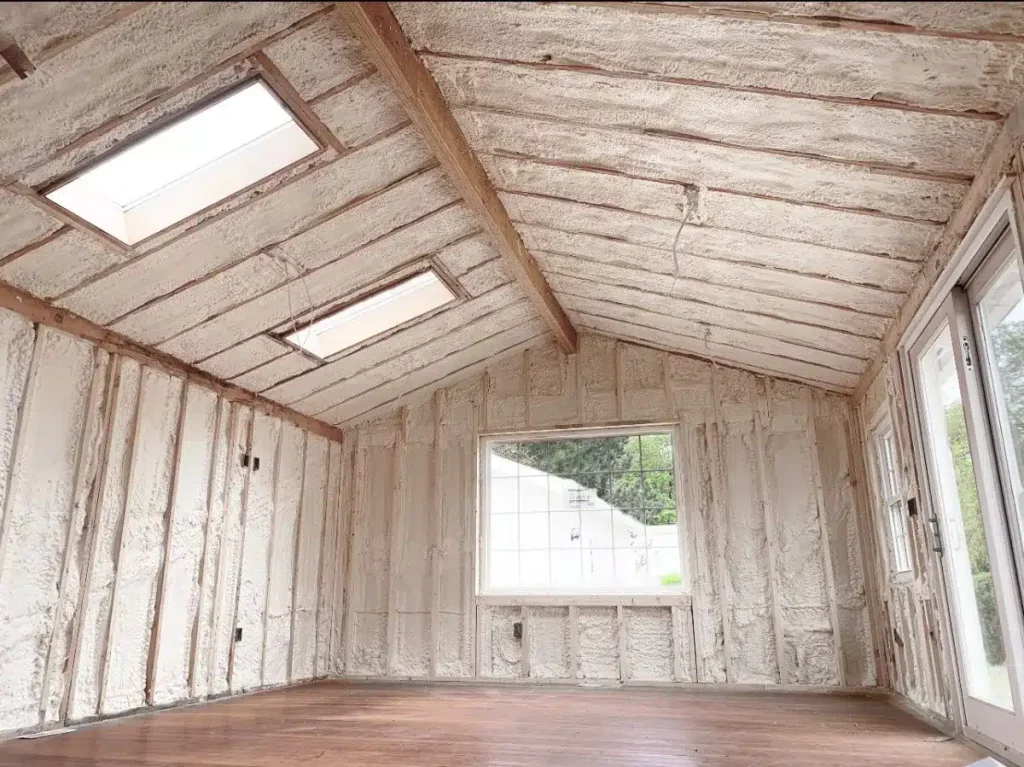
Spray foam insulation is one of the most effective ways to close the comfort gap between an older home and a newly built one, provided the right product and application strategy are chosen for your climate zone and home conditions. Older houses were built under less demanding energy codes, often with little more than fiberglass batts stuffed between wall studs and nothing sealing the countless cracks at framing joints, rim joists, and attic penetrations. Spray foam addresses all four environmental control layers that matter most: water, air, vapor, and heat. When applied correctly by experienced professionals, spray foam insulation seals those leaks, boosts thermal resistance, and delivers the kind of consistent, draft-free comfort that homeowners typically only experience in modern construction.
TL;DR
Spray foam insulation provides continuity across all four building control layers: water, air, vapor, and heat, a combination no other insulation system delivers as completely
The EPA notes that proper air sealing and insulation can reduce heating and cooling costs by up to 20%, making it one of the most impactful upgrades for older homes
Open cell and closed cell foams serve different purposes: closed cell is denser, acts as a vapor retarder, and works better in colder climates, while open cell fills cavities more economically
The rim joist area is one of the most leak-prone spots in older homes, and spray foam applied there, known as the “critical seal,” provides outstanding airtightness with a single application
“Build tight, ventilate right” is the governing principle: tighter homes need mechanical ventilation compliant with ASHRAE 62.2 to maintain healthy indoor air quality
Hybrid approaches, combining spray foam for air sealing with fiberglass or cellulose for bulk insulation, offer a cost-effective path for retrofit projects
Results include fewer drafts, more even temperatures room to room, reduced moisture issues, and quieter interiors
Why Old Houses Lose the Comfort Battle
Homes built decades ago were constructed under energy codes that allowed far more air leakage than modern standards. Gaps around window frames, unsealed rim joists, open attic floor penetrations, and poorly fitted wall insulation all contribute to a constant exchange of conditioned indoor air with unconditioned outdoor air. The Department of Energy identifies air leakage as a primary driver of energy waste, moisture problems, and uneven comfort in residential buildings. Unlike new builds that are designed with continuous air barriers from the start, older homes rely on materials and techniques that were never intended to provide a tight envelope.
This is where spray foam stands apart. According to Building Science Corporation, Advanced spray foam insulation has the unique ability to provide continuity of water control, air control, vapor control, and thermal control layers in a single application. That combination is what allows an old house to perform at a level approaching new construction.
Open Cell vs. Closed Cell: Which Strategy Fits Your Home
Choosing the right foam type depends on your climate zone, the area being insulated, and whether moisture control is a concern. Here is how the two main categories compare for retrofit applications:
Characteristic
Open Cell Foam
Closed Cell Foam
Density
Low, approx. 0.5 lb/ft3
High, approx. 2.0 lb/ft3
R-value per inch
Approximately R-3.5 to R-3.7
Approximately R-6 to R-7
Vapor control
Vapor permeable
Acts as Class II vapor retarder
Air barrier
Yes, at minimum classified depth
Yes, at minimum classified depth
Best applications
Wall cavities, attic floors, sound control
Rim joists, foundations, crawlspaces, cold climates
Expansion
Expands significantly to fill cavities
Less expansion, denser fill
In IECC Climate Zones 5 and higher, Building Science Corporation recommends high density closed cell foam for critical areas like crawlspaces and exterior-facing assemblies where condensation control matters. Open cell foam works well in milder climates and in interior wall cavities where vapor permeability is not a liability.
Target Areas That Deliver the Biggest Impact
Not every part of an older home needs spray foam. The most effective retrofit strategies target the areas where air leakage and inadequate insulation combine to cause the greatest comfort loss.
The Rim Joist (Band Joist): This area at the foundation-to-first-floor connection is consistently one of the worst offenders for air leakage in older homes. Building Science Corporation identifies the rim joist as a “particularly troublesome detail” because multiple framing components must connect as an air barrier, a task that is highly workmanship-sensitive with traditional sealants. Spray foam applied across the sill plate, rim joist, and subfloor creates what building scientists call the “critical seal,” providing outstanding airtightness in a single pass. Both open and closed cell foams work for this application, though closed cell offers better condensation control in cold climates.
Attic Floor and Ceiling Plane: In older homes with vented attics, the ceiling plane is full of penetrations: electrical wires, plumbing vents, recessed lights, and chimney chases. Sealing these with spray foam and then adding bulk insulation above creates an airtight “bathtub” that stops the massive heat loss that occurs through leaky ceiling assemblies.
Crawlspace and Basement Foundations: Older vented crawlspaces allow humid outdoor air to enter, which then impacts floor assemblies above. Applying closed cell spray foam to the floor joist bays in vented crawlspaces, or sealing and conditioning the crawlspace with foam on the perimeter walls, brings these areas to modern performance levels.
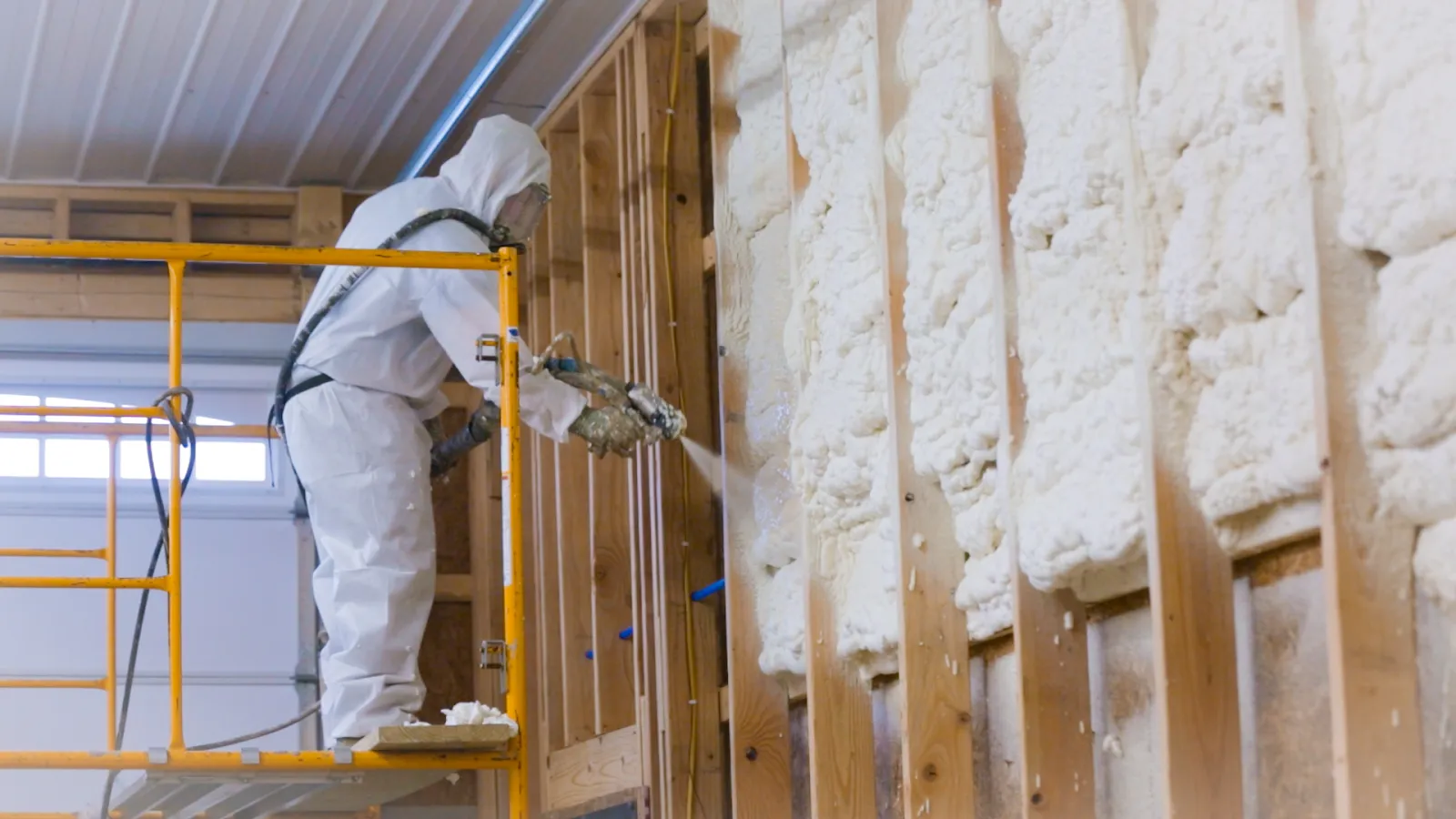
Wall Cavities During Remodels: When walls are already opened for remodeling, filling cavities with spray foam delivers both high R-value and air sealing in one step, far outperforming the fiberglass batts that were likely there before.
Air Sealing and Ventilation: Getting Both Right
A common misconception is that simply adding insulation without addressing air leakage will solve comfort problems. The Department of Energy states that air sealing alone does not eliminate the need for proper insulation, and the reverse is equally true. They are two separate control layers that both need attention.
However, tightening an older home raises an important consideration. The EPA warns that tightening a building without proper ventilation can allow indoor contaminants to build up, including combustion gases, VOCs, and moisture. The solution is not to avoid tightening, but to add controlled mechanical ventilation.
The Department of Energy and the building science community refer to this as “build tight, ventilate right,” and the ASHRAE 62.2 residential ventilation standard was developed specifically to set minimum ventilation requirements that ensure healthy indoor air in tight homes. For homeowners upgrading an older house with spray foam, this means the project should include an assessment of whether the existing ventilation is adequate once the home becomes significantly more airtight.
The Hybrid Approach: Smart Spending on Retrofits
Full cavity fill with spray foam is not always necessary or cost-effective for every retrofit project. Building Science Corporation describes hybrid wall and attic assemblies where a layer of closed cell spray foam is applied as an air seal and condensation control layer, then the remaining cavity is filled with fiberglass or cellulose insulation. This approach provides the air sealing benefits of spray foam where they matter most while keeping the overall project more affordable.
For example, in an attic retrofit, a thin layer of closed cell foam can be sprayed at the perimeter and all penetration points to create a continuous air barrier, then blown-in cellulose is installed over the top to reach the target R-value. The foam does the air sealing work, and the cellulose provides cost-effective thermal resistance.
Signs Your Insulation Retrofit Is Working
After a spray foam retrofit in an older home, the results become apparent quickly. Here is what homeowners typically notice:
Even temperatures from room to room: Rooms that were always cold in winter or hot in summer come into alignment with the rest of the house because air is no longer escaping through unsealed framing and penetrations
Elimination of drafts: The cold spots near exterior walls, floors, and windows disappear because the building envelope has been made continuous
Reduced noise: Spray foam has significant sound attenuation properties, so exterior noise and sounds between floors and rooms become noticeably quieter
Lower humidity and fewer moisture issues: Sealing the envelope prevents humid outdoor air from infiltrating in summer and stops warm indoor air from carrying moisture into cold wall cavities in winter
HVAC system runs less frequently: With far less air leakage, the heating and cooling system does not have to work as hard to maintain set temperatures
Signs You Have Found the Right Insulation Contractor
Choosing who applies spray foam in your home matters as much as choosing the product itself. A qualified contractor will conduct a thorough assessment of your home before recommending any specific approach, including identifying which areas need air sealing versus bulk insulation. They will explain the differences between open and closed cell foam and recommend the appropriate type for each area based on your climate zone and home construction. They should discuss ventilation requirements and confirm whether your existing system meets ASHRAE 62.2 standards post-retrofit. Clear communication, detailed written proposals, and a willingness to answer questions about building science principles are strong indicators of a contractor worth working with.
Request a Spray Foam Insulation Quote
Cascadia Spray Foam specializes in retrofit insulation projects that bring older homes up to modern performance standards. Our team evaluates every home individually, recommends the right foam type and application strategy for each area, and ensures proper air sealing and ventilation considerations are addressed from start to finish. We serve homeowners who want the comfort, efficiency, and quiet of a new build without the cost of new construction.
Can spray foam insulation be installed in an existing home without a full renovation?
Yes. Spray foam can be applied in targeted areas such as the attic floor, rim joists, and crawlspaces without opening walls. Wall cavities can only be insulated with spray foam during a remodel when drywall or exterior cladding is removed.
Does spray foam insulation help with noise reduction in older homes?
Yes. Spray foam provides significant sound attenuation because it fills gaps and creates a dense barrier. Both open and closed cell foams reduce airborne sound transmission through walls, floors, and ceilings.
Is mechanical ventilation necessary after a spray foam retrofit?
In most cases, yes. The tighter the home becomes, the more important controlled ventilation is for maintaining healthy indoor air quality. The ASHRAE 62.2 residential ventilation standard provides the baseline requirements for whole-house ventilation in residential buildings.
How long does a spray foam insulation retrofit take?
Most retrofit projects take one to three days depending on the scope of work. Rim joist sealing can be completed in hours, while full attic or crawlspace insulation may take one to two days. Wall cavity insulation is tied to the renovation schedule.
Will spray foam insulation reduce my energy bills?
The EPA estimates that proper insulation and air sealing can reduce heating and cooling costs by up to 20%. Actual savings depend on the existing condition of your home, climate, and how much of the building envelope is upgraded.
Sources
Air Sealing Your Home – Department of Energy– Official DOE guide on detecting and sealing air leaks in residential buildings, including recommendations for reducing heating and cooling costs.
I’m Melissa Grant, owner of Cascadia Spray Foam Insulation, with over 10 years of hands-on spray foam experience. I focus on durable insulation solutions, improved comfort and energy efficiency, and excellent customer service.
Selecting the right commercial insulation for warehouses comes down to five considerations: thermal performance matched to your climate zone, air sealing, moisture and vapor control, code compliance, and installation quality.…
Residential insulation addresses heat transfer through attic assemblies by slowing all three ways heat moves: conduction through framing and drywall, convection through air leaks, and radiation from a hot roof…
Open-cell spray foam provides useful coverage across irregular areas wherever a cavity is too deep, too uneven, or too cluttered with framing, wiring, and pipes for batts or rigid boards…