Cold Floors and Walls? How Spray Foam Insulation Solves the Problem
Melissa Grant
April 27th, 2026
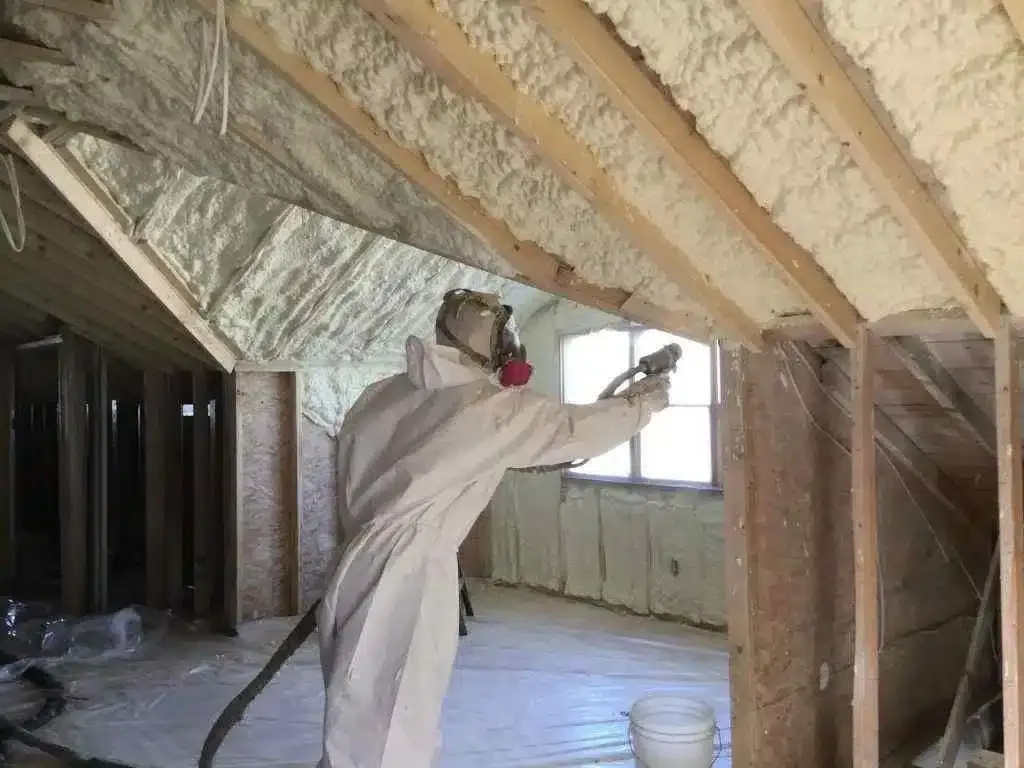
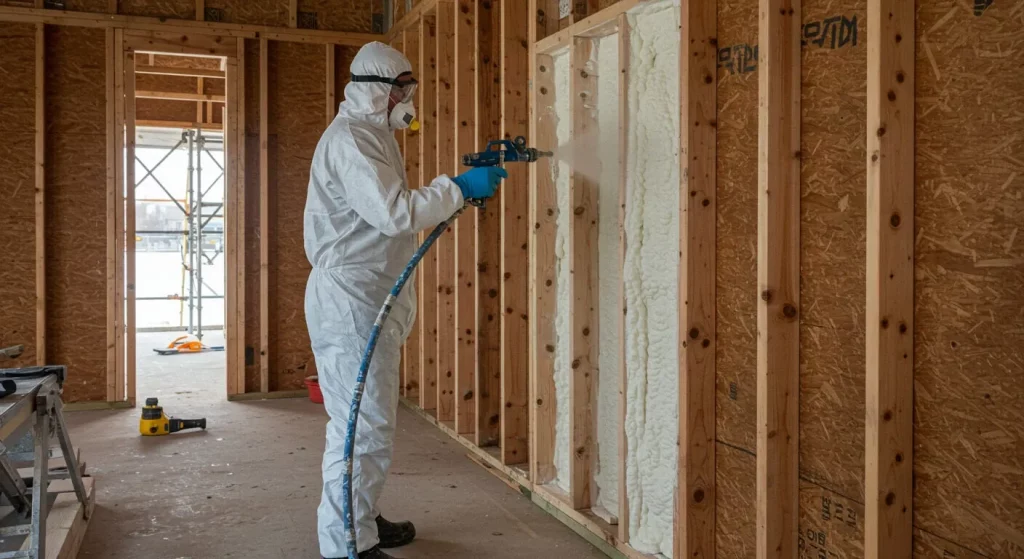
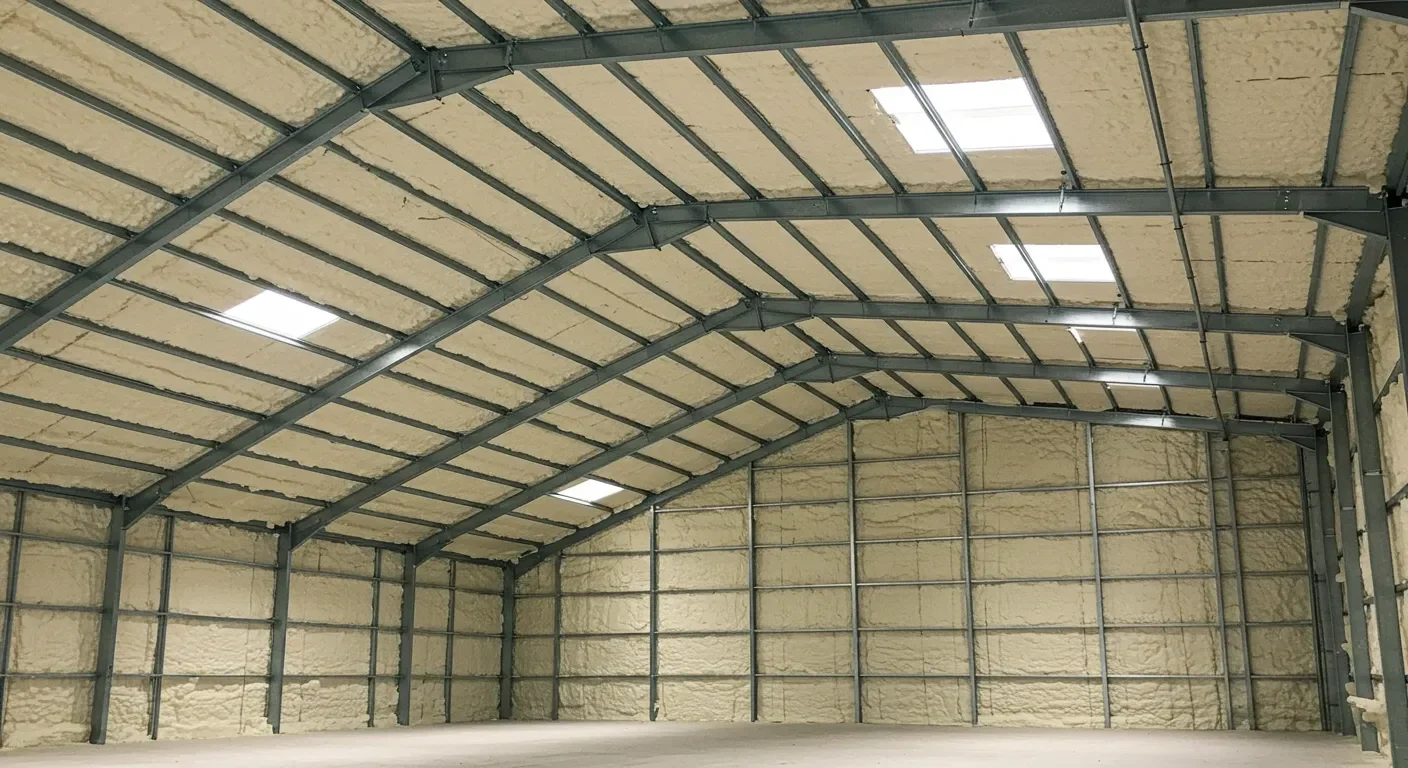
Cold floors and walls are not just uncomfortable, they indicate serious insulation failures that allow heat to escape and indoor air to leak out. Spray foam insulation solves this problem by creating a continuous air barrier and thermal blanket that eliminates the gaps and thermal bridges causing those cold surfaces. Unlike traditional insulation that only resists heat flow, spray foam actively seals the building envelope, keeping warmth inside during winter and reducing energy bills year-round.
TL;DR
Spray foam insulation provides up to 50% savings on heating and cooling costs compared to poorly insulated homes, according to Department of Energy research Department of Energy – Insulation
Closed-cell spray foam delivers R-7 per inch, nearly double the thermal resistance of open-cell foam at R-3.8 per inch
Air leakage accounts for 40% of energy loss in buildings, making air sealing as important as thermal resistance
Closed-cell spray foam qualifies as both an air barrier and vapor retarder, critical for cold climate performance
The EPA Energy Star program estimates that adding insulation and sealing air leaks saves homeowners up to 20% on monthly energy bills Spray Foam Coalition – Energy Efficiency
Climate zones 6 through 8 require R-38 floor insulation and continuous exterior insulation, which spray foam handles effectively
Professional installation by certified contractors prevents common failures from improper mixing, thickness control, and substrate preparation
Understanding Why Floors and Walls Stay Cold
Heat flows through your home in three ways: conduction through solid materials, convection through air movement, and radiation from warm surfaces. In winter, heat constantly moves from heated living spaces toward unheated areas like basements, crawl spaces, and exterior walls. When insulation fails to stop this flow, the inner surfaces of floors and walls become cold to the touch.
Traditional insulation materials like fiberglass batts only slow conductive heat flow. They do not stop air leakage through gaps, holes for wiring and plumbing, and penetrations around windows and doors. A study from the Spray Foam Coalition notes that up to 40% of a building’s energy is lost through air infiltration that proper insulation could prevent.
Floors above unheated basements or crawl spaces are particularly vulnerable. Heat rises, leaving the underside of floors exposed to cold air below. Walls with inadequate cavity insulation or thermal bridges through studs allow heat to escape despite seemingly adequate insulation on paper. The result is cold flooring, drafty walls, and heating bills that remain high despite thermostat adjustments.
Comparing Insulation Performance by Type
Not all insulation performs the same way. Spray foam, fiberglass, cellulose, and rigid foam boards each offer different benefits that matter in cold climate applications. The key metrics are R-value per inch, air barrier capability, vapor retarder properties, and moisture resistance.
The data comes from multiple manufacturer specifications and building science research organizations. Closed-cell spray foam delivers the highest R-value per inch while simultaneously functioning as an air barrier and vapor retarder. This combination makes it uniquely suited for cold climate applications where moisture control and air sealing are as important as thermal resistance.
Why Cold Climates Demand Closed-Cell Spray Foam
In northern climate zones, temperature differences between indoor and outdoor environments can exceed 70 degrees Fahrenheit during extreme winter conditions. Structures in these regions experience substantially greater thermal stress than buildings in milder climates. Johns Manville, a manufacturer of insulation products, explains that northern climates require more robust insulation specifically because the temperature delta demands higher thermal performance to maintain comfort. Johns Manville – Open Cell vs Closed Cell Spray Foam
Closed-cell spray foam addresses several challenges specific to cold climates. First, it provides a high R-value in relatively thin applications, which is critical in floor assemblies where height constraints limit insulation thickness. A 3-inch layer of closed-cell foam in a floor cavity achieves R-21, whereas fiberglass batts would need 6 inches or more to reach the same thermal resistance.
Second, closed-cell foam acts as a vapor retarder, preventing warm interior moisture from reaching cold surfaces where it would condense. In floor assemblies over vented crawl spaces, this vapor control prevents the moisture damage that commonly plagues fiberglass-insulated floors in humid climates.
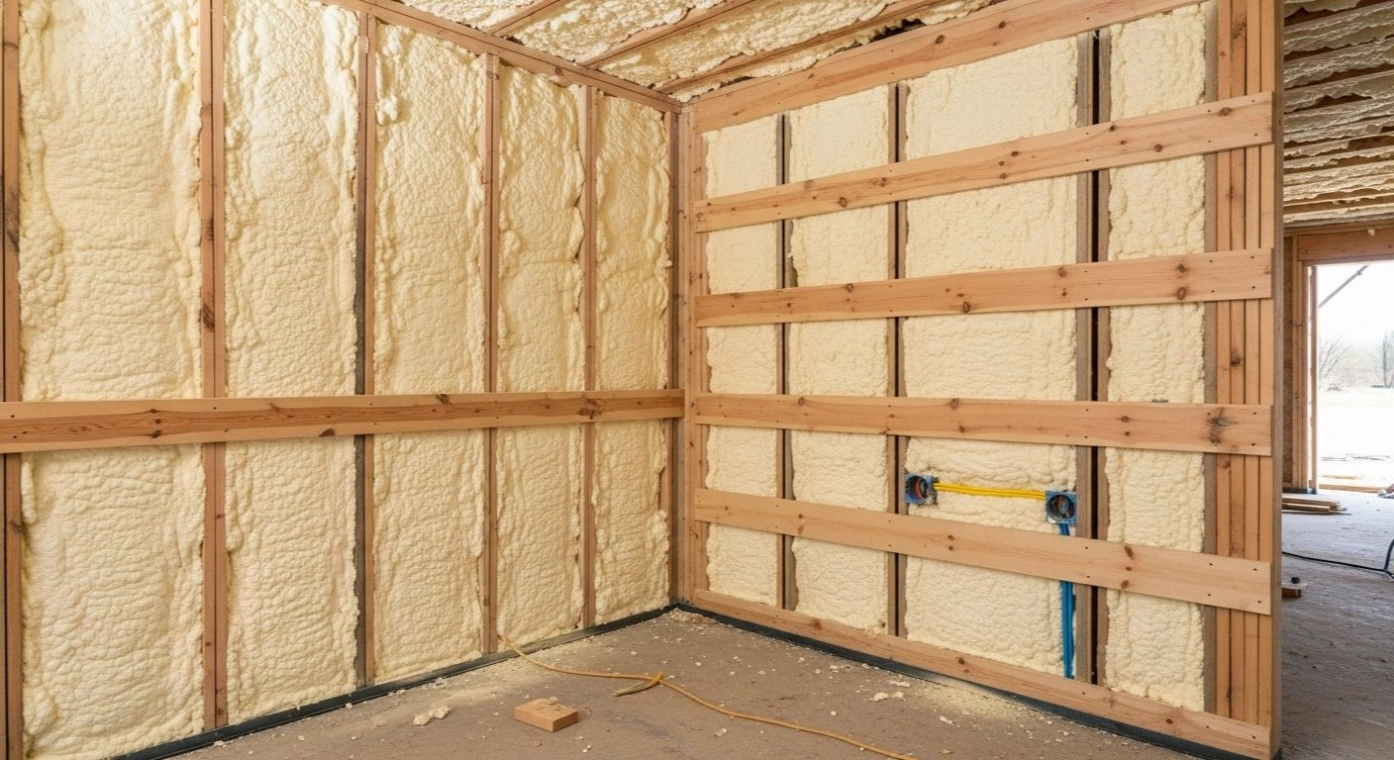
Third, closed-cell spray foam bonds directly to structural members and sheathing, eliminating gaps where air could bypass the insulation. Traditional batt insulation leaves voids around wires, electrical boxes, and plumbing, allowing warm air to escape into wall cavities and attics. Spray foam fills these irregular spaces completely.
Building Science research confirms that high-density closed-cell insulation meets code requirements for both condensation control and air impermeable insulation in cold climates. Building Science – Controlling Cold-Weather Condensation
Real-World Contractor Scenarios
Contractors working in cold climates encounter common situations where spray foam provides clear advantages over traditional insulation approaches. These scenarios illustrate typical problem-solving with spray foam solutions.
Scenario
Home Type
Problem
Solution
Outcome
Basement rim joist cold spots
1980s colonial, Everett WA
Interior rim joist area 15 degrees colder than rest of floor
2-inch closed-cell spray foam around rim joist and band joist
Floor surface temperature normalized within 3 degrees of interior ambient
Crawl space moisture and cold floors
1960s ranch, Marysville WA
4-foot ventilated crawl space with R-11 fiberglass floor insulation, persistent mold on underside of subfloor
Removed old insulation, sprayed closed-cell foam on crawl space walls and underside of floor, sealed crawl space
Open-cell spray foam in attic floor, closed-cell at knee wall interior
Room temperature stabilized, frost eliminated, HVAC runtime reduced
Cathedral ceiling cold spots
Custom home, Lake Stevens WA
14/12 pitch roof with limited space for insulation above sheathing
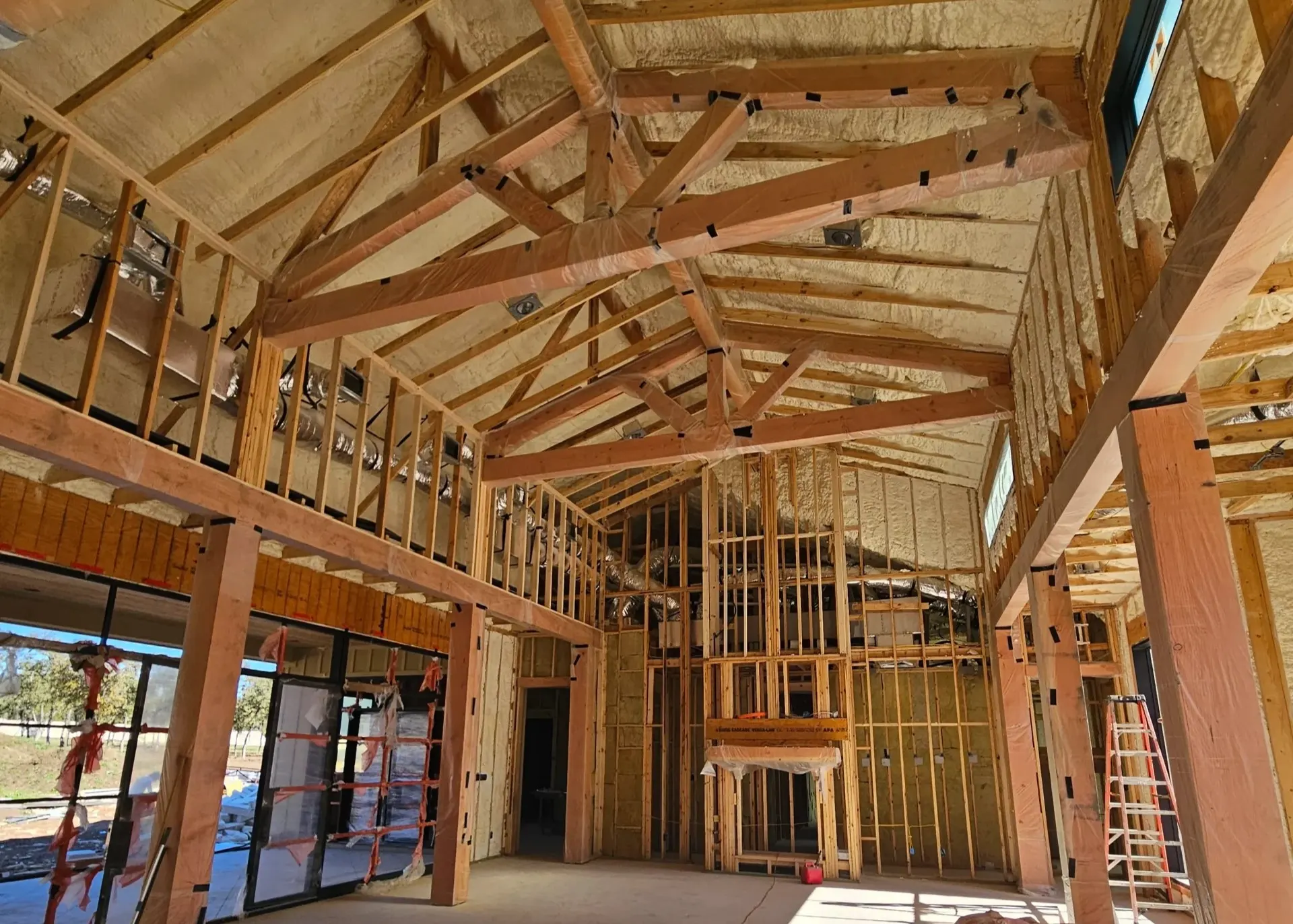
4-inch closed-cell spray foam applied to underside of roof sheathing
Eliminated thermal bridging at rafters, ceiling temperatures uniform, shingle temperature reduced 15 degrees in summer
Below-grade basement wall insulation
Historic home, Bellingham WA
Uninsulated concrete foundation walls in heated basement
2-inch closed-cell spray foam applied directly to concrete
Wall surface temperature increased from 52 to 68 degrees, basement comfortable year-round without supplemental heat
These examples demonstrate spray foam’s versatility across different assembly types and failure modes. Each project required different foam selection and application approach based on the specific building science challenge.
Key Factors Affecting Spray Foam Performance
Several variables influence how well spray foam insulation performs in cold climate applications. Understanding these factors helps contractors and homeowners set realistic expectations and avoid common pitfalls.
Substrate temperature and conditions: Spray foam requires substrate temperatures above 60 degrees Fahrenheit for proper adhesion and chemical reaction. Application in cold weather or on frozen surfaces causes incomplete adhesion, voids, and reduced R-value. Professional contractors monitor substrate conditions and use specialized products when temperatures approach minimum thresholds.
Installation thickness and layering: SPF expands and cures in layers typically no more than 2 inches thick per pass. Installing thick layers in single passes causes off-gassing, voids, and incomplete cure. Proper technique requires multiple passes with appropriate time between layers, which skilled contractors understand and follow.
Moisture management and vapor diffusion: In cold climates, the vapor diffusion direction reverses compared to hot, humid conditions. Interior moisture wants to move outward through walls and floors toward the cold exterior. Closed-cell spray foam installed at sufficient thickness (1.5 inches or greater) acts as a vapor retarder to prevent this moisture movement. Open-cell foam requires additional vapor control in cold climates.
Thermal bridging through framing: Spray foam applied to the interior of wall cavities stops air movement but does not eliminate thermal bridging through studs, joists, and other structural elements. Fine Homebuilding – Understanding R-Value and Spray Foam For maximum thermal performance, closed-cell spray foam works best as continuous exterior insulation applied to the outside of the sheathing, eliminating thermal bridges entirely.
Common Contractor Mistakes to Avoid
Proper spray foam installation requires expertise, and mistakes lead to performance failures that are difficult and expensive to correct. Awareness of common errors helps property owners evaluate contractor qualifications.
Insufficient thickness: Building codes and manufacturer specifications require minimum foam thickness for air barrier and vapor retarder performance. Installing less than specified allows air leakage and moisture penetration. Professional contractors apply foam to achieve the required thickness even in irregular cavities.
Inadequate mixing: Spray foam chemistry requires precise proportioning of isocyanate and polyol components. Improper mixing causes incomplete reaction, reduced R-value, and potential off-gassing. Equipment calibration and maintenance prevent these issues.
Skipping substrate preparation: Contaminants like dust, grease, moisture, or loose materials prevent proper foam adhesion. Professional contractors clean and prepare surfaces before application, which is especially critical in renovation projects.
Ignoring climate-specific product selection: Not all spray foam formulations perform the same across temperature ranges and humidity conditions. Experienced contractors select products appropriate for the specific climate zone and building assembly type.
Failing to address moisture before sealing: Trapped moisture within wall assemblies causes mold, rot, and structural damage. Professional installations include assessment of existing moisture conditions and remediation before spray foam encapsulation.
Long-Term ROI and Energy Savings
Spray foam insulation costs more upfront than traditional insulation materials, but the investment pays back through reduced energy consumption, improved comfort, and longer HVAC equipment life. According to research, homeowners who upgrade to spray foam insulation often report energy savings of 15% to 50% compared to traditional insulation methods.
The U.S. Department of Energy estimates that 56% of energy used in a typical home goes toward heating and cooling. Reducing heating and cooling bills by 30% or more provides substantial annual savings that compound over the 20+ year service life of spray foam insulation.
Additionally, spray foam reduces HVAC equipment cycling and extends equipment lifespan by lowering the heating and cooling load the system must handle. Properly sized HVAC equipment runs less frequently while maintaining desired temperatures, reducing wear and maintenance costs.
Air sealing with spray foam also improves indoor air quality by preventing uncontrolled air leakage that introduces dust, pollen, and other contaminants from attics, crawl spaces, and exterior walls.
Request an Assessment for Your Property
If cold floors and walls plague your home or building, our team at Cascadia Spray Foam provides thorough assessments to identify insulation failures and recommend solutions tailored to your property. We serve Everett, Marysville, Snohomish, Lake Stevens, Bellingham, and surrounding communities throughout Washington State.
Our experienced technicians understand cold climate building science and apply spray foam insulation techniques that maximize thermal performance and moisture control. We evaluate your current insulation, identify air leakage paths, and recommend appropriate spray foam solutions for floors, walls, crawl spaces, and attics.
Contact our team at Cascadia Spray Foam today to discuss your project requirements. Reach us by email at [email protected] or call (425) 386-3500 to speak with an insulation specialist.
Frequently Asked Questions
Does spray foam insulation work in existing homes or only in new construction?
Spray foam insulation works in both existing homes and new construction. In existing homes, it can be applied to attic floors, inside wall cavities through drilled holes, below floors in crawl spaces, and on basement walls. Retrofitting spray foam often provides the greatest performance improvements in homes with inadequate or failing insulation.
How long does spray foam insulation last?
Properly installed spray foam insulation lasts for the life of the building. Unlike fiber-based insulation that settles, compresses, or absorbs moisture over time, spray foam maintains its R-value and air sealing performance for decades without degradation.
Will closed-cell spray foam cause moisture problems if applied to the interior of walls?
When applied at sufficient thickness (1.5 inches or greater), closed-cell spray foam acts as a vapor retarder and prevents interior moisture from reaching cold wall cavities. However, applying thin layers or using open-cell foam without additional vapor control can trap moisture against cold exterior surfaces in cold climates.
Can spray foam help with noise reduction between floors and rooms?
Open-cell spray foam provides better acoustic dampening than closed-cell foam due to its porous structure. For projects combining thermal performance with sound control, some contractors use open-cell foam in interior partitions and closed-cell foam in exterior assemblies.
How do I know if my property needs closed-cell or open-cell spray foam?
Cold climate applications, below-grade areas, and locations requiring vapor control benefit from closed-cell spray foam. Interior wall cavities and conditioned attic spaces can use open-cell foam where vapor control is not required. A professional assessment considers climate zone, assembly type, and moisture conditions to determine the appropriate product.
Sources
Department of Energy – Insulation – Official government resource explaining R-values, heat flow mechanisms, and recommended insulation levels by climate zone.
Spray Foam Coalition – Energy Efficiency – Industry resource documenting energy savings statistics, including the EPA estimate of up to 20% bill reduction through air sealing and insulation improvements.
I’m Melissa Grant, owner of Cascadia Spray Foam Insulation, with over 10 years of hands-on spray foam experience. I focus on durable insulation solutions, improved comfort and energy efficiency, and excellent customer service.
Spray foam insulation seals building gaps because the foam expands, bonds to the framing, and cures into one airtight layer that follows every angle. Batts and boards can’t hug odd…
Insulation-based temperature control comes down to one job: slowing heat flow so every room gains or loses heat at about the same pace. Fill the weak spots with the right…
Quick answer: Cutting commercial insulation heat loss on a large building means treating the whole envelope as one system. Insulation slows heat moving through walls, roofs, and ceilings. Air sealing…