Why Closed-Cell Spray Foam Works Best for Modern Home Insulation
admin_cascadiaspray
January 2nd, 2026
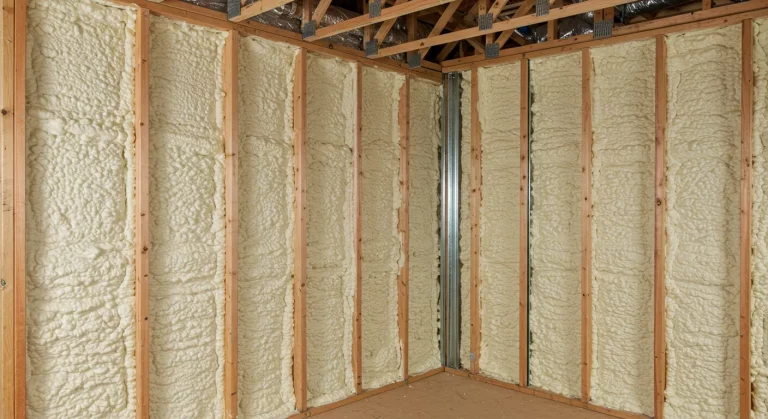
Closed-cell spray foam provides a high R-value and a built-in vapor barrier that stops air leaks and moisture in one step. It creates a dense, rock-hard layer that strengthens your walls while cutting monthly energy bills. We recommend this for modern homes because it addresses the specific climate challenges we face year-round.
High R-value per inch saves space while providing maximum heat retention.
The rigid structure adds physical strength to your home’s walls and roof.
Water resistance prevents mold growth by blocking humid air from entering the wall cavity.
Superior Thermal Resistance and Air Sealing
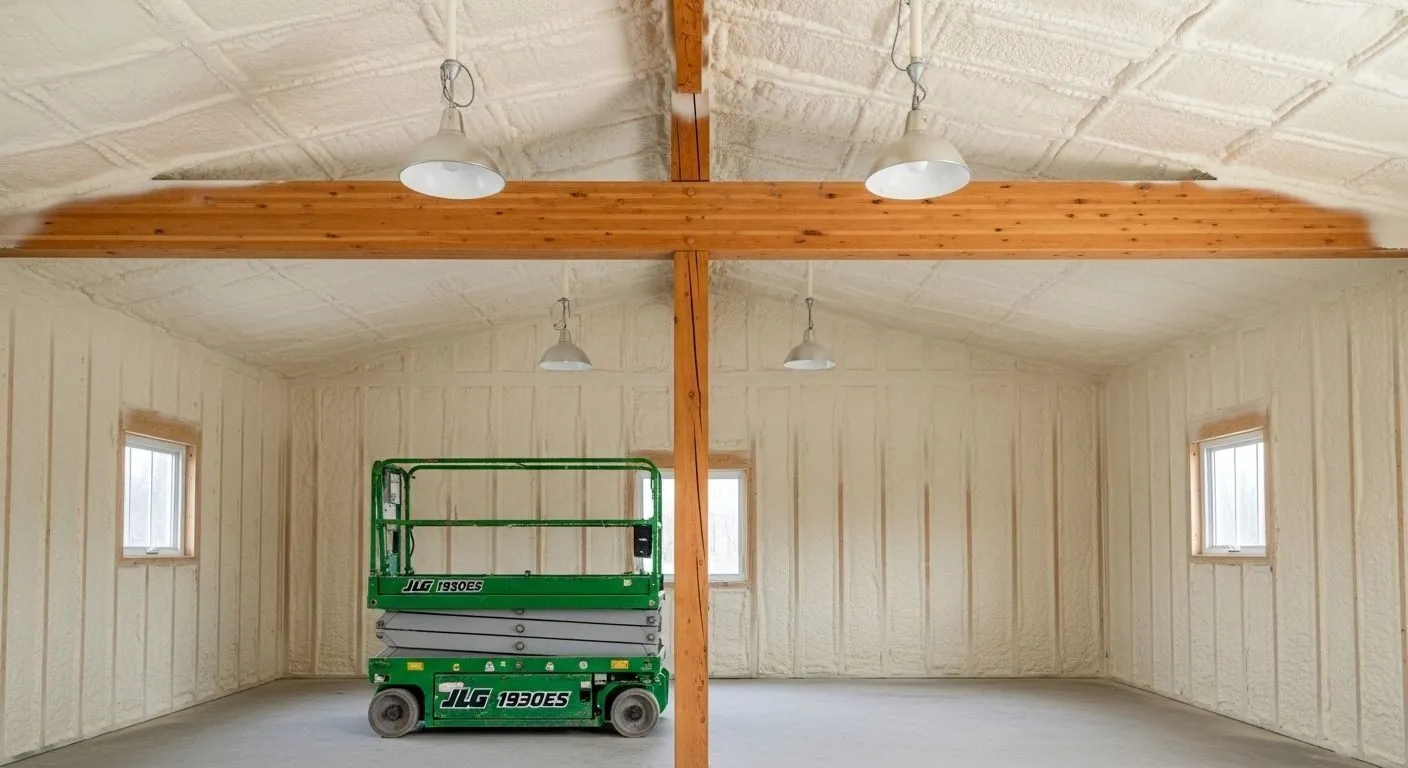
Closed-cell spray foam is a dense material that remains compact after expanding. We find that this density makes it so effective at retaining heat during our cold winters. It fills every tiny crack and gap that traditional batts usually miss.
Air Leakage Prevention
Air leaks account for a significant portion of heat loss in both older and modern homes. Our spray foam insulation creates an airtight seal that prevents drafts from coming through outlets, baseboards, or attic hatches.
Complete Gap Coverage
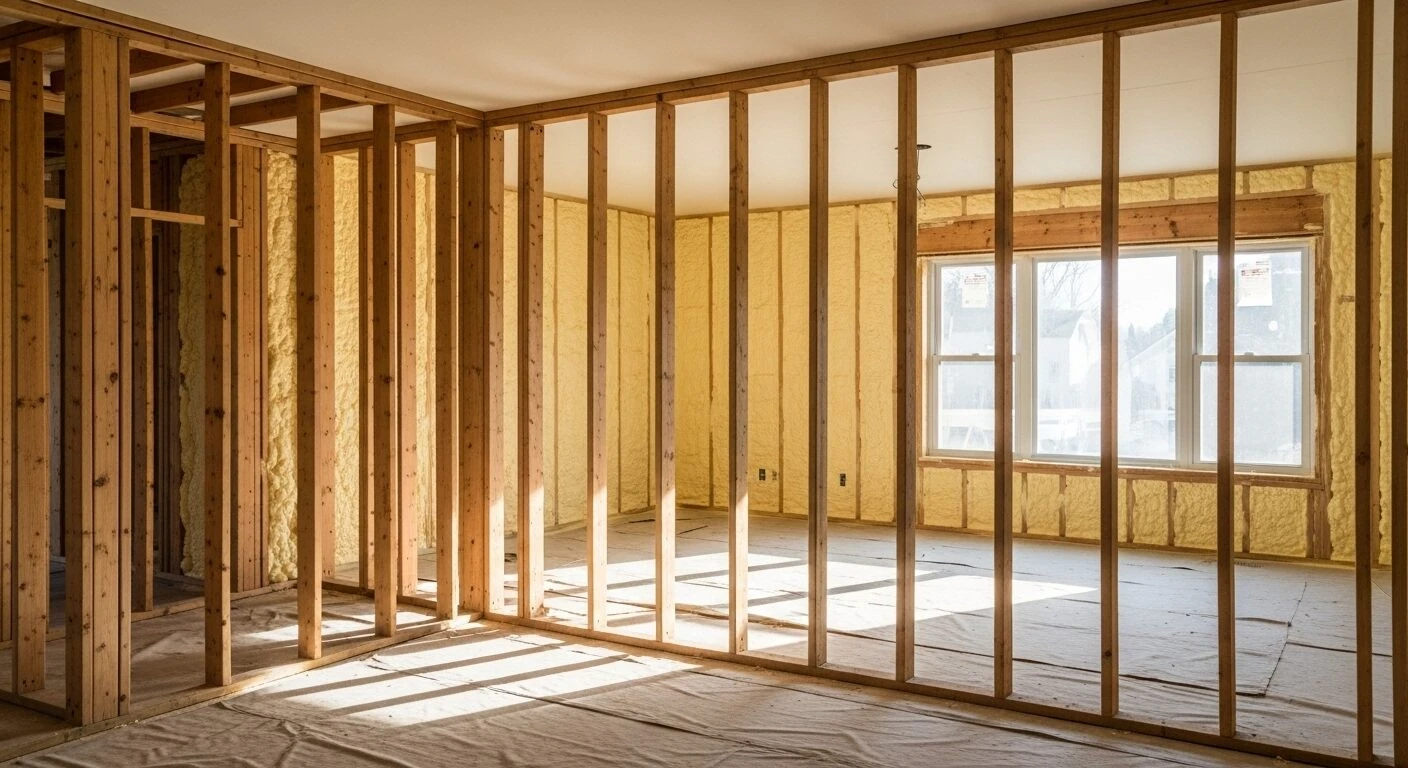
The foam expands into small crevices, blocking air movement through the building envelope.
It eliminates the need for extra caulking or weatherstripping in treated areas.
Professional Application Methods
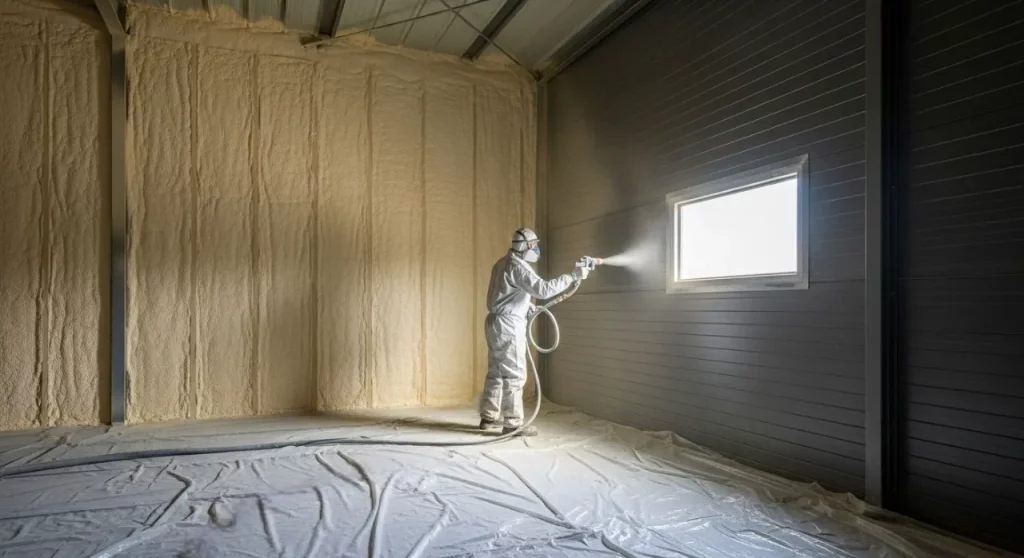
Always check the outdoor temperature and humidity levels before starting your project. We found that applying foam on a dry day results in the best adhesion to wood or concrete surfaces.
Structural Support in Shoreline Homes
A recent project by Cascadia Spray Foam Insulation of Seattle involved a home near the water that was exposed to high winds. After applying 2 inches of closed-cell foam, the wall racking strength increased significantly, helping the house feel more solid during storms.
Why Do Homeowners Choose Closed-Cell Over Open-Cell?
Many people ask us about the difference between the two main types of spray foam. Closed-cell is much denser and has a higher R-value, often around R-6.5 to R-7 per inch. Open-cell foam is softer and better for soundproofing, but doesn’t block moisture as well.
For most modern projects, the moisture barrier is the deciding factor. Since closed-cell foam is waterproof, it protects the wood framing from rot. This is a huge advantage in damp climates where humidity often gets trapped inside walls.
We see better long-term results with closed-cell because it does not settle or sag over time. While the initial cost is higher, the energy savings and durability usually make it the smarter pick for a permanent home.
Comparison of Popular Insulation Types
Feature
Closed-Cell Spray Foam
Fiberglass Batts
Open-Cell Spray Foam
R-Value Per Inch
6.5 – 7.0
3.1 – 3.8
3.5 – 3.8
Air Barrier
Yes
No
Yes
Moisture Barrier
Yes
No
No
Structural Strength
High
None
Low
Better Moisture Control and Wall Durability
Moisture is the enemy of any home structure. Closed-cell foam acts as its own vapor retarder, so we don’t need to install extra plastic sheeting in most cases. This simplifies the building process and reduces the risk of trapped water.
Protection Against Mold
The foam does not provide a food source for mold or mildew to grow.
By blocking warm air from hitting cold surfaces, it stops condensation from forming.
Long-Term Wall Health
The foam’s rigidity prevents the wall studs from twisting or warping over time.
It creates a flood-resistant layer that withstands water better than other materials.
Smart Choices for Energy Efficiency
Choosing the right insulation helps keep your home comfortable while lowering the load on your HVAC system. We see that closed-cell foam pays for itself through lower utility costs and a more stable indoor temperature. It is a one-time upgrade that lasts the life of the building and requires no maintenance.
Get Started with Cascadia Spray Foam Insulation of Seattle
We take pride in helping our neighbors build better, more efficient homes. Our team at Cascadia Spray Foam Insulation of Seattle has the experience to handle complex residential or commercial jobs. We make sure every inch of your space is sealed tight and ready for any weather.
Contact us today to discuss your next project and see how closed-cell foam can improve your property.
What are the benefits of closed-cell spray foam insulation?
Closed-cell foam offers the highest R-value per inch, which means you get more warmth in less space. It also serves as an air and moisture barrier while adding structural strength to your home. We use it to stop drafts and prevent mold growth in damp areas.
Is spray foam better than traditional insulation?
Yes, because it seals and insulates simultaneously. While fiberglass or cellulose allows air to pass through, spray foam creates a solid barrier. According to data from the U.S. Department of Energy, air sealing is a top way to reduce energy costs.
What is the R-value of closed-cell spray foam?
Closed-cell spray foam typically provides an R-value of 6.5 to 7 per inch. This is nearly double what you get from fiberglass or open-cell foam. This high rating makes it the best choice for thin walls or tight attic spaces.
What is closed-cell spray foam good for?
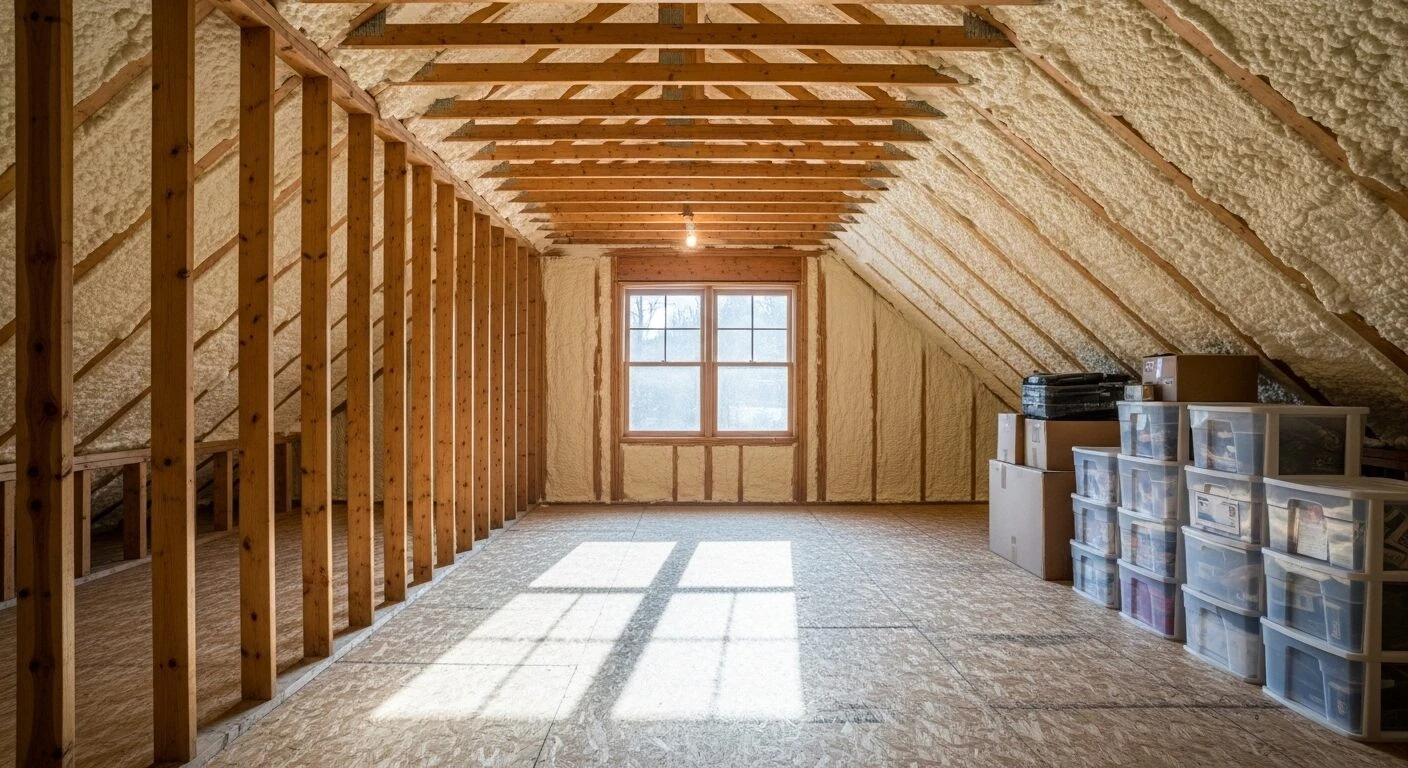
It is ideal for exterior walls, crawl spaces, and unvented attics. We also recommend it for pole barns or metal buildings because it prevents condensation on cold surfaces. Its water-resistant properties make it ideal for below-grade applications, such as basements.
Does closed-cell spray foam add strength?
Yes, it acts like glue between the wall studs and the exterior sheathing. Studies mentioned by the International Association of Certified Home Inspectors show that it can increase the shear strength of a wall. This helps homes better withstand heavy snow loads or high winds.
Spray foam insulation consistently delivers the highest return on investment among residential insulation options, primarily because it combines superior thermal performance with an airtight seal that no other material can…
Seattle homeowners face a specific set of insulation challenges: cool, damp winters, moderate summers, older housing stock, and increasingly strict energy codes. The right insulation choice in 2026 depends on…
Closed-cell spray foam insulation delivers the highest R-value per inch of any common insulation material, creates a continuous air and vapor barrier in a single application, and actively resists moisture…