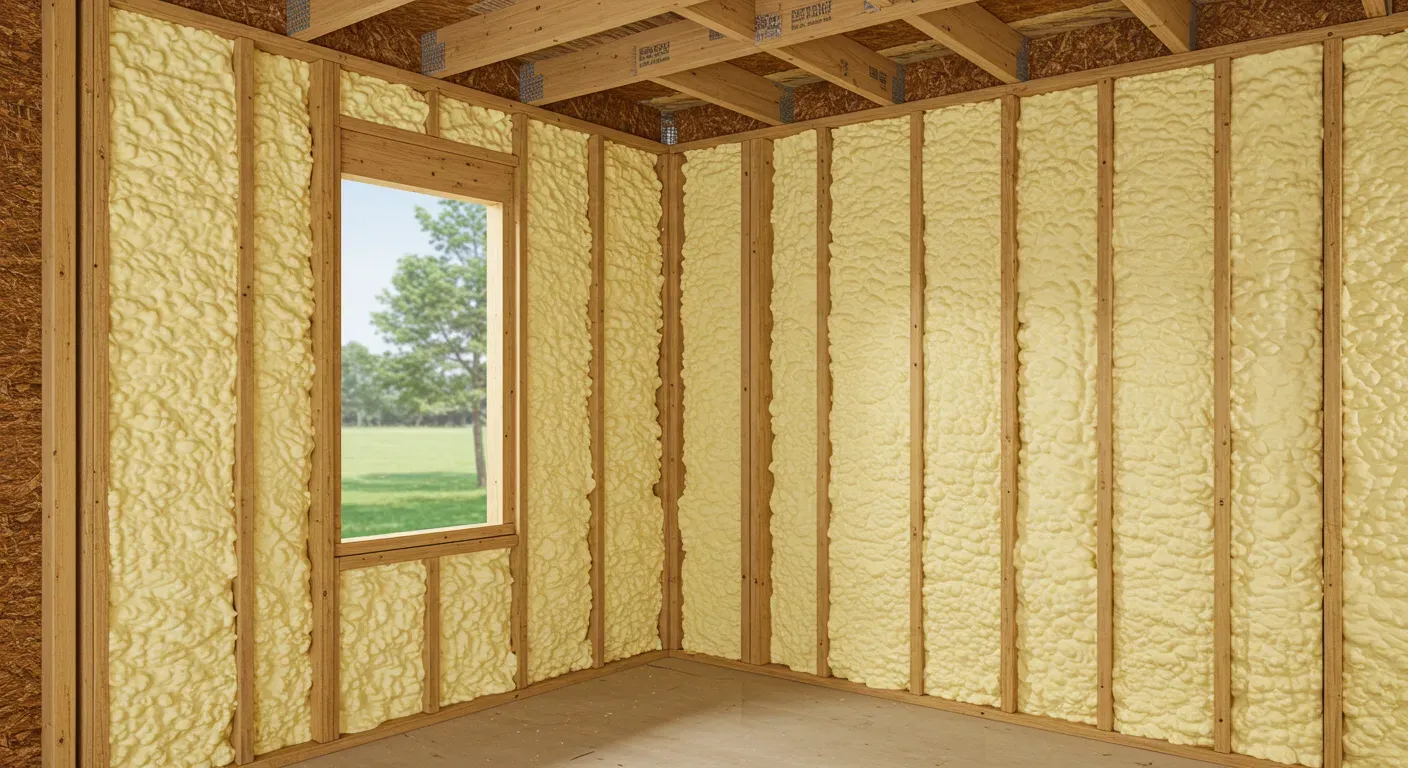
If you’re wondering how well spray foam insulation keeps your home comfortable, you’re in the right place. The R-value tells us exactly that, how much resistance the material provides against heat transfer. For spray foam, it’s one of the best options on the market.
Closed-cell spray foam can reach 6–7 per inch, making it ideal for tighter spaces.z
Higher R-values mean better energy efficiency and lower heating or cooling costs.
Cascadia Spray Foam of Seattle focus on installing insulation that saves energy, keeps moisture out, and improves your indoor comfort.
Why Spray Foam Works Better Than Fiberglass
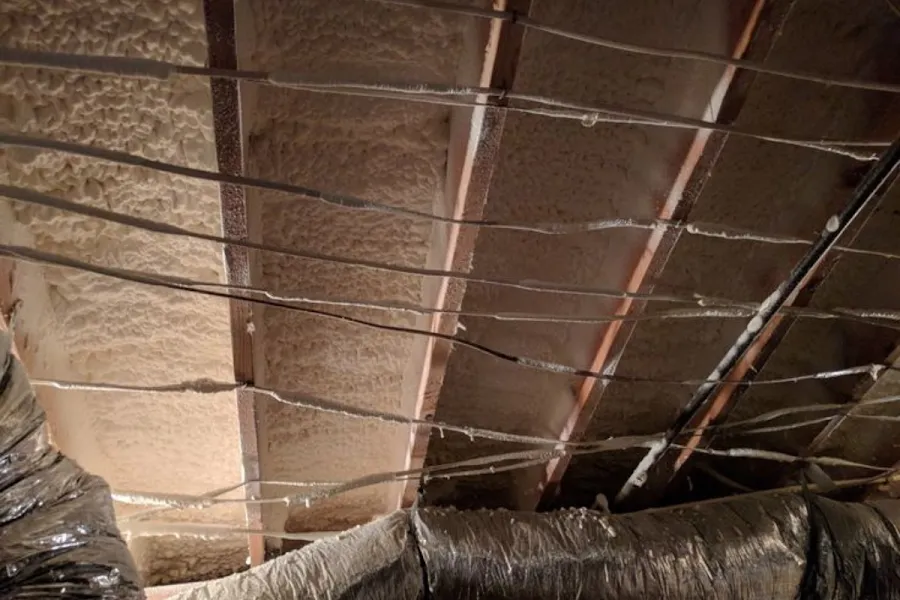
Spray foam fills gaps and cracks that fiberglass or cellulose can’t reach. This seamless barrier reduces air leaks, helping you maintain a steady indoor temperature. According to the Department of Energy, proper insulation can cut energy bills by up to 20%. Spray foam’s superior R-value combined with air sealing ensures your home stays comfortable year-round.
Open-Cell vs. Closed-Cell = Different Performance
Not all spray foam is the same. Here’s what you need to know:
Open-cell foam is softer and expands more, making it great for interior walls. It has an R-value around 3.5 per inch.
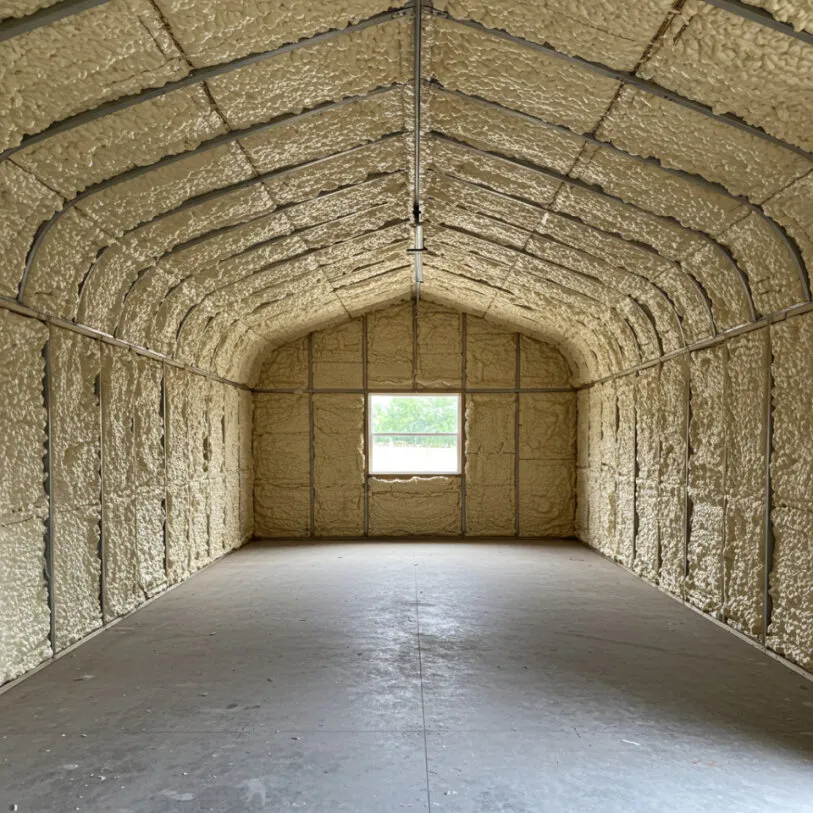
Closed-cell foam is denser and provides moisture resistance, with R-values as high as 6–7 per inch.
We often recommend closed-cell for exterior walls and areas prone to moisture. This type also strengthens your structure slightly, acting like an extra layer of protection.
How Thickness Affects R-Value
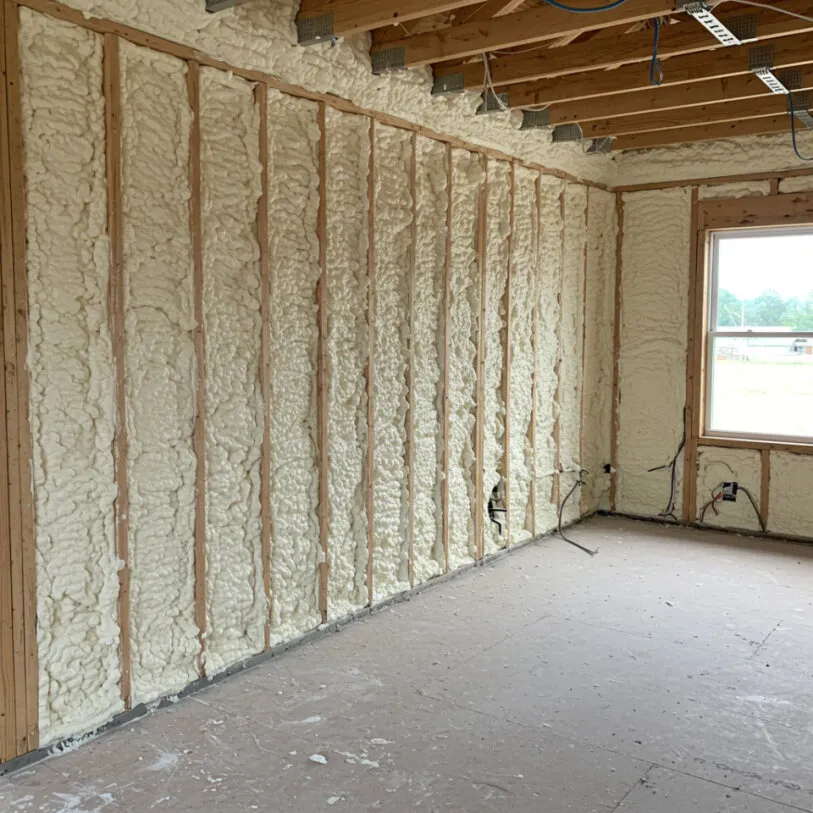
One common question we hear: “Does spraying more foam mean better insulation?” The answer is yes, but it’s important to get the thickness right. Too thin, and you don’t reach the desired R-value. Too thick, and you may overspend unnecessarily. For example, a 2×6 exterior wall fully filled with closed-cell spray foam can reach R-38, ideal for colder climates according to Energy Star guidelines.
Cheap Material = Bad Insulation
Using low-quality spray foam can backfire. Cheap products may shrink, pull away from surfaces, or cure unevenly, reducing the effective R-value. Investing in professional-grade foam ensures you get the performance advertised and protects your home long-term. We always use tested, high-quality materials, so you can see the real difference in energy savings.
Benefits Beyond R-Value
Spray foam doesn’t just block heat; it:
Reduces air infiltration, keeping allergens and dust out.
Acts as a moisture barrier, preventing mold growth.
Adds structural stability to your walls and roof.
Homes insulated with spray foam often see noticeable drops in heating and cooling bills. A recent study by the Oak Ridge National Laboratory confirmed spray foam homes maintain indoor temperatures more consistently than homes with traditional insulation.
How We Install Spray Foam at Cascadia
We start with a thorough inspection of your walls, identifying areas prone to air leaks. Then, we:
Prepare surfaces for adhesion.
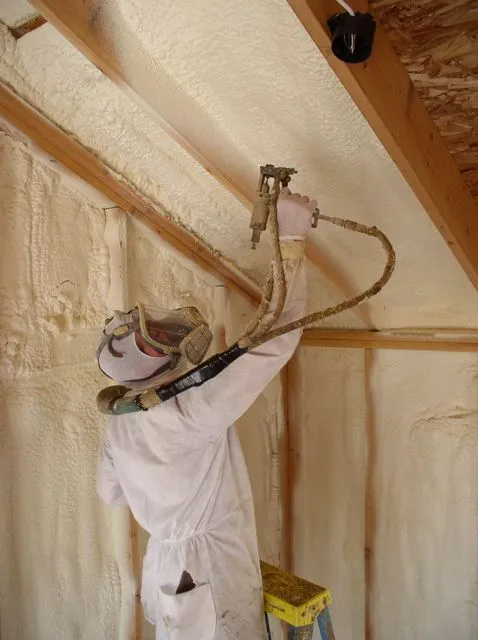
Apply spray foam evenly to achieve the targeted R-value.
Trim excess foam and seal any gaps around windows and doors.
Our goal is energy-efficient, long-lasting insulation that performs exactly as promised.
Conclusion
Understanding the R-value of spray foam insulation helps you make smarter decisions for your home. With open-cell and closed-cell options, precise thickness, and professional installation, spray foam offers superior energy efficiency and comfort. At Cascadia Spray Foam of Seattle, we provide reliable solutions tailored to your space.
Contact us at (425) 386-3500 or email [email protected] to schedule a consultation and see how spray foam can transform your home.
FAQs About Spray Foam Insulation
What thickness of insulation for exterior walls?
For most exterior walls, 2×6 walls should have 5–6 inches of closed-cell spray foam to reach R-38. For 2×4 walls, 3–3.5 inches of closed-cell foam is typical to achieve an R-value around 20–21.
What is the best way to insulate exterior walls?
Spray foam is generally the best choice because it seals gaps and provides high R-values in a single application. Combining it with fiberglass or rigid board can help in specific retrofit situations.
What is the maximum R-value for a 2×4 wall?
With closed-cell spray foam, a fully filled 2×4 wall can reach R-21, while open-cell will be around R-13. Achieving higher R-values requires thicker walls or multiple insulation layers.
What R-value is best for exterior walls?
The ideal R-value depends on your climate. In the Seattle area, the Department of Energy recommends R-21 to R-38 for exterior walls, which closed-cell spray foam easily provides.
How long does exterior wall insulation last?
Spray foam can last 20–40 years or more without losing effectiveness if properly installed. Unlike fiberglass, it doesn’t sag or settle over time, maintaining consistent R-value throughout its lifespan.
Open-cell foam insulation creates a breathable yet protective barrier that prevents moisture accumulation while allowing your Tukwila home to maintain proper humidity levels. This unique material works by trapping air…
Open-cell insulation provides significant environmental benefits through reduced material consumption, lower embodied carbon during production, and superior long-term energy efficiency that decreases heating and cooling demands. The material’s unique cellular…
Open-cell spray foam insulation achieves superior air sealing through its unique cellular structure that creates millions of tiny, interconnected air pockets. When applied, the foam expands to fill gaps and…