What’s the Difference Between R11 and R13 Insulation
admin_cascadiaspray
January 16th, 2026
R11 and R13 insulation differ mainly in thickness, thermal resistance, and where they’re approved to be used. In short, R13 insulates better, costs a bit more, and is required in more situations.
Quick answers that matter most:
R13 has a higher R-value, meaning better resistance to heat flow.
R11 is thinner, often used in older or narrower wall cavities.
Building codes increasingly favor R13 for exterior walls in many climates.
Understanding R-Value Basics
Before comparing materials or costs, it helps to understand what R11 and R13 actually mean.
R-value measures how well insulation slows heat transfer. The higher the number, the better the insulation performs. According to guidance from the U.S. Department of Energy, proper R-values can significantly reduce heating and cooling costs when matched to climate and wall design.
What R11 Means in Real Homes
R11 insulation provides moderate thermal resistance. It’s usually about 3.5 inches thick and was common in homes built decades ago.
Homeowners still see R11 in:
Interior walls for sound control
Older exterior walls with shallow studs
Basement or utility areas where space is tight
What R13 Brings to the Table
R13 insulation is thicker, usually around 3.5 to 4 inches, and fits standard 2×4 exterior wall cavities. It slows heat loss more effectively and improves comfort.
R13 is now standard in many regions because it:
Reduces energy loss through exterior walls
Helps HVAC systems run more efficiently
Aligns better with modern energy codes
R11 vs R13: Side-by-Side Comparison
This comparison highlights the practical differences homeowners care about most.
Feature
R11 Insulation
R13 Insulation
Thermal resistance
Lower
Higher
Typical thickness
Thinner
Thicker
Common wall use
Interior or older walls
Exterior 2×4 walls
Energy efficiency
Basic
Improved
Code compliance
Limited
More widely accepted
Data from the Energy Star insulation guidelines shows that higher R-values in exterior walls directly reduce heating and cooling demand, especially in cooler regions like the Pacific Northwest.
Types of Wall Insulation and How R11 and R13 Apply
Different insulation materials reach R11 or R13 in different ways. Thickness, density, and installation quality all matter.
Fiberglass Batts Insulation
Fiberglass batts are the most common option for R11 and R13.
R11 batts are compressed or thinner versions
R13 batts are standard for 2×4 walls
Performance depends heavily on proper installation
Cellulose can reach R11 or R13 depending on depth and density.
Works well in retrofits
Fills gaps better than batts
Performance depends on professional installation
Performance, Comfort, and Energy Efficiency (Commercial Intent)
This section answers the question homeowners usually ask next: does R13 really make a difference?
How Much Better Is R13 Than R11?
In simple terms, R13 reduces heat transfer about 18 percent more than R11. That difference adds up over time, especially during long heating seasons.
You may notice:
More stable indoor temperatures
Fewer cold wall surfaces
Reduced drafts near exterior walls
Sound Control Differences
R13 also dampens sound slightly better due to its added density. That matters in bedrooms, home offices, and shared walls.
Cost and Practical Considerations
R11 is cheaper upfront, but the savings are small when spread across a whole home.
Typical considerations:
R13 batts cost slightly more per square foot
Installation time is nearly the same
Long-term energy savings often offset the price difference
In many cases, choosing R11 to save money can lead to higher heating bills year after year.
Code Requirements and Professional Guidance
Building codes increasingly favor R13 for exterior walls in residential construction. While older homes may be grandfathered in, renovations often trigger updated requirements.
A professional insulation contractor can:
Confirm code compliance
Identify air leakage issues
Recommend better-performing options like spray foam for tight envelopes
This is where homeowners often shift from research to action.
Why Many Homeowners Choose Spray Foam Instead
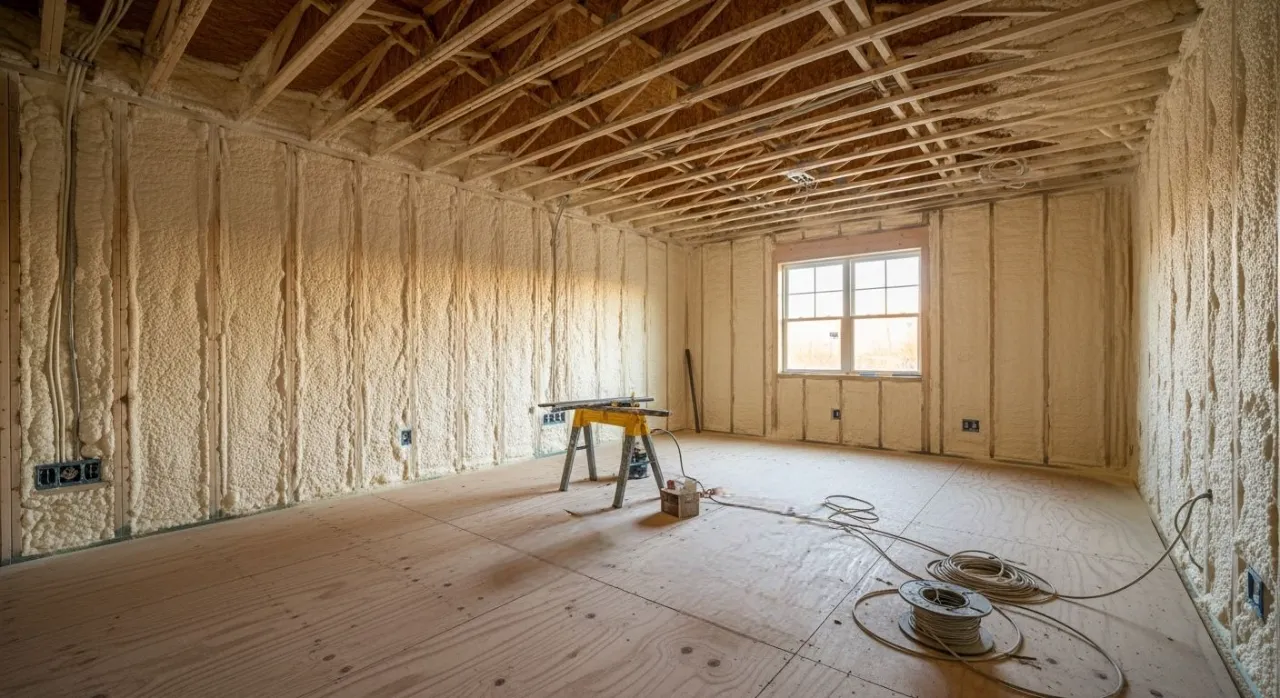
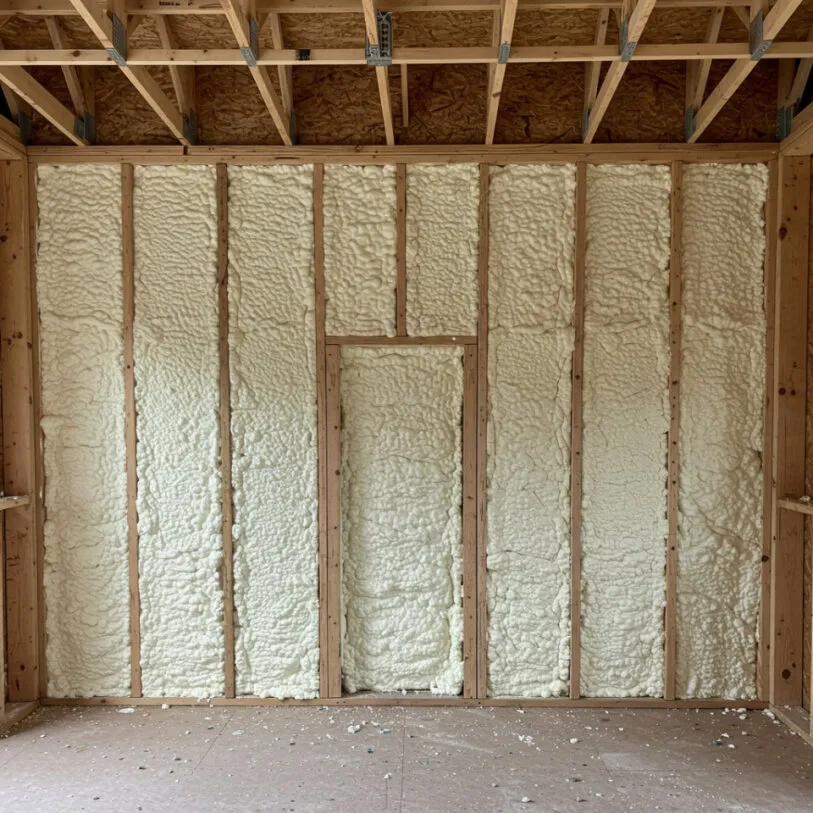
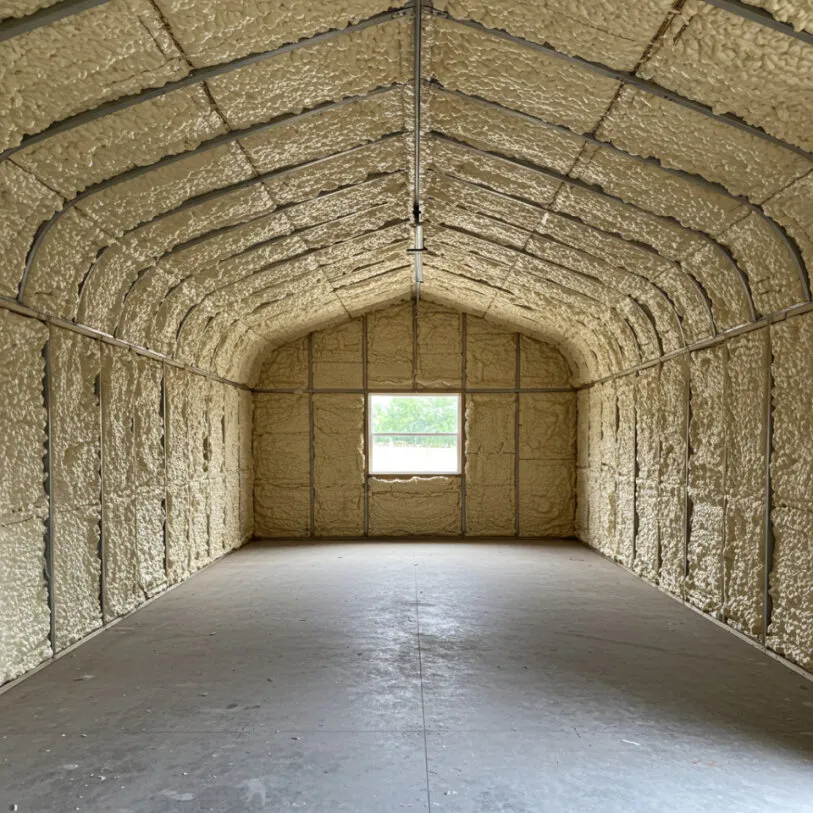
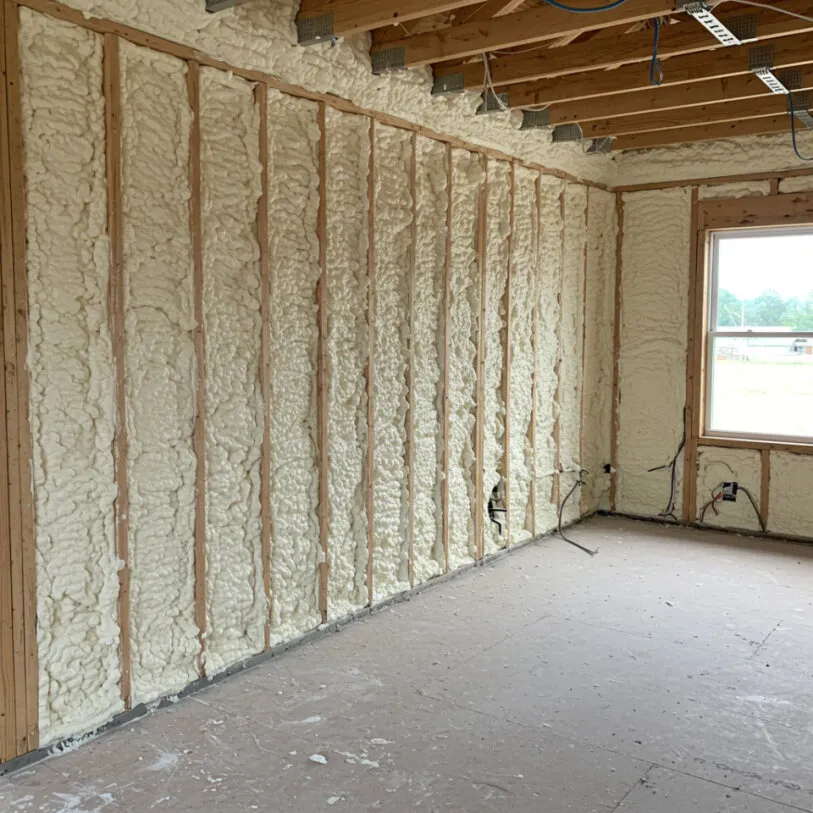
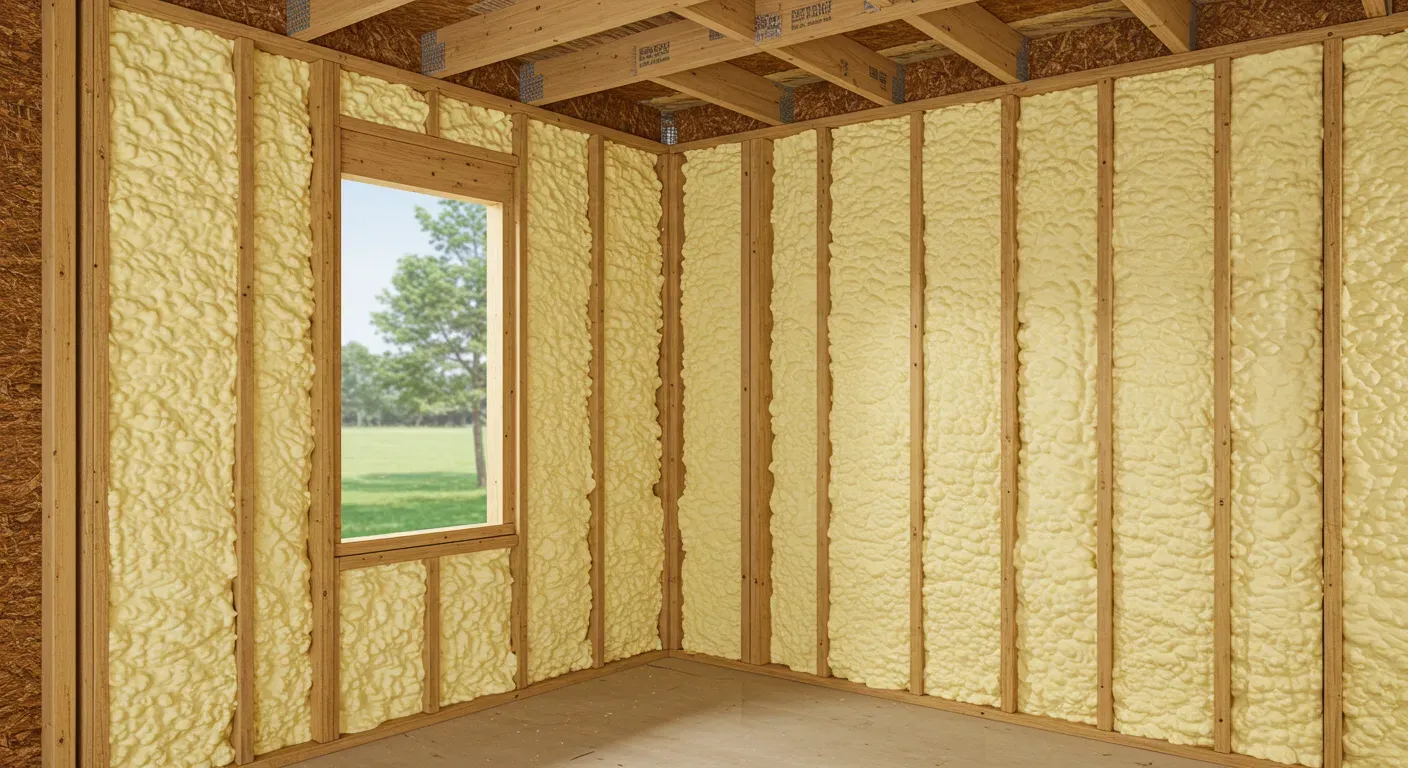
While R11 and R13 are common reference points, spray foam insulation delivers higher performance in less space.
Spray foam:
Seals air leaks and insulates at the same time
Achieves higher effective R-values
Improves moisture control and indoor comfort
For homes in the Seattle area, this approach often outperforms traditional batts, especially in older structures.
Conclusion and Next Steps
R11 works in limited situations, but R13 is the better choice for exterior walls, comfort, and energy savings. The right insulation depends on wall depth, local code, and long-term goals.
If you want clear guidance for your home, talk with a local professional who understands regional building needs.
Open-cell foam insulation creates a breathable yet protective barrier that prevents moisture accumulation while allowing your Tukwila home to maintain proper humidity levels. This unique material works by trapping air…
Open-cell insulation provides significant environmental benefits through reduced material consumption, lower embodied carbon during production, and superior long-term energy efficiency that decreases heating and cooling demands. The material’s unique cellular…
Open-cell spray foam insulation achieves superior air sealing through its unique cellular structure that creates millions of tiny, interconnected air pockets. When applied, the foam expands to fill gaps and…