What Exterior Insulation R-Values Work Best for Seattle, WA, Homes?
admin_cascadiaspray
January 2nd, 2026
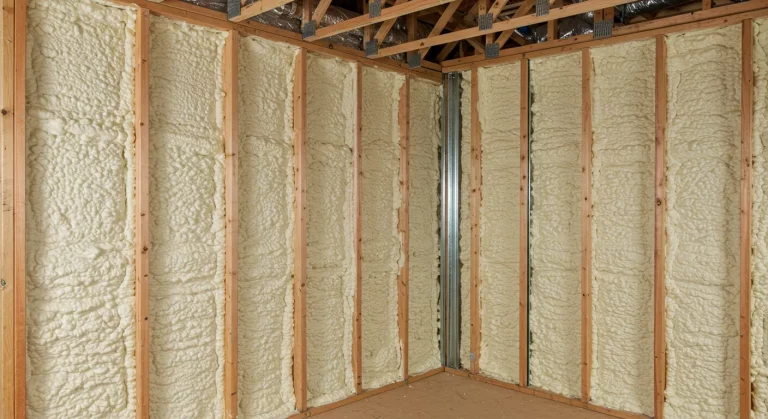
Seattle homes typically require an R-value of R-21 to R-30 for exterior walls to stay comfortable and dry. This range ensures your house stays warm during damp winters and meets local energy standards. We recommend using spray foam to reach these levels while also creating a necessary air seal.
Key Takeaways
Seattle wall assemblies generally require a minimum of R-21 to meet state codes.
Continuous insulation helps stop thermal bridging where heat leaks through wall studs.
commercial Spray foam insulation provides higher R-values per inch than traditional fiberglass materials.
Seattle Energy Standards for Modern Homes
Our local building codes are some of the strictest in the country to help reduce energy waste. We focus on meeting these targets to ensure your home remains efficient and passes all necessary inspections.
Washington State Energy Code for Walls
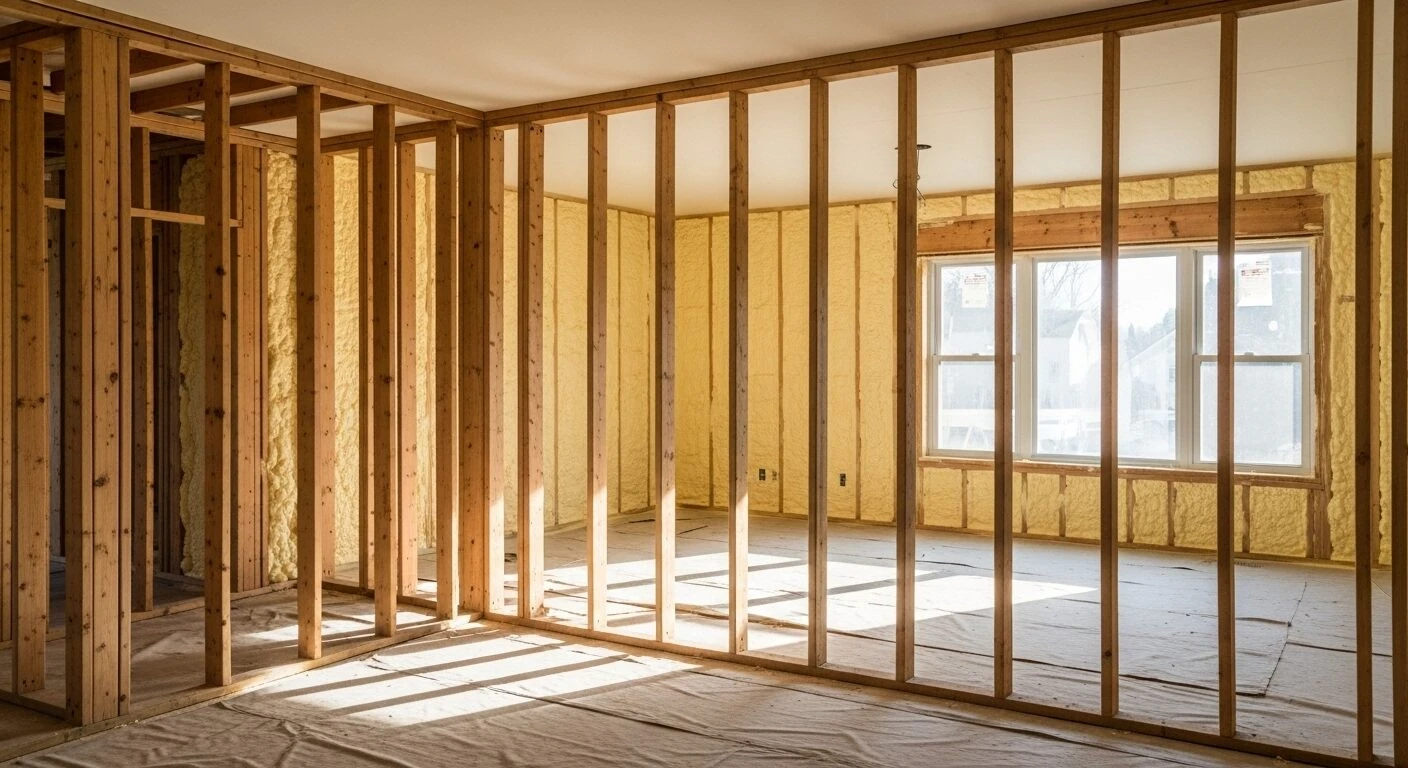
The Washington State Building Code Council sets the rules for how much insulation we must use in our houses. For most new wood-framed homes in Seattle, the prescriptive requirement is R-21. This usually means filling a 2×6 wall cavity with high-density material. If we use 2×4 walls, we often need to add rigid foam on the exterior to achieve the required total thermal resistance.
Prescriptive Path vs. Performance Path
We can follow two different paths to meet the energy code. The prescriptive path is a simple checklist that uses specific R-values for every part of the house. The performance path uses computer modeling to show that the whole house is efficient. We see many builders choose the performance path when they want more flexibility with window sizes or wall thickness.
Benefits of Exceeding Minimum Standards
While R-21 is the legal minimum, we often suggest going higher to R-25 or R-30. Higher R-values lead to lower monthly utility bills and a more consistent indoor temperature. It also helps the heating system last longer because it does not have to work as hard to combat the cold air coming through the walls.
Long-Term Energy Savings
Investing in better insulation today pays off for decades. Since the cost of electricity and gas usually goes up, the money we save on bills grows every year. A well-insulated wall also increases your property’s resale value.
Thin Insulation = High Energy Bills
When walls lack enough thermal resistance, heat moves through them quickly. This forced heat loss causes your furnace to run constantly and creates cold spots near the exterior walls of your rooms.
How Spray Foam Improves R-Value
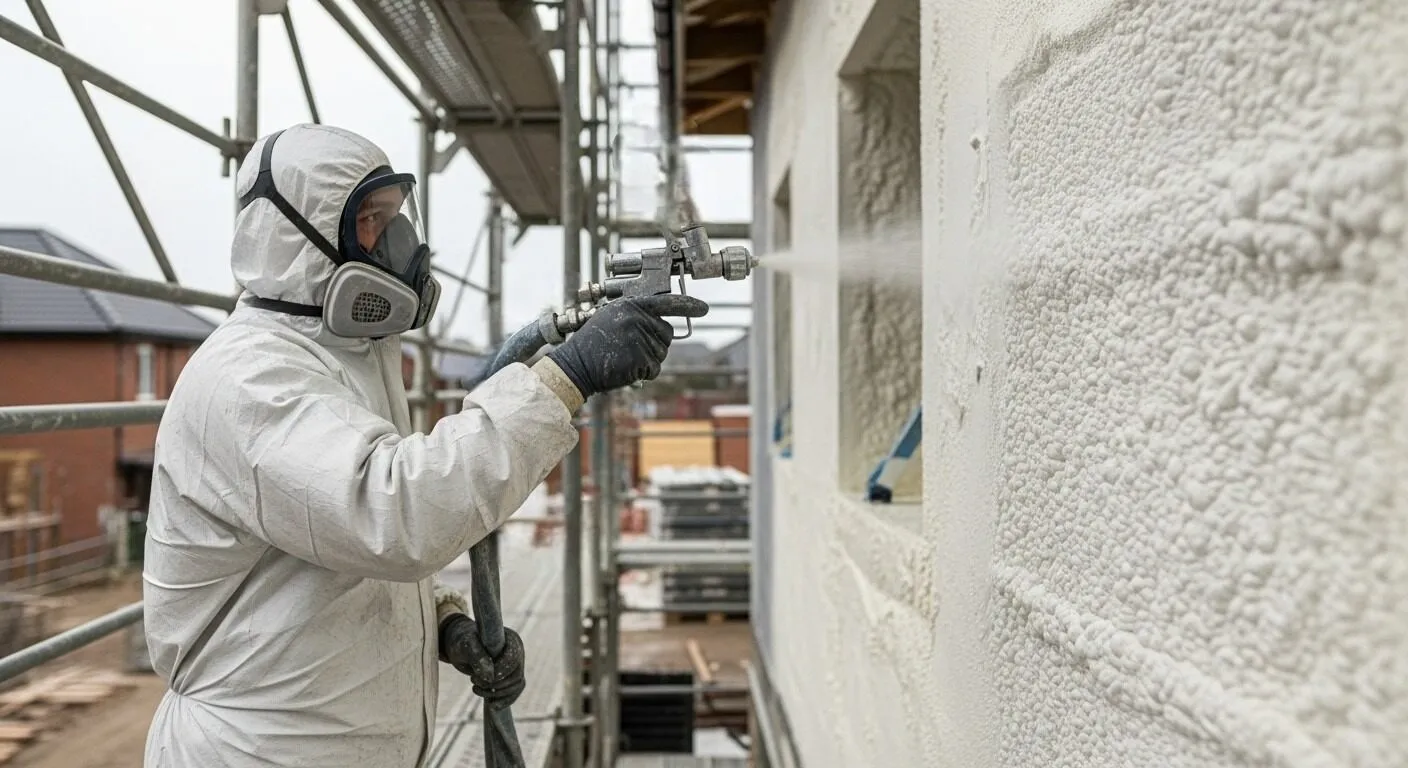
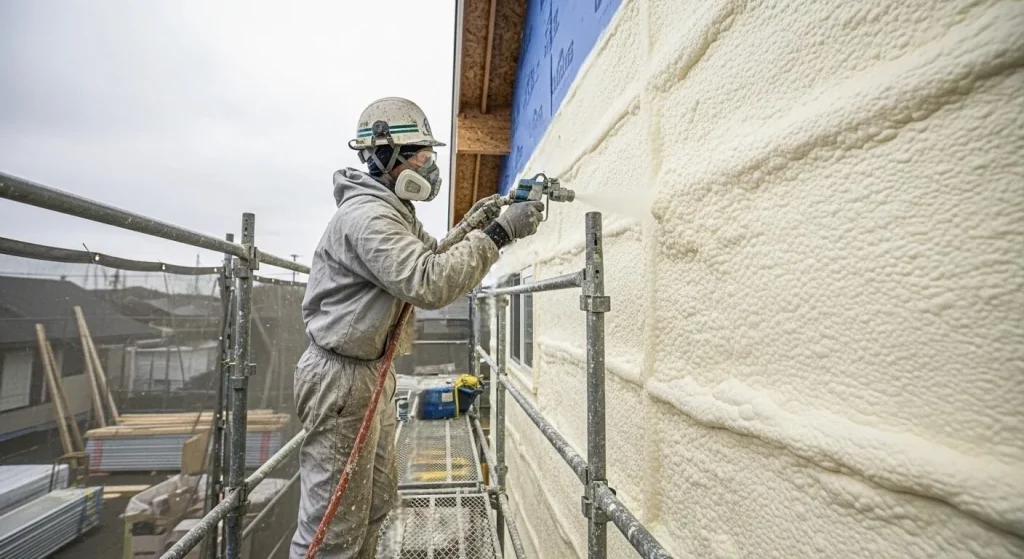
Traditional batts often leave small gaps where air can leak. We use spray foam because it expands to fill every crack and crevice. According to the U.S. Department of Energy, sealing air leaks is just as important as the R-value itself. Spray foam does both jobs at once by providing a high R-value and a total air barrier.
Why Seattle Homes Need R-30
In the Pacific Northwest, our climate is wet and cool for much of the year. Moving from R-21 to R-30 provides a thicker shield against the damp, cold air. This extra layer is helpful in areas of the home that face the wind or get very little sunlight during the winter months.
Insulation Material
R-Value Per Inch
Best Use Case
Closed-Cell Spray Foam
6.5 – 7.0
Exterior walls and tight spaces
Open-Cell Spray Foam
3.5 – 3.8
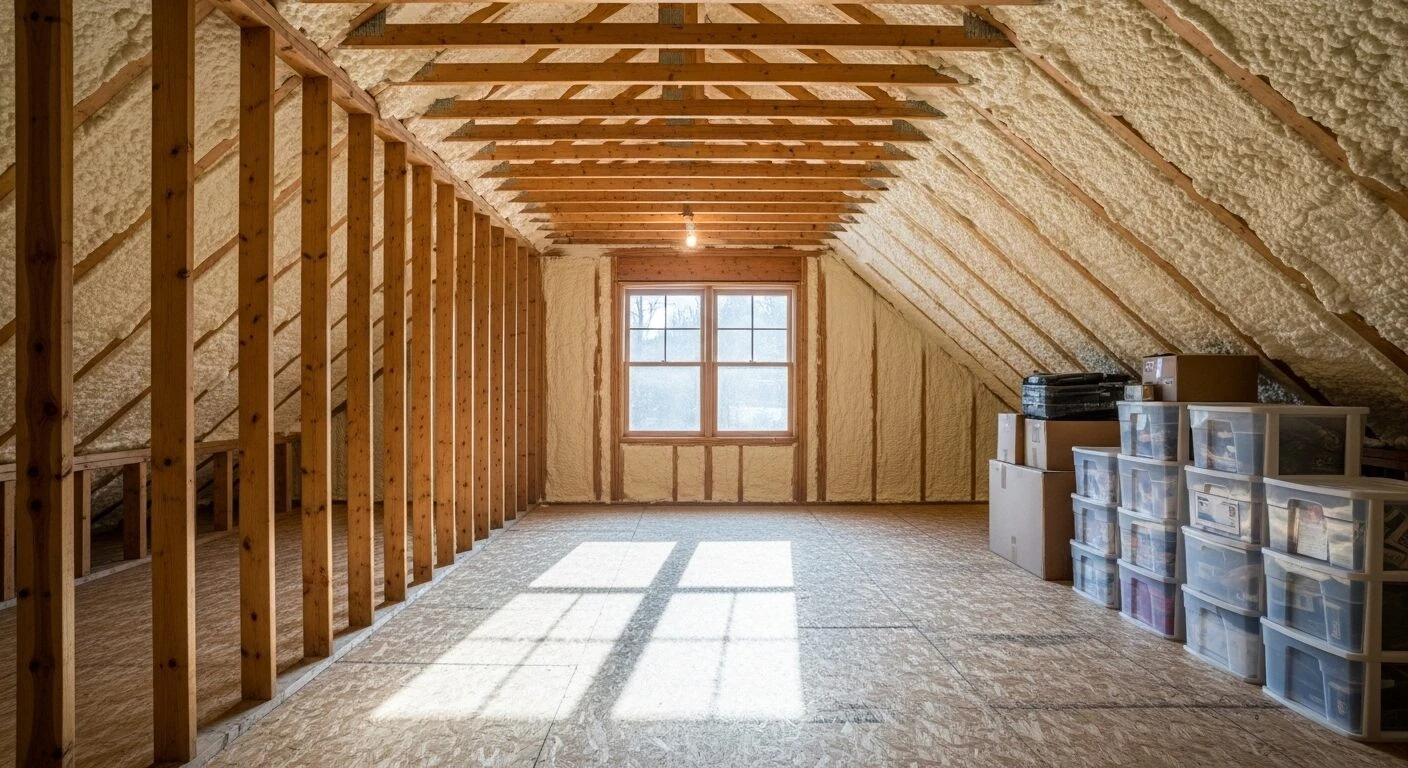
Interior walls and attic floors
Rigid Foam Board
3.8 – 5.0
Continuous exterior sheathing
Fiberglass Batts
3.1 – 3.4
Budget-friendly standard walls
Stop Thermal Bridging in Seattle Walls
Wooden studs in your walls act as bridges for heat to escape to the outside. Even if the space between the studs is well-insulated, the wood itself has a low R-value of about R-1.2 per inch.
The Role of Continuous Insulation
We solve the bridge problem by adding insulation to the entire exterior of the wall. This creates a thermal break, keeping the wood studs warm. Data from the International Code Council shows that continuous insulation significantly improves the overall performance of the wall assembly.
Moisture Control in the Pacific Northwest
Seattle is famous for rain, and moisture management is a big deal for us. High R-value insulation helps keep the inside surface of the exterior sheathing warm. This prevents water vapor from turning into liquid inside your walls. Keeping the wall cavity dry prevents mold growth and rot in the structural wood.
Get Expert Help for Your Seattle Home
Choosing the right R-value involves considering your home’s age, structure, and energy goals. We help homeowners find the perfect balance between cost and performance. If you are ready to make your house more comfortable, we are here to help.
Contact us today at Cascadia Spray Foam Insulation of Seattle. You can reach our team at (425) 386-3500 or email us at [email protected] to discuss your project.
Frequently Asked Questions
What thickness of insulation for exterior walls?
For standard 2×6 walls, we use about 5.5 inches of insulation. If we use closed-cell spray foam, that thickness provides an R-value of nearly R-38. Most traditional materials will fill that space, providing about R-19 to R-21.
What is the best way to insulate exterior walls?
We find that spray foam is the most effective method. It fills the cavity and prevents air from blowing through the wall. Combining spray foam inside the wall with a layer of rigid foam on the outside is the gold standard for efficiency.
What is the maximum R-value for a 2×4 wall?
In a standard 3.5-inch 2×4 wall cavity, the maximum R-value achievable with closed-cell spray foam is about R-24. Using fiberglass in the same space usually only gets us to R-13 or R-15.
What R-value is best for exterior walls?
For Seattle, we recommend reaching at least R-21. If your budget allows, R-30 is better for long-term savings and comfort. This higher value handles our chilly winters much more effectively.
How long does exterior wall insulation last?
Spray foam insulation is designed to last for the life of your home. It does not sag or settle over time like fiberglass or cellulose. As long as the walls remain dry and the structure is sound, the insulation will continue to do its job.
Spray foam insulation consistently delivers the highest return on investment among residential insulation options, primarily because it combines superior thermal performance with an airtight seal that no other material can…
Seattle homeowners face a specific set of insulation challenges: cool, damp winters, moderate summers, older housing stock, and increasingly strict energy codes. The right insulation choice in 2026 depends on…
Closed-cell spray foam insulation delivers the highest R-value per inch of any common insulation material, creates a continuous air and vapor barrier in a single application, and actively resists moisture…