How Spray Foam Home Insulation Keeps Redmond Homes Cooler in the Summer
admin_cascadiaspray
November 27th, 2025
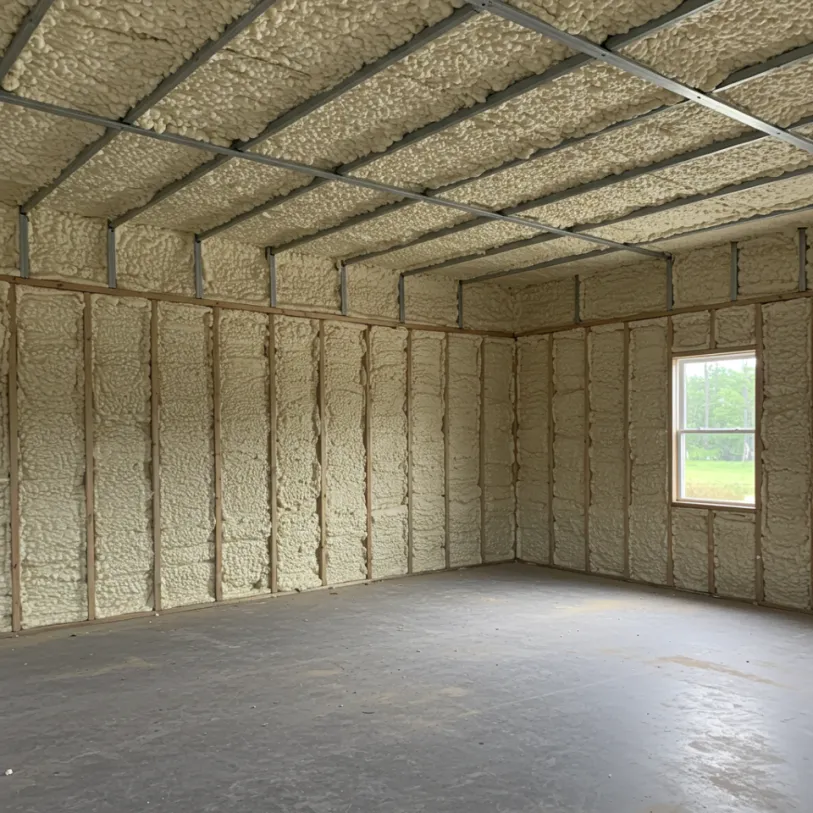
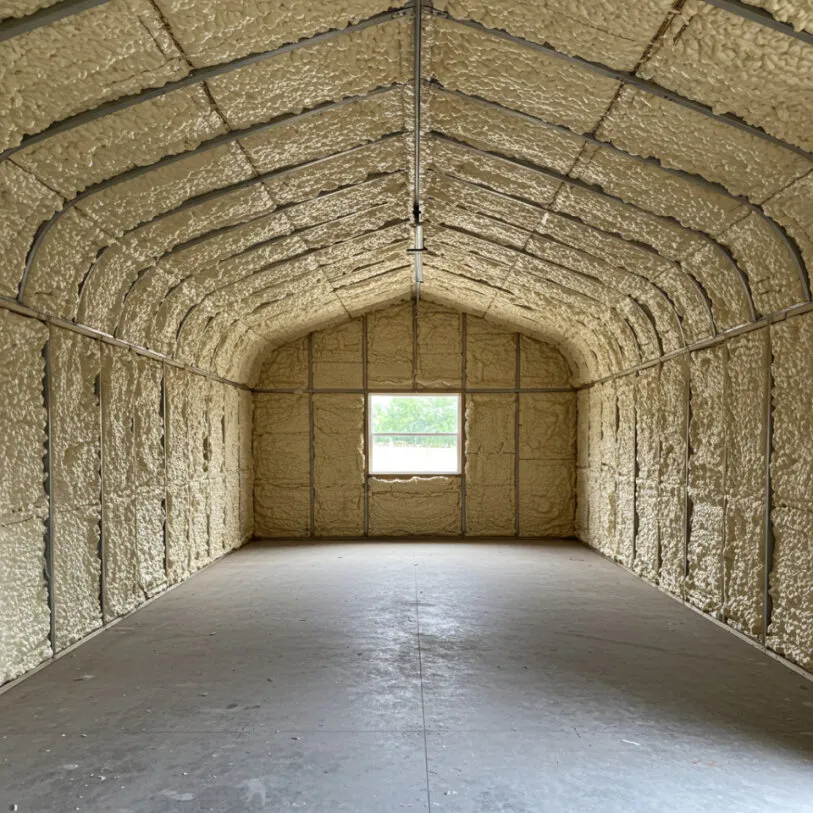
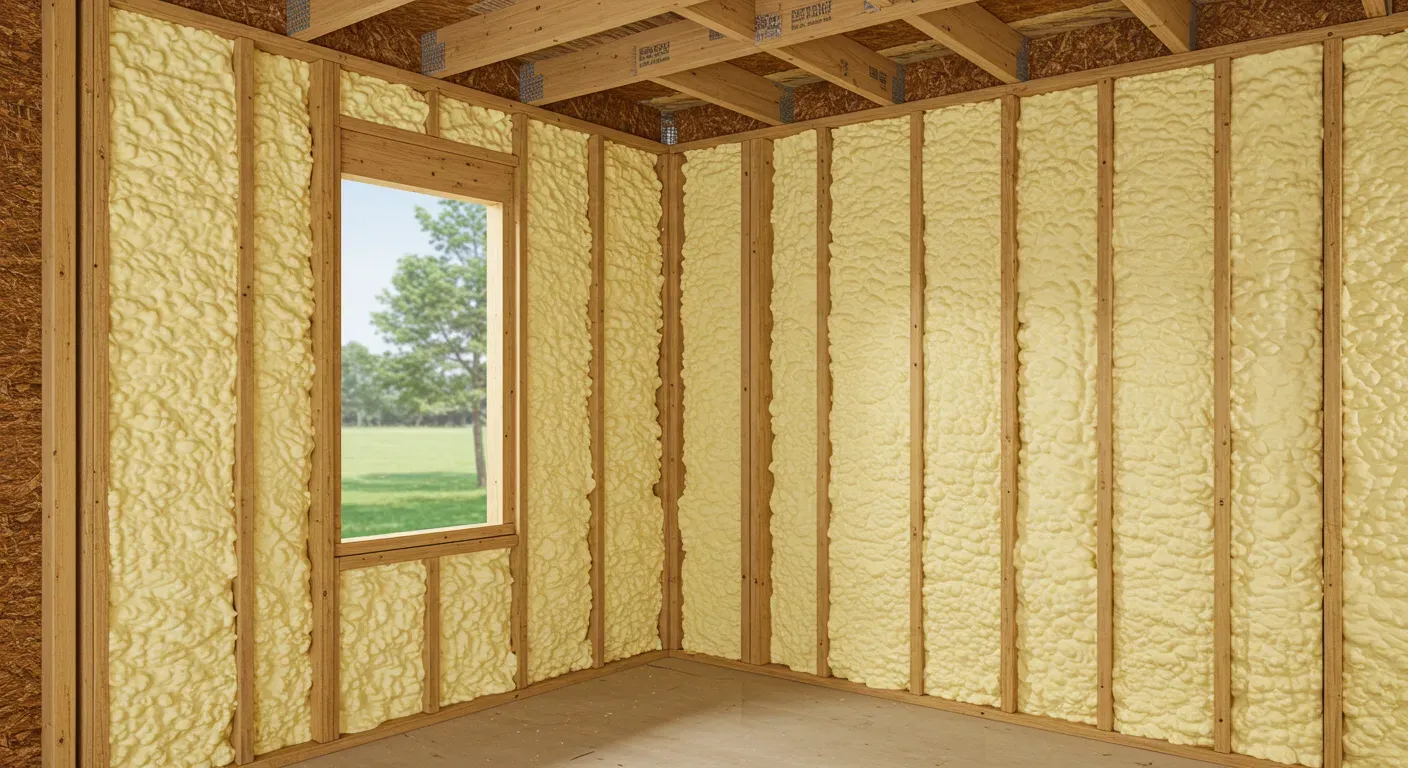
Spray foam insulation keeps Redmond homes cooler in the summer primarily by creating a powerful air barrier. Unlike traditional insulation materials that simply slow down heat transfer, spray polyurethane foam expands to fill every crack and crevice, effectively stopping the movement of hot, humid air from the outside into your living spaces. This comprehensive air seal is the main reason for its effectiveness in maintaining a stable, comfortable indoor temperature even when summer heatwaves hit.
This article explains the specific ways spray foam works to combat summer heat gain in Redmond’s climate. Drawing on extensive experience insulating homes throughout the Pacific Northwest, this information will help you understand how a properly insulated home can significantly reduce your reliance on air conditioning.
The Dual Action of Spray Foam Insulation
Spray foam insulation uses a two-pronged approach to keep your home cool. It combines high thermal resistance with near-total air sealing, something other insulation types can’t achieve on their own.
Resisting Heat with a High R-Value
Insulation’s ability to resist heat flow is measured by its R-value. The higher the R-value, the better the material is at insulating. Spray foam, particularly the closed-cell variety, offers one of the highest R-values per inch available. A report from the U.S. Department of Energy highlights that closed-cell spray foam can provide an R-value of R-6.2 to R-7.0 per inch. This high density means it’s extremely effective at stopping heat from conducting through your roof and walls into your home.
Creating a Powerful Air Barrier
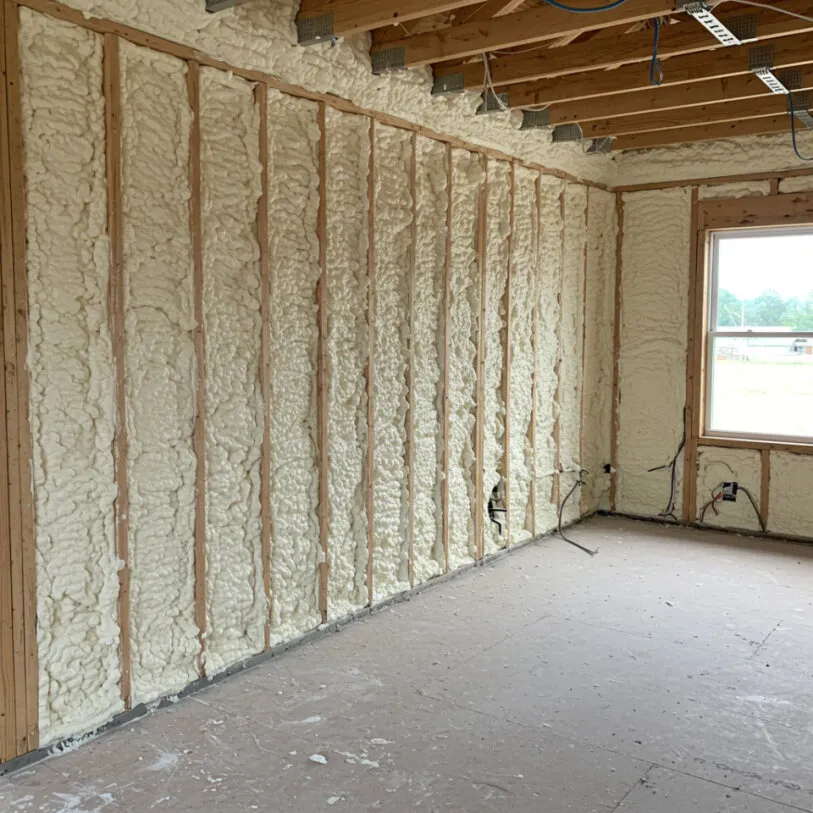
The most significant advantage of spray foam in the summer is its ability to stop air leakage. Hot air doesn’t just transfer through materials; it also flows through countless small gaps in a home’s structure. These gaps are common around light fixtures, plumbing vents, and where walls meet the attic floor. Spray foam expands upon application, sealing these gaps and creating a continuous, monolithic barrier. This stops hot, humid air from infiltrating your home and prevents the cool, conditioned air inside from escaping.
How an Air Seal Stops Summer Heat Gain
Many homeowners focus on R-value, but controlling air movement is just as important for summer comfort. A building science principle known as the “stack effect” can draw warm air into a home during the summer, but an effective air barrier can stop this process.
When the sun heats up your roof and attic, the air inside becomes hot and buoyant. In a poorly sealed attic, this hot air escapes through high vents, creating negative pressure that pulls warm air from outside into the lower levels of your home. This process constantly introduces more heat that your air conditioner must work to remove.
Spray foam applied to the underside of the roof deck eliminates this cycle. Insulating and air-sealing the roof itself prevents the attic from getting superheated in the first place. The attic becomes a semi-conditioned space with a much more stable temperature, stopping the stack effect and reducing the overall heat load on your home. Research from the Office of Energy Efficiency & Renewable Energy shows that effective air sealing can reduce energy costs for heating and cooling by an average of 15%.
Bonus Tip: Before insulating, check the weatherstripping on your windows and doors. These are major points of air leakage that even the best insulation can’t fix. Replacing old or compressed weatherstripping is a simple, cost-effective way to supplement your insulation’s performance.
Comparing Insulation Types for Summer Performance
Different insulation materials have strengths and weaknesses when it comes to keeping a home cool. The right choice often depends on the application area and performance goals. Here’s a direct comparison of the most common options.
Feature
Closed-Cell Spray Foam
Open-Cell Spray Foam
Fiberglass Batts
Blown-In Cellulose
R-Value per Inch
R-6.2 to R-7.0
R-3.5 to R-3.8
R-3.1 to R-3.8
R-3.2 to R-3.8
Air Sealing
Excellent
Excellent
Poor (Requires separate air barrier)
Fair (Settles over time)
Moisture Barrier
Yes (Vapor impermeable)
No (Vapor permeable)
No (Can trap moisture)
No (Can absorb moisture)
Structural Rigidity
Adds strength
No structural value
No structural value
No structural value
Typical Application
Roof decks, walls, crawl spaces
Attic floors, interior walls
Walls, attic floors
Attic floors, wall cavities
This comparison shows that while fiberglass and cellulose provide a decent R-value, they don’t address air leakage. This is a critical distinction for summer cooling, as uncontrolled air movement can easily undermine the performance of high-R-value insulation.
Things to Consider Before Making a Decision
Before choosing spray foam insulation for your Redmond home, there are a few practical factors to think about.
Ventilation Needs: Because spray foam creates such a tight air seal, it’s important to ensure your home has adequate mechanical ventilation. Homes need to breathe to manage indoor air quality and humidity. A professional assessment can determine if your existing ventilation is sufficient or if an energy recovery ventilator (ERV) or similar system is needed.
Application Area: The choice between open-cell and closed-cell foam depends on where it’s being installed. Closed-cell is ideal for roof decks and crawl spaces because it’s a vapor barrier and adds structural strength. Open-cell is a great choice for attic floors and interior walls, where its sound-dampening properties are a bonus.
Existing Insulation: You’ll need to decide whether to remove old, underperforming insulation or to install spray foam over it. In most attic applications, removing old fiberglass or cellulose is recommended to ensure the foam can adhere directly to the surfaces and create a perfect seal.
Professional Installation: Spray foam is not a DIY product. It requires precise temperature and pressure controls during installation, along with proper safety equipment. Choosing a qualified and experienced installer is essential for ensuring the product performs as expected and is installed safely.
FAQS
How long does spray foam insulation last?
Spray foam insulation is a durable material that does not sag, settle, or shrink over time. When installed correctly, it should last for the life of your home, maintaining its R-value and air-sealing properties indefinitely without needing replacement.
Is spray foam insulation safe?
Once cured, spray foam is inert and stable. The U.S. Environmental Protection Agency explains that the potential for chemical exposure is highest during the installation process. This is why professional handling, including proper ventilation and safety protocols, is so important. Occupants should typically vacate the home for 24 hours to allow the foam to fully cure and off-gas, after which it is considered stable.
Can spray foam be installed in an existing home?
Yes, spray foam is commonly used for retrofitting existing homes. It can be applied in attics, crawl spaces, and wall cavities. For enclosed walls, installers use a “slow-rise” injection foam that expands more gradually to fill the space without damaging the drywall.
Does spray foam help with noise reduction?
Open-cell spray foam is an excellent sound-dampening material. Its soft, porous structure absorbs sound waves, helping to reduce noise transmission between rooms and from the outside. This can make a home feel much quieter and more peaceful.
Final Thoughts
For Redmond homeowners looking for an effective way to stay cool in the summer, spray foam insulation offers a reliable solution. Its ability to both insulate and air seal in a single application directly addresses the primary ways heat enters a home. Stopping heat conduction and air infiltration creates a more comfortable, stable, and energy-efficient living environment. Before proceeding, always evaluate your home’s unique conditions and consult with professionals to determine the best approach for your specific needs.
To explore innovative techniques that support more efficient and environmentally responsible spray foam applications, you can read about our latest sustainability-focused updates in the industry announcement from our team.
Contact Us for a Consultation
To find out if this insulation is the right fit for your property, the team at Cascadia Spray Foam of Seattle is available to provide a detailed assessment. You can reach out by calling (425) 386-3500 or sending an email to [email protected] to discuss your home’s specific requirements. An expert evaluation can help you understand the potential energy savings and comfort improvements for your home.
Sources
U.S. Department of Energy – Provides comprehensive information on insulation types, R-values, and best practices for home energy efficiency.
U.S. Environmental Protection Agency – Offers detailed articles and data on the benefits of spray foam for reducing energy consumption and improving indoor comfort.
Open-cell foam insulation creates a breathable yet protective barrier that prevents moisture accumulation while allowing your Tukwila home to maintain proper humidity levels. This unique material works by trapping air…
Open-cell insulation provides significant environmental benefits through reduced material consumption, lower embodied carbon during production, and superior long-term energy efficiency that decreases heating and cooling demands. The material’s unique cellular…
Open-cell spray foam insulation achieves superior air sealing through its unique cellular structure that creates millions of tiny, interconnected air pockets. When applied, the foam expands to fill gaps and…