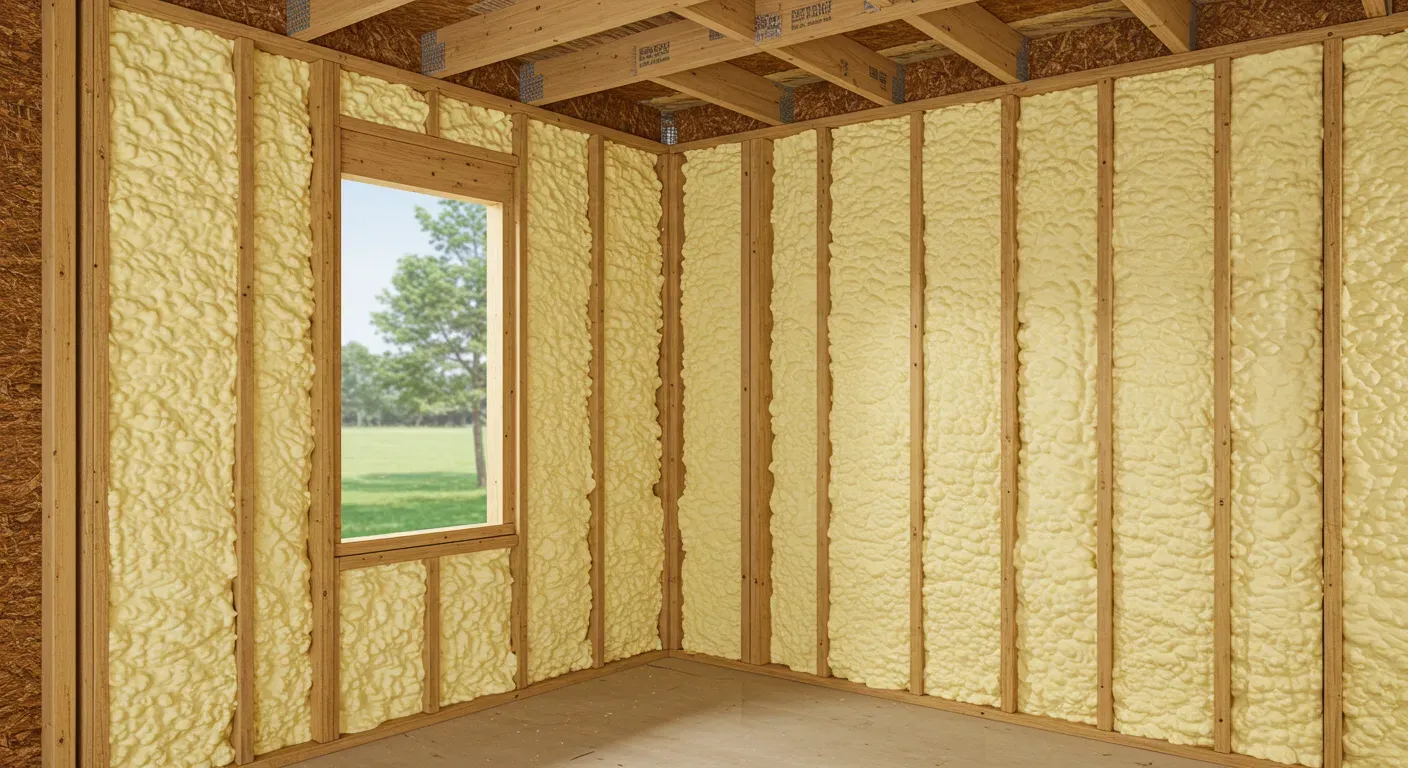
Is Spray Foam Flammable? Everything You Need to Know
admin_cascadiaspray
January 21st, 2026
Spray foam insulation is widely used for energy efficiency and soundproofing, but homeowners often wonder: is spray foam flammable? The short answer: spray foam is combustible in its raw state but can be made fire-resistant with proper treatment. Here’s a practical breakdown:
Closed-cell spray foam resists fire better than open-cell but is not fully fireproof.
Flame retardants are added to most commercial spray foams to reduce fire risk.
Properinstallation and building codes greatly minimize fire hazards.
Understanding the risks, safety measures, and regulations can help you make informed choices for your home or business.
How Flammable Is Spray Foam?
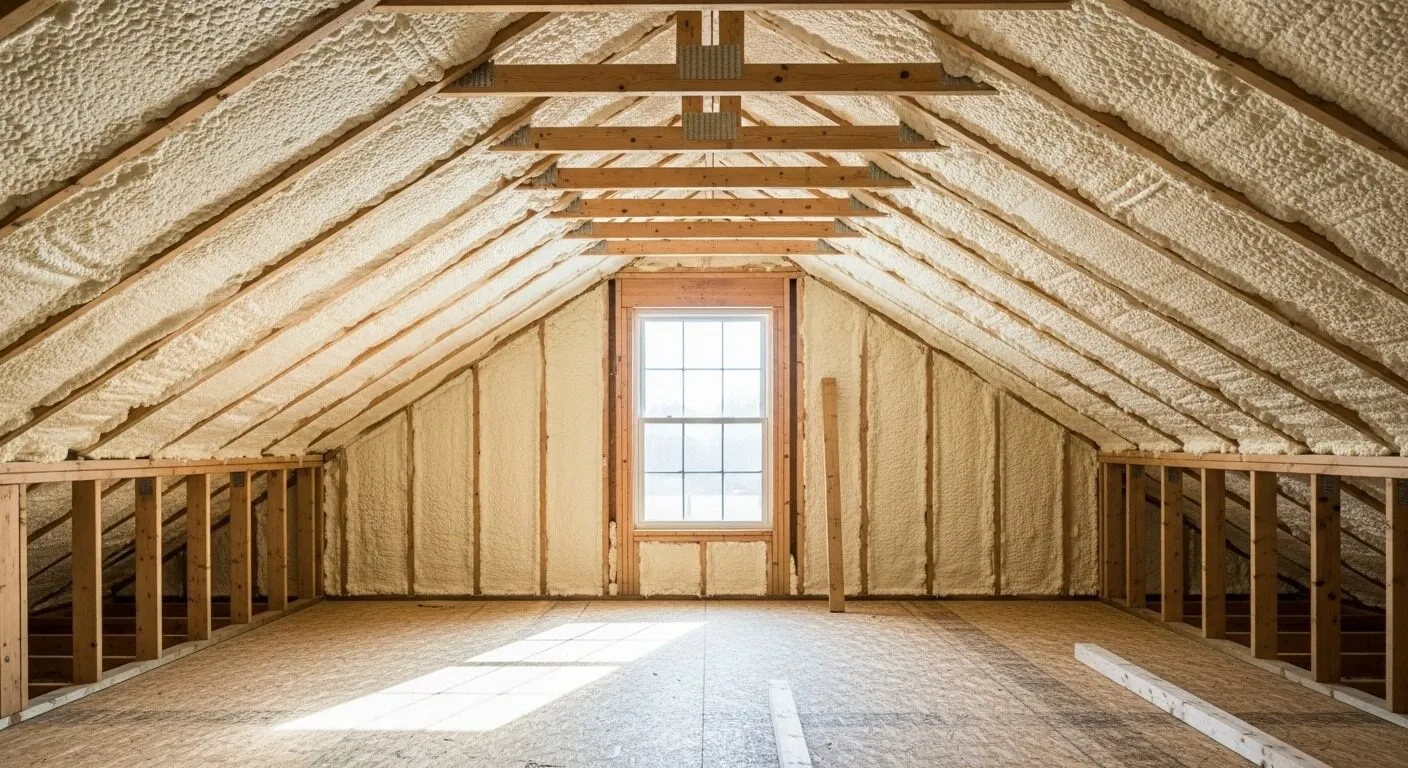
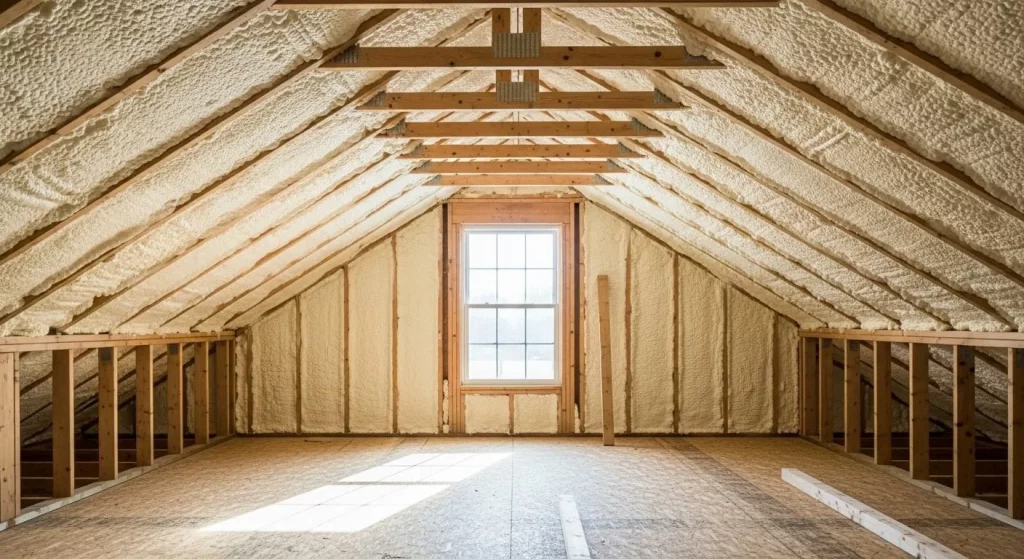
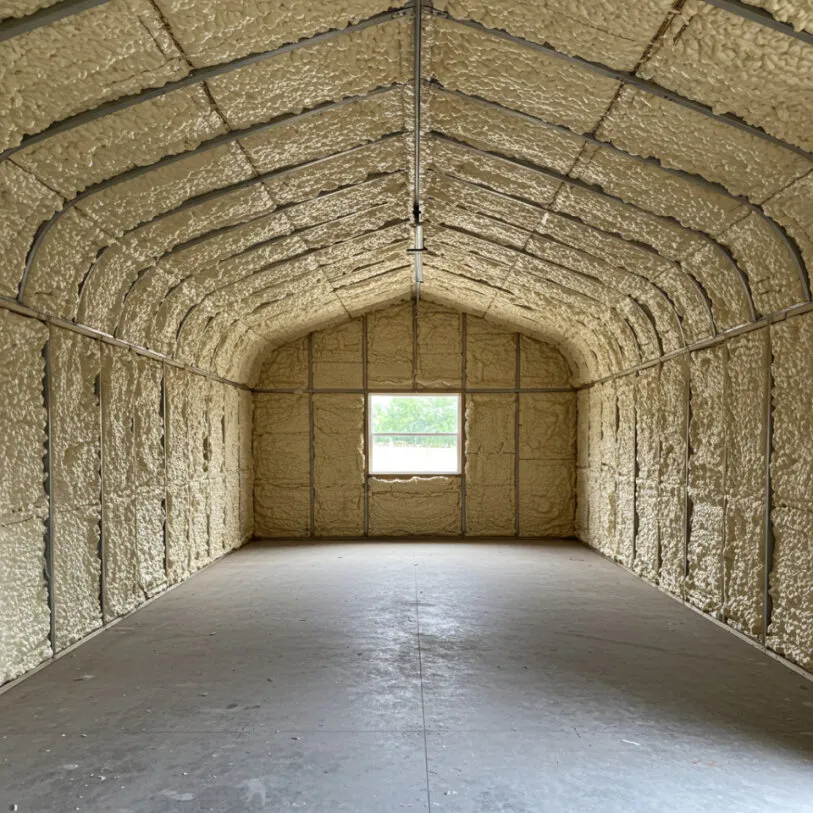
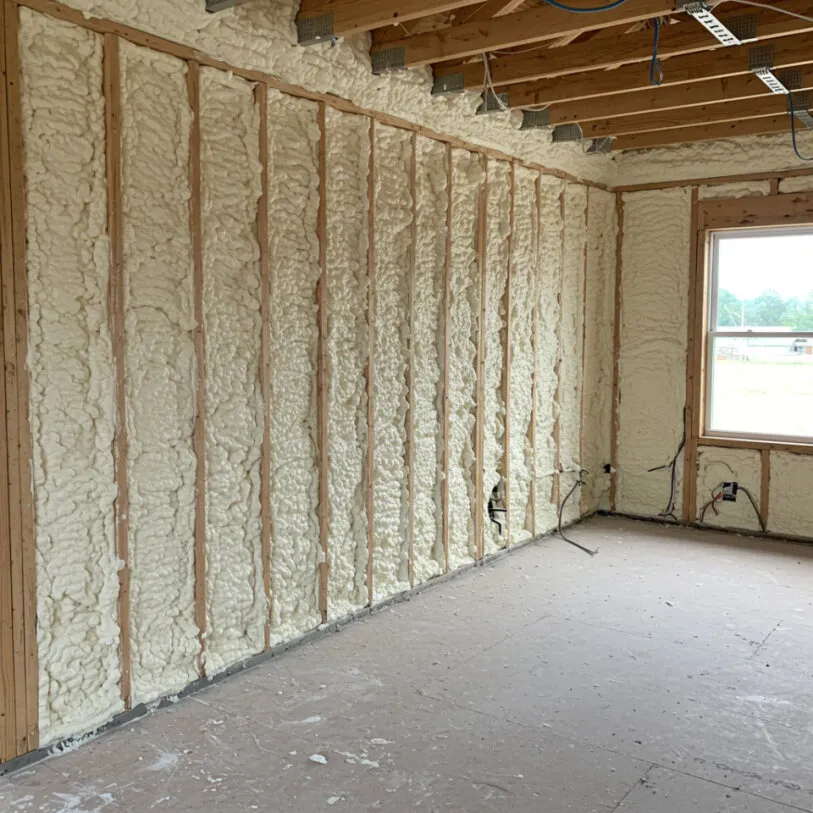
Spray foam is primarily made from polyurethane, which is inherently combustible. According to data published by the Spray Polyurethane Foam Alliance, untreated foam can ignite if exposed to high heat or open flame. However, most modern spray foams contain fire retardants that slow ignition and limit flame spread.
Open-Cell vs. Closed-Cell Foam
Open-cell foam: Softer, more flexible, and less dense. It has a lower ignition temperature but may release toxic smoke when burned.
Closed-cell foam: Denser, stronger, and slightly more fire-resistant. It can act as a vapor barrier and provides better structural support.
Real-world experience shows that proper installation and fireproof coatings can significantly reduce risk, making both types safer for residential use.
Are There Fire Ratings for Spray Foam?
Yes. Spray foam must comply with fire safety standards like ASTM E84 (Surface Burning Characteristics of Building Materials). The National Fire Protection Association notes that flame-retardant spray foam typically achieves a Class I or Class II rating, meaning it resists ignition under normal conditions.
Class I rating: Flame spread ≤25, smoke developed ≤450
Class II rating: Flame spread ≤75, smoke developed ≤450
Building codes often require these ratings for insulation in attics, walls, and commercial spaces.
How Can You Reduce Fire Risks?
Even with flame retardants, safety practices matter:
Keep spray foam away from open flames or heat sources during and after installation.
Use thermal or ignition barriers, such as drywall or intumescent coatings, over exposed foam.
Ensure professional installation, as improper mixing or application increases flammability.
A study from Energy Vanguard found that homes with professionally installed foam and fire-rated barriers had significantly lower fire incidents compared to DIY installations.
Spray Foam Myths and Misconceptions
Many homeowners have questions or concerns based on common misunderstandings about spray foam insulation. Here’s what’s true and what’s not:
Myth 1: Spray foam is completely fireproof.
Reality: No insulation is entirely fireproof. Flame-retardant additives slow burning, but barriers like drywall are required for safety.
Myth 2: DIY foam installation is safe and simple.
Reality: Incorrect mixing, temperature, or thickness can increase fire risk and reduce energy efficiency. Professional installation is strongly recommended.
Myth 3: Closed-cell foam cannot burn.
Reality: Closed-cell foam is denser and more fire-resistant than open-cell, but it still combusts if exposed to high heat or flame.
Myth 4: Fire-retardant foam emits toxic fumes in normal use.
Reality: Properly installed spray foam is safe and does not release harmful gases during regular use; fumes are only a concern during improper application or combustion.
Spray Foam Safety Tips: What to Do and What Not to Do
To protect your home, family, and investment, follow these practical tips:
What to Do:
Hire certified professionals for installation to ensure proper curing and fire compliance.
Use thermal or ignition barriers (like drywall or intumescent coatings) over exposed foam.
Check local building codes for fire ratings and compliance before installation.
Schedule annual safety inspections for electrical systems, HVAC, and heating elements near insulated areas.
What Not to Do:
Do not cut corners with DIY foam in attics or walls—it increases fire and health risks.
Do not expose raw foam to open flames, sparks, or high-heat devices.
Do not ignore damaged or burned foam; replace it professionally.
Do not assume fire retardants make foam “indestructible.” Barriers and maintenance are still required.
Spray Foam vs. Other Insulation Materials
Material
Fire Risk
Smoke/Toxicity
Cost Impact
Spray Foam
Moderate (with retardants)
Can emit toxic gases if burned
Higher upfront cost, energy savings long-term
Fiberglass
Low
Minimal smoke
Affordable, easy to install
Cellulose
Moderate to high (unless treated)
Moderate smoke
Low to moderate, may settle over time
Mineral Wool
Very low
Minimal smoke
Higher cost, excellent fire resistance
Spray foam’s energy efficiency often outweighs the slightly higher fire risk, especially when combined with fire-rated coverings.
Cost Considerations for Fire-Resistant Spray Foam
Fire-rated spray foam costs more than standard foam due to added chemicals and installation complexity. Typical costs in Seattle range from $1.50 to $3.50 per board foot, depending on density and flame-retardant type.
Investing in a certified contractor like Cascadia Spray Foam of Seattle ensures that:
Foam is correctly applied for maximum fire resistance.
Local building codes are met.
Long-term safety and energy savings are optimized.
“Spray foam catches fire easily.” Modern foams are treated with flame retardants and rarely ignite under normal conditions.
“Closed-cell foam is fireproof.” No spray foam is fully fireproof; fire-rated barriers are essential.
“DIY foam installation is safe.” Professional installation ensures proper curing, density, and fire compliance.
Protect Your Home with Safe Spray Foam – Get Started Today
Spray foam is not inherently fireproof, but modern flame-retardant formulations, proper installation, and code-compliant barriers make it safe for most homes and businesses. Following practical tips, understanding myths, and hiring professional installers like Cascadia Spray Foam of Seattle ensures your insulation performs efficiently while minimizing fire risks.
Open-cell foam insulation creates a breathable yet protective barrier that prevents moisture accumulation while allowing your Tukwila home to maintain proper humidity levels. This unique material works by trapping air…
Open-cell insulation provides significant environmental benefits through reduced material consumption, lower embodied carbon during production, and superior long-term energy efficiency that decreases heating and cooling demands. The material’s unique cellular…
Open-cell spray foam insulation achieves superior air sealing through its unique cellular structure that creates millions of tiny, interconnected air pockets. When applied, the foam expands to fill gaps and…