What makes spray foam reliable for extreme weather conditions
admin_cascadiaspray
November 27th, 2025
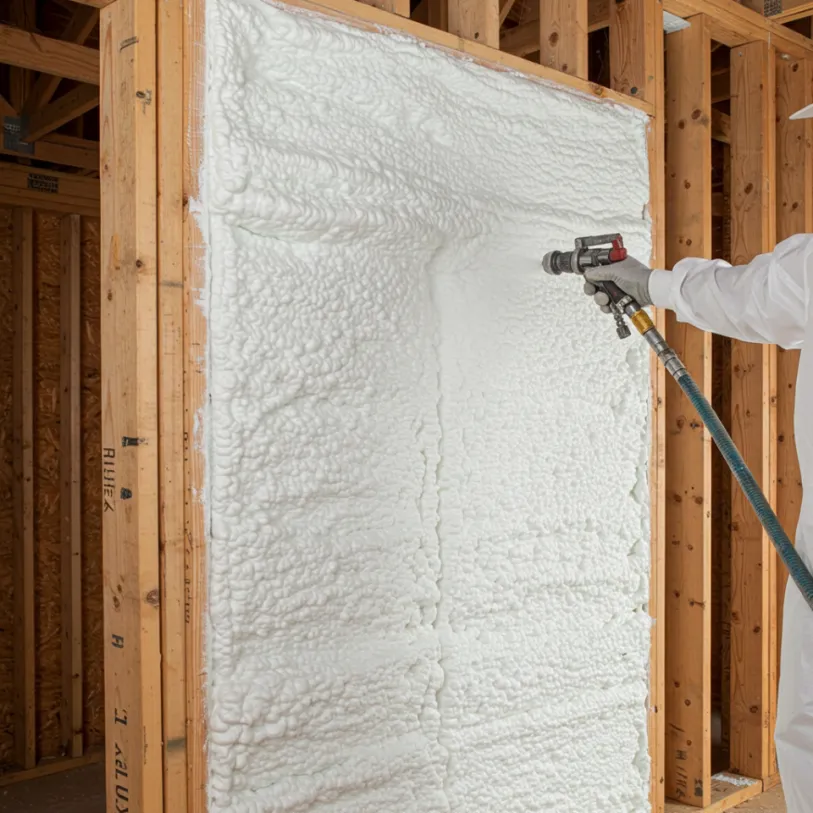
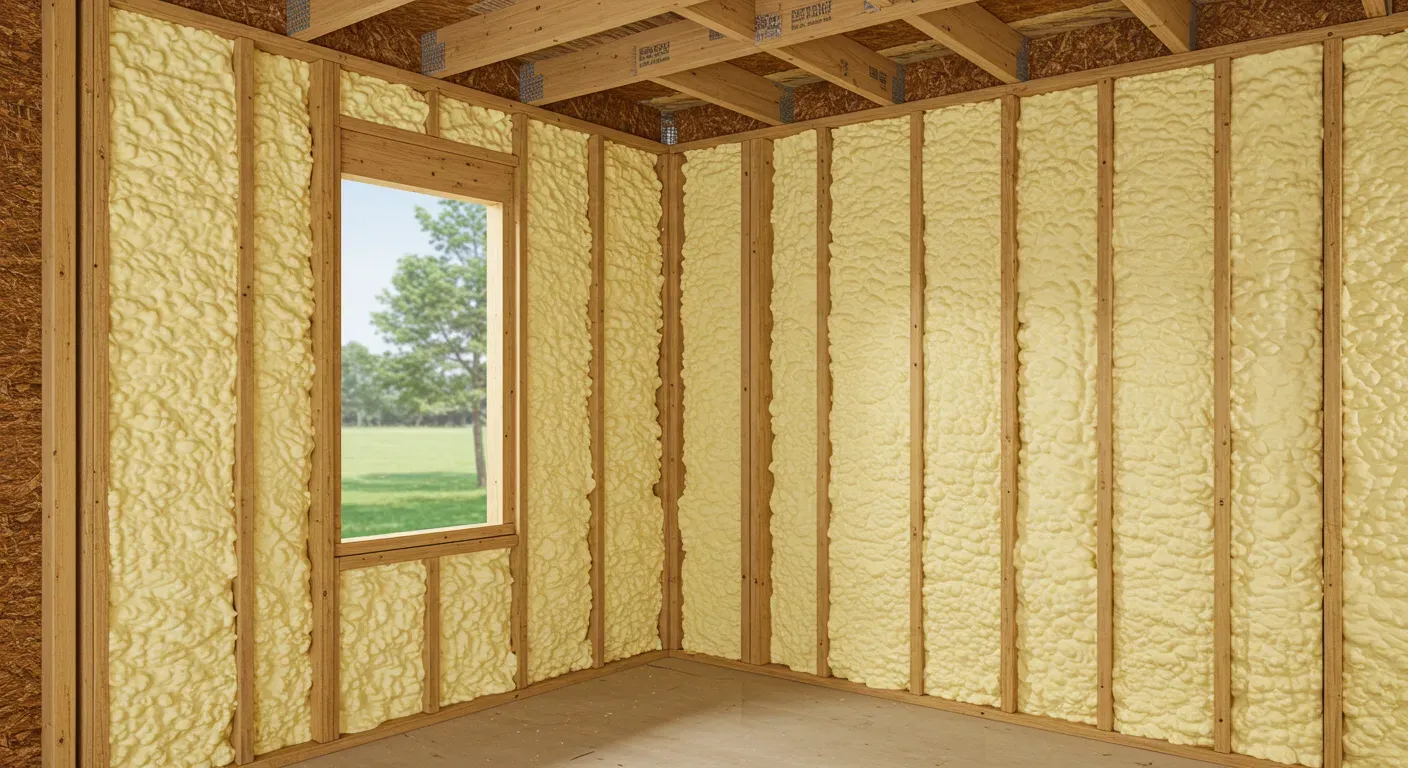
Spray foam insulation earns its reputation for reliability in extreme weather primarily through three integrated functions: it creates a monolithic air seal, adds significant structural rigidity, and acts as a formidable barrier against moisture. Unlike traditional insulation materials that are placed or blown into cavities, spray polyurethane foam (SPF) is applied as a liquid that expands, filling every crack and gap to form a continuous, seamless layer. This airtight barrier stops air infiltration, which, according to the U.S. Department of Energy, is a major source of energy loss and discomfort. By preventing uncontrolled air movement, spray foam helps maintain consistent indoor temperatures during intense heat waves or bitter cold snaps.
This article provides a detailed look at the specific properties of spray foam that make it a superior choice for protecting structures against harsh weather. The information presented here is based on extensive field experience in applying insulation solutions across a wide range of residential and commercial buildings exposed to diverse climate challenges. You will learn how spray foam performs against high winds, heavy snow, and driving rain, equipping you with the knowledge to make an informed decision for your property.
The Science Behind Spray Foam’s Durability
The effectiveness of spray foam insulation is rooted in its unique chemical composition and application method. Once applied, it undergoes a rapid chemical reaction that results in a durable, solid material perfectly contoured to the substrate.
Creating an Airtight Seal
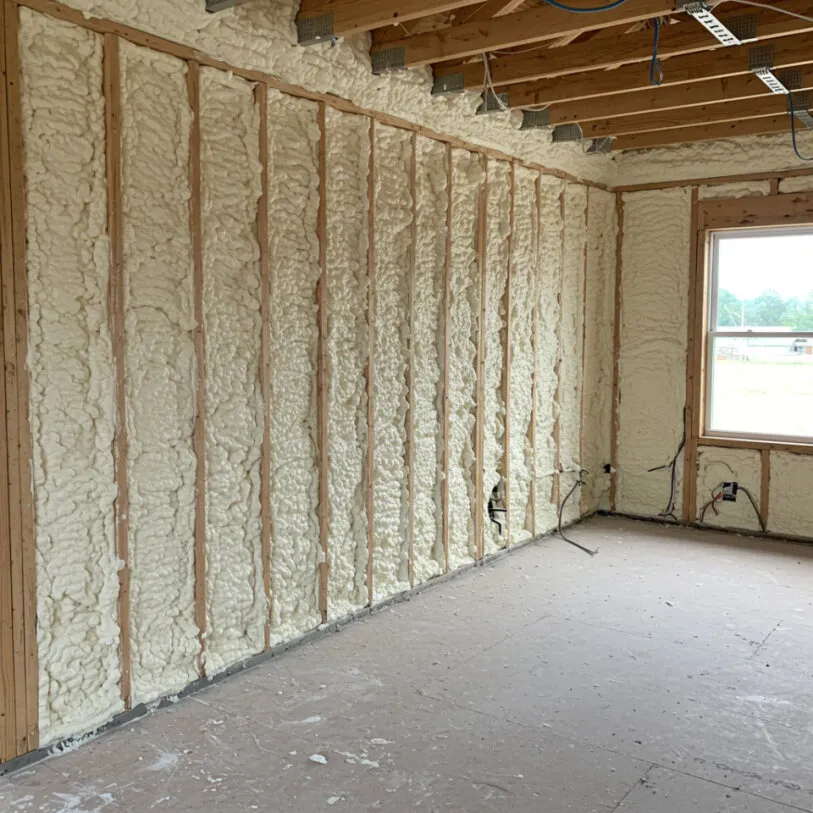
The single most important feature of spray foam is its ability to establish a complete air barrier. As the foam expands up to 100 times its liquid volume, it fills tiny holes, gaps around plumbing and electrical fixtures, and seams between building materials. This comprehensive seal prevents drafts and stops the “stack effect,” where air enters through the lower levels of a building and escapes through the upper levels. In winter, this means preventing cold air from getting in and expensive heated air from getting out. In summer, it keeps hot, humid air outside, reducing the strain on air conditioning systems.
Adding Structural Strength
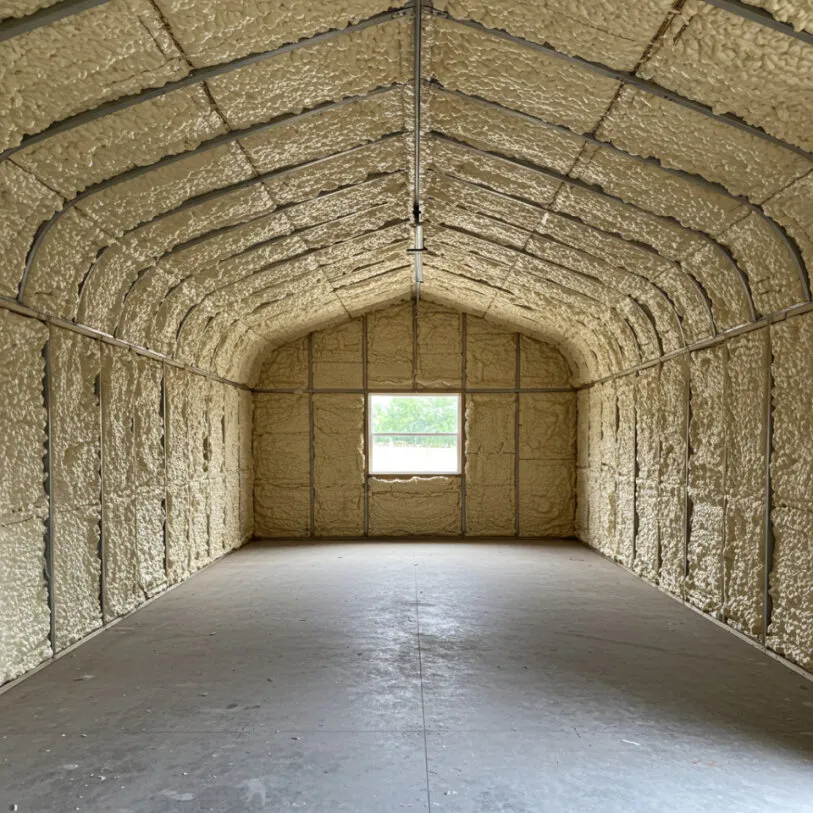
Closed-cell spray foam, in particular, offers a significant structural benefit. It cures into a dense, rigid plastic that adheres tenaciously to the surfaces it’s applied to, such as roof decking and wall sheathing. This adhesion effectively “glues” the building components together, increasing their resistance to lateral racking forces. A report from the Federal Emergency Management Agency (FEMA) notes that the application of SPF to the underside of roof sheathing can increase its resistance to uplift from high winds. This makes the entire building envelope stronger and better able to withstand hurricane-force winds or the weight of heavy snow accumulation.
Superior Moisture Resistance
Moisture intrusion is a primary cause of building material degradation, including rot and mold growth. Closed-cell spray foam has a very low vapor permeability, meaning it functions as a vapor barrier. It blocks water vapor from passing through the building assembly, which is especially important in humid climates or areas with frequent, driving rain. Because it doesn’t absorb water like fiberglass or cellulose, it maintains its insulating properties even in damp conditions and won’t slump or settle over time due to moisture.
Bonus Tip: In flood-prone areas, installing closed-cell spray foam in lower wall cavities can prevent water from wicking up into the wall structure during a minor flooding event, simplifying cleanup and reducing the extent of the damage.
Performance Across Different Weather Scenarios
Understanding how these properties translate to real-world performance is key. Spray foam offers tailored protection against a variety of severe weather events.
Resisting High Winds and Storms
In regions susceptible to hurricanes or tornados, the structural reinforcement from closed-cell spray foam is a major asset. By bonding the roof deck to the rafters and the walls to the studs, it helps the entire structure act as a single, solid unit. This reduces the likelihood of roof panels being lifted off during a high-wind event, which is often the initial point of failure in a catastrophic storm.
Managing Heavy Snowfall and Ice Dams
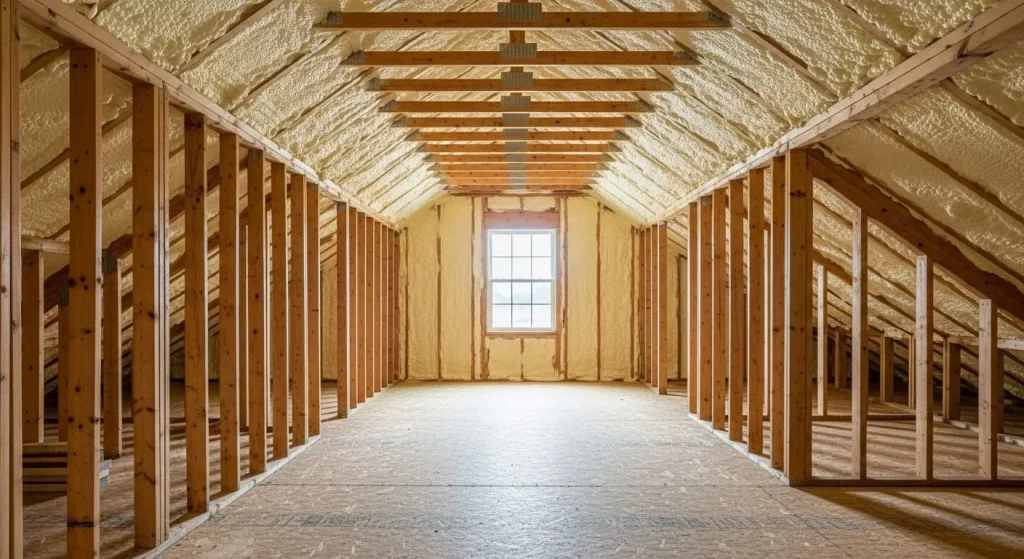
Ice dams form when heat escaping from the attic melts snow on the roof. The water then runs down to the colder eaves and refreezes, creating a blockage. This can lead to water backing up under the shingles and leaking into the home. Because spray foam applied to the underside of the roof deck creates a conditioned (unvented) attic space, there is no significant heat loss to melt the snow in the first place. This approach, along with the added load-bearing capacity from the rigid foam, makes it an excellent solution for homes in snowy climates.
Insulation Performance Comparison
Different insulation materials have varying strengths and weaknesses when it comes to extreme weather. The table below compares spray foam to two other common types.
Feature
Closed-Cell Spray Foam
Fiberglass Batts
Blown-In Cellulose
Air Seal
Excellent (forms a monolithic air barrier)
Poor (allows significant air convection)
Fair (settles over time, creating gaps)
Structural Support
Excellent (adds significant racking strength)
None
None
Moisture Resistance
Excellent (acts as a vapor barrier; does not absorb water)
Poor (loses R-value when wet; can support mold)
Poor (absorbs moisture; can slump and degrade)
Typical R-Value/Inch
6.0 to 7.0
3.1 to 4.3
3.2 to 3.8
Things to Consider Before Making a Decision
Choosing the right insulation requires careful thought about your specific needs and the characteristics of your property.
Open-Cell vs. Closed-Cell Foam
There are two main types of spray foam, and they are not interchangeable.
Closed-Cell SPF: Has a higher R-value per inch, is rigid, and acts as an air and vapor barrier. It is ideal for applications where structural strength and moisture control are needed, such as roofs, basements, and crawl spaces.
Open-Cell SPF: Has a lower R-value per inch, is softer and more flexible, and is vapor-permeable. It’s an excellent sound insulator and is often used in interior walls for that purpose. It is generally less expensive but does not offer the same structural or moisture-blocking benefits.
Proper Installation is Non-Negotiable
The performance of spray foam is entirely dependent on the quality of the installation. It requires trained technicians using specialized equipment to manage the precise temperature and pressure of the chemical components. An improper application can result in poor adhesion, reduced R-value, or even lingering chemical odors. Always verify that the installers are certified and have experience with the specific type of application you need.
Bonus Tip: Discuss your building’s ventilation strategy with your installer. Because spray foam creates such a tight building envelope, your home’s mechanical ventilation (like an HRV or ERV) becomes more important for maintaining healthy indoor air quality.
FAQS
What is the R-value of spray foam?
Closed-cell spray foam typically provides an R-value of 6.0 to 7.0 per inch of thickness, a figure supported by guidance from the International Association of Certified Home Inspectors (InterNACHI). Open-cell spray foam offers an R-value of about 3.5 per inch. The final R-value of the installation depends on the applied thickness.
Is spray foam waterproof?
Closed-cell spray foam is considered water-resistant and is a non-porous material, meaning it will not absorb liquid water. It also acts as a vapor barrier, blocking the transmission of moisture-laden air. Open-cell foam, however, can absorb water.
How does spray foam perform in a fire?
Spray foam insulation is a combustible material, like many other building materials. However, it is required by building codes to be covered by a 15-minute thermal barrier, such as half-inch drywall or a special intumescent coating. This prevents it from being directly exposed to a fire, and formulas include fire retardants to make them self-extinguishing once the flame source is removed.
Can spray foam be installed in an existing home?
Yes, spray foam can be retrofitted into existing homes. It is commonly used in attics, crawl spaces, and rim joists. For enclosed walls, a slow-rise injection foam can be used, which is installed through small holes drilled in the wall cavity.
Making the Right Choice for Your Property
The reliability of spray foam in extreme weather comes from its unique ability to insulate, air seal, manage moisture, and strengthen the building envelope all in one application. This integrated performance is what sets it apart from other insulation types that only address one or two of these functions.
Before moving forward, assess the specific weather challenges in your region, the current state of your property, and your long-term performance goals. A careful evaluation will help you determine if this advanced insulation solution is the right investment for protecting your home or business.
Learn how professional installers are adopting improved application practices that support long-term durability and energy efficiency by viewing our new update.
Get a Professional Assessment
Understanding the right insulation strategy for your property requires expertise. For a detailed evaluation and to discuss how to best protect your building from the elements, contact Cascadia Spray Foam of Seattle. You can reach the team by phone at (425) 386-3500 or by email at[email protected] to schedule a consultation. A professional assessment will ensure your insulation plan is tailored to your specific needs and local climate conditions.
Sources
U.S. Department of Energy – Provides information on how air leakage contributes to energy loss in homes.
Federal Emergency Management Agency (FEMA) – This document discusses methods for strengthening roof and wall connections, including the use of spray polyurethane foam to increase wind uplift resistance.
Open-cell foam insulation creates a breathable yet protective barrier that prevents moisture accumulation while allowing your Tukwila home to maintain proper humidity levels. This unique material works by trapping air…
Open-cell insulation provides significant environmental benefits through reduced material consumption, lower embodied carbon during production, and superior long-term energy efficiency that decreases heating and cooling demands. The material’s unique cellular…
Open-cell spray foam insulation achieves superior air sealing through its unique cellular structure that creates millions of tiny, interconnected air pockets. When applied, the foam expands to fill gaps and…