Should Old Wall Insulation Be Removed Before Installing New Insulation?
admin_cascadiaspray
January 2nd, 2026
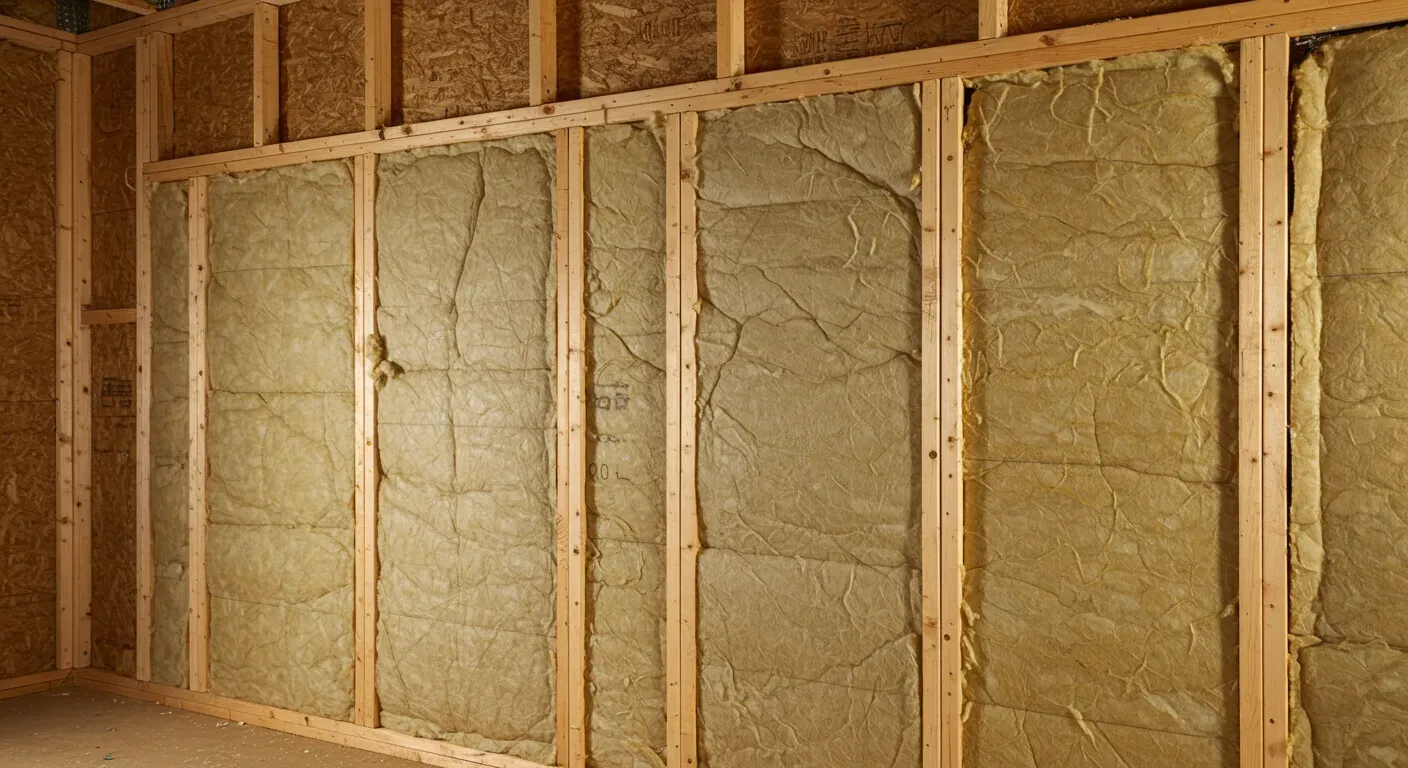
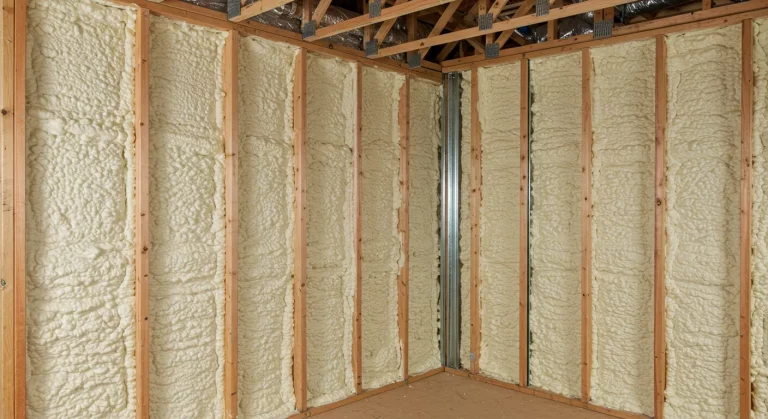
We often find that removing old material is the best way to get the results you want. Leaving old, dusty fiberglass or cellulose in your walls can block the new spray foam from sealing properly against the studs. Starting with a clean space ensures your home gets the full benefit of modern airtight technology.
Key Takeaways
Removal prevents mold and odors from staying trapped inside your wall cavities.
Clean cavities allow spray foam to create a perfect airtight seal, improving efficiency.
Getting rid of old material helps us find hidden pests or structural damage before sealing.
Clear Wall Cavities For Better Performance in Seattle, WA
Starting from scratch ensures your home gets the full benefit of modern insulation. We find that old fiberglass often hides problems that only a full removal can fix before we start our work.
Improving The Air Seal Quality
Spray foam expands to fill every gap, but it cannot do this if old batts or loose fill stay in the way.
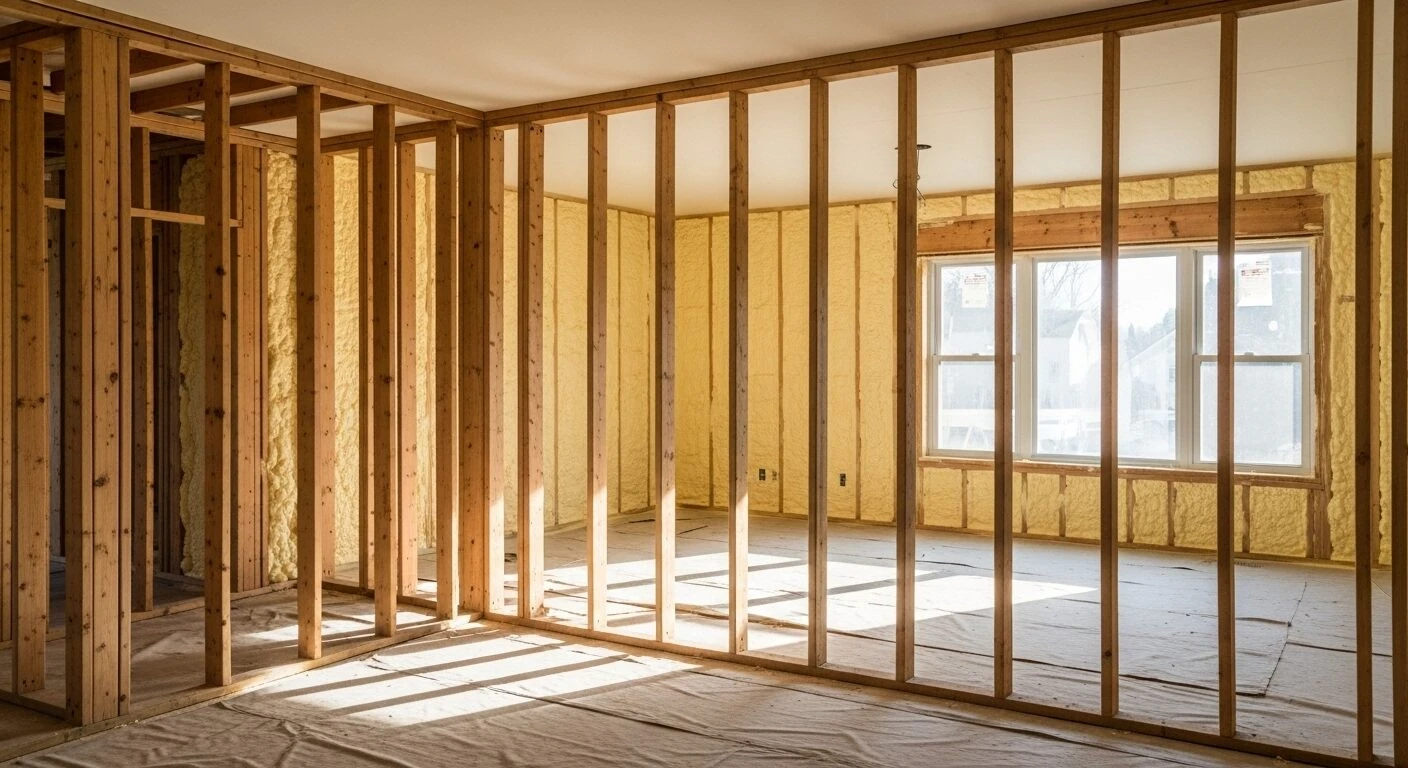
A clean cavity allows the foam to bond directly to the wall studs while doing wall insulation and exterior sheathing for a permanent fit.
Handling Hidden Moisture Problems
Old cellulose often acts like a sponge, holding onto water that causes rot or mildew over time.
A report by Energy Star mentions that sealing air leaks is less effective if wet or damaged materials stay in place.
Visual Inspection Advantage
We suggest taking photos of the empty wall cavities before we spray the new foam. This gives you a clear record of your electrical and plumbing lines for any future home repairs.
Ballard Neighborhood Attic Project IN Seattle, WA
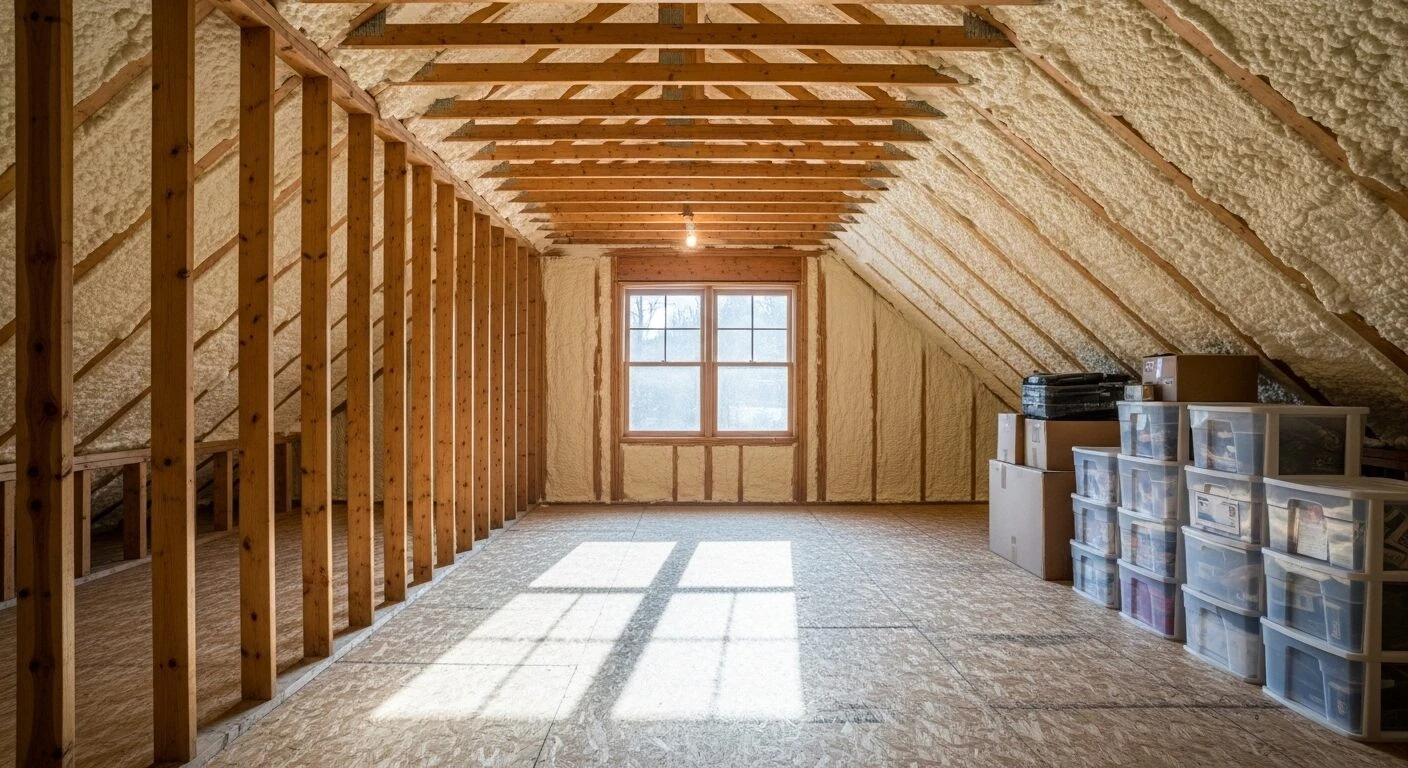
Cascadia Spray Foam Insulation of Seattle recently worked on a 1940s home, removing soggy rockwool. This allowed us to fix a hidden roof leak before installing closed-cell foam, preventing future wood rot.
Is It Possible To Leave The Old Stuff Behind?
Leaving old insulation in place is sometimes an option, but it usually results in lower home efficiency. We see many homeowners try to save money by layering materials, only to find their energy bills stay higher than expected.
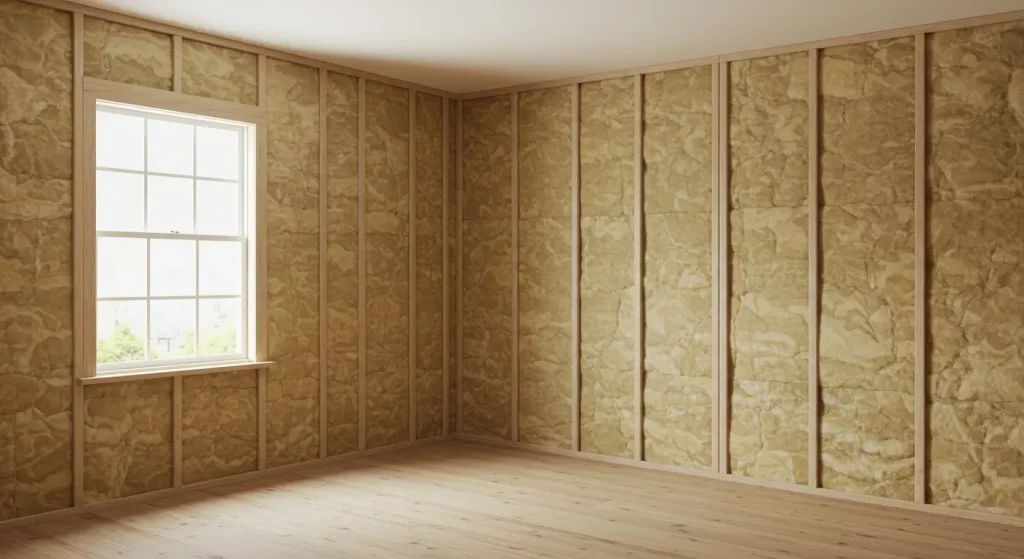
The weight of the new foam can compress the old fiberglass, reducing its ability to retain heat effectively. If the old material is dirty or wet, the latest spray foam will not stick well, and you lose the airtight barrier that makes spray foam so effective.
Data from Energy.gov shows that even small gaps in insulation lead to big heat losses in the winter. We recommend a full clear-out to ensure those gaps are gone, and your home stays comfortable.
Assessing The Condition Of Your Walls
Check for sagging material that has pulled away from the top of the wall over the years.
Look for dark spots on the insulation that suggest air is leaking through and bringing in dirt.
Comparison Of Insulation Approaches
Feature
Removing Old Insulation
Layering Over Old Insulation
Air Seal Quality
Excellent and permanent
Poor and inconsistent
Mold Risk
Very low
Higher risk of trapped dampness
Energy Savings
Maximum potential
Limited improvement
Space Used
Efficient use of cavity
Bulky and crowded
Managing The Removal Process Without Stress
We use specialized tools to pull old material out without making a mess in your living area. Our team sets up plastic barriers and uses high-powered vacuums to keep your indoor air clean during the whole job.
If you have attic insulation or crawl space walls, we can often access them without touching your drywall. For finished walls, we sometimes make small holes or work during a full renovation to keep things simple and fast.
Professional removal also ensures that the right people handle any old, dusty materials. This keeps your family safe and ensures your home meets the local energy performance building codes of Seattle, WA.
Using High Power Suction Equipment
Our industrial vacuums pull debris directly into a collection bag outside your home.
This method prevents dust from floating through your house and landing on your furniture.
Protecting Your Interior Air Quality
We use negative air pressure machines to keep dust from moving between rooms.
This step is vital for families with allergies or breathing sensitivities.
Seattle Home Comfort Success
Choosing to remove old insulation sets your project up for long-term success. A clean wall is the only way to guarantee the performance you expect from spray foam in our Pacific Northwest climate. Clearing the space allows us to do our best work so you can enjoy a quieter, warmer, and more efficient home for decades.
Work With Cascadia Spray Foam Insulation of Seattle
Our team provides expert removal and installation services to help your home stay warm in the winter and cool in the summer. We focus on quality work that pays for itself through lower energy costs and better comfort. We are ready to help you plan your next home upgrade with the best materials available.
Yes, you should replace it if it is over 20 years old or shows signs of mold. New products offer much better thermal protection and will lower your monthly utility costs.
Can you replace insulation without removing drywall?
Yes, we can often replace it without removing drywall. We can blow in material or use injection spray foam through small holes that are easy to patch and paint.
Should I remove old cavity wall insulation?
Yes, old material can settle or get wet, which makes it useless for stopping heat flow. Removing it allows us to fill the cavity completely with a fresh, high-performing product.
What is the lifespan of wall insulation?
Most fiberglass lasts 15 to 20 years before it starts to sag or lose its shape. Spray foam is much more durable and can last 80 years or more without needing to be replaced.
How do I know if my cavity wall insulation needs replacing?
Check for cold spots on your walls during winter or look at your energy bills for unexpected spikes. If you see signs of mice or dampness near the baseboards, it is time for a change.
Sources
Energy Star – A government program providing resources on energy efficiency and sealing home air leaks.
Energy.gov – The official website for the U.S. Department of Energy covering insulation types and benefits.
Fine Homebuilding – A professional resource for construction techniques and insulation best practices.
Spray foam insulation consistently delivers the highest return on investment among residential insulation options, primarily because it combines superior thermal performance with an airtight seal that no other material can…
Seattle homeowners face a specific set of insulation challenges: cool, damp winters, moderate summers, older housing stock, and increasingly strict energy codes. The right insulation choice in 2026 depends on…
Closed-cell spray foam insulation delivers the highest R-value per inch of any common insulation material, creates a continuous air and vapor barrier in a single application, and actively resists moisture…