

Attics
Stop heat escaping through the top of the house and keep upstairs rooms comfortable.
Loading
Loading
Picture a winter morning in Seattle, rain tapping on the windows, and your home wrapped in warmth without your heating system working overtime. Residential spray foam makes that comfort possible while helping you save on energy bills.
For homeowners across Seattle, WA, it’s a reliable way to make a home more efficient, healthier and better prepared for the Pacific Northwest climate.
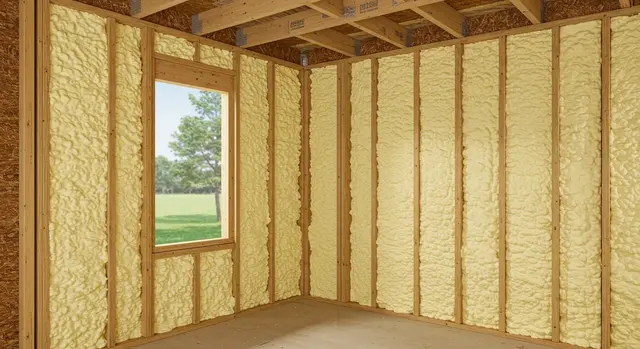
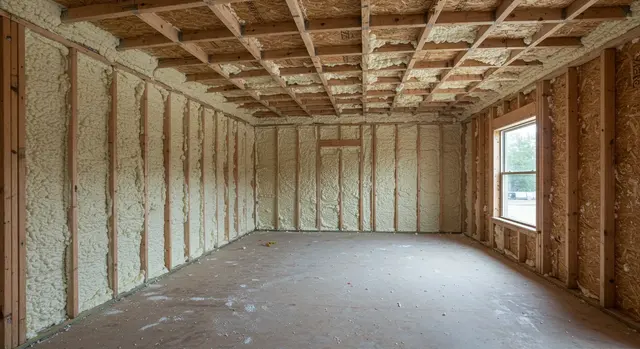
Getting spray foam installed properly matters. The right application forms an airtight barrier that keeps warm air in during winter and blocks heat in summer. In Seattle’s damp climate, that moisture-resistant seal helps prevent mold, mildew and air leaks, and it adds a layer of quiet to your home.
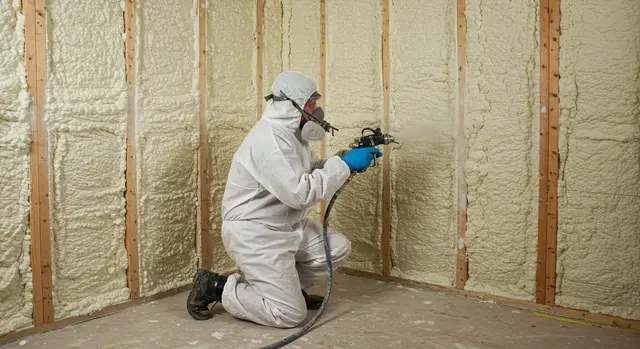
A good installer delivers results that last. Experienced, careful application gives even coverage without air pockets or patchy spray, and properly installed spray foam can raise the overall efficiency of your home for years.
Spray foam is versatile and effective in the places where homes lose the most energy. Insulating these areas creates a more complete thermal envelope.
Stop heat escaping through the top of the house and keep upstairs rooms comfortable.
Seal interior and exterior walls against drafts and air leaks from room to room.
Block damp air and cold from coming up through the floor of your home.
Keep lower levels warmer and drier with insulation that also resists moisture.
Reduce heat loss through garage walls, especially where the garage is attached to the house.
Insulate the underside of the roof deck to bring the attic inside the comfortable envelope of the home.
We use closed-cell or open-cell spray foam in each area, depending on what the space needs.
R-value measures resistance to heat flow: the higher it is, the better the material insulates. Closed-cell spray foam reaches about R-6.5 to R-7 per inch, compared with roughly R-2.2 to R-2.7 for fiberglass and R-3.1 to R-3.8 for cellulose.
That helps Seattle homes handle temperature swings and humidity. For older homes being updated, spray foam can raise the house’s overall insulation level in line with today’s efficiency goals.
Keeps indoor temperatures steady all year, without cold rooms in winter or hot ones in summer.
Lowers monthly heating and cooling costs by sealing gaps and stopping air leaks.
Reduces the allergens and damp air that find their way in through gaps.
Blocks outside noise for a calmer home.
Helps resist mold growth and water damage in Seattle’s wet climate.
Adds strength to walls and roofs, and cuts energy use for the long term.
Ready to improve your home’s comfort and efficiency? Get expert advice and reliable installation from Cascadia Spray Foam of Seattle.

The cost of residential spray foam depends on your home’s size, the type of foam and where it goes. The upfront investment is generally higher than for traditional materials, but the energy savings help offset it over time. Spray foam also doesn’t sag, settle or break down the way fiberglass or cellulose can, which means fewer repairs and more consistent performance.
| Insulation type | Energy efficiency | Upfront cost | Over time |
|---|---|---|---|
| Spray foam | High | Higher | Doesn’t sag or settle |
| Fiberglass | Medium | Lower | Can sag and leave gaps |
| Cellulose | Medium | Medium | Can settle over time |
Seattle’s cool, wet climate calls for insulation that resists moisture and air leaks. Local homes often deal with damp crawl spaces, attic heat loss and drafty walls, and spray foam in those problem areas eases the strain on your heating and cooling system.
Installed correctly, spray foam is built to last for decades. It doesn’t sag or settle the way fiberglass and cellulose can.
Yes. Once it has fully cured, spray foam is safe for your home.
The cost depends on the size of your home and the areas treated. It costs more upfront than traditional insulation, but it pays off in energy savings.
Yes. It can often be applied through small access points, without a major renovation.
Closed-cell spray foam has an R-value of about R-6.5 to R-7 per inch, higher than most other insulation materials.
Both have a place. We choose closed-cell or open-cell foam for each area of your home based on what that space needs, and we explain the choice before we start.
Request a quote for residential spray foam insulation in Seattle, WA, and surrounding areas. Contact Cascadia Spray Foam of Seattle to schedule an appointment.