Is Your Seattle Commercial Building Losing Value Due to Poor Insulation?
admin_cascadiaspray
November 27th, 2025
Yes, a commercial building in Seattle with poor insulation is actively losing value. This loss isn’t just theoretical; it shows up in tangible ways that directly affect your net operating income and long-term asset worth. Inadequate insulation leads to inflated energy bills, increased tenant turnover due to discomfort, accelerated wear on expensive HVAC systems, and potential structural damage from moisture accumulation, a persistent threat in the Pacific Northwest climate.
This article breaks down the specific financial and structural risks of poor insulation in a commercial setting. The information is based on years of direct experience addressing these exact problems for property owners throughout the Seattle area. You will find a clear explanation of how insulation performance impacts your investment and what to look for in your own property.
How Poor Insulation Directly Impacts Your Bottom Line
The most immediate effect of failing insulation is on your operational expenses. Every month, money is wasted on energy that escapes through poorly protected walls, roofs, and floors.
Skyrocketing Energy Bills
A building’s thermal envelope, which includes its insulation, is the primary barrier against outside temperatures. When that barrier is weak, your heating and cooling systems must work much harder to maintain a stable indoor climate. In commercial buildings, space heating and cooling account for a substantial portion of energy use. A U.S. Energy Information Administration survey shows that these two functions are among the largest end uses for energy in the commercial sector. An under-insulated building means your HVAC system runs longer and more frequently, leading directly to higher utility bills.
Tenant Turnover and Vacancy Rates
Comfort is a major factor in tenant satisfaction and retention. Office spaces, retail stores, or warehouses that are consistently too hot in the summer or too cold in the winter create an unpleasant environment for employees and customers. Drafty rooms and fluctuating temperatures lead to complaints and can be a deciding factor for a tenant when their lease is up for renewal. Higher turnover means increased costs for marketing vacant spaces, broker commissions, and lost rent.
Premature HVAC System Failure
Constant operation puts a heavy strain on heating, ventilation, and air conditioning equipment. An HVAC system in a poorly insulated building is always playing catch-up, leading to more frequent breakdowns and a shorter operational lifespan. Replacing a commercial HVAC system is a major capital expense that can often be delayed by ensuring the building’s thermal envelope is performing correctly.
Hidden Structural and Health Risks in Seattle’s Climate
Beyond the obvious financial costs, poor insulation in our damp climate creates hidden dangers that can lead to expensive repairs and potential liability.
Moisture, Mold, and Rot
Seattle’s cool, damp environment is perfect for moisture-related problems. When warm, moist indoor air comes into contact with a cold surface, condensation forms. In a wall cavity with insufficient insulation, the interior surface of the exterior sheathing can become a prime spot for this to happen. This trapped moisture can lead to:
Mold and Mildew: Mold growth not only damages building materials but also creates serious indoor air quality issues that can affect the health of occupants.
Structural Rot: Persistent moisture will rot wood framing, sheathing, and other organic materials, compromising the building’s structural integrity over time.
Pest Infestations: Damp, decaying materials and gaps in the building envelope can attract insects and rodents looking for shelter.
Bonus Tip: Do a physical check on a cold day. If you can feel a noticeable temperature drop or a draft when standing near an exterior wall or window, it’s a strong indicator of an insulation problem or air leak.
Comparing Insulation Types for Commercial Applications
Choosing the right insulation depends on the specific needs of the building, the budget, and the performance goals. Each material has different strengths, particularly when it comes to controlling air and moisture movement.
Insulation Type
Typical R-Value (per inch)
Air & Moisture Barrier
Common Commercial Use Cases
Closed-Cell Spray Foam
R-6.5 to R-7.0
Excellent (air and vapor barrier)
Roofing, exterior walls, foundations, and areas needing structural rigidity
Open-Cell Spray Foam
R-3.5 to R-3.8
Good (air barrier, vapor permeable)
Interior walls, sound-dampening between floors, and filling irregular cavities
Fiberglass Batts
R-3.1 to R-4.3
Poor (allows air and moisture passage)
Filling standard wall cavities and roof trusses in controlled environments
Rigid Foam Board (XPS/EPS)
R-4.0 to R-5.0
Good (vapor retarder, not a perfect air seal)
Foundation walls, continuous exterior insulation, and below-grade applications
The Financial Case for an Insulation Upgrade
Upgrading a building’s insulation should be viewed as an investment, not just an expense. The returns come in the form of lower costs, higher revenue, and increased asset value.
Return on Investment and Property Value
Energy efficiency is a key selling point for modern commercial properties. Buildings with lower operating costs are more attractive to potential buyers and can command higher valuations. An energy-efficient retrofit can increase a building’s market value by providing a verifiable ROI through saved utility expenses. The U.S. Department of Energy highlights that insulation upgrades, combined with air sealing, can offer significant savings on energy bills, directly boosting the property’s net operating income.
Many cities, including Seattle, are moving toward stricter building performance standards. Upgrading now can help future-proof your asset against new regulations and potential fines.
Bonus Tip: Before starting a major insulation project, consider a professional energy audit. This assessment uses tools like blower doors and infrared cameras to identify the exact locations of the worst air leaks and insulation gaps, ensuring your investment is targeted for maximum impact.
Things to Consider Before Making a Decision
A successful insulation project requires careful planning. Before committing to a specific material or contractor, property owners should evaluate a few key factors.
Building Code Compliance: The Seattle Department of Construction & Inspections outlines specific requirements for insulation R-values and air barrier continuity in its commercial energy code. Any new work must meet or exceed these standards.
Material Suitability: The right material for a roof may not be the best choice for interior walls. Consider factors like moisture exposure, structural needs, and fire ratings for each specific application area.
Business Disruption: Ask potential contractors for a clear project timeline and a plan to minimize disruption to your tenants and daily operations. Some insulation methods, like spray foam, can be installed more quickly than traditional materials.
Contractor Experience: Ensure the contractor you choose is licensed, insured, and has a proven track record of working on commercial buildings of a similar size and scope to yours.
FAQS
What are the first signs of insulation failure?
The most common signs are unusually high energy bills, difficulty maintaining a consistent temperature, noticeable drafts, and evidence of moisture or condensation on interior walls or ceilings.
How does spray foam insulation compare to traditional methods for moisture control?
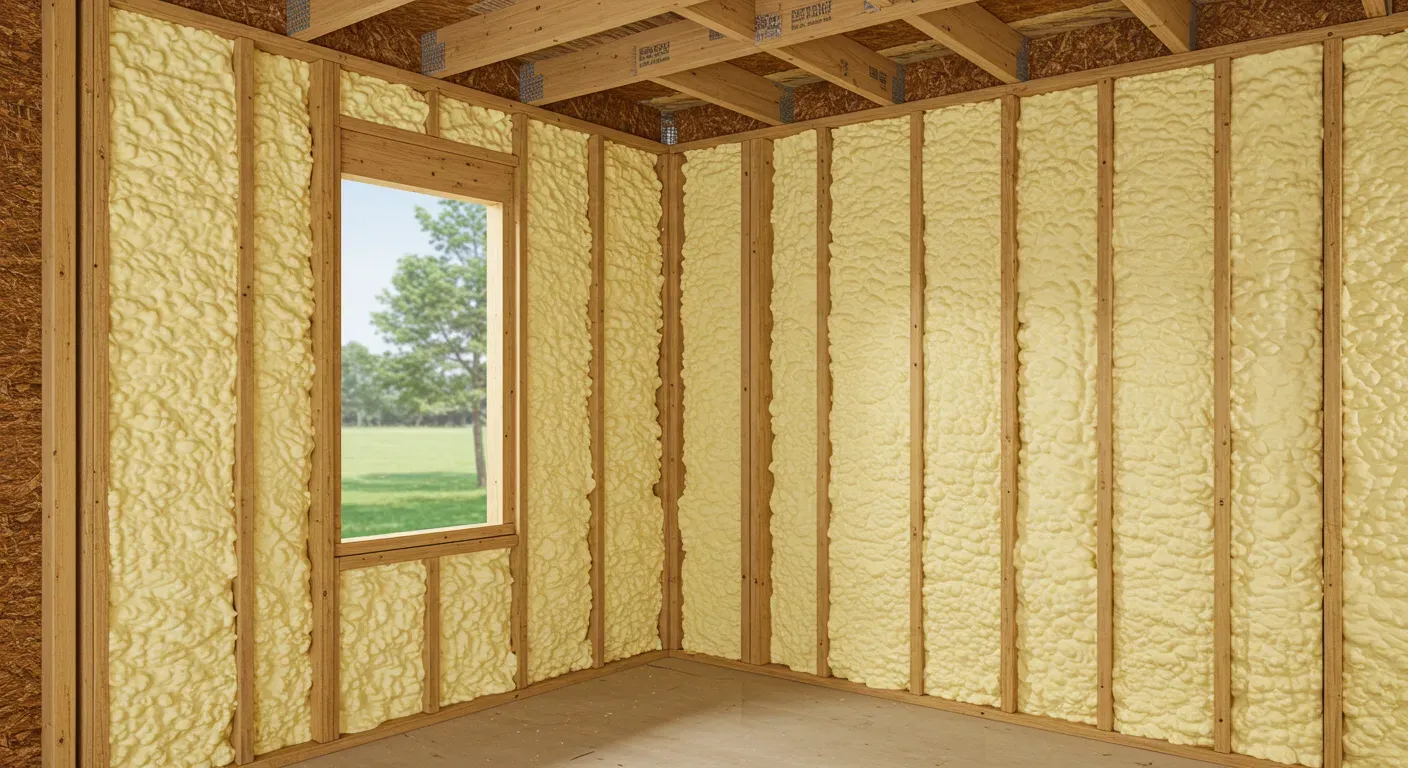
Closed-cell spray foam acts as an all-in-one insulation, air barrier, and vapor barrier. It adheres directly to the substrate, leaving no gaps for air to pass through and carry moisture. Fiberglass batts, on the other hand, do not stop air movement, and if a separate vapor barrier is not installed perfectly, it can trap moisture within the wall cavity.
Is there a “best” R-value for commercial buildings in Seattle?
The “best” R-value depends on the part of the building (roof, walls, foundation) and must comply with the local energy code. However, simply meeting the minimum code may not be the most cost-effective solution in the long run. A higher R-value will provide greater energy savings over the life of the building.
What is the typical timeline for a commercial insulation project?
The timeline varies widely based on the size of the building, the scope of work, and the type of insulation being installed. A small retail space might take a few days, while a large warehouse or office building could take several weeks. A detailed schedule should be provided by your contractor.
Evaluating Your Building’s Performance
The evidence is clear: poor insulation is a liability that actively drains value from a commercial property through high operational costs and physical decay. Addressing these deficiencies is not just about repairs; it’s a strategic investment in the long-term profitability and durability of your asset. The first step is to accurately assess your building’s current condition and identify the areas of greatest weakness.
Get a Professional Assessment
To understand the specific performance of your building’s thermal envelope, a professional evaluation is necessary. The team at Cascadia Spray Foam of Seattle can provide a thorough inspection to identify energy loss and potential moisture issues. For a detailed consultation, contact the office at (425) 386-3500 or send an inquiry to [email protected] to determine the best course of action for your property.
Sources
U.S. Energy Information Administration – This data from the 2018 Commercial Buildings Energy Consumption Survey (CBECS) provides detailed statistics on energy use in commercial buildings, highlighting the impact of heating and cooling.
U.S. Department of Energy – The Energy Saver program offers information on the benefits of weatherization, including the financial returns associated with insulation and air sealing projects for both residential and commercial properties.
Seattle Department of Construction & Inspections – This official city resource outlines the current Seattle Energy Code requirements, which are essential for ensuring compliance in any commercial building project.
Open-cell foam insulation creates a breathable yet protective barrier that prevents moisture accumulation while allowing your Tukwila home to maintain proper humidity levels. This unique material works by trapping air…
Open-cell insulation provides significant environmental benefits through reduced material consumption, lower embodied carbon during production, and superior long-term energy efficiency that decreases heating and cooling demands. The material’s unique cellular…
Open-cell spray foam insulation achieves superior air sealing through its unique cellular structure that creates millions of tiny, interconnected air pockets. When applied, the foam expands to fill gaps and…