How Open-Cell Foam Protects Your Tukwila Property from Moisture Damage
admin_cascadiaspray
January 23rd, 2026
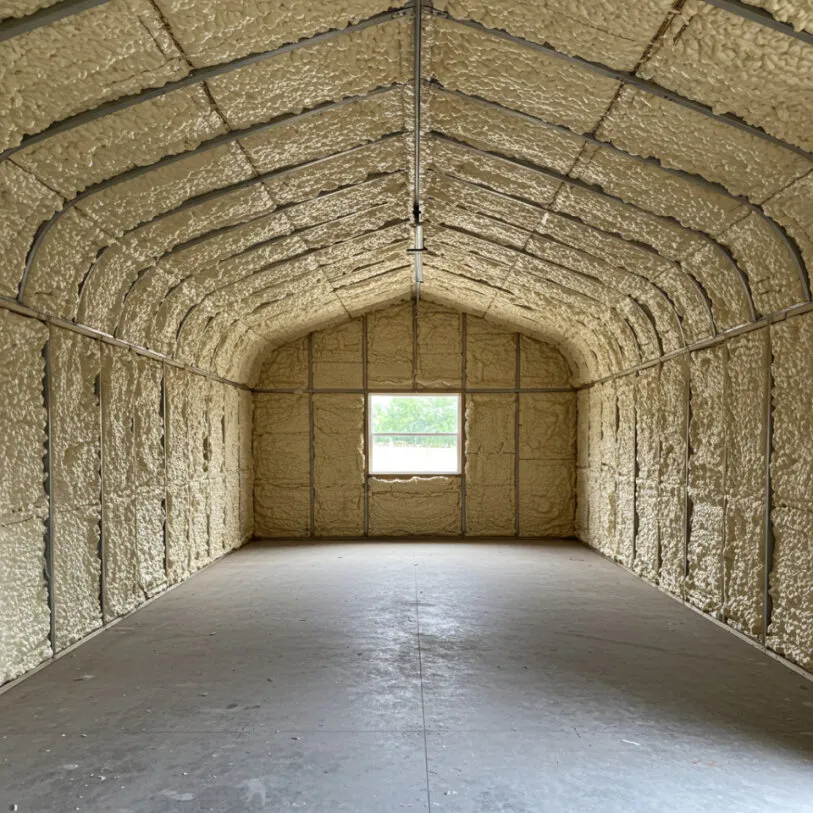
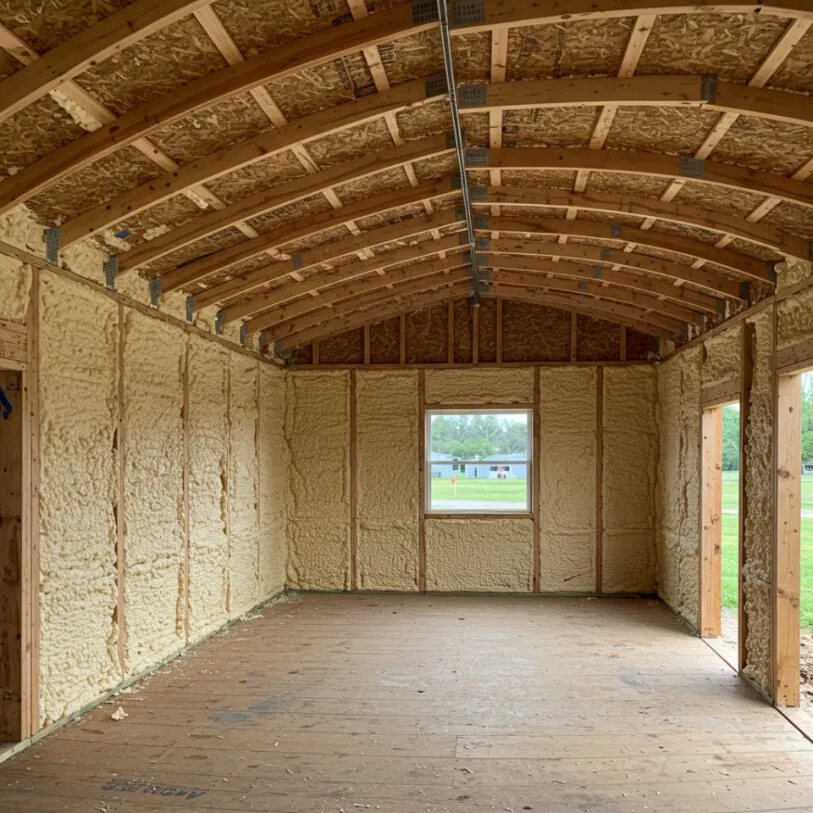
Open-cell foam insulation creates a breathable yet protective barrier that prevents moisture accumulation while allowing your Tukwila home to maintain proper humidity levels. This unique material works by trapping air in its open-cell structure, which absorbs and slowly releases moisture vapor, preventing condensation that can lead to mold growth and structural damage in the Pacific Northwest’s damp climate.
Cascadia Spray Foam has extensive experience protecting properties throughout the Puget Sound region from moisture-related issues. The following information provides practical, field-tested insights on how open-cell foam functions as a moisture management system specifically designed for Tukwila’s weather patterns and building challenges.
The Science Behind Moisture Protection
Open-cell foam consists of millions of tiny, interconnected cells that form a semi-permeable membrane. Unlike closed-cell foam, which creates an impermeable vapor barrier, open-cell foam allows water vapor to pass through at a controlled rate. This characteristic makes it particularly suitable for Tukwila’s climate, where preventing moisture buildup without trapping existing moisture is essential for long-term building health.
The material’s moisture permeability rating typically ranges from 3 to 6 perms, which building codes classify as vapor permeable. This means water vapor can migrate through the insulation, preventing the pressure differential that causes condensation within wall cavities. During Tukwila’s rainy season, this breathability becomes critical as it allows moisture to escape rather than becoming trapped against structural elements.
Regional Benefits for Tukwila Properties
Tukwila’s location in the Green River Valley exposes properties to specific moisture challenges not found elsewhere in Washington. The combination of high annual rainfall (approximately 38 inches per year) and the area’s proximity to both the Duwamish River and Interstate 5 creates unique moisture dynamics that require specialized protection solutions.
Open-cell foam adapts particularly well to these conditions because it can accommodate minor structural movements without cracking or losing its protective properties. This flexibility proves essential in older Tukwila homes that may have settled over decades of exposure to the region’s seismic activity and soil conditions.
Performance Comparison Table
Feature
Open-Cell Foam
Closed-Cell Foam
Fiberglass Batt
Spray Cellulose
Vapor Permeability
3-6 perms
<1 perm
20+ perms
12-15 perms
Moisture Absorption
5-8% by weight
<1%
Can lose R-value when wet
15-20% by weight
Air Sealing
Excellent
Excellent
Poor
Good
Ideal Climate
Mixed humid
Marine cold/arid
All climates
All climates
Installation Considerations for Moisture Protection
Proper installation determines whether open-cell foam insulation effectively protects your property or contributes to moisture problems. The material requires a specific application thickness based on Tukwila’s climate zone (Zone 4C according to the International Energy Conservation Code). For optimal moisture management, installers typically apply 5.5 to 6.5 inches in walls and 8 to 10 inches in ceilings.
Cascadia Spray Foam technicians understand Tukwila insulation properties often require careful assessment of existing moisture sources before installation. This includes evaluating foundation drainage, roof systems, and window flashing to identify and address active water intrusion that could compromise insulation performance.
Bonus Tip: Always test for moisture in existing wall cavities before installing any insulation. Even small amounts of trapped moisture can lead to major problems when sealed behind foam.
Things to Consider Before Making a Decision
The age and construction method of your Tukwila property significantly influence whether open-cell foam is the right choice. Historic homes in the Tukwila Hill neighborhood may require different approaches compared to newer construction in Southcenter. Building materials like plaster walls, wooden siding, and original window frames all interact differently with moisture protection systems.
Climate data shows that Tukwila experiences approximately 155 days with measurable precipitation annually, creating persistent moisture challenges that your insulation must address year-round. The decision to use open-cell foam should account for continuous exposure rather than focusing solely on peak rainy-season conditions.
Understanding Long-Term Performance
Research from the Building Science Corporation indicates that properly installed open-cell foam maintains its moisture management properties for decades without degradation. The material resists mold growth and does not settle or compact over time, preserving both its thermal and moisture protection capabilities throughout its service life.
For Tukwila properties near the Duwamish River or in areas with high water tables, open-cell foam’s ability to dry out after moisture exposure provides significant advantages over impermeable insulation types. This characteristic becomes especially valuable during the region’s occasional flooding events or in basements with periodic dampness.
Bonus Tip: Pair open-cell foam with proper mechanical ventilation to create a complete moisture management system. The foam handles vapor diffusion while ventilation removes moisture generated by daily activities.
Final Considerations
The effectiveness of open-cell foam for moisture protection depends entirely on proper installation specific to Tukwila’s climate challenges. When applied correctly, this material provides a sustainable solution for managing the region’s persistent humidity while preventing the condensation issues that plague many traditional insulation methods. Property owners should evaluate their entire building envelope rather than focusing solely on insulation type, as moisture management requires an integrated approach that addresses drainage, ventilation, and air sealing.
Your specific location within Tukwila, construction type, and existing moisture sources all influence the ideal solution. Consider a professional assessment to determine whether open-cell foam aligns with your property’s unique needs and your long-term protection goals.
Getting a Professional Assessment
Cascadia Spray Foam provides comprehensive moisture-protection evaluations for Tukwila properties. Their team understands local building challenges and can provide customized recommendations based on your specific situation. Contact them at [email protected] or call (425) 386-3500 to schedule a detailed assessment of your moisture protection needs. A professional evaluation helps ensure your insulation investment delivers the long-term property protection Tukwila’s climate demands.
FAQS
Does open-cell foam work in older homes in Tukwila?
Yes, open-cell foam adapts well to older Tukwila properties because it accommodates minor structural movement and doesn’t require the perfect air sealing required by closed-cell alternatives.
How thick should foam be applied for optimal moisture protection?
For Tukwila’s climate zone, walls need 5.5-6.5 inches, and ceilings require 8-10 inches to achieve both thermal and moisture management benefits.
Will open-cell foam prevent all moisture problems?
No insulation prevents all moisture issues. Open-cell foam manages vapor diffusion effectively but still requires proper exterior drainage, roof systems, and plumbing maintenance.
Is open-cell foam safe for properties with existing mold growth?
No, mold must be remediated before installing any insulation. Open-cell foam can help prevent future mold when installed in clean, dry conditions.
How does open-cell foam perform during Tukwila’s power outages?
Open-cell foam provides excellent thermal protection during power outages, helping maintain stable indoor temperatures for extended periods while continuing to manage moisture vapor.
When selecting a wall retrofit contractor in Everett, asking the right questions determines project success. The eight essential questions to ask include: What experience do you have with Pacific Northwest…
Open-cell spray foam insulation acts as an early warning system for roof leaks because its water-absorbing properties create visible stains and discoloration at the leak source, unlike closed-cell foam or…
Open-cell foam insulation creates a breathable yet protective barrier that prevents moisture accumulation while allowing your Tukwila home to maintain proper humidity levels. This unique material works by trapping air…