Closed-Cell vs. Open-Cell: Energy Efficiency Comparison for New Homes in Newcastle, WA
admin_cascadiaspray
January 23rd, 2026
Closed-cell spray foam insulation offers superior energy efficiency with an R-value of approximately 6.5 per inch compared to open-cell’s 3.5 per inch, making it the more effective option for Newcastle’s climate conditions. However, closed-cell costs roughly 30-50% more than open-cell and requires professional installation due to its chemical composition and application requirements. Open-cell provides better sound absorption and flexibility but absorbs moisture, potentially reducing its effectiveness in damp environments. The choice between these insulation types depends on your budget, moisture concerns, and long-term energy savings goals.
This analysis provides Newcastle homeowners with practical information to make informed insulation decisions based on local climate patterns, building codes, and performance requirements. With extensive experience in Pacific Northwest construction practices, the information here reflects real-world applications and performance data specific to the Newcastle area.
Understanding the Basics of Spray Foam Insulation
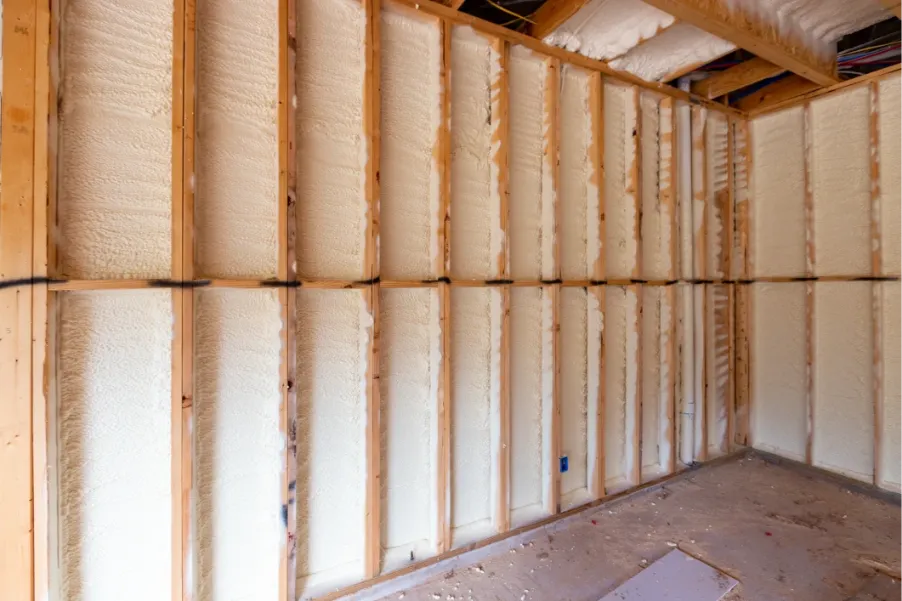
Spray foam insulation works by expanding to fill gaps and creating an air barrier that traditional insulation methods cannot achieve. The two primary types differ fundamentally in their cell structure, which directly impacts their performance characteristics. Closed-cell foam contains completely sealed cells that trap gas, making it denser and more rigid. Open-cell foam features partially broken cells, resulting in a softer, more flexible material.
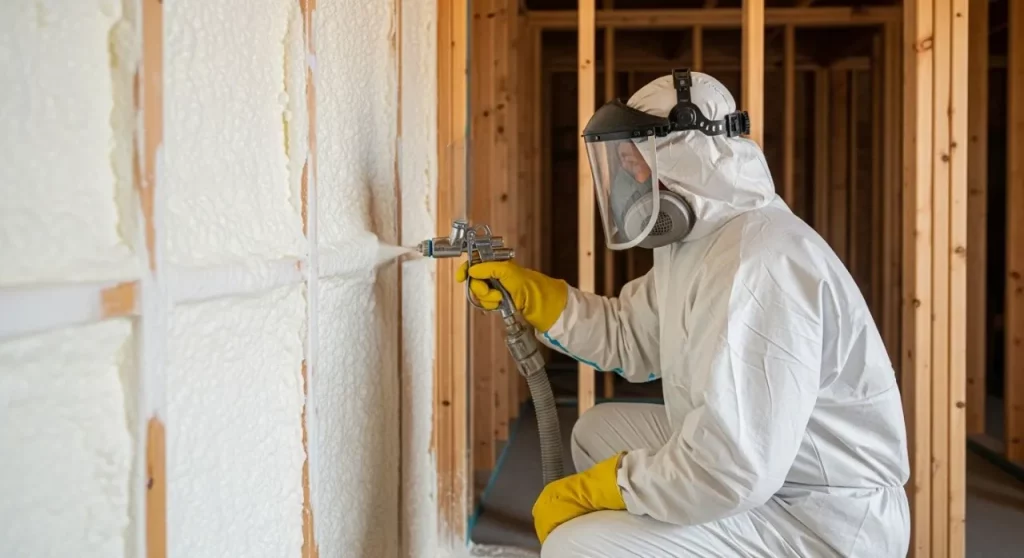
The installation process differs significantly between these types. Closed-cell requires higher pressure during application and typically needs specialized equipment due to its chemical composition. Open-cell can be applied with less pressure and generally cures faster, allowing for quicker project completion. These differences affect not just installation but also long-term performance and maintenance requirements.
Energy Efficiency Performance Analysis
The primary advantage of closed-cell foam lies in its superior thermal resistance. At R-6.5 per inch, closed-cell provides nearly double the insulating power of open-cell at R-3.5 per inch. This means fewer inches of material are needed to achieve the same thermal performance, potentially saving space in wall cavities. According to the U.S. Department of Energy, proper insulation can reduce heating and cooling costs by 15-20% in typical homes.
Moisture resistance represents another critical difference. Closed-cell foam insulation acts as a vapor barrier with a permeability rating below 1.0 perm, effectively preventing moisture transmission. Open-cell allows moisture to pass through, which can be problematic in Newcastle’s damp climate but beneficial in situations where walls need to breathe and dry out.
The air-sealing capabilities of both types exceed those of traditional insulation, but closed-cell provides slightly better performance due to its higher density and rigid structure. This air sealing capability significantly reduces drafts and cold spots throughout the home, improving overall comfort and energy efficiency.
Cost Considerations and Long-term Value
The higher initial cost of closed-cell often provides better return on investment through energy savings. A study by the Applied Building Technology Group found that homes with closed-cell insulation showed 12-15% greater energy savings compared to those with open-cell in similar climate conditions. Over 20 years, this difference can offset the initial cost difference multiple times.
Long-term durability also favors closed-cell, which maintains its R-value and structural integrity longer than open-cell, especially in moisture-prone environments. This durability reduces the likelihood of future replacements or additional insulation investments.
Climate-Specific Factors for Newcastle Homes
Newcastle’s climate presents specific challenges that influence insulation selection. The area experiences significant rainfall, averaging 38 inches annually, with humidity often exceeding 80% during the winter months. These conditions make moisture management a primary consideration for insulation performance.
The temperature range in Newcastle varies from winter lows around 34°F to summer highs reaching 78°F. While not extreme, these fluctuations still require proper insulation in Newcastle to maintain indoor comfort efficiently. Local building codes in King County require minimum R-values of R-49 for ceilings and R-21 for walls, which both insulation types can achieve, but at different thicknesses.
Bonus Tip: In Newcastle’s climate, combining insulation types often provides optimal results. Many local builders use closed-cell foam in moisture-prone areas like crawl spaces and foundations, while using open-cell foam in interior walls where sound dampening is beneficial.
Comparison of Key Performance Metrics
Performance Factor
Closed-Cell Foam
Open-Cell Foam
R-Value per inch
6.5
3.5
Density (lb/ft³)
1.75-2.0
0.5-0.6
Vapor permeability
<1.0 perm
10-20 perm
Compressive strength
25-40 psi
2-5 psi
Sound absorption
Poor
Excellent
Things to Consider Before Making a Decision
Evaluate your home’s specific moisture exposure levels. Areas below grade, bathrooms, and laundry rooms benefit from closed-cell’s moisture barrier properties. Consider your sound insulation needs – open-cell provides superior noise reduction between rooms and floors.
Assess your project timeline. Open-cell typically cures faster, allowing for quicker construction progress, while closed-cell may require longer curing times and more precise application conditions. Your budget constraints will also play a significant role in the decision-making process.
Examine local building requirements. King County has specific insulation codes that may influence your choice, particularly regarding vapor barriers in certain applications. Check with local building authorities before making your final decision.
Bonus Tip: For maximum energy efficiency in Newcastle homes, consider using closed-cell foam in the building envelope (exterior walls, roof, and foundation) while using open-cell for interior partitions where sound control is the primary concern.
Making Your Final Decision
The choice between closed-cell and open-cell spray foam depends on your specific needs, budget, and home characteristics. Closed-cell offers superior energy efficiency and moisture resistance, but at a higher cost. Open-cell provides better sound absorption and affordability but requires careful moisture management.
Consider your priorities: maximum energy savings versus initial investment, moisture concerns versus sound requirements, and long-term value versus immediate budget constraints. Each Newcastle home has unique characteristics that influence the optimal insulation choice.
For personalized guidance on your new home insulation project in Newcastle, WA, contact Cascadia Spray Foam at [email protected] or call (425) 386-3500. The local expertise helps ensure your insulation selection matches your specific needs and complies with King County building requirements.
Frequently Asked Questions
Is spray foam insulation safe for homes with allergies?
Both types are inert once cured and don’t release harmful particles. However, proper installation with adequate ventilation during application is essential. Some homeowners prefer closed-cell due to its resistance to mold growth.
Can I install spray foam insulation myself?
Professional installation is strongly recommended for both types, particularly closed-cell, which requires specialized equipment and knowledge of chemical handling. Improper installation can lead to performance issues and health concerns.
How does spray foam affect home resale value?
Homes with spray foam insulation typically sell faster and at higher prices, particularly in markets like Newcastle where energy efficiency is valued by buyers. The exact return varies based on local market conditions.
Does spray foam require special drywall installation?
No special drywall techniques are needed with either insulation type. However, the rigid surface of closed-cell foam can provide a more stable substrate for finishing materials than the softer surface of open-cell foam.
What maintenance does spray foam require?
Properly installed spray foam requires essentially no maintenance. Periodic inspection for damage or degradation is advisable, especially in areas prone to physical impact or moisture exposure.
Sources
U.S. Department of Energy – Official information about insulation types, energy savings, and recommended R-values for different climate zones
Applied Building Technology Group – Research organization providing independent studies on building material performance and energy efficiency comparisons
King County Building Department – Local building code requirements and insulation standards specific to Newcastle, Washington
When selecting a wall retrofit contractor in Everett, asking the right questions determines project success. The eight essential questions to ask include: What experience do you have with Pacific Northwest…
Open-cell spray foam insulation acts as an early warning system for roof leaks because its water-absorbing properties create visible stains and discoloration at the leak source, unlike closed-cell foam or…
Builders in Federal Way consistently choose closed-cell spray foam for six primary reasons: superior moisture resistance in the Pacific Northwest climate, higher R-value per inch, structural reinforcement capabilities, exceptional air…