Is Spray Foam Flammable? Everything You Need to Know
admin_cascadiaspray
January 16th, 2026
Spray foam insulation is not fireproof, but when installed correctly, it can be fire-resistant and code-compliant. The confusion usually comes from how spray foam reacts to flame versus how it is regulated in real buildings. Let’s clear it up fast.
Quick answers that matter most:
Spray foam can burn, but it is formulated to self-extinguish when the flame source is removed.
Building codes require spray foam to be protected by a thermal or ignition barrier.
Proper installation and coverage make spray foam safe for homes and commercial buildings.
If you want straight answers without sales fluff, you’re in the right place.
Understanding Spray Foam Insulation Basics
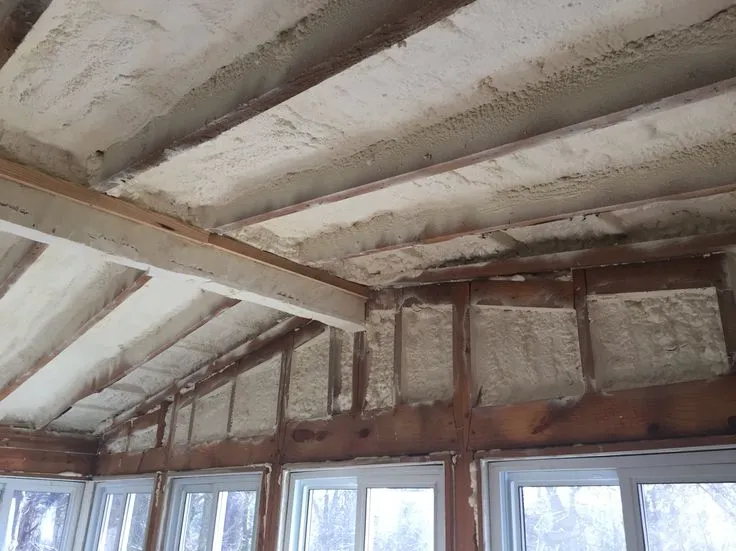
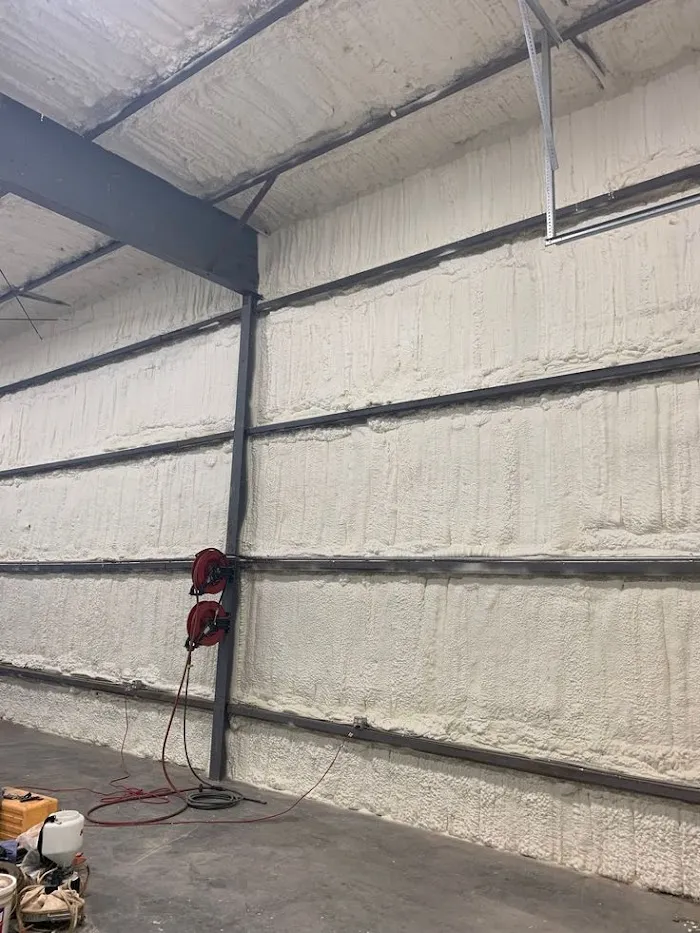
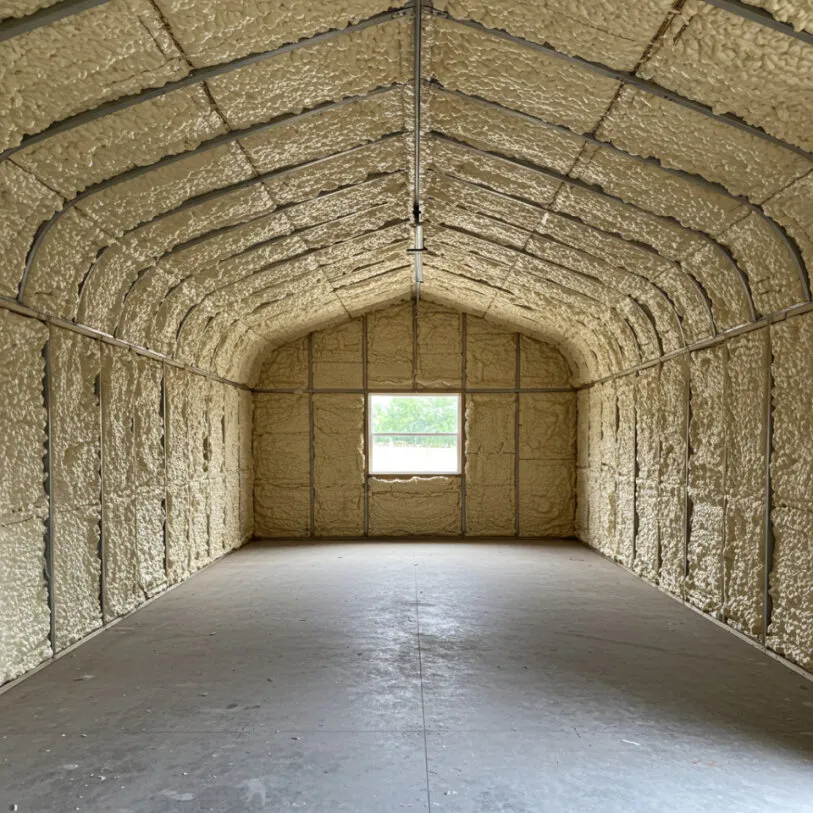
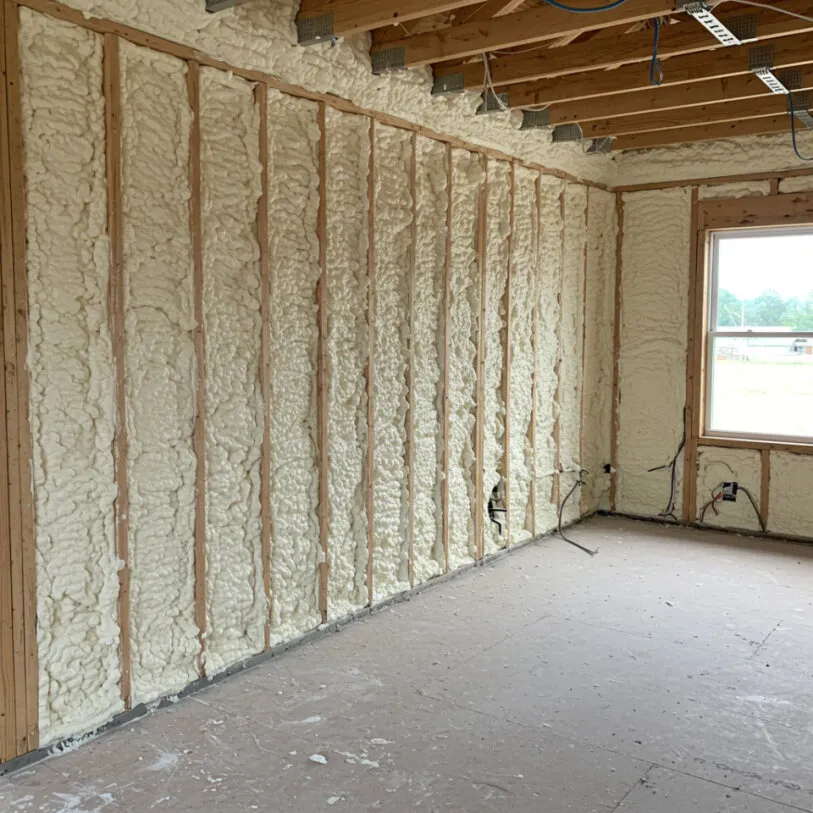
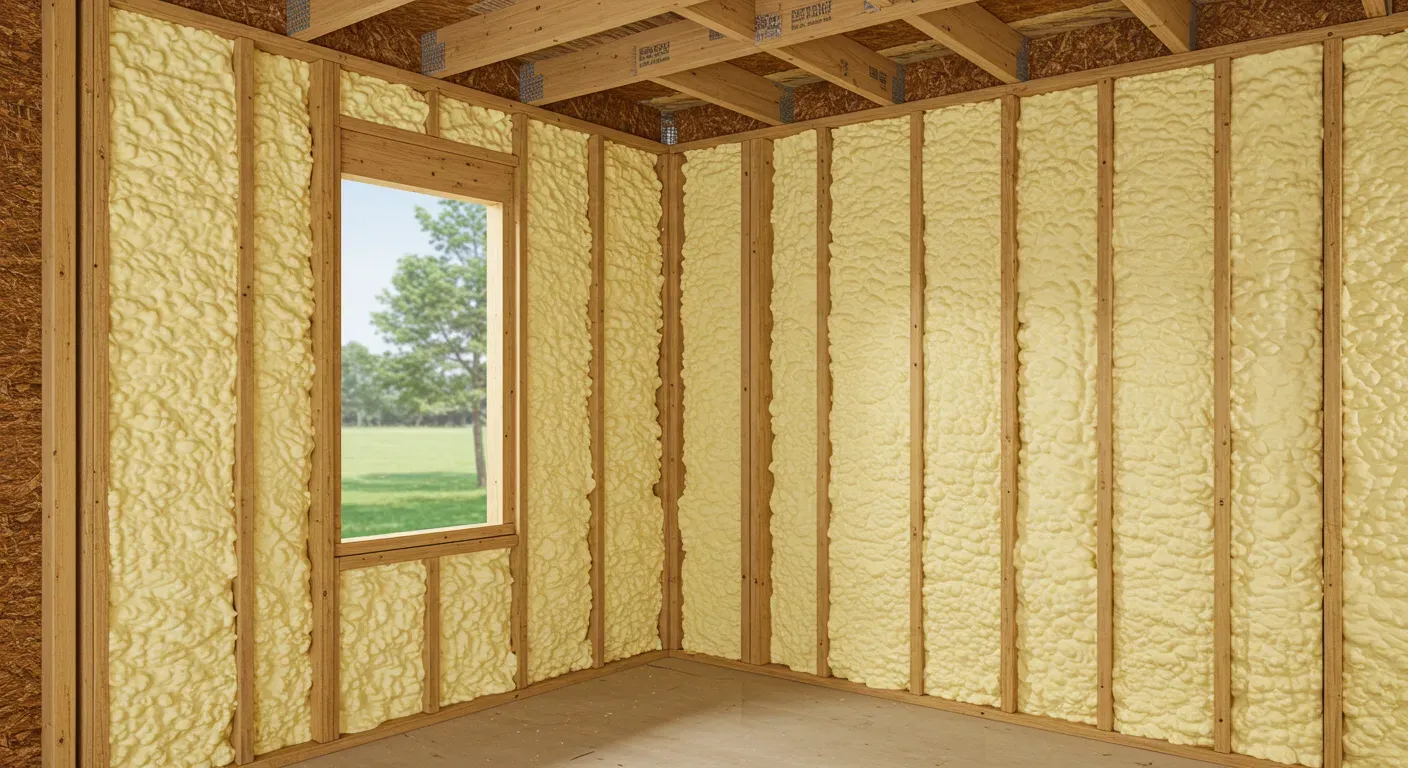
Spray foam insulation is a two-part chemical system that expands on contact. Once cured, it forms an air-tight seal that traditional insulation cannot match.
Closed-cell spray foam: Dense, rigid, and higher R-value per inch.
Both types are used widely in residential and commercial construction across Seattle. Both also follow the same fire safety rules under building codes.
Is Spray Foam Flammable?
Yes, spray foam is combustible. That said, it is designed to meet strict fire safety standards.
Most spray foam products include flame-retardant additives. These help the foam resist ignition and slow flame spread. When exposed to direct fire, spray foam will char and can burn, but it does not ignite easily under normal conditions.
According to guidance published by the National Fire Protection Association, modern building materials are evaluated based on flame spread and smoke development, not whether they burn at all. Spray foam meets these testing requirements when installed correctly.
The key takeaway is simple. Spray foam is safe when used the way codes require.
Fire Resistance vs Fireproof Materials
This is where most confusion starts.
Fireproof means a material cannot burn at all. Spray foam does not fall into that category. Fire-resistant means it slows fire growth and meets safety standards. That is exactly how spray foam is classified.
Spray foam is tested using standardized methods such as ASTM E84. These tests measure:
Flame spread index
Smoke development
Products approved for building use must stay within strict limits. If they do, they are allowed in walls, ceilings, and attics with proper barriers in place.
Why Building Codes Matter So Much
Spray foam safety is not just about the material. It is about how it is installed and protected.
Building codes require spray foam insulation to be separated from living spaces by approved barriers. These barriers slow down fire exposure and give occupants more time to exit safely.
The International Residential Code outlines where spray foam can be used and what protection is required. This is not optional. It is enforced during inspections.
When contractors skip steps or cut corners, that is when problems happen.
Thermal Barriers Explained
A thermal barrier is typically half-inch drywall or an equivalent approved material. Its purpose is to delay heat transfer during a fire.
In walls and ceilings:
Drywall is the most common thermal barrier.
It provides at least 15 minutes of fire protection.
In attics or crawl spaces that are not used for storage:
Ignition barriers may be allowed instead.
These can include intumescent coatings or specific panel products.
We always follow code requirements so your insulation system performs safely and legally.
Cheap Foam = Fire Risk
Low-quality spray foam products often cut costs where it matters most.
Poor formulations may:
Burn faster
Produce more smoke
Fail fire testing standards
Certified spray foam products are tested and documented. They come with evaluation reports that inspectors rely on.
Using unverified materials or untrained installers increases fire risk and can void insurance coverage. Saving a little upfront can cost far more later.
Does Spray Foam Increase Fire Risk?
Installed correctly, spray foam does not increase fire risk compared to other insulation types.
In fact, spray foam can improve overall safety by:
Reducing air leakage that feeds fires
Limiting hidden pathways for flame spread inside wall cavities
The U.S. Environmental Protection Agency notes that proper insulation improves building performance and safety when materials are used as intended.
Like wiring or heating systems, insulation safety depends on proper design and installation.
Smoke and Toxicity Concerns
All building materials produce smoke when burned. Spray foam is no exception.
During a fire:
Smoke inhalation is the primary danger.
This is true regardless of insulation type.
Modern spray foam products are evaluated for smoke development during testing. Staying within code limits is what makes them acceptable for occupied buildings.
The biggest safety improvement comes from early detection and proper fire separation, not from avoiding spray foam altogether.
Installation Quality Makes the Difference
Fire safety is not just about materials. It is about workmanship.
Proper installation includes:
Correct foam thickness
Full curing before enclosure
Approved barriers installed correctly
Compliance with local inspections
At Cascadia Spray Foam of Seattle, we follow manufacturer specs and building codes without shortcuts. That protects your home and your peace of mind.
Spray Foam in Residential vs Commercial Buildings
The same fire principles apply in both settings, but requirements can vary.
Residential buildings focus on:
Life safety
Occupant egress time
Commercial buildings may require:
Additional fire-rated assemblies
Specialized coatings
More frequent inspections
In both cases, spray foam remains a trusted insulation choice when code-compliant systems are used.
Common Myths About Spray Foam and Fire
Let’s clear up a few myths we hear all the time.
Myth: Spray foam is highly flammable Reality: It meets fire testing standards when installed correctly.
Myth: Spray foam makes fires worse Reality: Air sealing can actually slow fire spread inside cavities.
Myth: All spray foam is the same Reality: Product quality and certification matter a lot.
Why Fire Safety and Energy Efficiency Go Together
Good insulation reduces drafts and stabilizes indoor temperatures. That also means fewer ignition pathways and less oxygen movement inside walls.
Fire safety is about systems working together. Spray foam plays a supporting role when installed responsibly.
Why Homeowners Trust Cascadia Spray Foam Of Seattle
We believe safety starts with education and ends with proper installation.
When you work with us, you get:
Code-compliant materials
Trained installers
Clear communication
Long-term performance
If you have questions or want a quote, reach out anytime.
Open-cell foam insulation creates a breathable yet protective barrier that prevents moisture accumulation while allowing your Tukwila home to maintain proper humidity levels. This unique material works by trapping air…
Open-cell insulation provides significant environmental benefits through reduced material consumption, lower embodied carbon during production, and superior long-term energy efficiency that decreases heating and cooling demands. The material’s unique cellular…
Open-cell spray foam insulation achieves superior air sealing through its unique cellular structure that creates millions of tiny, interconnected air pockets. When applied, the foam expands to fill gaps and…