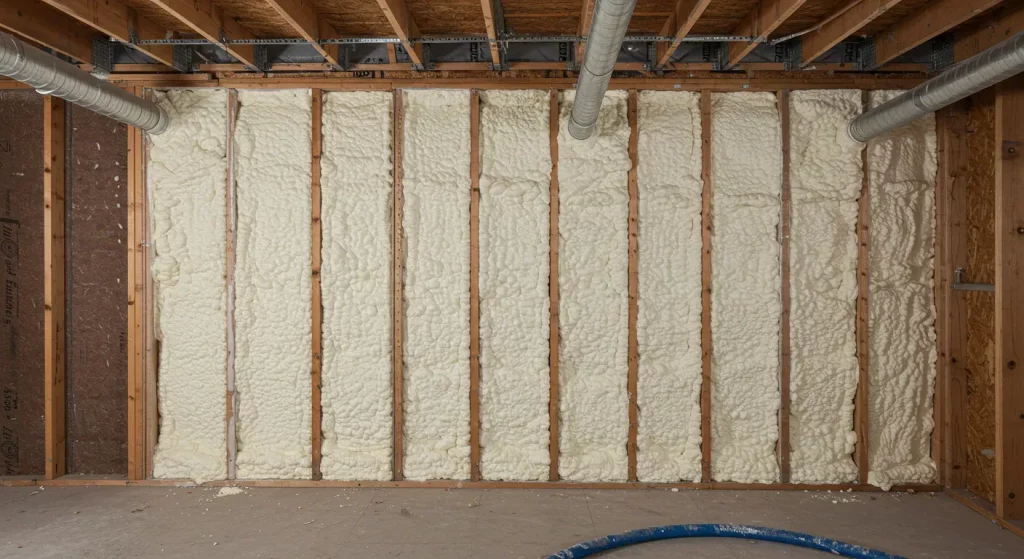
Spray foam insulation sticks fast, cures quickly, and can be frustrating once it’s on your skin. The good news is that most cases are manageable with the right timing and method. Acting early matters most, but even cured foam can be removed safely with patience.
Fresh foam comes off much easier than cured foam
Household products work if used the right way
Skin safety matters more than speed
Understanding Spray Foam And Why It Sticks So Well
Spray foam insulation is designed to expand, bond, and harden within minutes. That same performance benefit is why it clings stubbornly to skin.
Once the chemicals react, the foam changes from a sticky liquid into a rigid plastic. According to chemical safety guidance from the U.S. Environmental Protection Agency, cured spray foam is considered inert, but uncured foam can irritate skin and should be removed quickly.
Timing determines whether removal is simple or slow.
How To Remove Spray Foam From Hands While It’s Still Wet
If the foam is still tacky or soft, stop what you’re doing and clean it right away. Waiting even a few minutes can make removal harder.
Use Acetone Or Nail Polish Remover Carefully
Acetone breaks down uncured foam fast. Many installers keep it on hand for this reason.
Apply a small amount to a cloth, not directly on skin
Gently rub the affected area until the foam loosens
Wash hands with soap and warm water immediately after
The American Academy of Dermatology notes that acetone can dry out skin, so limit exposure and moisturize afterward, as explained in guidance from the American Academy of Dermatology Association.
Warm Soapy Water And Friction
If acetone isn’t available, warm water and dish soap can still help.
Use a textured washcloth or soft brush
Scrub gently, not aggressively
Repeat rather than forcing it off
This method works best within the first few minutes of contact.
How To Remove Cured Spray Foam From Hands
Once foam hardens, solvents stop working. At this point, removal becomes a slow mechanical process.
Let Skin Oils Do The Work
Cured foam does not absorb into skin. It sits on top and eventually releases.
Apply petroleum jelly, coconut oil, or olive oil
Massage the area several times a day
Allow natural skin shedding to loosen the foam
Dermatology guidance from Healthline confirms that oils help soften the bond over time without damaging skin.
Gentle Abrasion Works Better Than Force
Avoid sharp tools or harsh scraping.
Use a pumice stone or nail file lightly
Stop if skin turns red or sore
Moisturize after every attempt
Most cured foam flakes off within a few days.
What Not To Do When Removing Spray Foam
Some removal attempts cause more harm than good. These mistakes are common on job sites.
Do not use gasoline, paint thinner, or harsh chemicals
Do not peel aggressively or cut foam off skin
Do not ignore irritation or chemical burns
Skin safety always comes first. Foam on hands is annoying, but skin damage lasts longer.
Practical Application And Safety Insights For Professionals
For installers and contractors, prevention saves time and avoids injury. This section goes deeper into worksite best practices.
Why Gloves And Barrier Creams Matter
Personal protective equipment is the first line of defense.
Nitrile gloves resist chemical penetration better than latex
Barrier creams reduce bonding strength on exposed skin
Proper sleeve coverage prevents wrist exposure
These steps reduce cleanup time and skin irritation.
Comparing Common Hand Protection Options
Protection Method
Effectiveness
Cost
Comfort
Nitrile gloves
High
Low
High
Latex gloves
Medium
Low
Medium
Barrier cream
Medium
Low
High
Bare hands
None
Free
Risky
Experience-Based Optimization Insight
Seasoned installers often double up gloves on cold days. Foam expands slower in low temperatures, increasing exposure time and risk.
Real-World Industry Example
Several commercial insulation crews working on large warehouse projects in Washington State reported fewer skin injuries after switching to nitrile gloves during winter installs.
When Spray Foam On Skin Becomes A Medical Issue
Most cases are harmless, but certain symptoms need attention.
Signs You Should See A Doctor
Burning or blistering
Persistent redness or swelling
Rash lasting more than 48 hours
Chemical sensitivity varies by person. Early care prevents complications.
Commercial Considerations For Homeowners And Contractors
Removing spray foam insulation from skin is a small issue compared to proper installation. Poor technique often leads to mess, waste, and safety risks.
Why Hiring Trained Installers Matters
Professionals control overspray, mixing ratios, and curing conditions.
This is especially important in enclosed spaces or occupied homes.
Final Takeaway
Spray foam on hands is common and manageable. Act fast if it’s wet. Be patient if it’s cured. Protect skin first, always. The right prep and experience reduce problems before they start.
Call To Action With Cascadia Spray Foam Of Seattle
For clean installs, proper safety practices, and reliable insulation results, professional crews make a difference. Cascadia Spray Foam of Seattle supports residential and commercial projects across the region with trained applicators and proven methods.
Open-cell foam insulation creates a breathable yet protective barrier that prevents moisture accumulation while allowing your Tukwila home to maintain proper humidity levels. This unique material works by trapping air…
Open-cell insulation provides significant environmental benefits through reduced material consumption, lower embodied carbon during production, and superior long-term energy efficiency that decreases heating and cooling demands. The material’s unique cellular…
Open-cell spray foam insulation achieves superior air sealing through its unique cellular structure that creates millions of tiny, interconnected air pockets. When applied, the foam expands to fill gaps and…