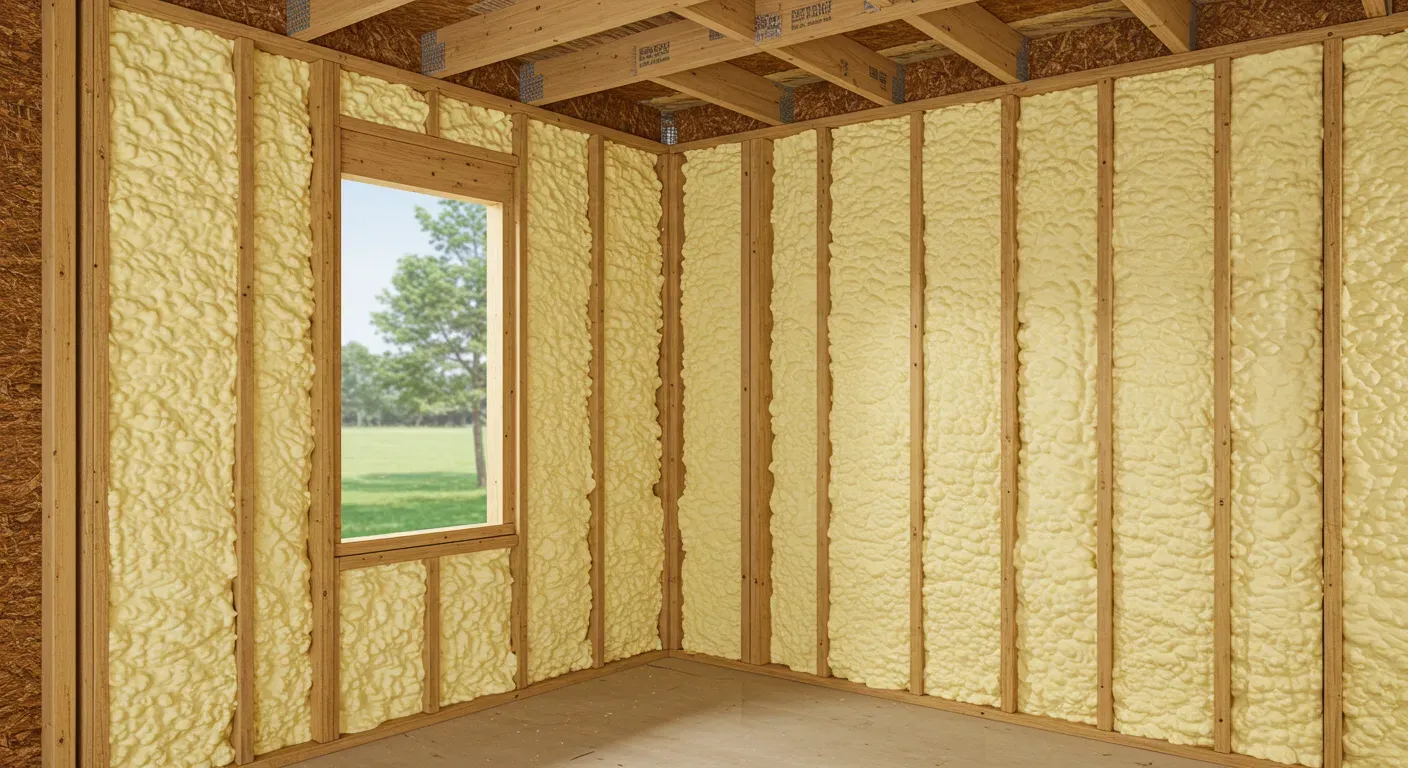
Spray foam insulation can significantly cut energy bills and improve home comfort, but the cost varies widely. Homeowners often wonder how much they should budget and what factors influence pricing.
Quick Answer Spray foam insulation typically costs $0.44–$0.65 per board foot for open-cell foam and $1.00–$1.50 per board foot for closed-cell foam. For a standard 2,000-square-foot home, total project costs usually range between $2,500 and $12,000, depending on foam type, insulation thickness, and installation complexity.
Spray foam offers long-term energy savings, better air sealing, and moisture resistance, making it a smart investment despite its higher upfront price.
Why Spray Foam Costs Vary
Unlike traditional insulation, spray foam is priced by the board foot, defined as one square foot at one inch thick. This matters because two homes with the same square footage may require very different amounts of material depending on insulation depth and design.
Important Note: Spray foam prices are listed per board foot, while fiberglass and cellulose are often priced per square foot. These units are not interchangeable, and understanding the difference helps avoid cost confusion when comparing insulation options.
Costs depend on several variables:
The type of foam you choose
The size and layout of your home
Labor rates in your region
Preparation work, such as removing old insulation
Local building codes and permits
Factors Affecting Spray Foam Insulation Costs
The price of spray foam insulation isn’t fixed. Several elements influence the overall cost of a project, making it essential to understand them before budgeting.
Type of Spray Foam
Spray foam comes in two main types: open-cell and closed-cell.
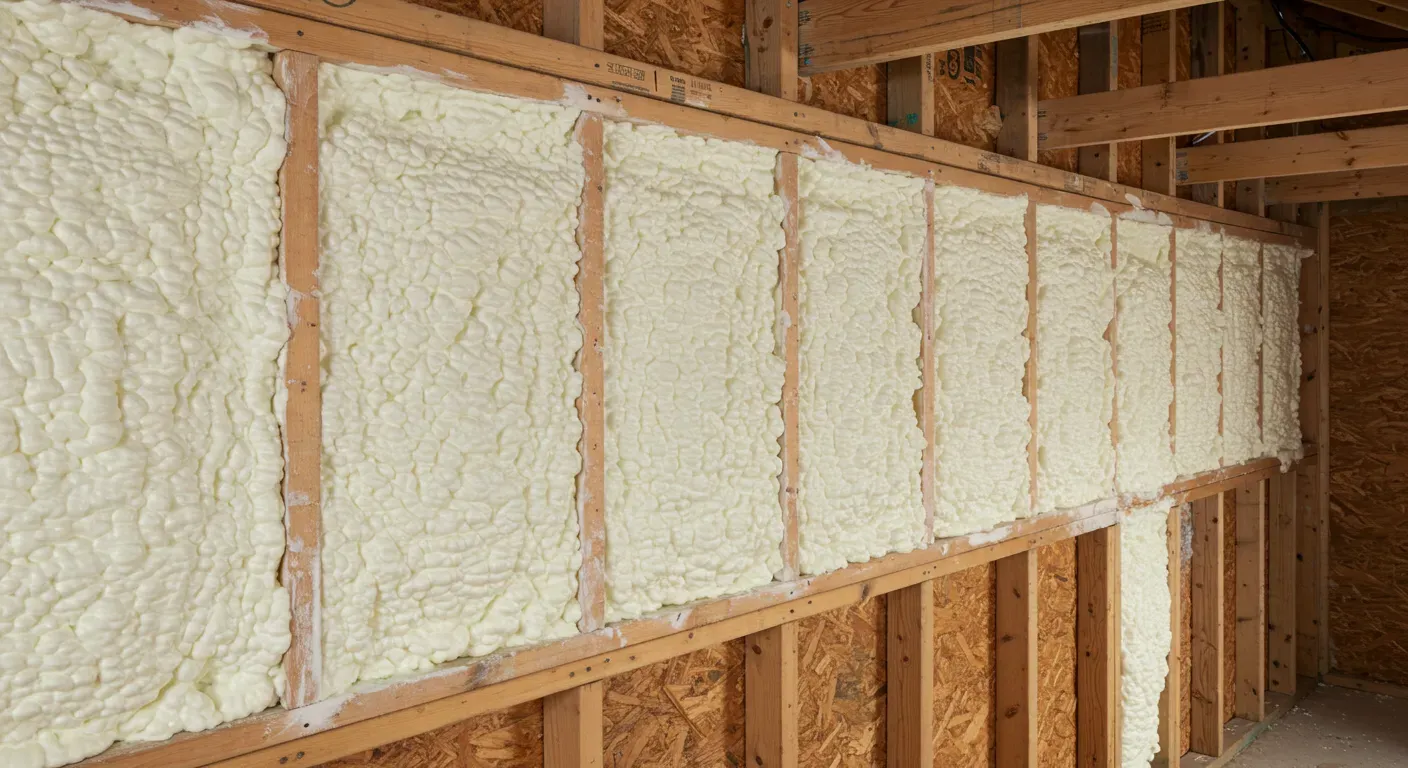
Open-cell spray foam is less dense, costing around $0.44 to $0.65 per board foot, and works well for interior walls and attic spaces.
Closed-cell spray foam is denser and more expensive, averaging $1.00 to $1.50 per board foot, but it provides higher insulation value and moisture resistance.
According to the Spray Foam Coalition, closed-cell foam has an R-value of approximately 6.5 per inch, compared to 3.6 for open-cell, which explains the price difference.
Home Size and Layout
The size of your home or the area being insulated directly impacts costs. Larger homes require more material and labor, which increases total expenses. Oddly shaped attics, vaulted ceilings, or crawlspaces can also raise installation complexity and cost.
Labor and Installation
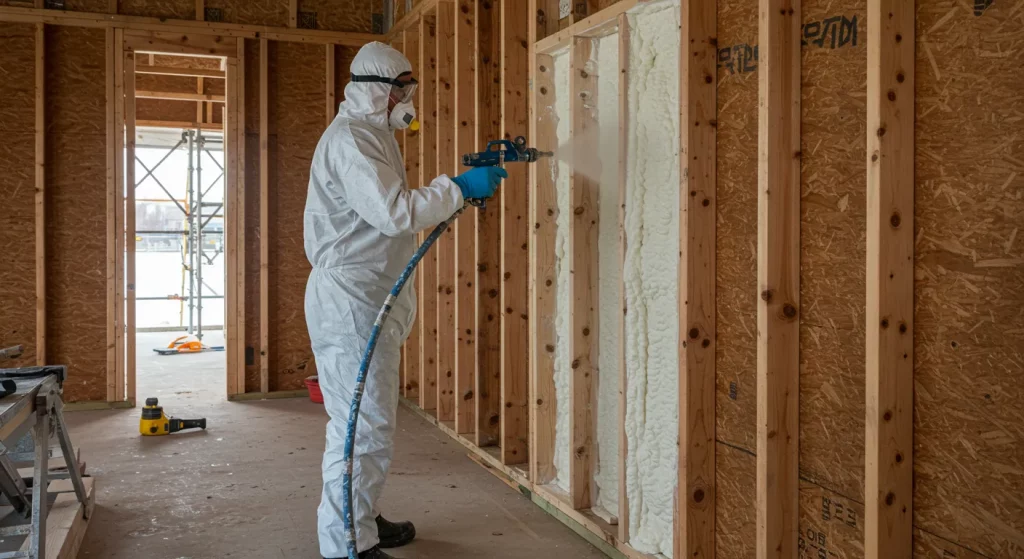
Professional installation is crucial for spray foam to perform effectively. Average labor costs range from $0.50 to $1.00 per board foot, depending on region and installer expertise. Improper installation can lead to gaps, uneven coverage, and reduced energy efficiency.
Additional Considerations
Other factors that may affect pricing include:
Removing old insulation
Sealing leaks or gaps
Installing vapor barriers
Local building codes or permits
Average Spray Foam Insulation Costs
Understanding the typical costs can help homeowners plan their budgets realistically.
Type of Foam
Average Cost per Board Foot
Typical Project Cost (2,000 sq. ft. home)
Open-Cell
$0.44 – $0.65
$2,500 – $4,500
Closed-Cell
$1.00 – $1.50
$6,000 – $12,000
Data from HomeAdvisor indicates that these costs include material and professional installation. Prices may vary based on geographic location, home age, and insulation thickness.
Benefits That Influence Cost Justification
While spray foam insulation is more expensive upfront than traditional fiberglass or cellulose, the long-term savings and benefits often justify the cost.
Energy Efficiency and Savings
Spray foam insulation can reduce heating and cooling costs by up to 30% annually, according to the U.S. Department of Energy. This is particularly important in climates like Seattle, where fluctuating temperatures make efficient insulation valuable.
Moisture and Mold Resistance
Closed-cell spray foam also acts as a moisture barrier, reducing the risk of mold and structural damage. Homes with high humidity or poor ventilation benefit the most from this added protection.
Air Sealing
Spray foam fills cracks and gaps that traditional insulation often misses, creating a more airtight home. Better air sealing improves indoor comfort and reduces energy loss.
Cost Comparison: Spray Foam vs. Other Insulation Types
Homeowners often weigh spray foam against alternatives like fiberglass batts, blown-in cellulose, or rigid foam.
Fiberglass Batts: $0.40–$1.50 per square foot, lower upfront cost but prone to air gaps and sagging.
Blown-in Cellulose: $1.00–$1.50 per square foot, eco-friendly, but less effective in air sealing.
Spray Foam: $1.00–$1.50 per board foot, higher upfront cost but superior energy savings, air sealing, and moisture resistance.
A cost-benefit analysis reveals that spray foam may pay for itself within 5–10 years through reduced energy bills, depending on home size and climate.
How to Optimize Spray Foam Installation Costs
Proper planning and understanding your needs can help control expenses while maximizing performance.
Tips for Cost Efficiency
Insulate only areas that significantly impact energy efficiency.
Combine spray foam with other insulation types for hybrid solutions.
Schedule installation during off-peak seasons when contractors are more available.
Compare quotes from licensed contractors to find competitive pricing.
Hiring Professionals
DIY spray foam kits exist, but professional installation ensures even coverage and proper chemical handling. Misapplication can lead to poor insulation performance and health hazards.
Real-World Example: Seattle Home Upgrade
In Seattle, a 2,200-square-foot home replaced old fiberglass insulation with closed-cell spray foam. The total project cost was $9,500, including labor. Within the first year, the homeowner reported a 28% reduction in energy bills. Cascadia Spray Foam of Seattle handled the installation, ensuring compliance with local building codes and maximizing R-value performance.
Who This Guide Is For
This article is designed for homeowners who:
Are you comparing insulation options and real-world costs
Want long-term energy savings, not just the cheapest solution
Live in moisture-prone or temperature-variable regions
Value professional installation and building-code compliance
Final Takeaway: Is Spray Foam Worth the Cost?
Spray foam insulation carries a higher upfront price, but the long-term benefits often outweigh the cost. Its superior energy efficiency, air sealing, and moisture protection make it a smart investment for homeowners looking to lower bills and improve comfort.
Get a Free Spray Foam Estimate Today
For Seattle homeowners seeking a reliable, results-driven spray foam solution, Cascadia Spray Foam of Seattle offers professional installation with guaranteed performance.
Contact Cascadia Spray Foam to schedule a consultation and get a customized cost estimate for your home.
FAQs – Spray Foam Insulation Costs
Q: How much does spray foam insulation cost?
A: Spray foam typically costs $0.44–$1.50 per board foot, depending on whether you choose open-cell or closed-cell foam and how complex the installation is.
Q: Does spray foam insulation really save money on energy bills?
A: Yes. The U.S. Department of Energy reports that proper insulation and air sealing can reduce heating and cooling costs by up to 30% annually.
Q: Can I install spray foam insulation myself?
A: DIY kits are available, but professional installation is recommended to ensure even coverage, chemical safety, and long-term performance.
Q: How long does spray foam insulation last?
A: When installed correctly, spray foam insulation can last 20–30 years or more without sagging or settling.
Q: Is closed-cell spray foam worth the higher cost?
A: Closed-cell foam offers higher R-value, moisture resistance, and structural reinforcement, making it a strong choice for basements, crawl spaces, and humid climates.
Q: What factors influence spray foam pricing the most?
A: The biggest cost drivers are foam type, project size, labor rates, insulation thickness, and installation complexity.
Open-cell foam insulation creates a breathable yet protective barrier that prevents moisture accumulation while allowing your Tukwila home to maintain proper humidity levels. This unique material works by trapping air…
Open-cell insulation provides significant environmental benefits through reduced material consumption, lower embodied carbon during production, and superior long-term energy efficiency that decreases heating and cooling demands. The material’s unique cellular…
Open-cell spray foam insulation achieves superior air sealing through its unique cellular structure that creates millions of tiny, interconnected air pockets. When applied, the foam expands to fill gaps and…