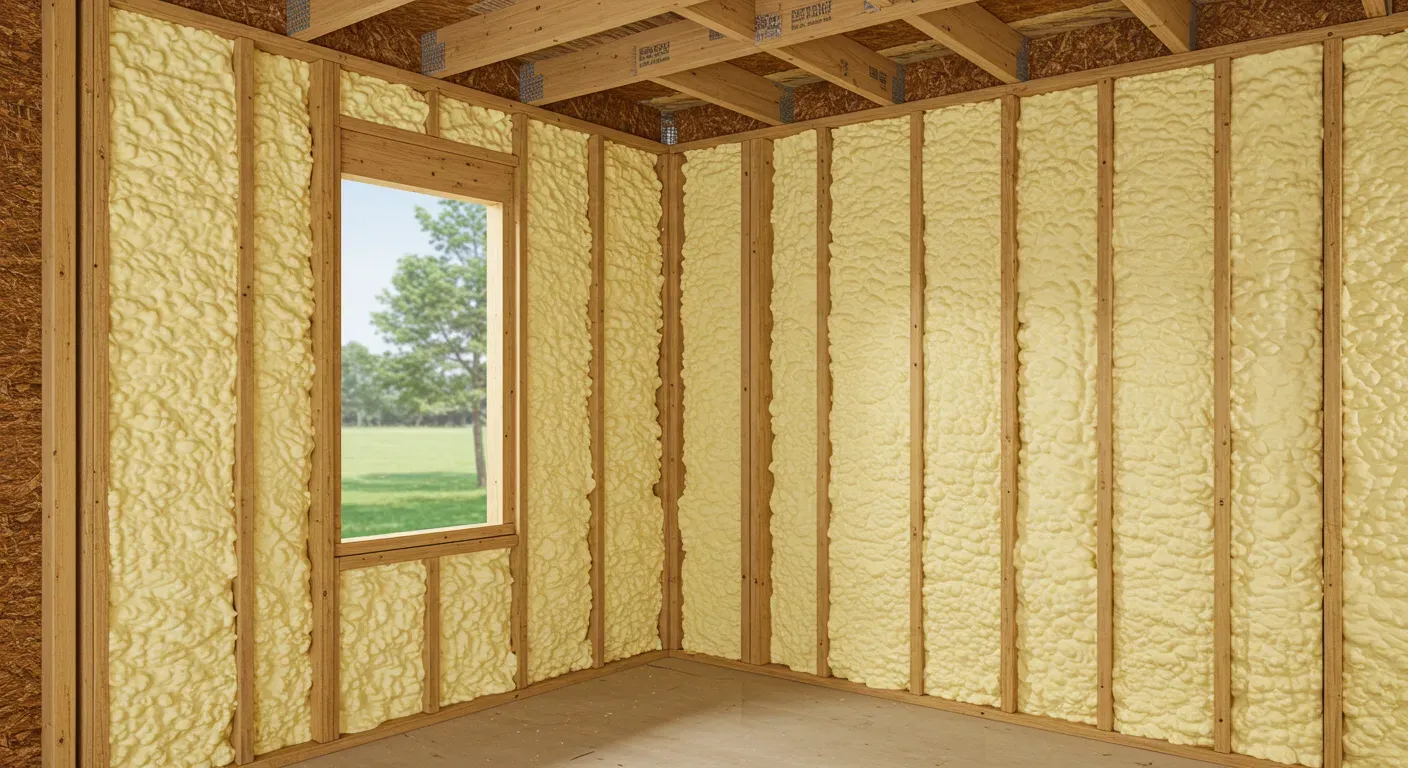
Insulating a house typically costs between $1,500 and $6,500, depending on the insulation type, wall access, climate, and labor rates. Most homeowners see lower energy bills within the first year, especially in colder or mixed climates like the Pacific Northwest.
Quick answers that matter most:
Average cost per square foot ranges from $0.65 to $7.50, based on material.
Wall insulation costs more than attics because of labor and access.
Better insulation can cut heating and cooling costs by up to 15 percent.
Understanding Insulation Costs and What Drives Them
Insulation pricing is not one-size-fits-all. Costs depend on material choice, home size, wall condition, and whether the project is new construction or a retrofit. According to guidance from the U.S. Department of Energy, insulation performance is measured by R-value, which directly affects both upfront cost and long-term savings.
Before choosing a material, it helps to understand where your money goes and what you get back in comfort and efficiency.
Average Cost to Insulate a House by Material Type
Different insulation materials serve different needs. Some focus on affordability. Others prioritize fire resistance, moisture control, or soundproofing. Below is a clear breakdown of common insulation options.
Fiberglass Batts Insulation
Fiberglass batts are one of the most widely used and budget-friendly options.
Cost: $0.65 to $2.00 per square foot
Best for: Open wall cavities and standard framing
Pros: Low material cost, easy to install, widely available
Cons: Gaps reduce performance, lower air sealing ability
Fiberglass works best when installed carefully. Poor fit leads to heat loss, which is why professional installation matters even with low-cost materials.
Mineral Wool Insulation
Mineral wool, also called rock wool, is denser and more durable than fiberglass.
Cost: $1.50 to $3.00 per square foot
Best for: Fire resistance, sound control, exterior walls
Pros: Fire resistant, water repellent, higher density
Cons: Higher cost than fiberglass, heavier to handle
Builders often choose mineral wool for added safety. It maintains performance even when exposed to moisture.
Rigid Foam Board Insulation
Rigid foam boards offer strong thermal resistance in a thin profile.
Cost: $2.00 to $4.50 per square foot
Best for: Basements, exterior walls, continuous insulation
Pros: High R-value, moisture resistant, durable
Cons: Higher material cost, labor-intensive cuts
Rigid boards are common in energy-efficient builds where space and performance both matter.
Blown-In Cellulose Insulation
Blown-in cellulose is popular for retrofitting existing homes.
Cost: $1.00 to $2.50 per square foot
Best for: Closed walls, older homes
Pros: Fills gaps well, eco-friendly, good sound control
Cons: Can settle over time, moisture sensitive
Many contractors recommend cellulose when walls cannot be opened without major demolition
Cost Comparison Table: Wall Insulation Options
Insulation Type
Cost Per Sq. Ft.
Typical R-Value
Best Use Case
Fiberglass Batts
$0.65–$2.00
R-13 to R-21
Open walls
Mineral Wool
$1.50–$3.00
R-15 to R-23
Fire safety
Rigid Foam Board
$2.00–$4.50
R-4 to R-6.5 per inch
Continuous layers
Blown-In Cellulose
$1.00–$2.50
R-3.2 per inch
Existing walls
How Insulation Affects Energy Bills and Home Value
Insulation is not just about comfort. It directly affects monthly costs and resale value. Data from the U.S. Environmental Protection Agency’s ENERGY STAR program shows that homeowners can save an average of 15 percent on heating and cooling costs after upgrading insulation.
Better insulation also:
Reduces temperature swings between rooms
Improves indoor air quality
Lowers HVAC wear and tear
Buyers notice these benefits, especially in regions with cold winters and rising energy prices.
Commercial and Practical Considerations Before You Choose
Material cost is only part of the equation. Labor, prep work, and access can change the final price.
Factors That Increase Insulation Costs
Removing drywall or siding
Tight wall cavities
Moisture or mold remediation
Local labor rates
Industry pricing data from HomeAdvisor’s insulation cost guide confirms that wall insulation projects often cost more than attic work due to access challenges.
When It Makes Sense to Hire a Professional
Some insulation projects look simple but go wrong fast. Poor installation leads to gaps, compression, and wasted money.
In the Seattle area, moisture control is especially important. Incorrect installs can trap damp air inside walls.
Choosing the Right Insulation for Your Home
There is no universal best option. The right choice depends on your goals.
Match Insulation to Your Situation
Older homes: Blown-in cellulose for minimal disruption
Fire safety priority: Mineral wool
Basements or exterior walls: Rigid foam board
Tight budget: Fiberglass batts with professional install
A site inspection often reveals issues you cannot see from inside the house.
Final Thoughts and Next Steps
Insulating your home is one of the most reliable ways to lower energy bills and improve comfort. Costs vary, but smart material choices and proper installation make a real difference over time.
If you want clear pricing and honest advice, Cascadia Spray Foam of Seattle can help you choose the right insulation for your walls and climate.
Open-cell foam insulation creates a breathable yet protective barrier that prevents moisture accumulation while allowing your Tukwila home to maintain proper humidity levels. This unique material works by trapping air…
Open-cell insulation provides significant environmental benefits through reduced material consumption, lower embodied carbon during production, and superior long-term energy efficiency that decreases heating and cooling demands. The material’s unique cellular…
Open-cell spray foam insulation achieves superior air sealing through its unique cellular structure that creates millions of tiny, interconnected air pockets. When applied, the foam expands to fill gaps and…