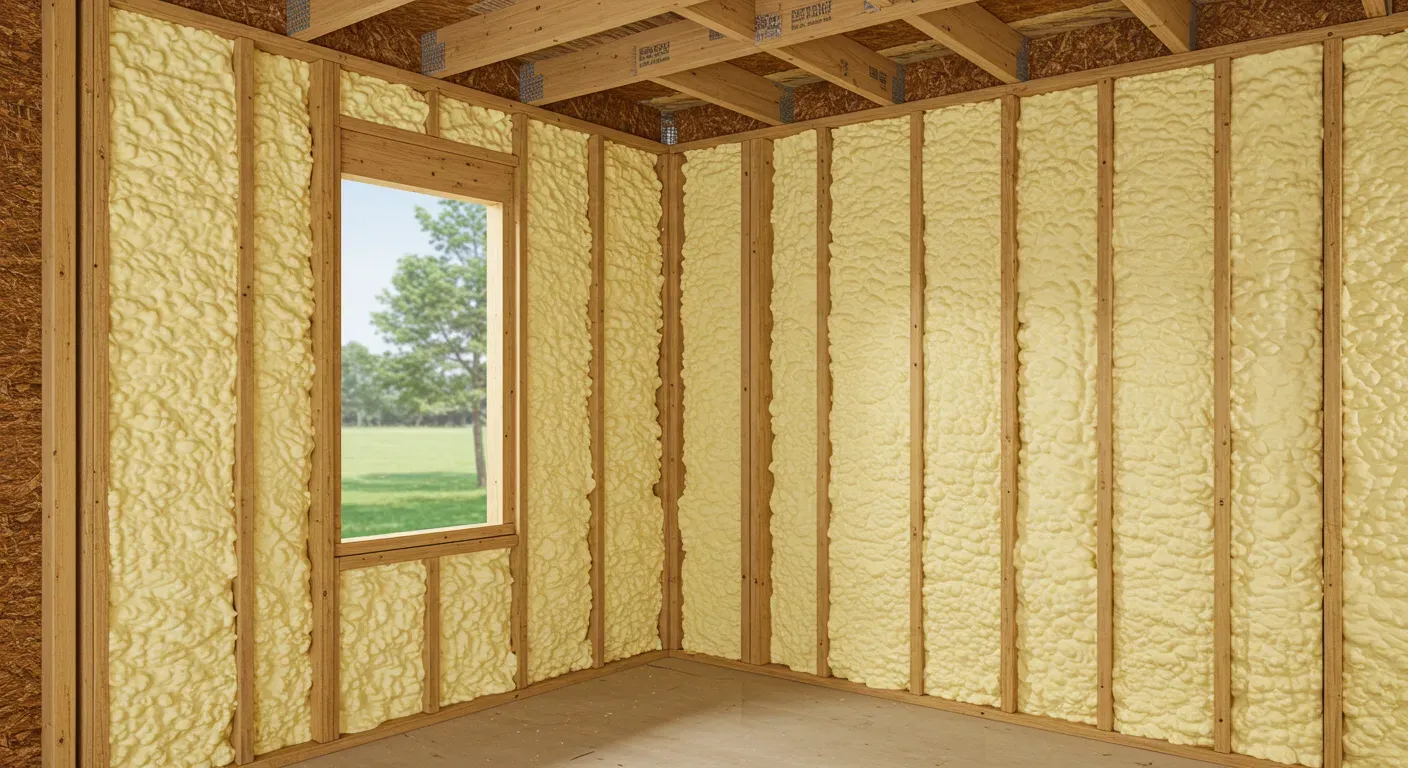
How Much Does Home Insulation Cost: A Complete Guide
admin_cascadiaspray
January 16th, 2026
Upgrading your home insulation can save energy, improve comfort, and reduce monthly utility bills. Homeowners often wonder how much it actually costs and whether investing in higher-quality insulation like spray foam is worth it. This guide breaks down prices, factors that influence costs, and what to expect when planning your insulation project.
Costs vary depending on insulation type and home size.
Proper installation can maximize energy efficiency and comfort.
Investing in energy-efficient insulation reduces utility bills over time.
Understanding Home Insulation Costs
Home insulation costs vary widely depending on the materials, home size, and complexity of installation. On average, homeowners spend between $1,500 and $5,000 for a full insulation upgrade, but costs can go higher for premium materials like spray foam.
Factors That Affect Insulation Cost
Several key factors determine the final price of insulation:
Insulation Material: Materials range from affordable fiberglass and cellulose to high-performance spray foam. Spray foam is more expensive upfront, but provides superior long-term energy savings.
Home Size: The larger your home, the more material is needed, which increases both material and labor costs.
Labor Complexity: Hard-to-reach areas like attics with irregular shapes, vaulted ceilings, or crawl spaces require specialized installation techniques.
Regional Pricing: Labor rates and material costs vary by location, so local pricing should always be considered.
According to Energy.gov, adding proper insulation can reduce heating and cooling bills by up to 20%, which helps justify upfront costs.
Types of Insulation and Their Costs
Different insulation materials have varying price points and benefits:
Fiberglass Batt: $0.40–$1.50 per sq. ft. Easy to install, widely available, but less effective over time if compressed or settled.
Cellulose: $0.50–$2.00 per sq. ft. Eco-friendly and soundproofing benefits, but moisture-sensitive and may settle.
Rigid Foam Board: $1.00–$2.50 per sq. ft. Durable and moisture-resistant, but installation can be labor-intensive.
Spray Foam (Closed Cell): $1.50–$3.00 per sq. ft. Excellent air sealing and insulation performance, high upfront cost, but strong long-term energy savings.
A study by energy gov found that spray foam insulation has a high return on investment, often exceeding 100% over time due to lower energy bills.
How to Calculate Your Home Insulation Budget
Creating a realistic budget for insulation ensures you get the best value without surprises.
Steps to Estimate Costs
Measure Your Home: Calculate square footage for walls, ceilings, and attics to determine material needs.
Choose Your Material: Decide between fiberglass, cellulose, rigid foam, or spray foam based on performance and budget.
Request Professional Quotes: Local contractors provide accurate estimates, including labor, materials, and any extra services like air sealing or vapor barriers.
Plan for Upgrades: Some projects may require additional work, like sealing cracks, replacing old insulation, or installing fire-resistant coatings.
For homeowners in Seattle, professional services like Cascadia Spray Foam of Seattle can provide tailored quotes and expert installation. You can reach them at (425) 386-3500 or [email protected].
Spray Foam Insulation: Why It’s Worth Considering
Spray foam insulation is often recommended for homeowners seeking maximum energy efficiency and long-term savings.
Benefits of Spray Foam
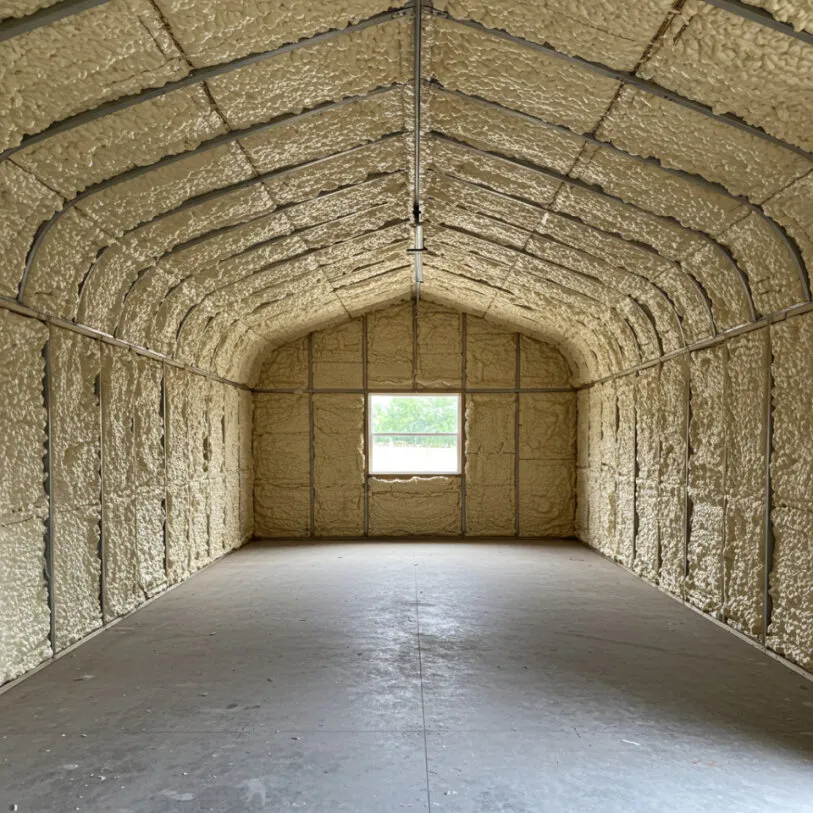
Superior Air Seal: Fills cracks, gaps, and hard-to-reach spaces better than traditional insulation.
High R-Value: Closed-cell spray foam achieves R-6 to R-7 per inch, compared to R-3.5 for fiberglass.
Moisture Resistance: Prevents mold growth and structural damage caused by damp conditions.
Longevity: Can last 20 years or more without replacement.
Cost Considerations
Spray foam is more expensive than other insulation types. Typical installation costs:
Open-Cell Foam: $3–$4 per sq. ft.
Closed-Cell Foam: $5–$7 per sq. ft.
Even with higher upfront costs, the long-term energy savings can make spray foam cost-effective. Many homeowners in extreme climates conditions report utility savings of 30% or more after installation.
Practical Example
A 2,000 sq. ft. Seattle home upgraded with closed-cell spray foam saw annual energy savings of $1,200, recovering the installation cost in approximately four years. This demonstrates the long-term financial benefit of choosing high-performance insulation.
Installation Insights: What to Expect
Professional installation is critical for maximizing insulation performance.
The Installation Process
Preparation: Clearing the area, sealing gaps, and removing old insulation if needed.
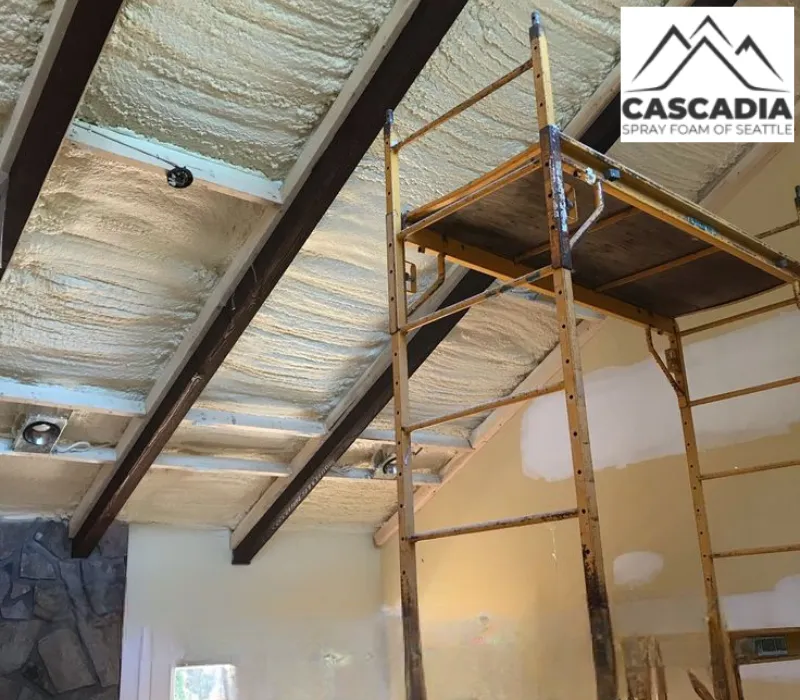
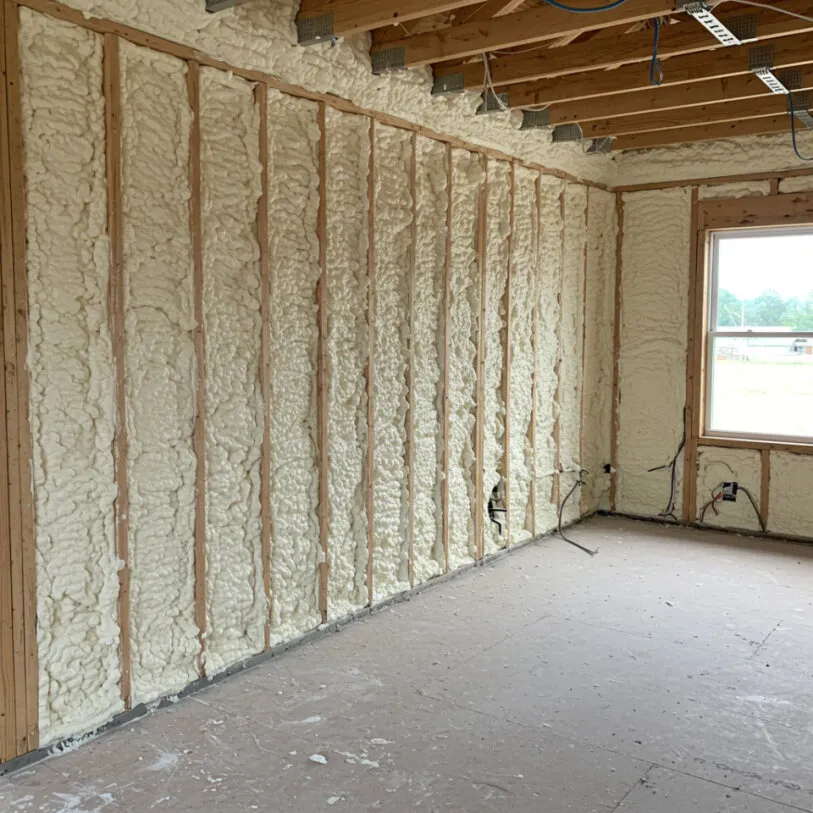
Spraying: Foam is applied using specialized equipment to walls, ceilings, or attics.
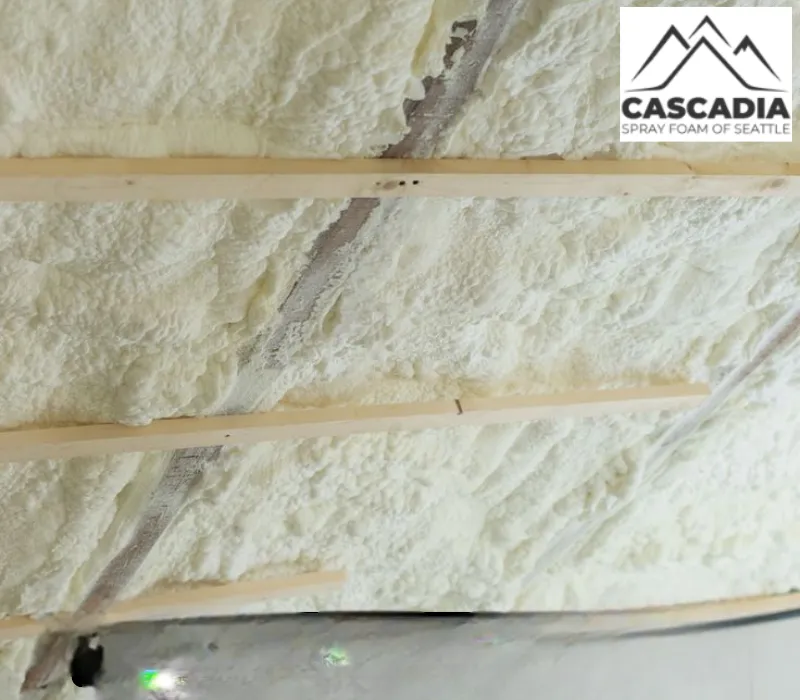
Curing: Spray foam expands and hardens quickly, creating an airtight seal.
Inspection: Ensuring even coverage and checking for any gaps or thin spots.
DIY spray foam kits are available, but professional installation ensures safety, uniform coverage, and warranty compliance.
Maintenance and Longevity
Spray foam requires minimal maintenance, but homeowners should inspect for moisture or damage periodically. Properly installed foam can last decades, making it a cost-effective choice over the long term.
Energy Savings and ROI
Investing in high-quality insulation has measurable benefits. According to the Department of Energy:
Proper insulation can cut heating and cooling costs by 10–50%, depending on your current setup and climate.
Homes with upgraded insulation experience fewer drafts, improved indoor comfort, and reduced HVAC strain.
Spray foam insulation often provides the highest return due to both energy savings and air-sealing benefits.
Homeowners can combine insulation upgrades with energy-efficient windows or doors for even greater savings.
Make an Informed Decision About Insulation
Understanding home insulation costs helps homeowners plan upgrades wisely. While fiberglass and cellulose are budget-friendly, spray foam offers superior performance, long-term energy savings, and improved comfort. Investing in high-quality insulation now can reduce bills, enhance home value, and protect against moisture issues.
Get Professional Spray Foam Insulation Today
Seattle homeowners looking for expert spray foam insulation can rely on Cascadia Spray Foam of Seattle. Their team provides precise quotes, professional installation, and long-term performance solutions. Contact them today at (425) 386-3500 or [email protected] to schedule a consultation and get an accurate estimate.
FAQs About Home Insulation
How long does insulation installation take?
Most professional spray foam installations are completed in 1–3 days, depending on the home’s size and complexity.
Can I install spray foam myself?
DIY installation is possible for small areas, but professional installation ensures safety, coverage, and warranty compliance.
Is spray foam worth the investment?
Yes. Despite higher upfront costs, energy savings, improved comfort, and moisture protection provide long-term value.
Are there environmentally friendly insulation options?
Cellulose is made from recycled paper, making it eco-friendly. Some spray foam products are low-emission and designed for sustainability.
What maintenance does insulation require?
Spray foam and rigid foam boards require little to no maintenance, while fiberglass and cellulose may need inspection for settling or moisture over time.
How can I maximize insulation efficiency?
Combine insulation with air sealing, weatherstripping, and proper ventilation for the best energy efficiency and comfort.
Sources
Energy.gov – Official guide on insulation energy savings and options.
Open-cell foam insulation creates a breathable yet protective barrier that prevents moisture accumulation while allowing your Tukwila home to maintain proper humidity levels. This unique material works by trapping air…
Open-cell insulation provides significant environmental benefits through reduced material consumption, lower embodied carbon during production, and superior long-term energy efficiency that decreases heating and cooling demands. The material’s unique cellular…
Open-cell spray foam insulation achieves superior air sealing through its unique cellular structure that creates millions of tiny, interconnected air pockets. When applied, the foam expands to fill gaps and…