6 Reasons Builders Prefer Closed-Cell Spray Foam in Federal Way
admin_cascadiaspray
March 5th, 2026
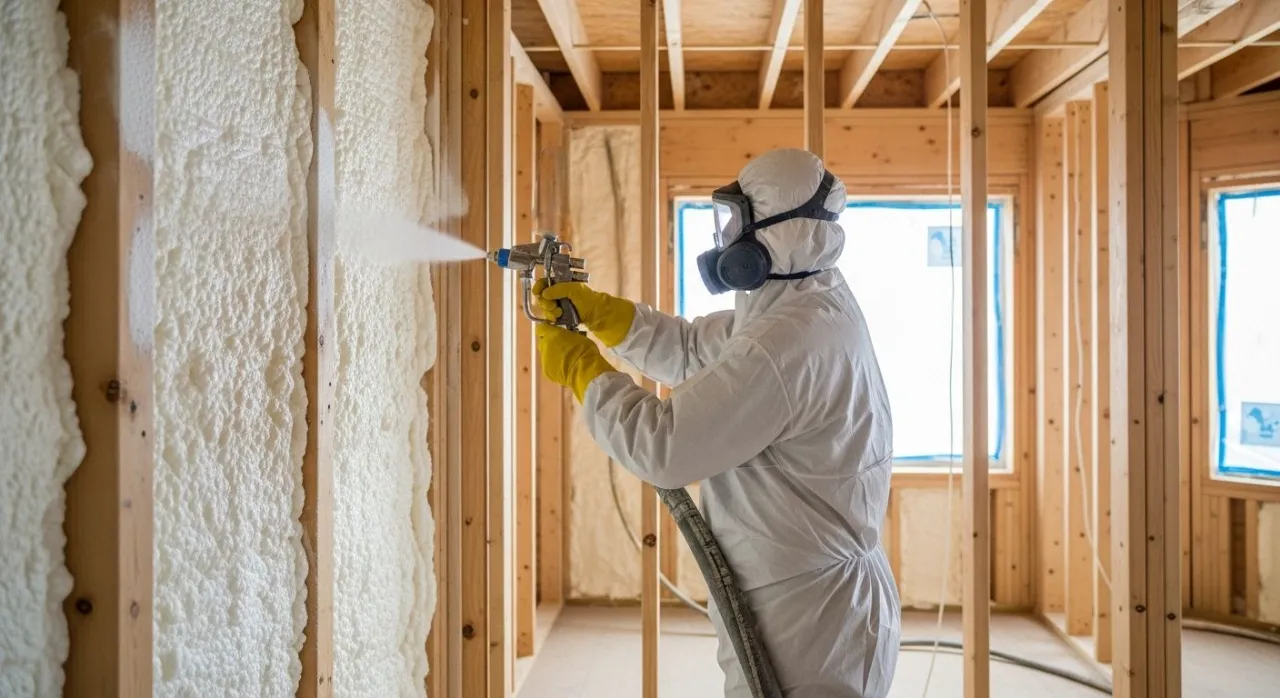
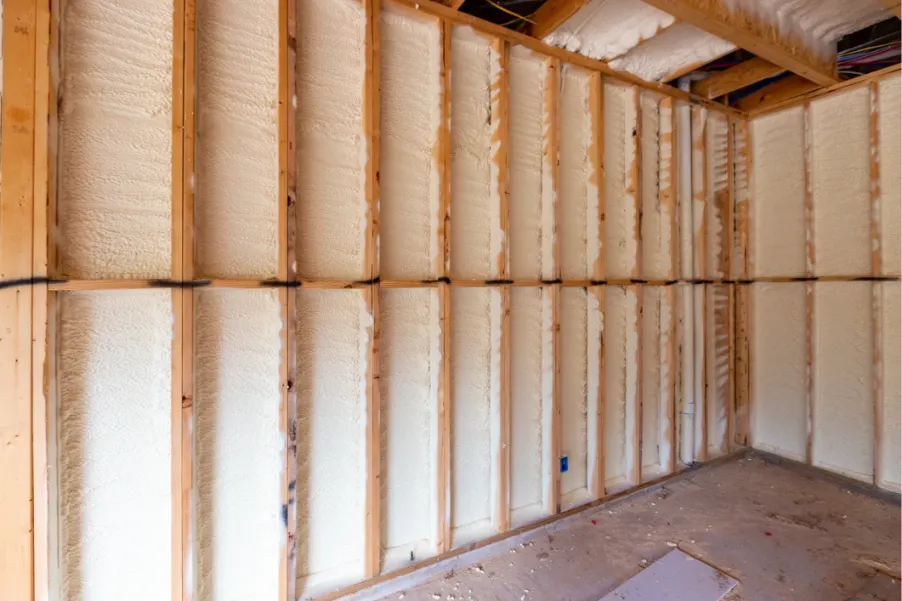
Builders in Federal Way consistently choose closed-cell spray foam for six primary reasons: superior moisture resistance in the Pacific Northwest climate, higher R-value per inch, structural reinforcement capabilities, exceptional air sealing, long-term durability, and natural pest deterrence. This insulation solution directly addresses the specific challenges of Western Washington’s weather patterns while providing energy efficiency that meets modern building codes.
The following comprehensive analysis explains each advantage in detail, drawing from years of practical installation experience across the Federal Way area. Understanding these factors helps builders make informed decisions that benefit both their construction projects and homeowners.
Superior Moisture Resistance
Closed-cell spray foam excels in Federal Way’s damp climate due to its water-resistant properties. The foam’s closed-cell structure prevents moisture absorption, which is crucial in an area that receives approximately 38 inches of annual rainfall. Unlike traditional insulation materials such as fiberglass or cellulose, closed-cell foam won’t absorb water or lose insulating properties when exposed to humidity.
This moisture resistance also helps prevent mold growth and wood rot, common concerns in Pacific Northwest construction. When properly installed, closed-cell spray foam creates a moisture barrier that protects the building envelope from water infiltration through walls and ceilings.
Higher R-Value per Inch
Closed-cell spray foam delivers R-6.5 to R-7 per inch, significantly outperforming other insulation types. This high R-value of Closed-cell spray means builders can achieve the required thermal resistance with less material, preserving interior living space while meeting or exceeding Washington State Energy Code requirements.
For comparison, traditional fiberglass insulation provides approximately R-3.2 per inch, while open-cell foam delivers R-3.5 to R-3.8 per inch. This difference becomes particularly important in Federal Way’s older housing stock, where retrofit projects often face space limitations.
Bonus Tip: In retrofit projects where wall cavity depth is limited, closed-cell foam’s high R-value per inch allows you to meet insulation requirements without major structural modifications.
Structural Reinforcement
One often-overlooked advantage of closed-cell spray foam is its ability to add structural strength to buildings. Once cured, the foam becomes rigid and can increase wall and roof racking strength by up to 300%. This additional rigidity helps buildings better withstand wind loads and seismic activity, both relevant considerations for Federal Way construction.
The foam’s adhesive properties bind building components together, effectively creating a monolithic structure that distributes loads more evenly across the framing. This structural benefit is particularly valuable in custom homes and additions where design elements might otherwise compromise structural integrity.
Exceptional Air Sealing Capabilities
Closed-cell spray foam provides superior air sealing by expanding to fill gaps, cracks, and voids that other insulation methods cannot address. According to the U.S. Department of Energy , proper air sealing can reduce a home’s heating and cooling costs by up to 20%, a significant savings for Federal Way homeowners dealing with both summer heat waves and winter heating demands.
The foam’s expansion ratio of approximately 30:1 allows it to penetrate even the smallest openings, creating a continuous air barrier that prevents drafts and energy loss. This comprehensive sealing also improves indoor air quality by reducing the infiltration of outdoor pollutants and allergens.
Long-term Durability
Unlike other insulation materials that can settle, compress, or degrade over time, closed-cell spray foam maintains its shape and performance for decades. The material’s inert composition means it won’t break down, settle, or lose R-value as the building ages.
This long-term durability translates into reduced maintenance costs and consistent energy performance throughout the building’s life cycle. For Federal Way builders focused on creating sustainable, low-maintenance homes, this longevity represents a significant advantage over traditional insulation options.
Natural Pest Deterrence
Closed-cell spray foam offers inherent resistance to pests due to its dense structure and lack of organic material. Rodents, insects, and other pests cannot burrow through or nest in properly installed closed-cell foam, reducing the risk of pest-related damage and the need for chemical treatments.
This natural pest resistance is particularly valuable in Federal Way’s wooded areas, where wildlife encounters are common. The foam creates an additional layer of protection beyond standard building materials, helping homeowners avoid costly pest control measures and structural repairs.
Comparison of Insulation Types
Insulation Type
R-Value per Inch
Moisture Resistance
Air Sealing
Structural Benefits
Closed-Cell Foam
6.5-7.0
Excellent
Excellent
Yes
Open-Cell Foam
3.5-3.8
Poor
Good
Minimal
Fiberglass Batts
3.2-3.8
Poor
None
None
Cellulose
3.2-3.8
Poor
Moderate
None
Table based on 2023 market data from industry sources and reflects typical pricing for Federal Way area projects. Washington State Building Code Council.
Things to Consider Before Making a Decision
When evaluating closed-cell spray foam for your Federal Way project, several factors deserve careful consideration. First, assess your project’s specific moisture control needs. Given the local climate, most Federal Way buildings benefit from closed-cell foam’s vapor barrier properties, particularly in below-grade applications and exterior walls.
Installation quality directly impacts performance. Proper application requires trained technicians who understand expansion rates, temperature considerations, and building science principles. The Pacific Northwest’s cooler temperatures can affect curing times, so seasonal planning becomes important for optimal results.
Budget considerations often come into play, as closed-cell foam typically costs 2-3 times more than traditional insulation upfront. However, energy savings and reduced maintenance costs often provide a return on investment within 5-7 years, according to data from the Spray Polyurethane Foam Alliance .
Final Considerations
The decision to use closed-cell spray foam in Federal Way construction projects ultimately depends on balancing upfront costs against long-term benefits in energy efficiency, durability, and moisture control. For new construction and significant remodels in the Pacific Northwest climate, the advantages often outweigh the initial investment, particularly when considering the region’s specific environmental challenges.
Builders should evaluate each project individually, considering factors like building design, budget constraints, and homeowner priorities. The six advantages outlined above provide a framework for making informed decisions that align with both construction goals and regional requirements.
Get Professional Installation Guidance
For specific guidance about closed-cell spray foam installation in Federal Way, professional consultation can help evaluate your project’s unique requirements. Cascadia Spray Foam offers comprehensive assessments and recommendations tailored to local building conditions. Contact the team at [email protected] or call (425) 386-3500 to discuss how closed-cell spray foam can benefit your construction project. our experience with Pacific Northwest building challenges ensures proper installation and optimal performance for years to come.
Frequently Asked Questions
Does closed-cell foam require special ventilation?
Unlike some insulation materials, closed-cell spray foam doesn’t require additional ventilation beyond standard building code requirements. However, proper ventilation systems are still essential for maintaining healthy indoor air quality in any Federal Way home.
Can homeowners install closed-cell foam themselves?
DIY installation is not recommended. Professional application requires specialized equipment, safety training, and knowledge of building science principles. Improper installation can lead to performance issues and potential structural problems.
How does closed-cell foam perform in earthquakes?
The structural reinforcement properties of closed-cell foam can actually improve a building’s seismic performance by increasing racking strength and connecting framing components. This benefit is particularly relevant in Federal Way’s proximity to seismic activity zones.
Is closed-cell foam safe for homes with allergies?
Yes, once properly cured, closed-cell spray foam is inert and doesn’t off-gas or release particles into the air. The material’s air sealing properties actually help reduce allergen infiltration from outside, potentially improving indoor air quality for allergy sufferers.
What maintenance does closed-cell foam require?
Closed-cell spray foam requires no routine maintenance once installed. The material will not settle, compress, or degrade over time, maintaining its insulating and structural properties for the life of the building without any intervention needed.
When selecting a wall retrofit contractor in Everett, asking the right questions determines project success. The eight essential questions to ask include: What experience do you have with Pacific Northwest…
Open-cell spray foam insulation acts as an early warning system for roof leaks because its water-absorbing properties create visible stains and discoloration at the leak source, unlike closed-cell foam or…
Builders in Federal Way consistently choose closed-cell spray foam for six primary reasons: superior moisture resistance in the Pacific Northwest climate, higher R-value per inch, structural reinforcement capabilities, exceptional air…