6 Reasons Builders in Kirkland, WA, Prefer Closed Cell Spray Foam for New Homes
admin_cascadiaspray
December 24th, 2025
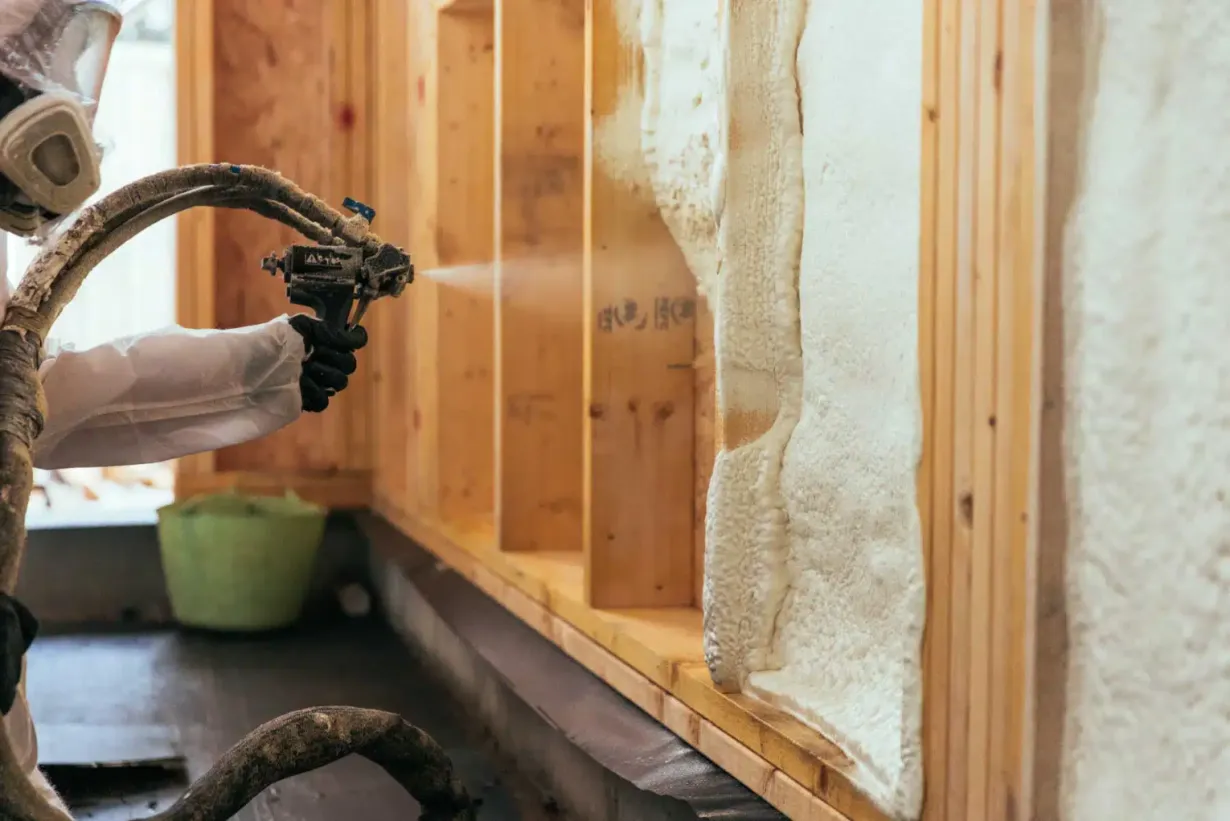
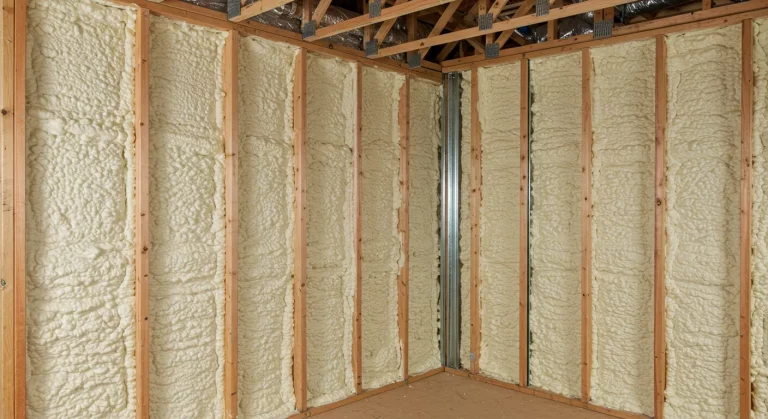
Builders in Kirkland, Washington, select closed cell spray foam for new residential construction because it provides the highest R-value per inch of any common insulation while serving as a built-in air and vapor barrier. This material addresses the unique challenges of the Pacific Northwest climate by preventing moisture movement and air leakage in a single application. By using closed cell foam, construction crews can meet strict Washington State energy codes more easily and ensure the long-term structural integrity of the building envelope.
The humid, temperate environment of the Puget Sound region requires building materials that resist mold growth and effectively manage interior humidity. This article provides a technical look at why professional builders prioritize closed cell spray foam over traditional options like fiberglass or open cell foam. The following information is based on extensive experience in the local construction industry and a deep understanding of thermal dynamics.
Maximizing Thermal Resistance in Limited Spaces
One primary reason builders in Kirkland opt for closed cell foam is its superior R-value. According to the U.S. Department of Energy, closed cell spray foam typically offers an R-value of 6.2 to 7.0 per inch. This is nearly twice the thermal resistance of fiberglass batts or open cell foam.
In modern home design, architects often prefer thinner wall profiles or unique rooflines that leave little room for bulky insulation. When a builder only has a shallow cavity to work with, closed cell foam allows them to achieve the required insulation levels without increasing the wall thickness. This efficiency is especially helpful in meeting the Washington State Energy Code, which mandates high thermal performance standards for all new residences.
Efficient Temperature Regulation
Because the foam cells are closed and filled with a specialized blowing agent, the material resists heat transfer much better than air-filled alternatives. This leads to more consistent indoor temperatures. For homes in Kirkland, this means staying warmer during damp winters and cooler during increasingly hot summer months without overworking the HVAC system.
Creating a Natural Moisture Management System
Kirkland experiences significant rainfall and high humidity year-round. Moisture management is the most critical factor in preventing rot and mold in new homes. Closed-cell spray foam is hydrophobic, meaning it does not absorb or retain water. This characteristic is a significant advantage over fiberglass, which can lose its insulating properties and promote mold growth when damp.
Data from the Building Science Corporation indicates that closed-cell foam with a thickness of two inches or more acts as a Class II vapor retarder. This prevents moist indoor air from reaching cold exterior surfaces where it would otherwise condense into liquid water. By controlling the dew point within the wall assembly, builders protect the wooden studs and sheathing from long-term decay.
Bonus Tip: Builders should ensure the spray foam application happens after the building is dried in but before interior finishes begin to prevent moisture from being trapped behind the foam during the curing process.
Meeting Washington State Energy Code Requirements
Washington has some of the most stringent energy codes in the country. Builders must earn a specific number of energy credits to pass inspections, and high-performance insulation is a reliable way to gain those points. Closed-cell foam provides a continuous seal, eliminating gaps and compression points often found with manual batt installation.
The International Code Council highlights the importance of an airtight building envelope in reducing energy consumption. Closed-cell foam expands to fill every crack, crevice, and wiring hole, effectively stopping air infiltration. This air sealing is vital because air leaks can account for a large portion of a home’s heating and cooling costs.
Reducing Mechanical Loads
Because the home is so well sealed, builders can often install more minor, more efficient heating and cooling units. A smaller HVAC system costs less to purchase and operate, providing a better value for the eventual homeowner. This synergy between insulation and mechanical systems is a hallmark of high-quality Kirkland construction.
Strengthening the Building Envelope
Closed cell spray foam is incredibly dense, typically weighing about 2 pounds per cubic foot. When it cures, it becomes a rigid, plastic-like material that bonds tightly to the wall studs and exterior sheathing. This bond provides additional structural strength to the house.
A study suggests that spray foam can increase a wall’s racking strength by up to 300 percent. In a region like Western Washington, where wind loads and seismic activity are concerns, this added rigidity provides an extra layer of durability. It helps the home resist shifting and minimizes the “creaks and groans” often associated with new wood-frame buildings.
Optimizing Interior Living Space
Kirkland builders often work on tight lots where every square foot of interior space is valuable. Using closed-cell foam allows using 2×4 wall studs instead of 2×6 studs in specific applications while still meeting thermal requirements.
By saving 2 inches of thickness on each exterior wall, builders can add significant square footage to a home’s total living area. Over the span of a whole house, this can result in dozens of additional square feet, making rooms feel larger and increasing the property’s market value.
Bonus Tip: When using closed cell foam in unvented attic assemblies, builders must coordinate with HVAC contractors to ensure proper ventilation, as the house will be much more airtight than traditional builds.
Ensuring Long-Term Material Stability
Traditional insulation materials like fiberglass or cellulose tend to sag, settle, or bunch up over time. This creates “voids” or uninsulated spots at the top of wall cavities, leading to cold drafts and energy loss. Closed cell spray foam does not settle. Once it is applied and cured, it maintains its shape and position for the life of the structure.
This stability is a significant selling point for builders who want to minimize future warranty claims. Since the foam stays put, the home’s energy performance remains consistent for decades. It also does not provide a food source or nesting material for pests, which further protects the integrity of the walls.
Technical Comparison of Common Insulation Types
The following table compares closed cell foam with other popular materials used in the Kirkland area to illustrate why it is the preferred choice for high-end builds.
Feature
Closed Cell Foam
Open Cell Foam
Fiberglass Batts
R-Value per Inch
6.5 – 7.0
3.5 – 3.8
3.1 – 3.4
Vapor Barrier
Built-in (at 2″+)
Requires an extra layer
Requires an extra layer
Air Sealing
Excellent
Good
Poor
Water Resistance
High (Hydrophobic)
Low (Absorbent)
Very Low
Structural Added Strength
Significant
Minimal
None
Settling Over Time
None
None
High Risk
Things to Consider Before Making a Decision
While the benefits are clear, builders and homeowners must plan carefully when choosing closed cell spray foam. The initial cost is higher than fiberglass, though the energy savings often offset this over time. The application process also requires the home to be vacant for 24 hours while the foam cures and off-gasses.
It is also essential to consider the complexity of future renovations. Because closed cell foam is rigid and adheres to everything, running new electrical wires or plumbing through a foam-filled wall is more difficult than in a wall with loose insulation. Builders typically ensure all major mechanical runs are finalized and inspected before the foam is sprayed.
Frequently Asked Questions
Does closed cell foam prevent all mold growth?
Closed-cell foam does not support mold growth because it is not an organic food source and resists moisture. However, mold can still grow on other surfaces, like wood or drywall, if water is trapped elsewhere. The foam helps by preventing the condensation that often feeds mold within walls.
How does spray foam affect the sizing of a furnace or heat pump?
Because the home becomes much tighter and better insulated, the heat loss is significantly reduced. This usually allows the builder to install a smaller HVAC system. An oversized unit in a foam-insulated home will cycle on and off too frequently, reducing comfort and increasing wear on the equipment.
Can closed cell foam be used in existing Kirkland homes?
Yes, it is often used during major remodels when walls are stripped down to the studs. It is also excellent for insulating crawlspaces and rim joists in older homes to stop cold drafts and prevent moisture from entering from the ground.
Is the foam’s smell permanent?
No, the odor associated with the application is a result of the chemical reaction during the curing process. With proper ventilation, the smell typically dissipates within 24 to 48 hours. Once fully cured, the material is inert and does not emit odors.
Summary of Key Takeaways
Closed cell spray foam provides an all-in-one solution for thermal resistance, air sealing, and moisture control. Its high R-value enables thinner walls and greater design flexibility, while its rigidity adds structural strength to the building. For builders in Kirkland, these factors make it the most effective choice for creating energy-efficient, durable, and comfortable homes that stand up to the Pacific Northwest weather. Prospective homeowners should evaluate their long-term energy goals and budget to determine if this high-performance material aligns with their building needs.
Contact Information and Services
For those involved in the residential building industry or planning a new home project, professional installation is the key to achieving these benefits. Cascadia Spray Foam offers expert application services and technical guidance for projects throughout the Kirkland area. For more information or to request a project evaluation, contact the team at [email protected] or call (425) 386-3500. Cascadia Spray Foam focuses on delivering high quality insulation solutions that meet or exceed local building codes.
Spray foam insulation consistently delivers the highest return on investment among residential insulation options, primarily because it combines superior thermal performance with an airtight seal that no other material can…
Seattle homeowners face a specific set of insulation challenges: cool, damp winters, moderate summers, older housing stock, and increasingly strict energy codes. The right insulation choice in 2026 depends on…
Closed-cell spray foam insulation delivers the highest R-value per inch of any common insulation material, creates a continuous air and vapor barrier in a single application, and actively resists moisture…