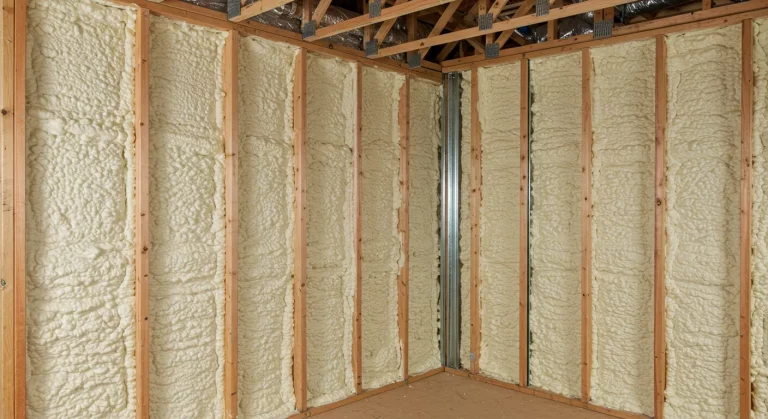
The Best Time of Year to Install Spray Foam Insulation In Mercer Island, WA
admin_cascadiaspray
December 26th, 2025
The best time to install spray foam insulation in Mercer Island is during late spring, summer, and early autumn, when outdoor temperatures consistently range from 60 to 80 degrees Fahrenheit. This period offers the most stable conditions for the chemical reaction required for the foam to expand and adhere correctly to building surfaces. While professional crews can perform installations year-round, the mild weather from May through September minimizes risks related to moisture and surface temperatures.
Selecting the right window for installation ensures the material cures properly and reaches its intended R-value. Mercer Island homeowners often find that scheduling projects during these drier months leads to faster completion times and better overall performance of the insulation barrier. Cascadia Spray Foam recommends focusing on these warmer periods to take full advantage of the Puget Sound’s more predictable weather patterns.
Seasonal Impact on Chemical Performance
Spray foam results from a precise chemical reaction between two main components that must be mixed at specific temperatures. When the air or the surface material is too cold, the foam may not expand fully or could pull away from the studs and rafters. In the Pacific Northwest, the damp climate presents unique challenges that are easiest to manage when the ambient air is dry and warm.
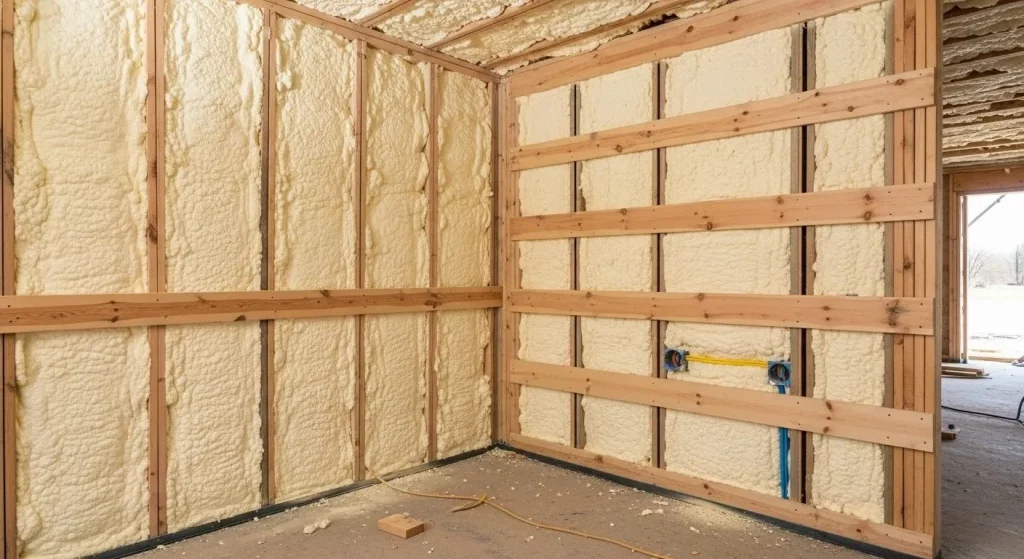
Temperature plays a central role in how the foam sticks to surfaces. If a roof deck or crawl space wall is below 50 degrees, the foam might cure too slowly or fail to create a permanent bond. This leads to gaps that allow air to bypass the insulation. By choosing a time when temperatures are moderate, the chemical reaction happens as designed, creating a seamless thermal envelope.
Humidity also affects the outcome. High moisture levels in the air can interfere with the curing process of certain types of foam. Because Mercer Island experiences significant rainfall and high humidity during the winter, the dryer stretches of summer provide a safer environment for application. Proper curing is essential for long-term durability and air sealing.
Weather Conditions and Installation Efficiency
Summer provides the most reliable window for installation because the building materials are naturally dry. Wood framing and masonry hold onto moisture during the rainy season. Applying foam over wet or damp surfaces is a significant mistake that leads to peeling and poor performance. According to a guide on insulating materials from the U.S. Department of Energy, moisture control is a prerequisite for any successful insulation project.
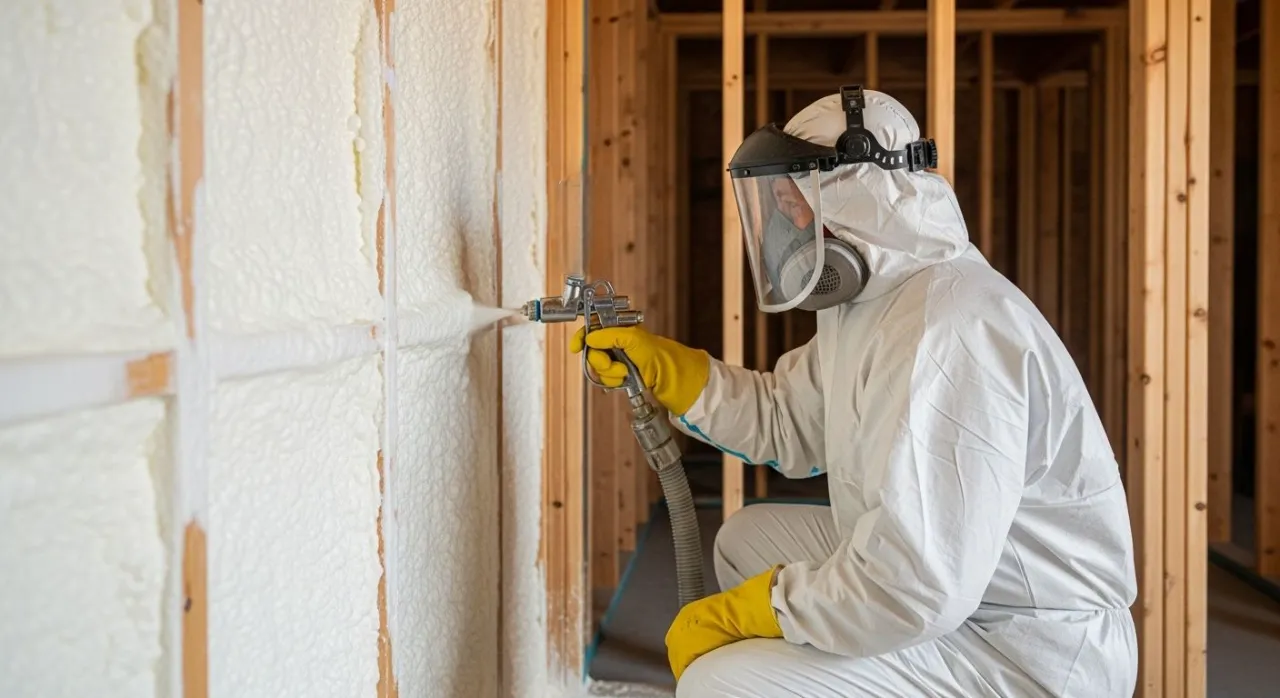
Winter installations are possible but require more preparation. Teams must use heaters to raise the workspace temperature to an acceptable level and dehumidifiers to remove moisture from the air and the framing. This additional equipment can increase the complexity of the job and, in some cases, the cost. Furthermore, crews must monitor the temperature of the chemical drums themselves to ensure they are warm enough to spray correctly.
Bonus Tip for Summer Projects
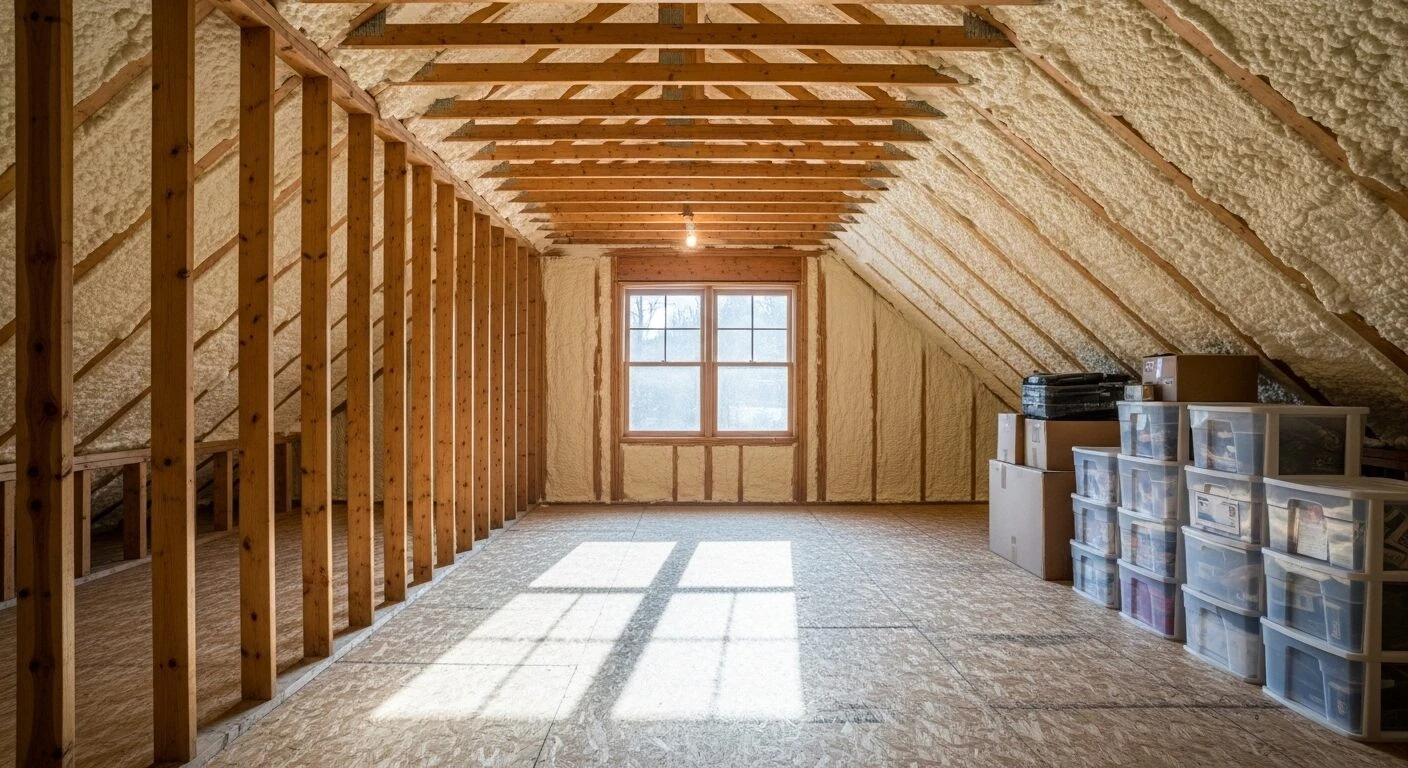
Schedule your installation early in the day during the summer. While the heat helps the foam cure, attics can become dangerously hot by mid-afternoon. Starting at dawn ensures the crew works in a safer environment and the foam sets before the peak heat of the day.
Technical Requirements for Successful Application
Successful spray foam application depends on meeting specific technical benchmarks. The following table outlines the ideal conditions versus the challenges faced during the different seasons in the Mercer Island area.
Condition
Ideal Range (Late Spring to Early Fall)
Challenging Range (Late Fall to Early Spring)
Ambient Air Temperature
60 to 85 Degrees Fahrenheit
35 to 50 Degrees Fahrenheit
Surface Temperature
Above 55 Degrees Fahrenheit
Below 45 Degrees Fahrenheit
Relative Humidity
Below 60 Percent
Above 80 Percent
Surface Moisture
Dry to the touch
Likely damp or frost-covered
Equipment Needs
Standard spray setup
Heaters and dehumidifiers are required
Data from Energy Star indicates that sealing air leaks and adding proper insulation can save homeowners an average of 15 percent on heating and cooling costs. Achieving these savings depends heavily on the quality of the installation, which is most consistent when weather conditions align with the material’s requirements.
Things to Consider Before Making a Decision
Before choosing a date for an insulation project, several factors beyond the calendar need review. Homeowners should evaluate the current state of the home and the specific goals of the upgrade.
Access and Ventilation: Consider how the crew will access the attic or crawl space. If these areas are prone to dampness in the spring, wait for a week of dry weather before starting.
Existing Leaks: Any roof leaks or plumbing issues must be repaired before the foam is applied. Foam should never be used to cover up active water problems.
Home Occupancy: The installation process requires residents and pets to leave the home for a specific period, usually 24 hours, to allow for off-gassing. Planning this during a time when you can comfortably spend time outdoors or away is helpful.
Scheduling Lead Times: High demand for contractors often occurs in the fall as people prepare for winter. Booking in the spring can result in shorter wait times.
Mercer Island Climate Trends and Timing
The local climate on Mercer Island is characterized by long, gray winters and relatively short, dry summers. This cycle dictates the best opportunities for home improvement. The maritime influence keeps temperatures from swinging too wildly, but the persistent moisture from October through April cannot be ignored.
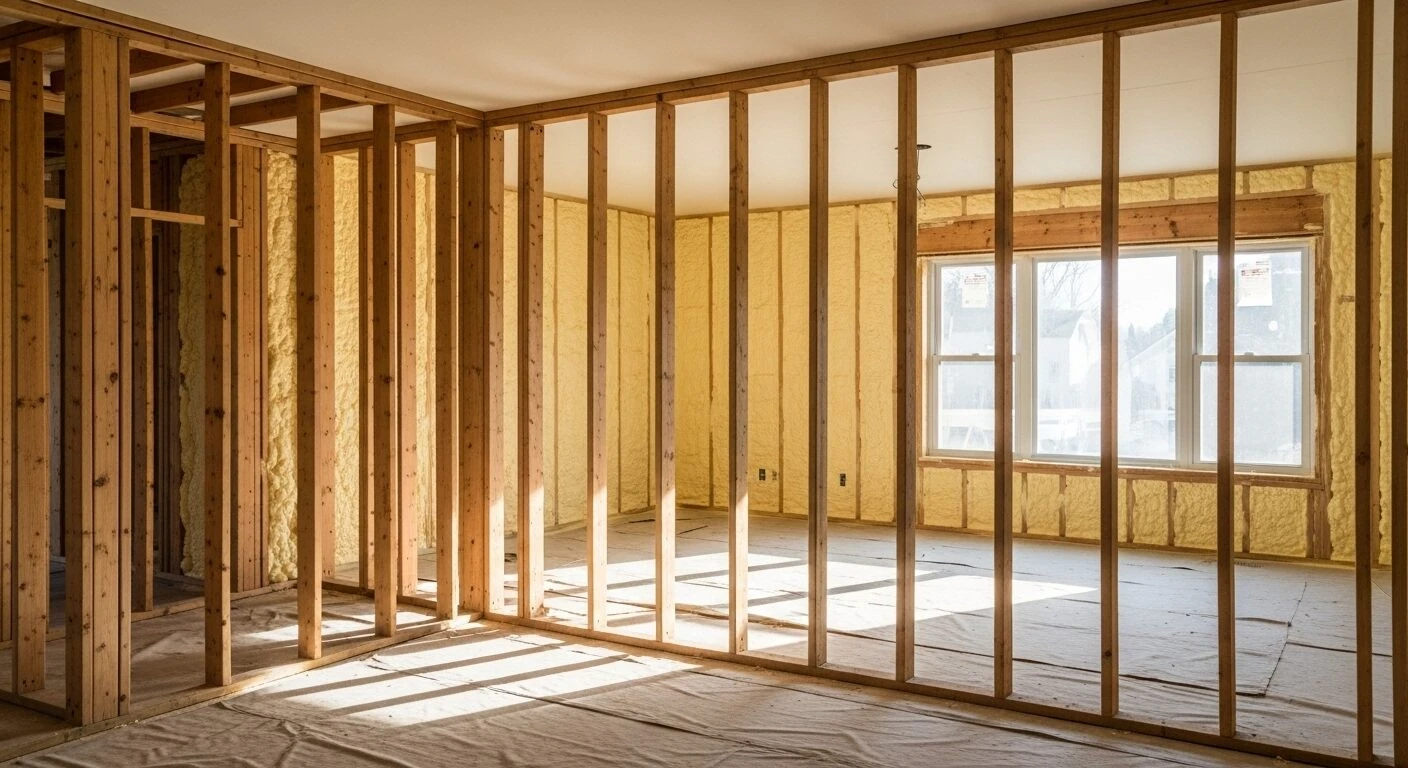
Installing during a dry spell in late summer is particularly effective for crawl spaces. These areas tend to stay cooler and more humid than the rest of the home. Waiting for the ground and the foundation walls to dry out as much as possible ensures the foam bonds tightly to the rim joists and masonry.
Bonus Tip for Crawl Space Projects
If you are insulating a crawl space, check the soil moisture. Even if the air is warm, very wet soil can create a humid microclimate in the workspace. Using a heavy vapor barrier before or during the insulation process can help manage this.
Frequently Asked Questions
Does the foam smell more in the summer?
The odor from the chemical reaction is consistent year-round. However, warmer temperatures can help the house ventilate faster. Because the home needs to be open to fresh air after the job, doing this in the summer is often more comfortable than in the middle of a cold winter.
Can I install insulation myself during the best months?
A professional application is recommended year-round. The equipment required to maintain the correct chemical temperatures and pressures is specialized. Safety guidelines from the Occupational Safety and Health Administration emphasize the need for proper personal protective equipment and ventilation that most homeowners do not have.
Will the foam crack if installed in the winter?
If the foam is applied to a surface that is too cold, it may lose its bond or shrink, which can look like cracking. This is a result of poor installation technique rather than a flaw in the material. Professionals avoid this by monitoring surface temperatures with infrared thermometers.
How long does the installation take in the spring?
A standard residential project on Mercer Island usually takes one to two days. In the spring, when the weather is mild, the process moves efficiently because the materials are easy to handle and the curing time is predictable.
Summary of Timing Benefits
Choosing the right season for spray foam application ensures that the house remains protected for decades. While the window from May to September is the easiest time for both the crew and the homeowner, winter work is a viable option for those who need immediate energy savings. The most crucial factor is the condition of the surfaces being sprayed. Dry, moderately warm wood and masonry provide the best foundation for a permanent air seal.
Homeowners should look at their specific needs and the current condition of their home before scheduling. Evaluating moisture levels in the attic or crawl space and checking for any necessary repairs will help ensure a smoother project. Taking the time to plan around the Pacific Northwest weather patterns results in a more comfortable home and lower energy bills throughout the year.
Cascadia Spray Foam Services
Cascadia Spray Foam provides professional insulation solutions tailored to Mercer Island’s specific climate. The focus remains on delivering high-quality applications that improve home comfort and energy efficiency. For more information regarding scheduling or technical specifications, contact the office at (425) 386-3500 or send an email to [email protected]. Every project receives careful attention to ensure the environment is optimal for the spray foam to perform as intended.
Sources
U.S. Department of Energy – A comprehensive guide on different types of insulation and the importance of moisture control in building envelopes.
Energy Star – Data regarding energy savings and the benefits of sealing air leaks in residential structures.
Spray foam insulation consistently delivers the highest return on investment among residential insulation options, primarily because it combines superior thermal performance with an airtight seal that no other material can…
Seattle homeowners face a specific set of insulation challenges: cool, damp winters, moderate summers, older housing stock, and increasingly strict energy codes. The right insulation choice in 2026 depends on…
Closed-cell spray foam insulation delivers the highest R-value per inch of any common insulation material, creates a continuous air and vapor barrier in a single application, and actively resists moisture…